

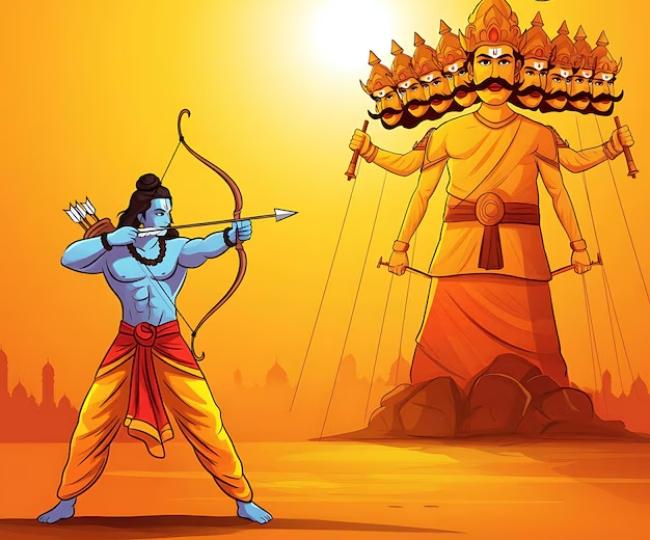
 For those unfamiliar with Indian traditions, Dussehra may look like a festival of fireworks and burning effigies. But to me, it is also a reminder to look at our own faults and the victory of good over evil.
Every year, as Navratri ends, India celebrates Dussehra, also known as Vijayadashami. Ravana's effigies burn, temples fill with devotees, and families come together to celebrate the victory of good over evil.
Whenever I watch Ravana's effigy burn, I wonder whether we ever think about the Ravana within ourselves. It is easy to celebrate the defeat of evil in a story, but much harder to recognise our own faults.
1. The Story of Lord Rama and Ravana
In the Ramayana, one of India's great epics, Ravana, the powerful king of Lanka, abducts Sita, Lord Rama's wife.
With the help of Lakshmana, Hanuman and his allies, Rama defeats Ravana and rescues Sita.
Rama's victory reminds us that righteousness must prevail over wrongdoing.
What interests me most is that Ravana was learned and powerful, yet his pride led to his downfall.
His story reminds me that knowledge, success and influence do not necessarily make us wise.
This lesson is not limited to India or Hinduism. In every society, we see how pride and the misuse of power can destroy people.
2. Why Dussehra Comes After Nine Days of Navratri
Dussehra follows the nine days of Navratri, a festival dedicated to worshiping the Divine Feminine in her various forms.
In Gujarat, people celebrate Navratri with energetic Garba and Dandiya dances. In other regions, devotees observe fasts, visit temples and participate in religious ceremonies.
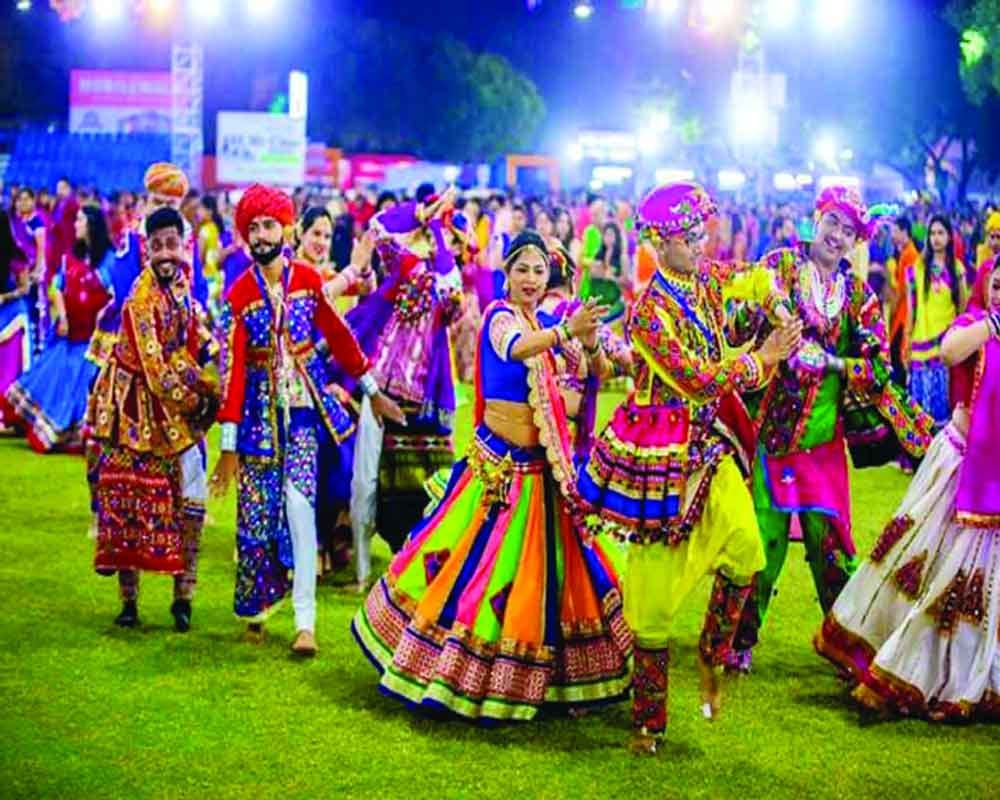
The connection between Navratri and Dussehra reflects two powerful traditions. While many parts of India associate Dussehra with Rama's victory over Ravana, other regions celebrate Goddess Durga's triumph over Mahishasura.
The stories are different, but I see one message in both: strength should protect people, not frighten or control them.
I like the fact that we do not have just one way of celebrating this victory. Different parts of India tell the story differently, and each tradition gives us another way to understand the festival.
3. The Ravana Within Us
Every Dussehra, we watch Ravana's effigy burn. But do we become less angry, more honest or more considerate afterwards?
To me, Ravana's ten heads represent our own weaknesses—anger, jealousy, greed and pride. These can hurt our relationships and take away our peace.
It is easier to find faults in others than to admit our own. I am no exception.
We cannot right every wrong, but we can speak kindly, respect others and stand up for those treated unfairly.
4. Why Dussehra Matters Beyond India?
People around the world follow different faiths and traditions, but most of us want to live with honesty, peace and fairness.
Despite all our technological progress, conflict, intolerance and mistrust remain.
Dussehra reminds me that progress also depends on how we treat one another.
We admire wealth, achievement and influence, but character matters just as much. Telling the truth when a lie would be easier, admitting a mistake and helping someone without expecting anything in return are small acts that reveal who we really are.
I believe anyone can learn from Dussehra, whatever their religion. We all have an ego to keep in check and others to treat fairly.
5. A Small Promise This Dussehra
As we celebrate Dussehra, let us also take a moment to look within.
We can make a simple promise: to be a little more patient, truthful and considerate towards others.
We may not change the world overnight, but we can change the way we live in it.
The effigies will burn, the celebrations will end, and another year will pass. What matters is whether we carry the festival's message into our everyday lives.
This Dussehra, let us celebrate the victory of good not only in an ancient Indian story but also in the choices we make every day.
Whether Dussehra is familiar to you or not, I hope its message gives you something to think about.
And perhaps that is why we need Dussehra every year: not because we have forgotten the story, but because we need to keep learning its lesson.
For me, Dussehra is more than an Indian festival. It reminds me to treat my family well, be honest at work and think carefully about my everyday choices.
I’d love for you to follow along on this journey. I share my thoughts, experiences, and the brief lessons life continues to teach me. If something I write touches your heart or makes you pause and reflect, you’ll know why I keep writing. Your presence here would mean a great deal to me.