

In the ever-evolving landscape of healthcare, the pharmaceutical market takes center stage, playing a pivotal role in meeting global health needs and driving advancements in medical science. This article delves into the intricacies of the pharmaceutical market, examining crucial aspects like market size, major players, growth rates, and industry trends.
The Pharmaceutical Market Size
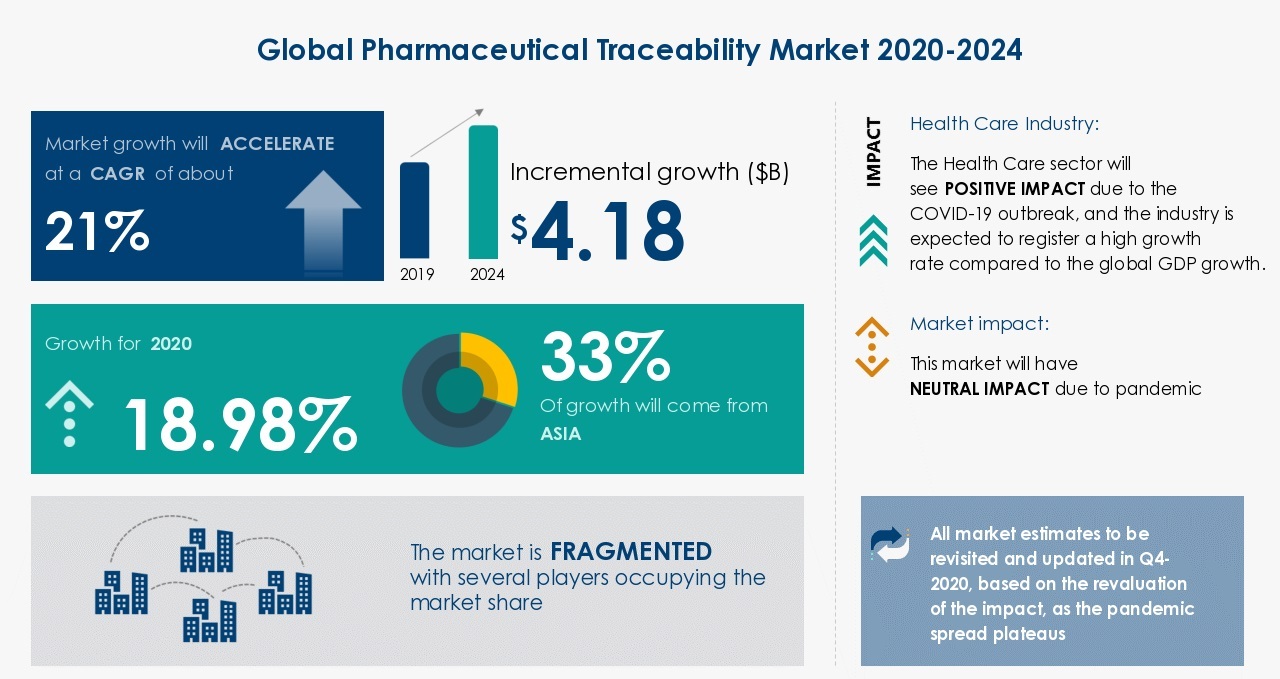
The global pharmaceutical market, valued at USD 454 billion in 2022, is projected to experience substantial growth, soaring to USD 1,467.7 billion by 2032, with an impressive CAGR of 12.5%.
Regional Dynamics
North America's Leadership: As of 2022, North America leads the market, boasting the highest market share.
U.S. Dominance: The U.S. pharmaceutical sector, valued at USD 100.06 billion in 2022, is anticipated to reach USD 323.48 billion by 2032.
Key Market Segments
Drug Development Types: In-house drug development takes precedence, reaffirming the dominance of multi-dose systems.
Route of Administration: Oral drugs lead in revenue, driven by their extensive use and cost-effectiveness.
Formulation Landscape: Tablets emerge as the dominant formulation, favored for their convenience in storage and use.
Therapeutic Focus: Cancer claims the highest share within the therapy segment, fueled by substantial investments in research.
Opportunities
Rising Demand for Personalized Medicine: The surge in personalized medicine presents a significant opportunity, urging manufacturers to adapt processes for customized drug production.
COVID-19 Impact: The pandemic tested the industry, accelerating research, expanding capacities, and highlighting the pharmaceutical sector resilience.
Market Dynamics and Future Outlook
Drivers
Technological Advancements: Enhanced precision, reduced costs, and improved product quality drive market growth.
Rising Demand for Personalized Medicine: The shift towards personalized treatments fuels opportunities for specialized manufacturing processes.
Restraints and Challenges
Complexities in Adoption: Introducing new technologies faces hindrances such as validation needs, compatibility concerns, and the risk of disrupting existing systems.
Supply Chain Disruptions: Global supply chain challenges pose a threat, impacting pharmaceutical manufacturing processes.
Key Market Players In The Pharmaceutical Market
Leading the charge in pharmaceutical manufacturing are key players such as
GlaxoSmithKline plc
Merck & Co.Inc.
Eli Lilly and Company
Johnson & Johnson,
and others. Through extensive research and development, these companies are positioned to shape the industry's future.
Conclusion
As the pharmaceutical manufacturing market navigates complexities and embraces innovation, its role in healthcare remains pivotal. The industry's trajectory, marked by growth, challenges, and opportunities, underscores the critical importance of continuous research, adaptation to new technologies, and a resilient approach to global health challenges.
Read Also:- Health Check for India: Examining the In Vitro Diagnostics Market
FAQs
Q1: What is the projected value of the global pharmaceutical market by 2032?
A1: The global pharmaceutical market is anticipated to reach USD 1,467.7 billion by 2032, with a compound annual growth rate (CAGR) of 12.5%.
Q2: Which region currently leads the pharmaceutical market?
A2: As of 2022, North America leads the pharmaceutical market, boasting the highest market share.
Q3: What are the key trends in pharmaceutical manufacturing?
A3: Key trends include technological advancements driving efficiency, rising demand for personalized medicine, and the impact of COVID-19 on accelerating research and resilience.
Q4: What role does Data Acquisition (DAQ) play in pharmaceutical manufacturing?
A4: DAQ systems play a crucial role in optimizing pharmaceutical manufacturing by enabling real-time monitoring, data analysis, and quality control.
Q5: Who are the key players in the pharmaceutical manufacturing industry? A5: Key players include GlaxoSmithKline plc, Merck & Co., Inc., Eli Lilly and Company, Johnson & Johnson, and others.