
The Long Way North: An Unfinished Hexatrek
Two years earlier, I had stood in Hendaye with an altogether different ambition: to walk the Pyrenean Haute Route. That attempt had ended prematurely, courtesy of heat exhaustion. It wasn't quite the mountain adventure I had planned, and I left with a feeling of unfinished business.
Returning to Hendaye in June 2026, therefore, brought mixed emotions. I was excited to be back, but there was also a degree of apprehension. I knew what the Pyrenees could throw at me, and I was conscious that I would soon be putting my body through another prolonged mountain challenge. I was hoping for a rather better outcome this time.
The ambition behind this new adventure had been brewing for years. My inspiration originally came from an article in Strider, the magazine of the Long Distance Walkers Association, written by the late Chris Dawes about the Pacific Crest Trail in the United States. It planted a seed that remained with me for years. The prospect of walking thousands of kilometres through changing landscapes, carrying everything needed to live on the trail, had enormous appeal.
For various reasons, my long-held ambition to walk the PCT would not become reality. Rather than abandon the idea of a major through-hike, I turned my attention to the outstanding long-distance trails closer to home. Europe has an extraordinary network of walking routes, and the Hexatrek offered an opportunity to undertake something on a truly ambitious scale.
At 3,034 kilometres, linking Hendaye on the Atlantic coast with Wissembourg near the German border, it promised exactly the sort of adventure I had been looking for. I wasn't interested in completing a few attractive sections or sampling the highlights. I wanted to walk the whole thing.
On 8 June 2026, I set off northbound. There was a practical reason for choosing this direction: by the time I reached Carcassonne, I wanted the sun behind me for much of the day. I have never been particularly fond of walking directly into the sun, and there seemed little point in making an already demanding undertaking unnecessarily uncomfortable.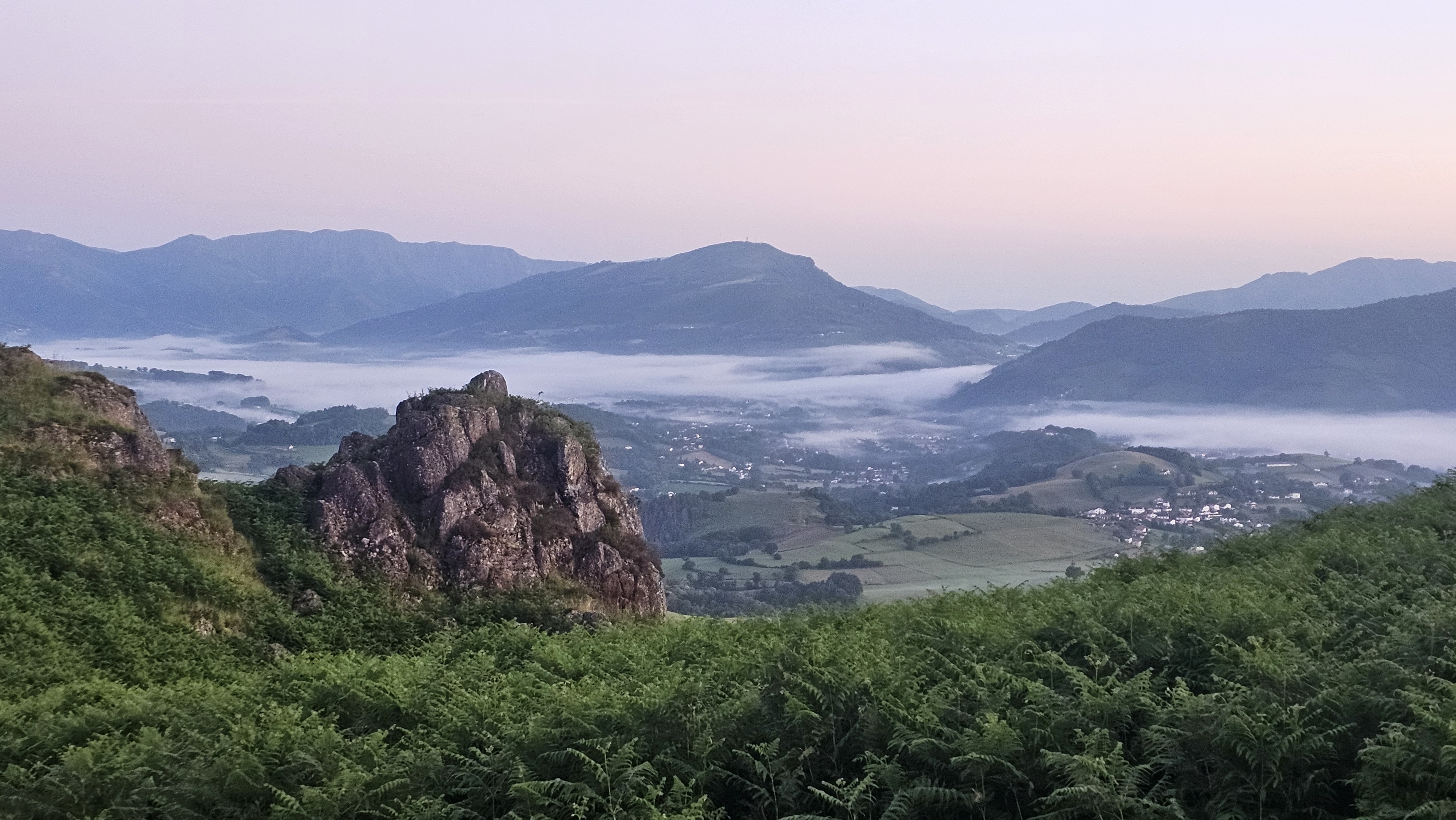 There was, however, a more significant consideration. Walking northbound meant tackling two of the most demanding sections of the route almost immediately, with little opportunity to build up gradually to the daily climbing required. I knew that consecutive days involving around 25 kilometres of walking and 2,000 metres of ascent would place considerable demands on my body.
I had also given considerable thought to the length of time I would be away from home. An undertaking of this scale inevitably involves time away from family, and without Gill's wholehearted support, I suspect the mental challenge of being absent for so long would have been considerably greater. I was fortunate to have that support.
Into the Pyrenees
My first day began with a mixture of relief and uncertainty. I was pleased to be back in Hendaye, but I wondered how I would cope with the physical demands ahead. In the event, I walked 18 miles and performed far better than I had anticipated. By the end of that first day, most of my reservations had disappeared. It was a rather reassuring start, particularly given my previous experience in the area.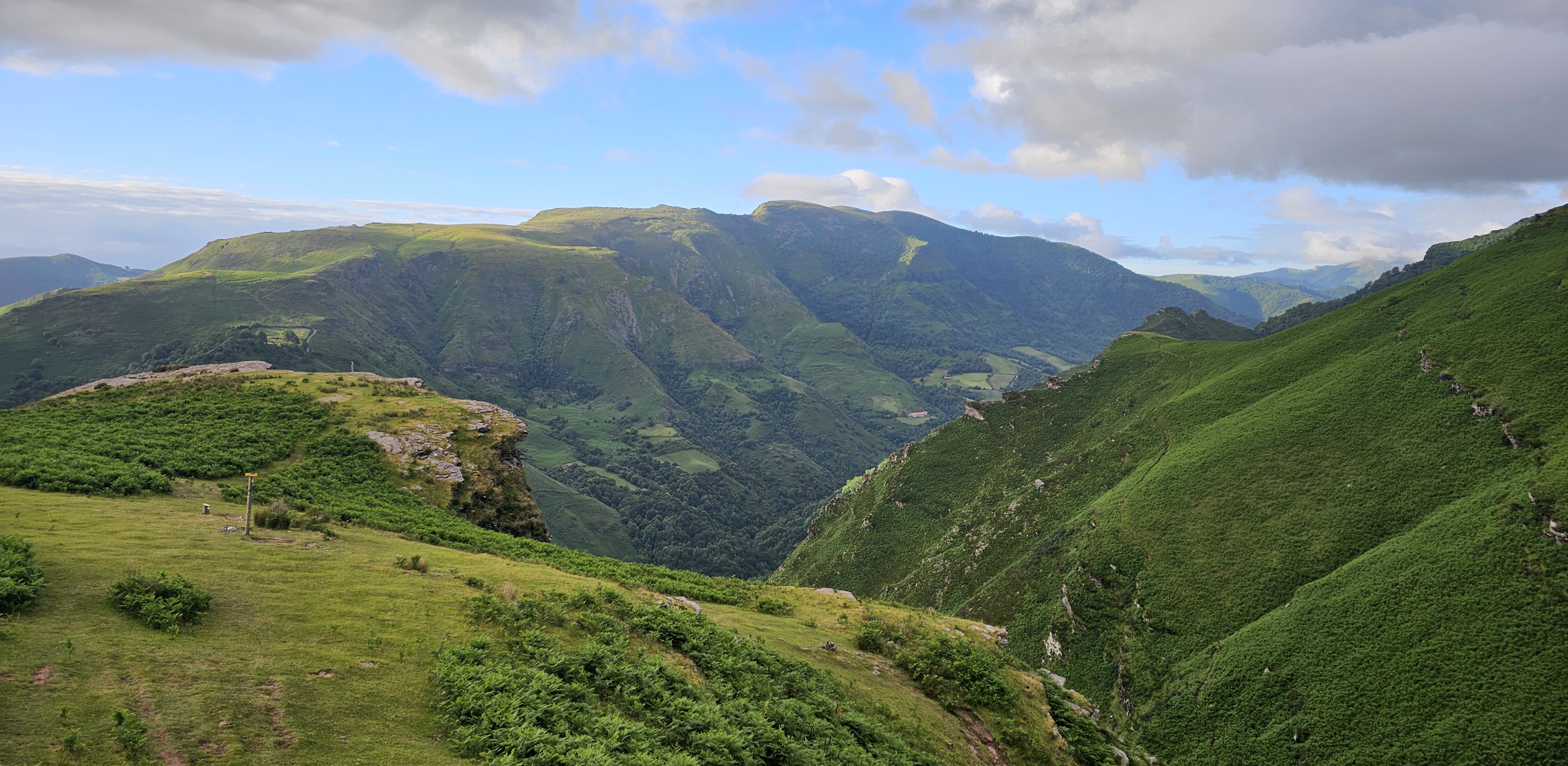 Having previously walked through the Basque Country on the GR11, the early stages felt familiar. I quickly settled into a rhythm, and the enormity of the undertaking began to feel less daunting.
The first unexpected development was the companionship that would become part of the journey. At the end of day one, while looking for somewhere suitable to pitch my tent, I noticed Mathieu camping nearby. We exchanged greetings and crossed paths again the following day. On day three, we met once more at a campsite, where I also properly met Mathou, whom I had spotted earlier on a mountain summit.
Neither friendship had been planned. They developed in the way that friendships often do on long-distance trails: through shared experiences, repeated encounters and the simple pleasure of recognising familiar faces at the end of another demanding day.
The scenery became increasingly impressive as the route entered the heart of the Pyrenees. It is difficult to surpass the dramatic granite buttresses and enormous mountain walls around the Pyrenees National Park, particularly in the vicinity of Vignemale and later Gavarnie.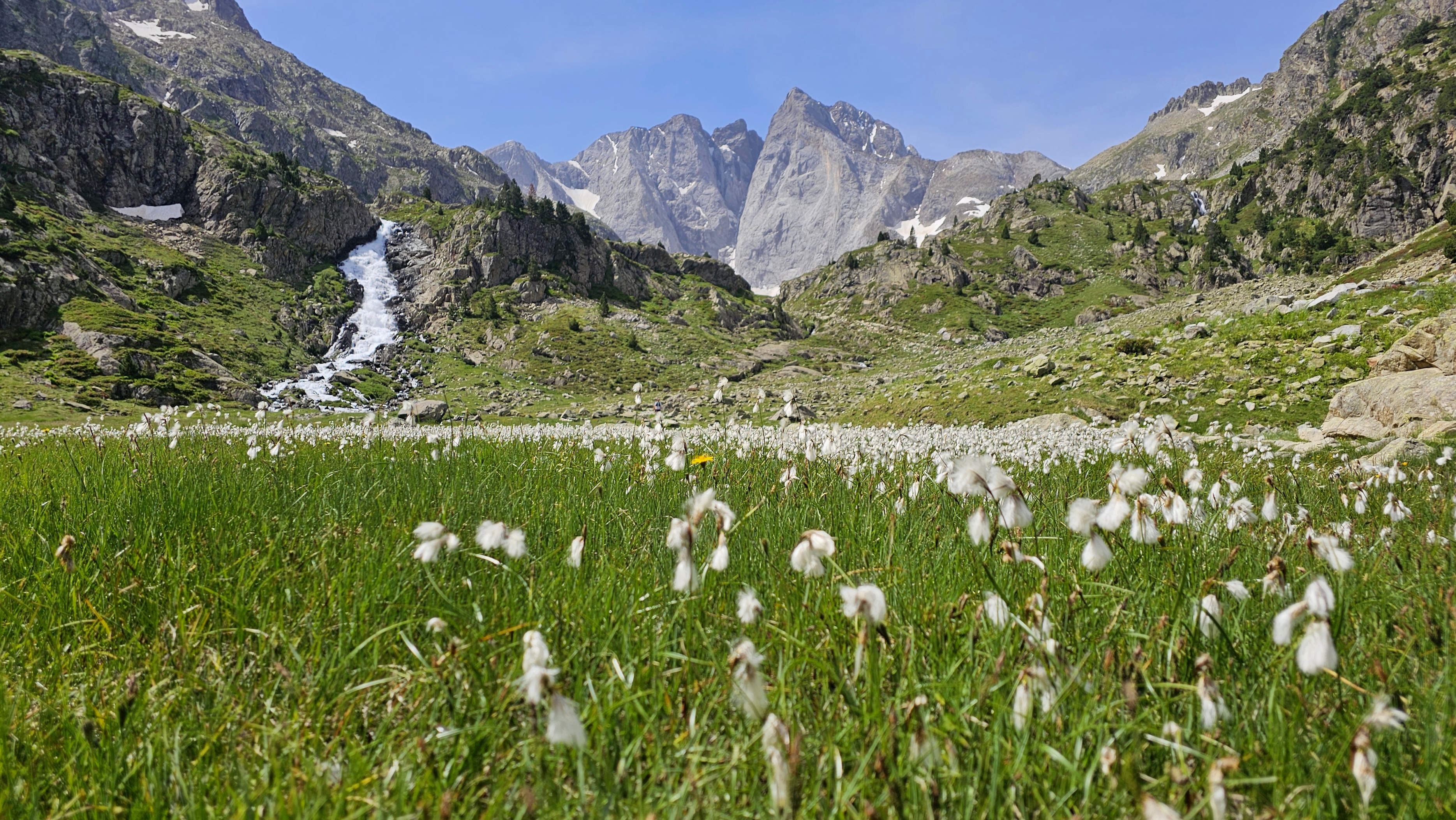 One day in particular remains vivid.
Having camped beside the Gave de Marcadau on day eleven, I set off the following morning along a beautiful Alpine valley, passing pine forests and open meadows before climbing towards Lac de Gaube, one of the most picturesque lakes in the Pyrenees.
The lake is deservedly popular, but beyond it the crowds gradually disappeared. The path climbed towards a magnificent cirque, with Vignemale dominating the horizon ahead. It was a wonderful mountain setting, and one that reminded me why I had chosen this particular adventure.
The walking became considerably more serious as I climbed towards the col leading to Petit Vignemale. Snowfields lay across the route, with considerable exposure into the valley below. The close-up views of Vignemale were magnificent, but the terrain demanded concentration.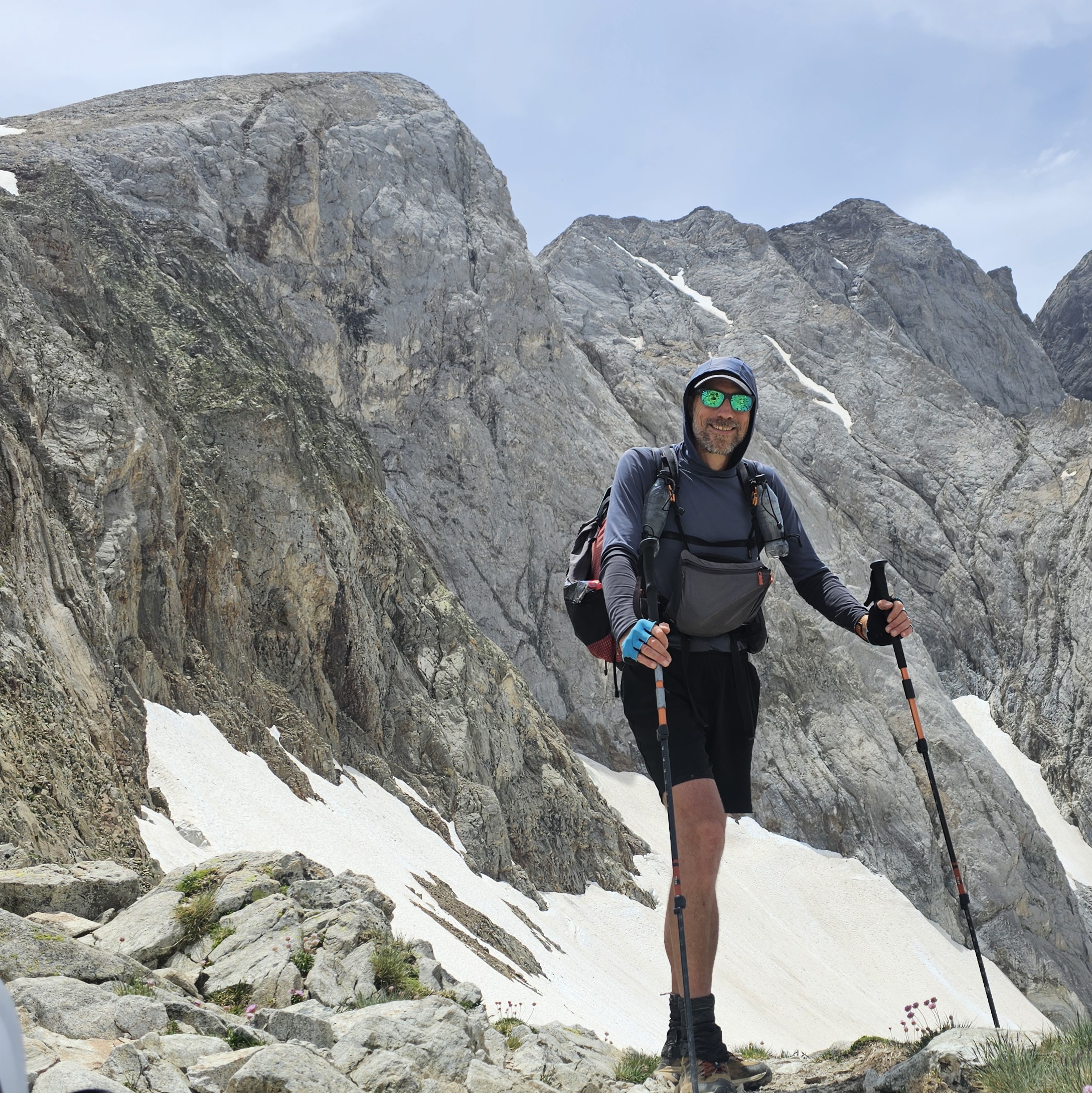 After reaching the col, I descended via Refuge Bayssellance and continued down through several more snowfields. Along the way, I spotted herds of izard moving across the mountain slopes before eventually reaching Lac d'Ossoue, where I pitched my tent beside the water.
It had been a day that encapsulated so much of what makes mountain backpacking rewarding: beautiful landscapes, challenging terrain, a sense of isolation and the satisfaction of finding a suitable place to spend the night.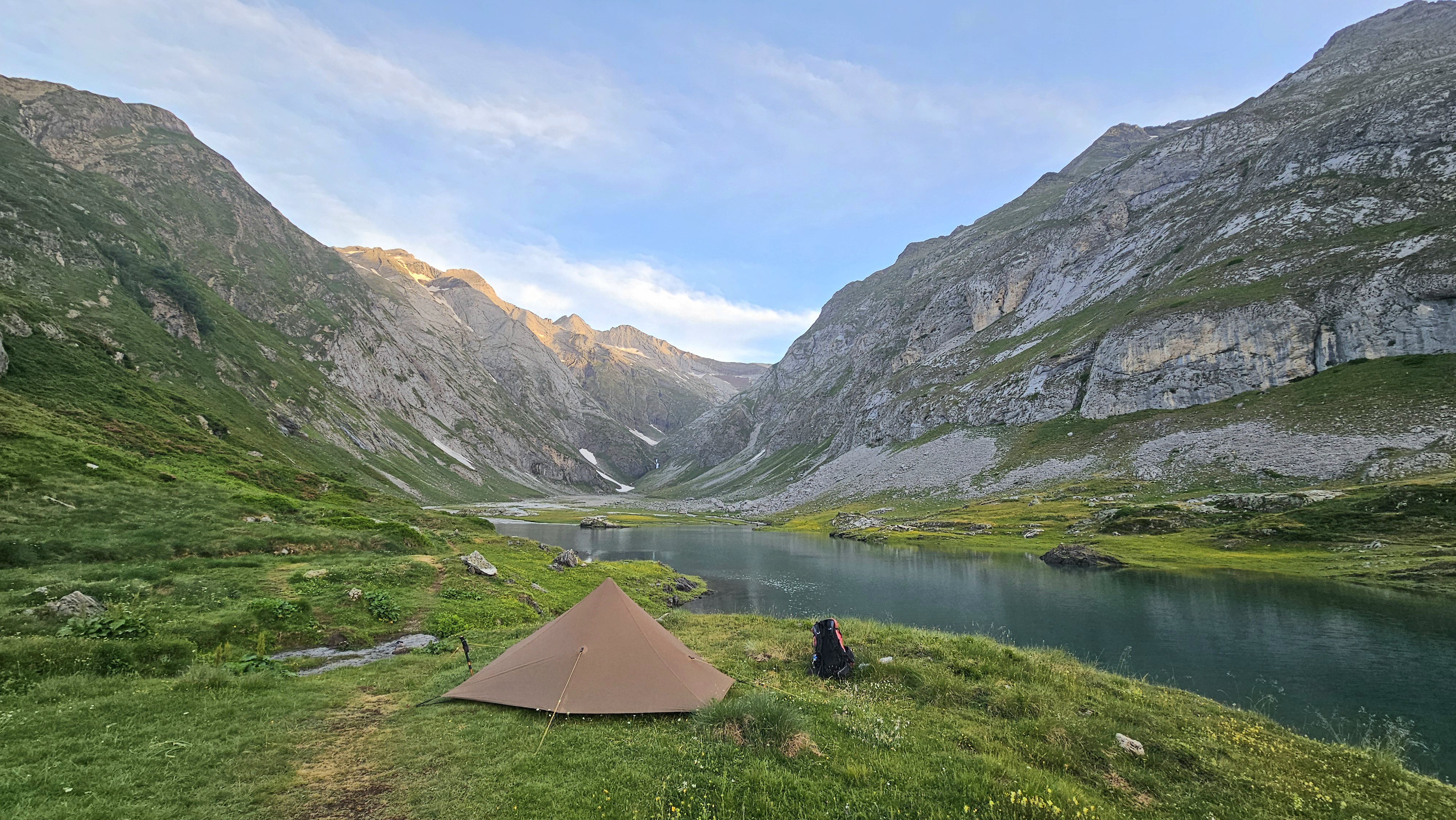 Not every decision on the trail, however, was about reaching the next summit.
Although I followed the official Hexatrek route throughout, I had hoped to incorporate one of its variants following the Haute Route Pyrénéenne (HRP). That ambition came to an end after an encounter with late-season snow while climbing from Refuge Respomuso towards the Gave de Marcadau.
The valley became progressively narrower and increasingly snowbound. Around 200 metres short of the col, the route passed high above a small frozen lake. Previous walkers had left a track across the snow, but they had been equipped with crampons and ice axes. The exposed nature of the traverse meant that a slip could have had serious consequences.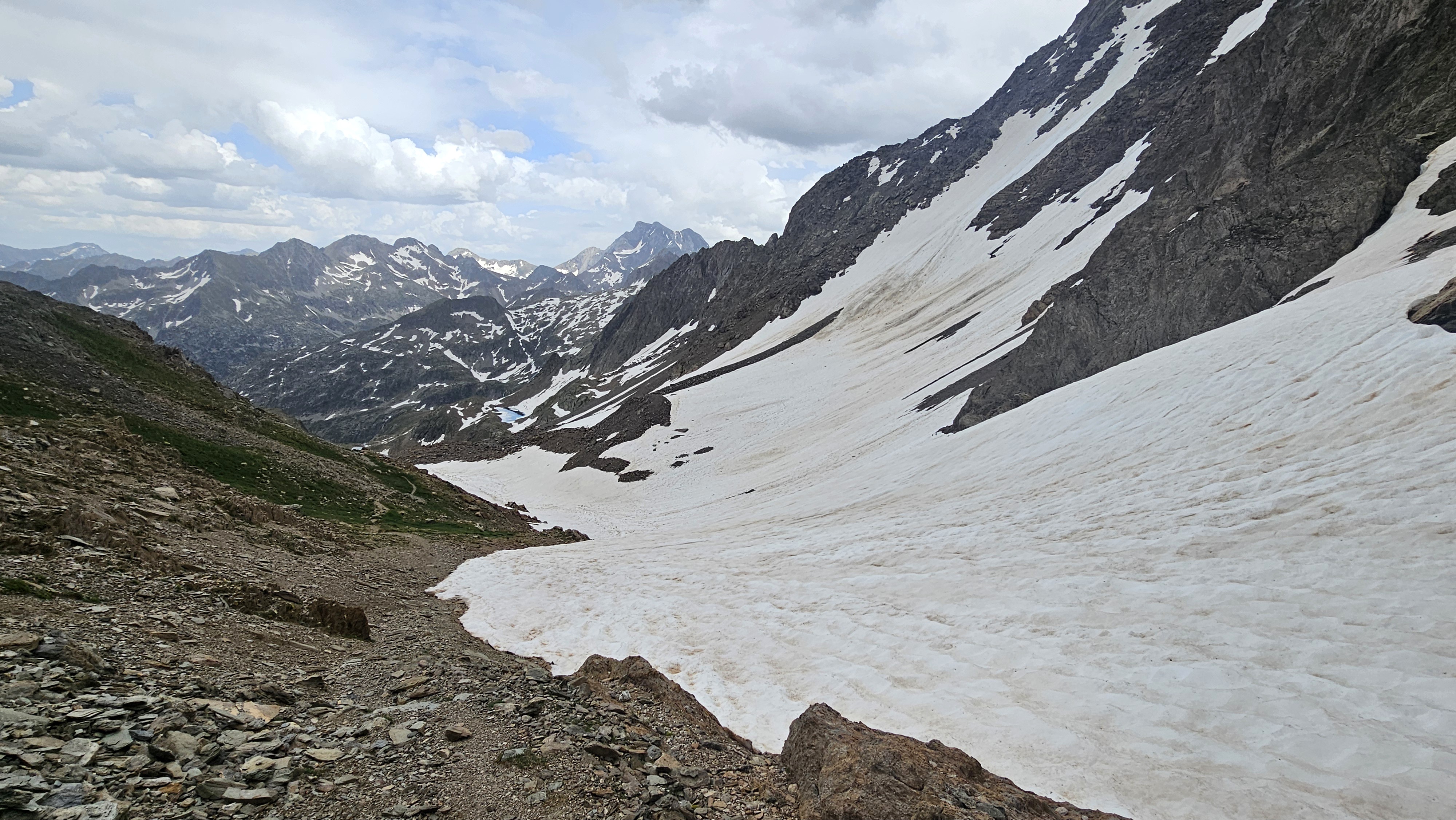 I spotted an alternative line up loose scree beside the deep snowfields and managed to scramble to the top. The descent beyond the col looked considerably easier, but my mind was made up. Without the appropriate winter equipment, continuing with the HRP variant was not a risk I was prepared to take.
It was disappointing to abandon something I had wanted to experience, but mountain judgement is an important part of long-distance walking. There is little to be gained by allowing ambition to override common sense.
The physical reality
I had anticipated the daily distances and elevation gain, but experiencing them consecutively was another matter.
Most days I felt good, and I was surprised by how well I could climb. On occasions, I experienced remarkable bursts of energy. The ascent to Refuge de Juclar was one example: I felt exceptionally strong and climbed with real enthusiasm.
Yet the following day, despite eating well at the refuge, my energy levels had dropped again. It was an unpredictable pattern, almost like a yo-yo. I could feel strong one day and struggle to find the same energy the next.
Food became an increasingly important consideration. I was eating substantial quantities, but I simply wasn't replacing the calories I was burning. Resupply was sometimes difficult in the smaller villages, where the available options were limited. I tried to concentrate on calorie-dense foods, but I hadn't quite got the balance right.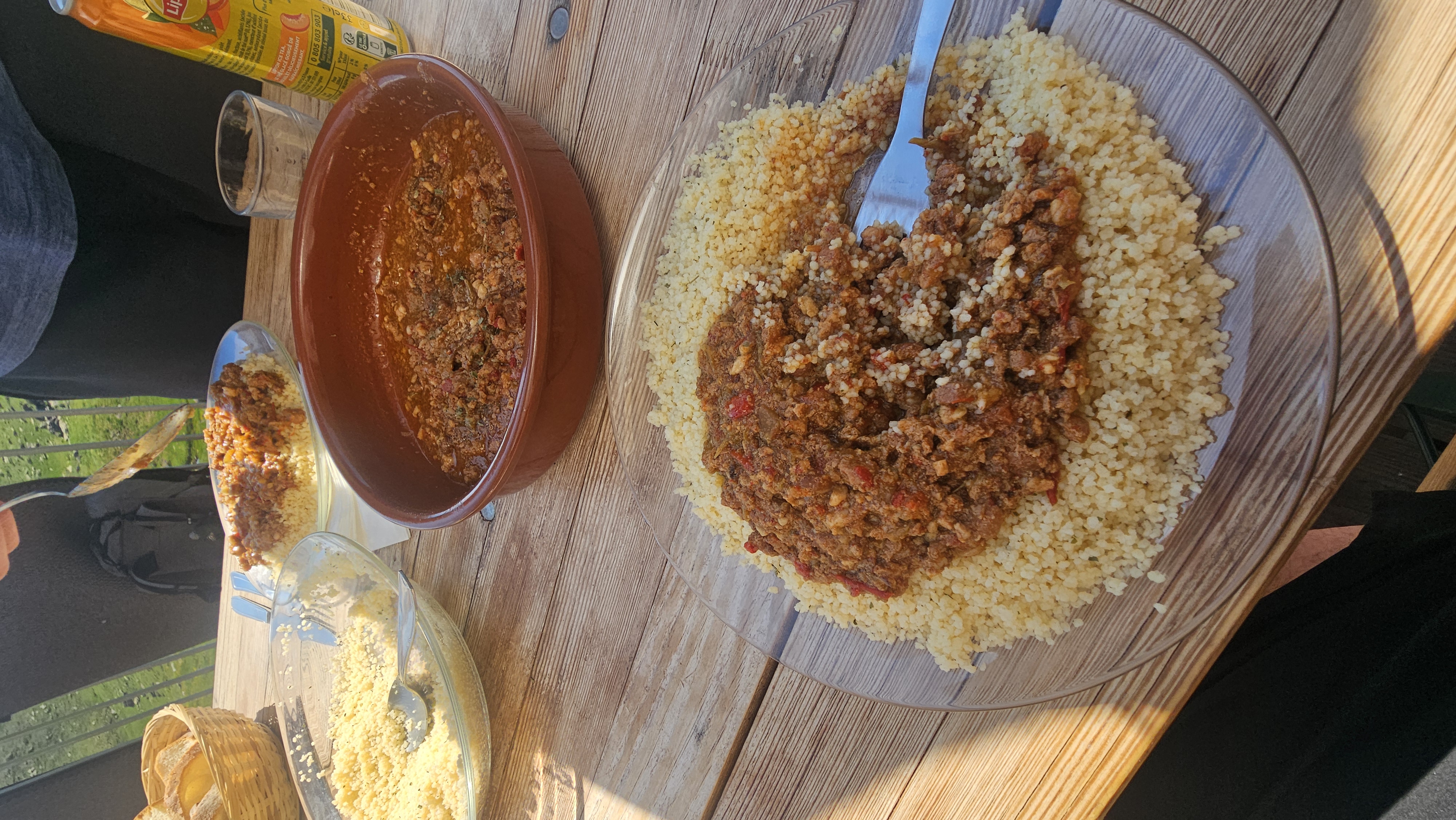 The major resupply at Luchon was particularly challenging because I needed to carry provisions for ten days. In hindsight, I didn't take enough food.
By the time I returned home, I had lost approximately ten pounds. It was a lesson that I would take forward into the next stages: when undertaking this level of sustained physical activity, calorie density matters enormously. Saving a little weight in your food bag is a false economy if you don't have enough fuel to keep going.
The mountains were undoubtedly the greater challenge on this occasion, although the heat provided another obstacle. I had been concerned about the possibility of a heatwave before setting off, and those concerns were eventually realised.
The worst conditions arrived as I descended towards Luchon. Beginning around Saint-Saveur, the heat persisted for at least a week, with temperatures in the valleys reaching the 40s. Interestingly, I was much less affected higher in the mountains. It was when descending into the lower valleys that the heat became oppressive.
The climb out of Luchon in particularly extreme temperatures was memorable for all the wrong reasons. By then, however, I was reasonably well acclimatised and able to manage the conditions. It was a reminder that the mountains and valleys can offer very different challenges, sometimes within the space of a single day.
An unexpected pause
After 29 consecutive days of walking from Hendaye, I reached L'Hospitalet-près-l'Andorre.
It was a mixture of relief and frustration. I had covered a considerable distance, negotiated some demanding mountain terrain and experienced much of what I had set out to find. But I was also conscious that the journey was far from complete.
There was, however, a very good reason to return home. My grandson was to be born, and I was not going to miss the opportunity to meet him.
Had he not arrived, I would almost certainly have continued walking until the Hexatrek was complete. That had always been the ambition. But there was another consideration: my body was telling me that I was tired. Even if I had been able to remain in France, I would have needed several days away from the trail to eat properly, rest and recover.
I returned to the UK knowing that this was a pause rather than an ending.
It took several weeks to regain the weight I had lost and feel sufficiently strong to undertake another multi-day backpack. Two months after leaving France, I was ready to return.
Back on the trail
This time I was accompanied by Jason, a friend with whom I have shared more than 20 years of walking adventures. We have walked extensively together, from ordinary day walks to demanding mountaineering days and multi-day backpacking trips. We know each other exceptionally well.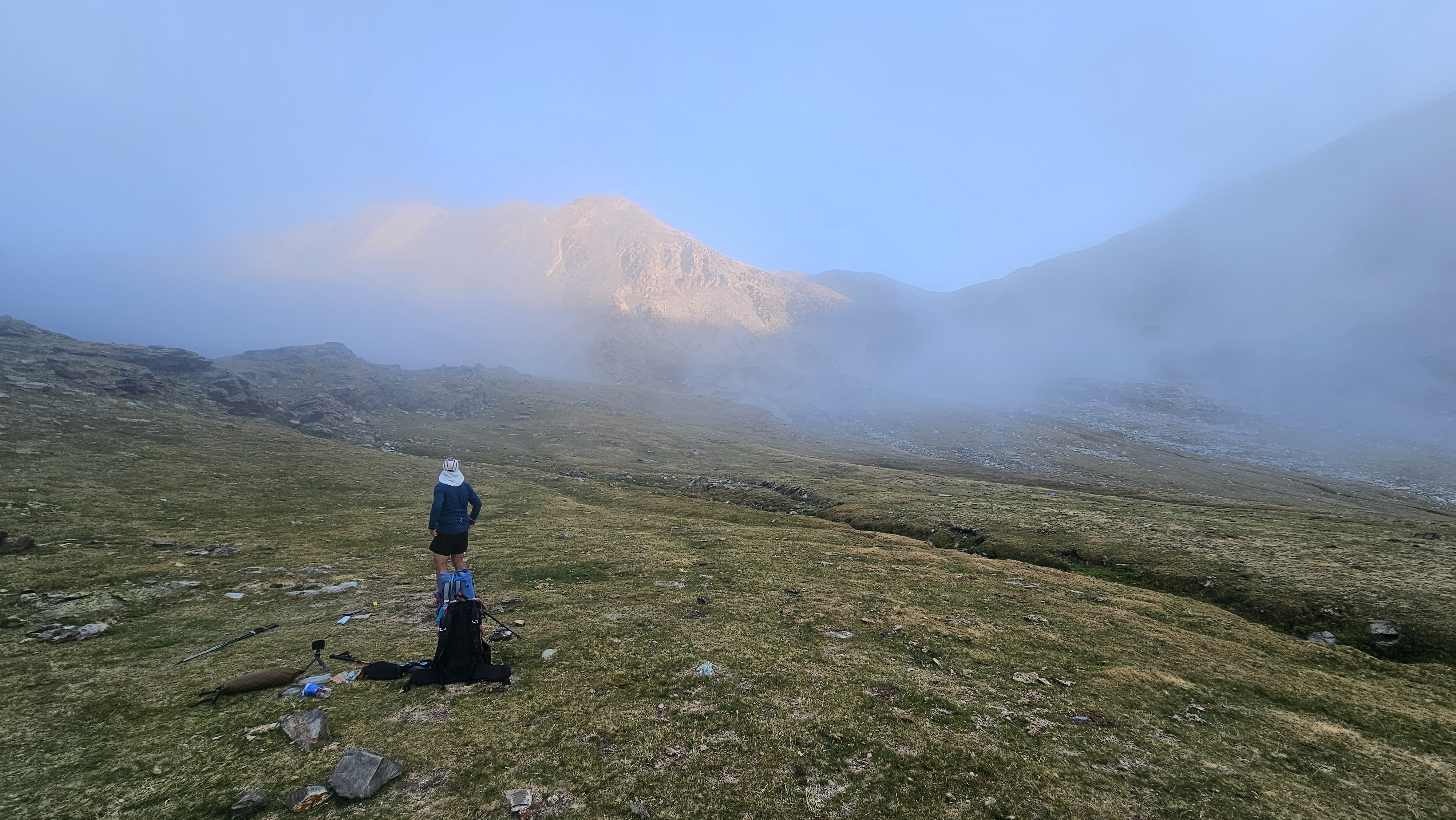 The experience was quite different from the first part of the journey. With Mathieu and Mathou, companionship had developed naturally on the trail. With Jason, I was walking with someone who already knew how I walked, how I approached the mountains and what to expect from me. There was no need for introductions or the usual getting-to-know-you conversations.
We continued eastwards from L'Hospitalet, with the scenery remaining Alpine in character for another five days.
One of the highlights was the ascent of Pic de Canigou. This was a proper mountain scramble, with enough exposure to demand concentration and keep the mind firmly focused on the terrain. I reached the summit to find myself completely alone. The views were outstanding, and having such a magnificent mountain to myself made the experience particularly special.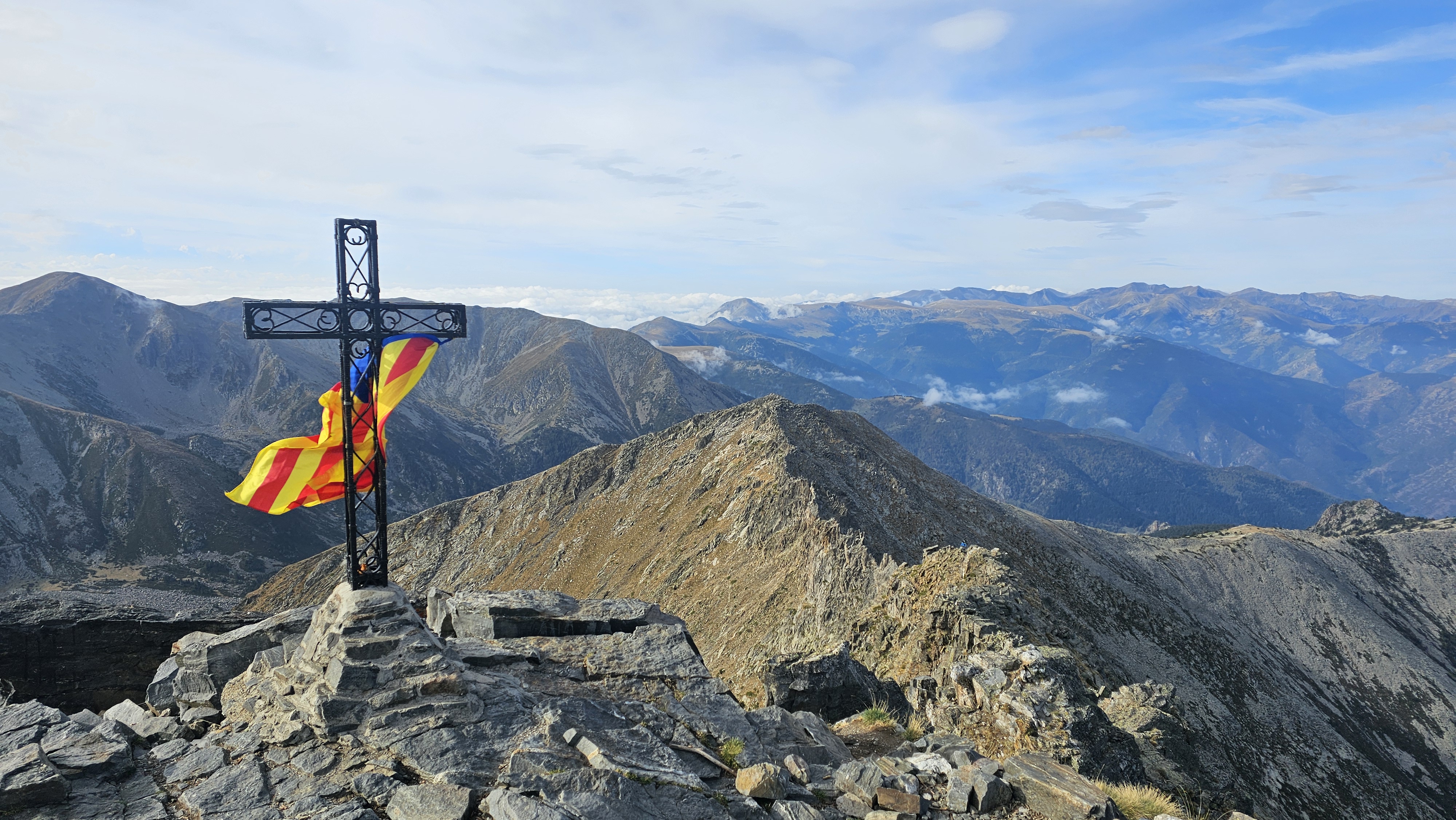 The descent that followed was the biggest I have ever undertaken. It marked a dramatic change in the character of the journey.
Leaving the high mountains behind, the route eventually joined the GR36 and began to wind through rolling woodland, with occasional limestone outcrops breaking through the landscape. The scenery was no longer Alpine, and the temperatures were noticeably warmer, but it was beautiful in its own way.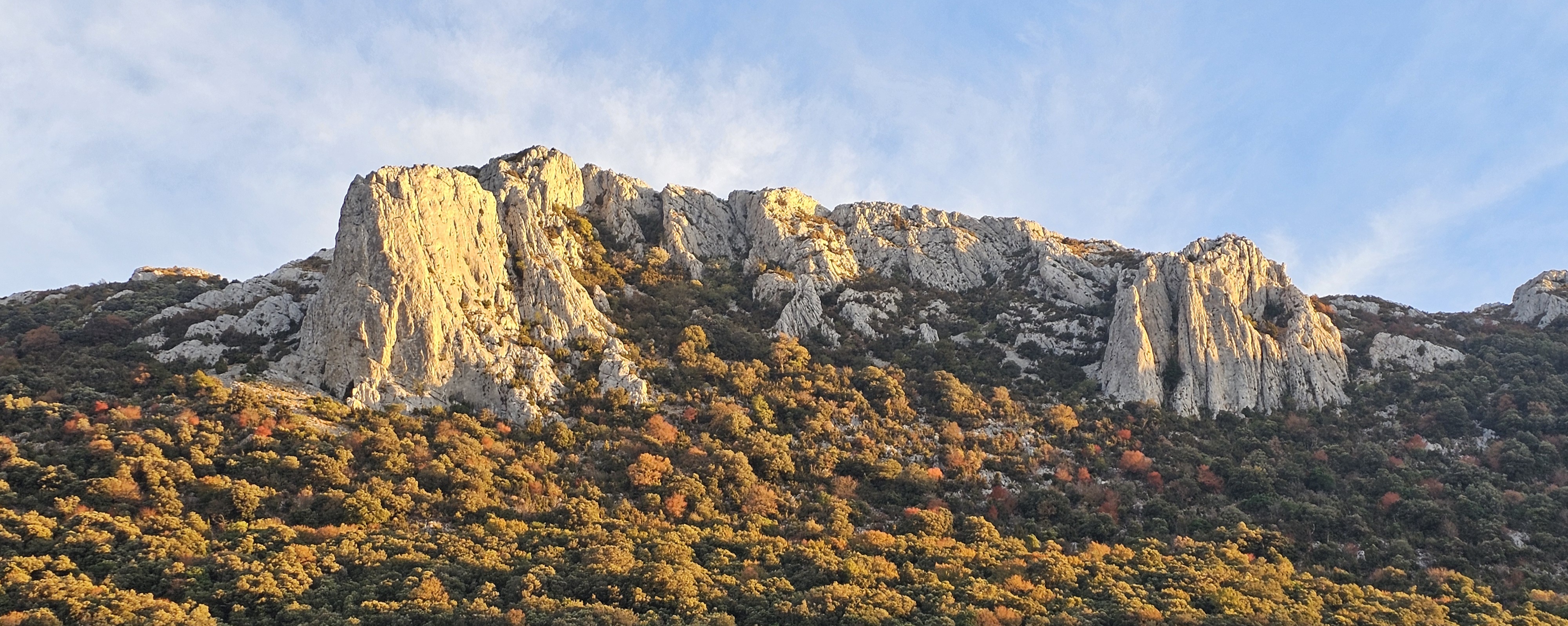 It was a reminder that a long-distance trail should not be judged solely by its highest mountains or most dramatic viewpoints. The changing landscapes, quieter paths and less obvious highlights are all part of the experience.
Carcassonne: a full stop, not a finish
Reaching Carcassonne was immensely satisfying. I was relieved to have arrived, not least because continuing beyond this point would have created logistical complications.
More importantly, I knew that Carcassonne represented a natural stopping point for my 2026 adventure. I had completed the sections I had set out to walk that year, including Hexatrek's Stages 5 and 6, and could return home content that considerable progress had been made.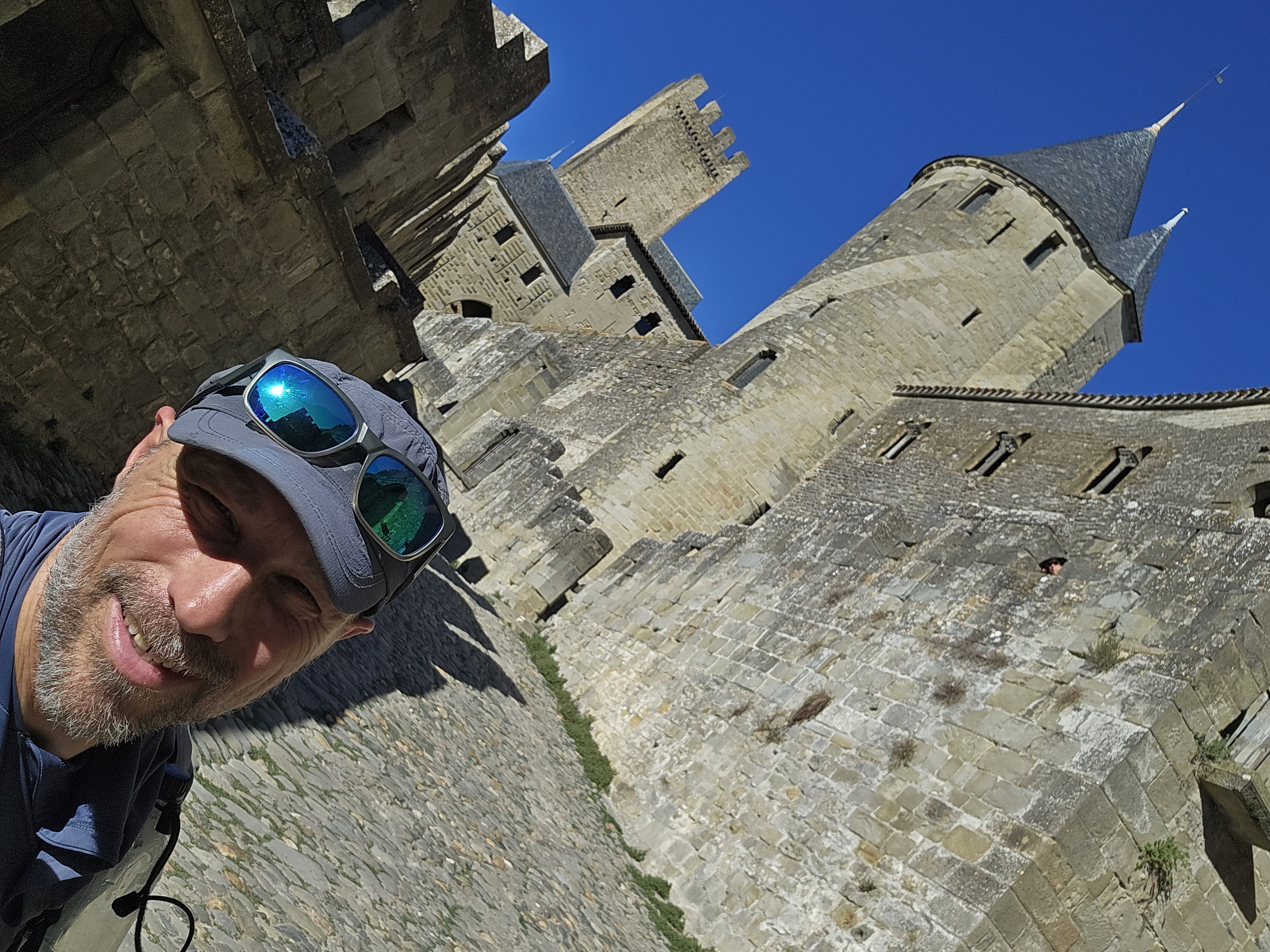 But I was not finished.
There are still many kilometres between Carcassonne and Wissembourg, and the ambition to walk all 3,034 kilometres remains firmly intact. My flight back to France is already booked for July 2027, when I intend to continue northwards, picking up the trail where I left it.
The Pacific Crest Trail may have been the original inspiration, but Europe has provided an adventure worthy of the ambition. The Pyrenees have tested me, the trail has introduced me to new friends, and the experience has reinforced why I continue to seek out these long-distance journeys.
Two years ago, I left Hendaye having been forced to abandon an earlier mountain adventure. This time I have made it much further, although the journey is still unfinished. I have learned a great deal about the demands of through-hiking, the importance of getting the basics right and, occasionally, the wisdom of listening to what your body is telling you.
For now, Carcassonne is my full stop.
In July 2027, I'll be back. There are another couple of thousand kilometres of walking to think about, and I suspect the sun will still be in the wrong place occasionally.
Wissembourg awaits......
My entire Hexatrek journey is currently available on YouTube. If you're interested in the scenery of Stages 6 and 5 of Hexatrek why not take a look?