

Wound dressing is a crucial aspect of healthcare, particularly in the management of injuries and surgical wounds. Proper wound dressing not only aids in the healing process but also prevents infections and complications. In Dubai, where healthcare standards are high, understanding the fundamentals of wound dressing is essential for both healthcare professionals and individuals seeking to manage wounds at home.
Importance of Proper Wound Dressing:
Effective Wound Dressing in Dubai plays a significant role in promoting healing and preventing complications such as infections and scarring. It creates an optimal environment for the body's natural healing mechanisms to work efficiently. Additionally, proper wound dressing helps in managing pain and discomfort associated with wounds, enhancing the overall quality of life during the recovery period.
Types of Wounds Commonly Encountered:
Wounds can vary in severity and etiology, ranging from minor cuts and scrapes to complex surgical incisions and chronic ulcers. Understanding the different types of wounds is essential for determining the most appropriate treatment approach.
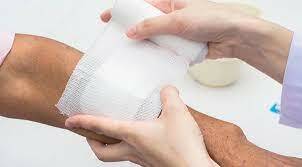
Minor Wounds:
Minor wounds include superficial cuts, abrasions, and punctures that typically heal on their own with minimal intervention. However, proper cleaning and dressing are still essential to prevent infection and promote optimal healing.
Major Wounds:
Major wounds refer to deep lacerations, traumatic injuries, and surgical incisions that require medical attention and specialized wound care techniques. These wounds may involve significant tissue damage and are at higher risk of complications if not managed appropriately.
Chronic Wounds:
Chronic wounds are those that fail to heal within a reasonable timeframe, often persisting for several weeks or even months. Common examples include diabetic ulcers, venous ulcers, and pressure sores. Managing chronic wounds requires a comprehensive approach that addresses underlying health issues and promotes tissue regeneration.
Principles of Wound Dressing:
Several principles guide the process of wound dressing, ensuring optimal outcomes and minimizing the risk of complications.
Cleanliness and Hygiene:
Maintaining cleanliness and hygiene is paramount when dressing wounds to prevent contamination and infection. Thoroughly cleaning the wound and surrounding skin helps remove debris, bacteria, and other contaminants that could impede the healing process.
Selection of Appropriate Dressing Materials:
Choosing the right dressing materials depends on various factors, including the type and severity of the wound, presence of infection, and the individual's skin sensitivity. Common dressing materials include sterile gauze, adhesive strips, hydrocolloids, and alginate dressings, each offering unique benefits based on the specific requirements of the wound.
Promoting Healing:
The primary goal of wound dressing is to create an environment conducive to healing. This involves maintaining optimal moisture levels, protecting the wound from further trauma, and facilitating the body's natural repair processes. Additionally, certain dressings may contain active ingredients or antimicrobial agents to promote tissue regeneration and prevent infections.
Steps for Effective Wound Dressing:
Achieving optimal outcomes with wound dressing requires following a systematic approach that addresses each stage of the process.
Assessment of the Wound:
Before initiating treatment, it's essential to assess the wound thoroughly, considering factors such as size, depth, presence of foreign objects, and signs of infection. This assessment helps determine the most appropriate course of action and select suitable dressing materials.
Cleaning the Wound:
Cleaning the wound involves gently irrigating it with a sterile saline solution or mild antiseptic to remove debris, bacteria, and dead tissue. This step is crucial for preventing infections and promoting optimal healing.
Application of Dressing:
Once the wound is clean and dry, the appropriate dressing material is applied to cover the wound and absorb any exudate. The dressing should be snug but not too tight to allow adequate circulation and promote healing.
Monitoring and Changing the Dressing:
Regular monitoring of the wound is essential to assess healing progress, detect any signs of infection or complications, and determine the need for dressing changes. Depending on the type of wound and dressing used, dressing changes may be required daily, every few days, or as directed by a Home Health Care in Dubai professional.
Common Types of Wound Dressings:
Various types of wound dressings are available, each with unique properties and applications suited to different wound types and stages of healing.
Bandages:
Bandages are versatile dressing materials that provide support, compression, and protection to wounds. They come in various forms, including elastic bandages, conforming bandages, and self-adherent wraps.
Gauze Pads:
Sterile gauze pads are commonly used for covering wounds, absorbing exudate, and promoting healing. They are available in different sizes and can be secured in place with adhesive tape or bandages.
Adhesive Strips:
Adhesive strips, also known as adhesive bandages or plasters, are convenient for minor cuts and scrapes. They feature an adhesive backing and a non-adherent pad that covers the wound.
Hydrocolloid Dressings:
Hydrocolloid dressings are highly absorbent and create a moist environment conducive to healing. They are particularly effective for wounds with moderate exudate and help promote granulation tissue formation.
Alginate Dressings:
Alginate dressings are derived from seaweed and are highly absorbent, making them suitable for managing wounds with heavy exudate. They conform to the wound bed and facilitate autolytic debridement.
Wound Dressing Techniques for Specific Wounds:
Different types of wounds require specific dressing techniques to optimize healing and minimize complications.
Burn Wounds:
Burn wounds require specialized care to minimize pain, prevent infections, and promote tissue regeneration. Treatment may involve applying non-adherent dressings, topical ointments, and, in severe cases, surgical interventions such as skin grafts.
Surgical Wounds:
Proper wound care following surgical procedures is essential for preventing infections and promoting optimal healing. This may include applying sterile dressings, keeping the incision site clean and dry, and following post-operative instructions provided by the healthcare provider.
Pressure Ulcers:
Pressure ulcers, also known as bedsores, occur due to prolonged pressure on the skin, leading to tissue damage and breakdown. Managing pressure ulcers involves relieving pressure.