

Tube feeding, also known as enteral nutrition, is a method of delivering nutrition directly into the stomach or intestines through a tube. This procedure becomes necessary when individuals are unable to consume food orally due to various medical conditions or swallowing difficulties. In Dubai, many individuals require tube feeding at home for sustained nutritional support and management of their health conditions.
Introduction to Tube Feeding
What is tube feeding?
Tube Feeding at Home in Dubai involves the administration of liquid nutrition directly into the gastrointestinal tract through a tube. It bypasses the oral route and delivers nutrients directly into the stomach or intestines.
Why is tube feeding necessary?
Tube feeding may be necessary for individuals who have difficulty swallowing, suffer from chronic illnesses, or are unable to consume adequate nutrition orally due to medical conditions such as neurological disorders, cancer, or gastrointestinal disorders.
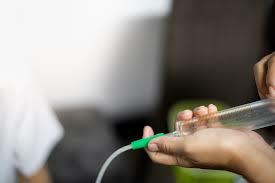
Types of Tube Feeding
There are several types of tubes used for enteral nutrition, including:
Nasogastric tube (NG tube)
An NG tube is inserted through the nose and down the esophagus into the stomach.
Gastrostomy tube (G-tube)
A G-tube is surgically inserted through the abdomen directly into the stomach.
Jejunostomy tube (J-tube)
A J-tube is inserted through the abdomen into the jejunum, bypassing the stomach and delivering nutrition directly into the small intestine.
Preparation for Tube Feeding at Home:
Before initiating tube feeding at home, it is essential to consult with healthcare professionals, including doctors, dietitians, and nurses. They will assess the patient's nutritional needs, determine the appropriate type of tube, and provide guidance on equipment and supplies needed for home tube feeding.
Administering Tube Feeding:
Proper technique is crucial when administering tube feeding to ensure the safety and well-being of the patient. The method of administration varies depending on the type of tube and formula used. Home Health Care in Dubai providers will train patients and caregivers on how to administer tube feeding correctly, including monitoring and troubleshooting common issues.
Safety Measures and Hygiene Practices:
Maintaining cleanliness of equipment and surroundings is essential to prevent infections and complications associated with tube feeding. Proper hygiene practices should be followed during tube feeding procedures, including handwashing, sterilization of equipment, and proper storage of formula.
Nutritional Requirements and Formula Selection:
Understanding the patient's nutritional needs is critical for selecting the appropriate formula for tube feeding. Healthcare providers will assess the patient's caloric and nutrient requirements and recommend a formula that meets their specific needs, such as standard polymeric formula, high-protein formula, or specialized formula for specific medical conditions.
Monitoring and Adjusting Feeding Regimen:
Regular monitoring of the patient's weight, nutritional status, and tolerance to tube feeding is essential for optimizing their feeding regimen. Healthcare providers will monitor the patient's progress and make adjustments to the feeding schedule and formula as needed to ensure adequate nutrition and prevent complications.
Managing Potential Complications:
Despite proper care and monitoring, complications may arise during tube feeding at home. Common complications include tube dislodgement, blockage, infection, and aspiration. Patients and caregivers should be aware of the signs and symptoms of these complications and know when to seek medical help.
Psychological and Emotional Support:
Coping with tube feeding at home can be challenging for patients and their caregivers. It is essential to seek psychological and emotional support from family, friends, and healthcare professionals to cope with the physical and emotional demands of tube feeding and maintain a positive outlook on life.
Lifestyle Considerations:
Individuals receiving tube feeding at home can continue to engage in normal activities and socialize with friends and family. With proper planning and preparation, they can also travel with their tube feeding equipment and supplies, ensuring uninterrupted nutritional support wherever they go.
Financial Considerations and Insurance Coverage:
The cost of tube feeding at home can vary depending on the type of tube, formula, and frequency of administration. Patients and caregivers should explore insurance coverage and financial assistance options available to them to alleviate the financial burden associated with home tube feeding.
Resources and Support Services in Dubai:
Dubai offers a range of resources and support services for individuals requiring tube feeding at home. Local organizations and support groups provide valuable information, resources, and assistance to patients and caregivers navigating the challenges of home tube feeding.
Success Stories and Testimonials:
Many individuals in Dubai have successfully managed their health conditions with tube feeding at home. Their stories serve as inspiration to others facing similar challenges and highlight the importance of proper nutrition and support in maintaining health and well-being.
Conclusion!
Tube feeding at home in Dubai provides a lifeline for individuals who are unable to consume food orally due to medical conditions or swallowing difficulties. With proper preparation, monitoring, and support, patients can thrive on tube feeding and enjoy a better quality of life.
FAQs
What are the common reasons for tube feeding at home?
Tube feeding at home is commonly required for individuals who have difficulty swallowing due to medical conditions such as neurological disorders (e.g., stroke, Parkinson's disease), cancer of the head or neck, gastrointestinal disorders (e.g., dysphagia, gastroesophageal reflux disease), or prolonged illness that affects their ability to eat and drink normally.
Can tube feeding be temporary or long-term?
Tube feeding can be either temporary or long-term, depending on the underlying medical condition and the patient's ability to resume oral intake. Some patients may require tube feeding temporarily to recover from surgery or illness, while others may need long-term or permanent tube feeding if they have chronic conditions that affect their ability to swallow or digest food.
How often should tube feeding be administered?
The frequency of tube feeding depends on the patient's nutritional needs, medical condition, and tolerance to feeding. In general, tube feeding may be administered continuously over a 24-hour period or intermittently throughout the day, with the frequency and duration of feeding sessions determined by healthcare providers based on the patient's individual needs.