
Introduce yourself; who are you and what types of books do you write?
I’m Frances Boyle, a prairie-raised, Ottawa-based author of both fiction and poetry. I’ve long been active in the literary community, having spent ten years as part of the team that puts out Arc Poetry Magazine, and am currently on the executives of both The League of Canadian Poets and Verse Ottawa, which runs VERSeFest, Ottawa’s international poetry festival. My books include three poetry collections, a novella, and a short story collection. Skin Hunger, published by Guernica Editions, is my debut novel, and I’m excited to be reading from it at the St. Lawrence Writers Festival.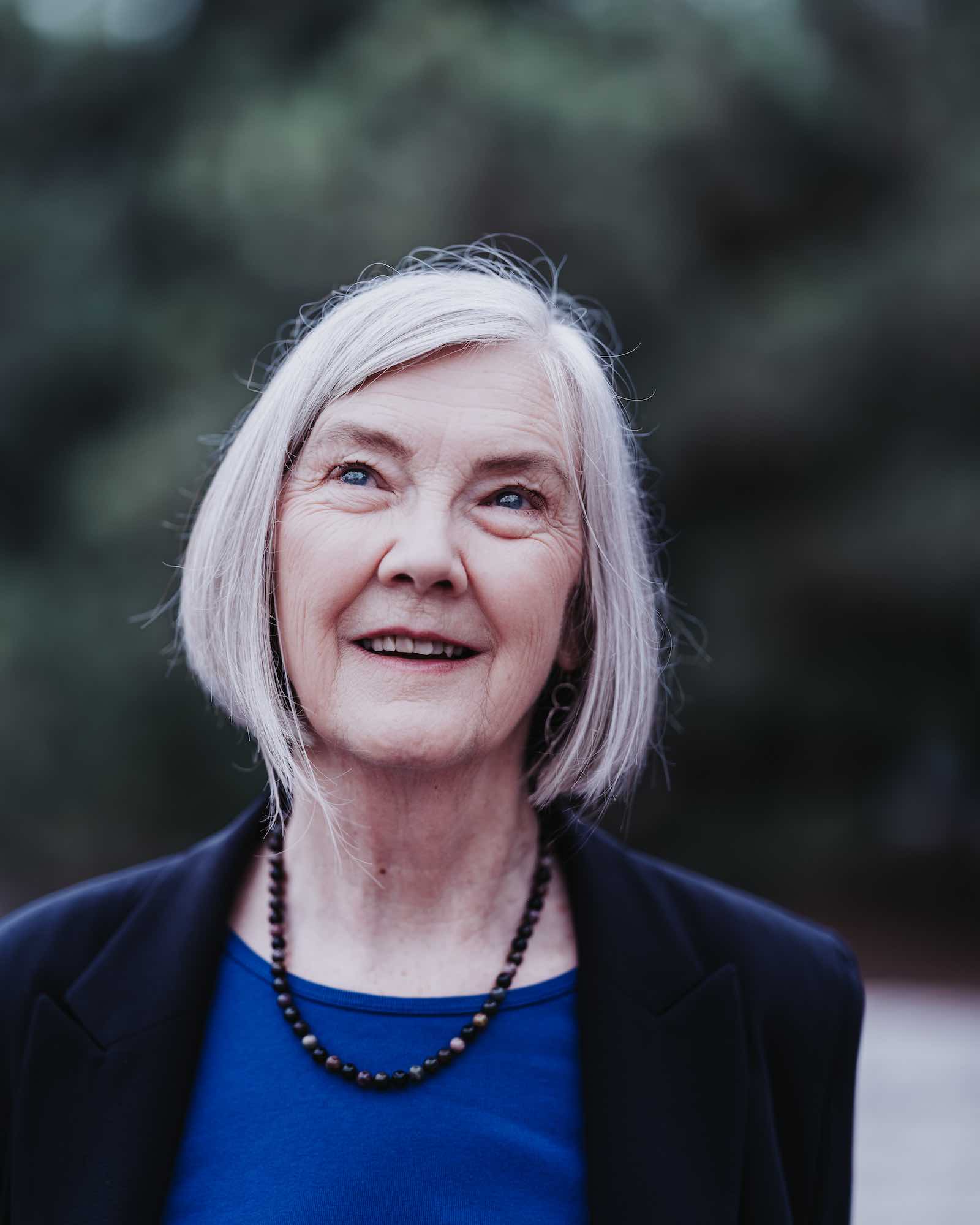 What are your books about?
Unsurprisingly, given the range of genres I write in, I address a variety of different themes and topics in my books. Women’s lives and challenges (fictional or based on my own and family stories, often filtered through myth and history) tend to be central but I’m also attracted to nature writing, ghostly undercurrents and speculative work. My childhood home in Regina has often been the subject matter for poems, and will be expressly so in my new chapbook, Saskatchewan Power, coming soon from Montreal’s Turret House Press, and my planned poetry collection “Meniscus Blister”.
My new novel, Skin Hunger, focuses on animal rights activism, mental health challenges, and the importance of human touch in nurturing. Its two timelines feature a mother and a daughter: Evie who is institutionalized and loses custody of her daughter following episodes of psychosis, and Rowan who becomes involved in increasingly dangerous animal liberation actions in efforts to forge connections with humans and animals alike. The title is the translation of a Danish term meaning the starvation for touch that isolated people experience.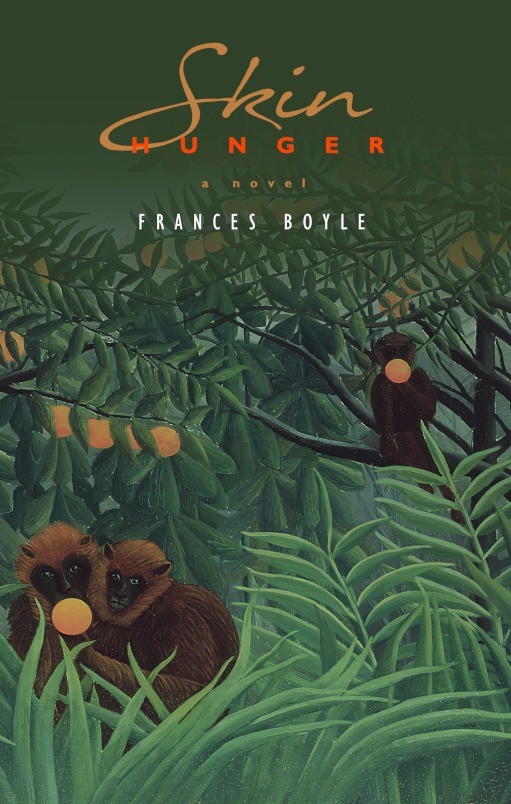 What was the inspiration behind writing your first book?
Light-carved Passages, published by BuschekBooks in 2014, was a collection shaped from among all the poems I’d written in the preceding years, so the inspiration really came in selecting the poems and organizing the book. I worked on it with a wonderful mentor, Barry Dempster, through the Banff Centre Wired Writing program, and his input was incredibly valuable. Various iterations and orderings of the manuscript under several different working titles only really coalesced when I realized how frequently the image of car headlights cutting a passage through the night appeared. With that insight, I landed the title, and a major focus of the collection.
What did you learn while writing your second book?
Patience was one of the key things I learned in writing my novella Tower. It began many years ago with a writing course assignment to write a brief sketch from the point of view of a fairy-tale villain. My one-pager in the voice of the Rapunzel witch as a woman with a fierce longing for a child sat in a drawer for ages, eventually resurfacing when I began to write a contemporary version of Rapunzel. “Chicory”, my first published short story was the result, and it retold only the first part of the fairy tale. I slowly wrote other stories, bringing in the points of view of the girl and young woman who was the Rapunzel stand-in, and of the “prince” as a surly wheelchair-user. I had planned a set of linked short stories within a larger collection. But a wise mentor, Isabel Huggan, suggested that I rework them as a novella, which I did. I was delighted when the novella-only press, Fish Gotta Swim Editions, accepted it as their second book. Working through edits with its publishers, Theresa Kiskan and Anik See was also an enlightening experience. Moving from the sketched-out starting point to one then a handful of stories, to a novella manuscript, to a published book took several decades, so patience was essential!
What is the most rewarding part of being an author?
As rewarding as it is to hold a published book in my hand and to see it on bookshelves, the most meaningful part of being an author for me is the awareness that people have actually read and responded to my work, especially if it has meant something to them. In a time when book reviews are becoming increasingly rare, any engagement by a reviewer is terrific. But when a reader takes the time and trouble to seek out my email and send me a note – that makes everything truly worthwhile
What elements do you think make for a good story?
For me, character is key. I need to be invested in someone who feels real – nuanced and complex – whether or not they are “likeable”. Strong imagery and a plot that either clicks along compellingly or takes lovely loops and detours are also important, but I need to care about the people in the story and their unique responses to the challenges they face.
What is the hardest part of being an author for you?
Focus is hard. I’m retired from my day job but I still find it difficult to stay on a particular piece of writing without being distracted by other fleeting ideas or projects, by emails or my long to-do list, by the stack of laundry or, to be honest, by the constant clamour of the social media machine. I’m better than I used to be, but I’m still given to “polyphasic thinking” aka flitting around without settling.
What is your current writing project?
I have two current projects on the go, which I’m juggling along with readings and promotion for the new novel, and editing the forthcoming chapbook. One is a second story collection with the working title “Turbulence”. It focuses largely on the turbulent waters that women and girls must navigate, in relationships, in friendships, and with family. It also reflects my long-standing interest in the ghostly, the overtly speculative and the weird, with near-future sci-fi, modern-day fairy tales, and ghost stories alongside the realistic stories.
The second is a fourth book of poetry. Its working title is “Meniscus Blister”, and my plan is to organize the collection around two interrelated themes: water, in its various forms (“meniscus blister” refers the dome-like shape that surface tension that forms on liquid in a container before it overflows), and the Saskatchewan prairie of my childhood. The fluid dreamscapes and occasionally surreal spaces these poems inhabit tend to coalesce around family of origin and notions of home, and delve into neurodiversity and mental health challenges.
What is the best writing advice you’ve ever received?
I’ve learned an incredible amount from amazing mentors and editors, but the writing advice my friend Rhonda Douglas provides in the coaching-and craft-focused programs she offers through her Resilient Writers school has caused the most light bulbs to go off for me. She looks at the brain science around creativity, and some of the insights that most resonated with me include (to paraphrase poorly) that procrastination is one of the mind’s tools to protect us from failure, and that determining which writing goals are within your control and which aren’t, and attending to the former, will lead to greater satisfaction and ultimately great success.
Where can readers discover more about you and your books?
Skin Hunger is available directly from my publisher, Guernica Editions https://guernicaeditions.com/products/skin-hunger or through your local independent bookstore (or the big retailers for those who don’t have a local option).
My story collection, Seeking Shade, is also available through its publisher, The Porcupine’s Quill https://ghp-pql.com/products/seeking-shade?_pos=1&_sid=d979c7593&_ss=r as is my most recent poetry collection, Openwork and Limestone from Frontenac House https://www.frontenachouse.com/product/openwork-and-limestone/. Both can also be requested through bookstores.
The novella, Tower, is available through the publisher Fish Gotta Swim Editions https://www.fishgottaswimeditions.com/books-1.
Light-carved Passages, my first book, is out of print, but it was freshly edited and re-released as a free open-access e-book by the U.S. publisher Doubleback Books on its tenth anniversary in 2024 https://doublebackbooks.wordpress.com/poetry-books/light-carved-passages-by-frances-boyle/
I also have all of my books on hand (including a few copies of the earlier / out of print ones) and would be happy to sign and send them. Reach out via my email listed on my website.
I’m tremendously grateful that most of my books are in libraries’ collections around Canada (If they’re not in yours, please don’t hesitate to request them!). I’ve haunted libraries since I was old enough to hold a book, and know them for the treasures they are.
My website is www.francesboyle.com
I have a Wikipedia page (though I didn’t create it and it hasn’t been updated): https://en.wikipedia.org/wiki/Frances_Boyle
My social media:
Facebook https://www.facebook.com/frances.boyle.35
Instagram https://www.instagram.com/francesboyle19/
Blue Sky https://bsky.app/profile/francesboyle19.bsky.social
(infrequently) Twitter/X https://x.com/FrancesBoyle19