
Introduce yourself; who are you and what types of books do you write?
My name is Ellis Scott. I have just published my first novel, Night Terminus, at sixty-two, so personal experience has definitely informed my prose. Having retired early because of illness, I wanted a creative outlet, so I enrolled in courses at the University of Toronto, joined a private workshop, and published my debut short story when I was fifty-five, which was nominated for a Pushcart Prize. I have been an avid reader of literary fiction my entire life and discovered a love for writing at a later age. My literary fiction is about the metaphysical as well as the rational. Time moves differently and folds in on itself as one gets older. Coincidence, repetition, and the unseen shape my approach. Contiguity becomes more important than chronology.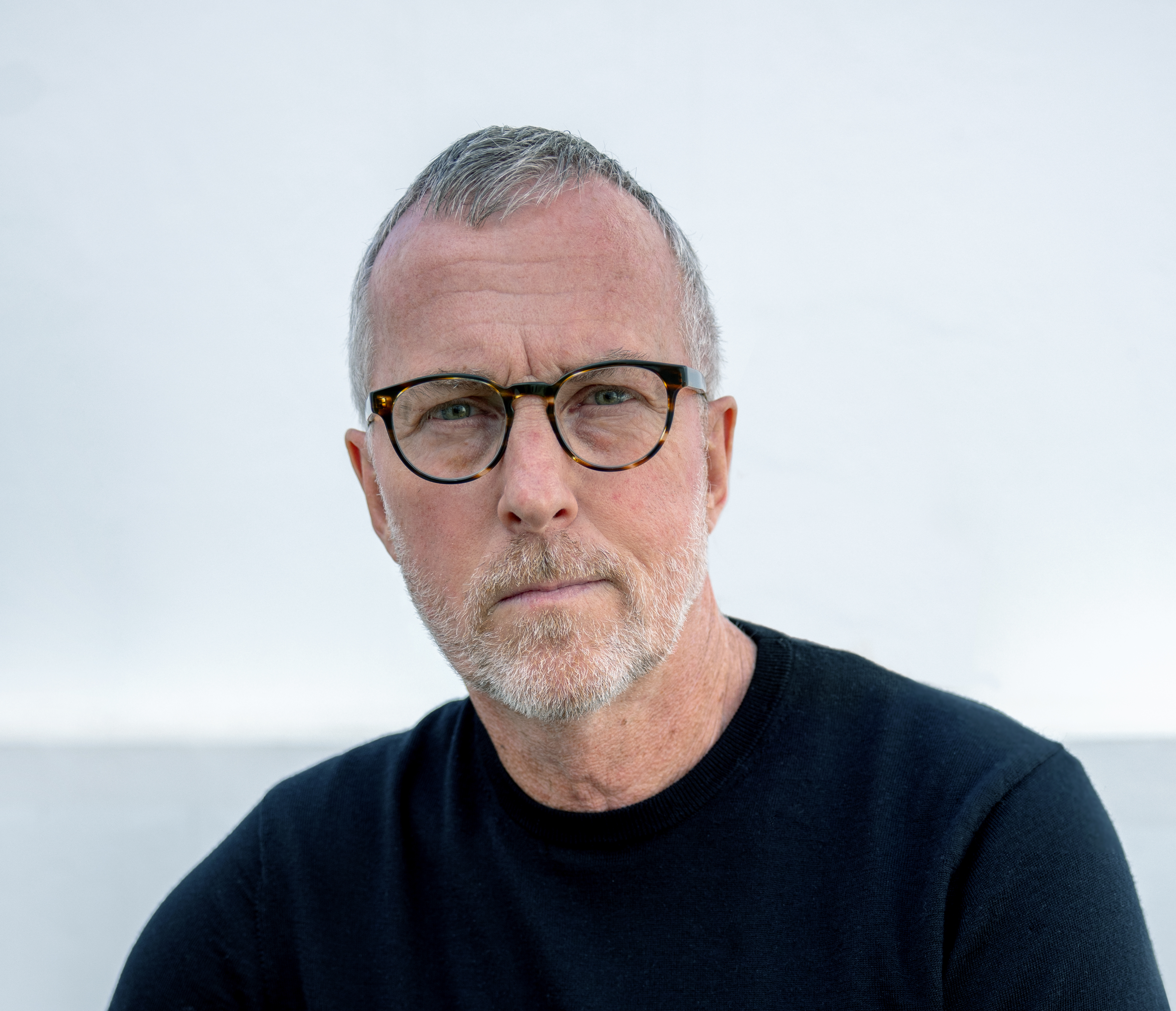 What is your book about?
Night Terminus explores the aftermath of the AIDS crisis and the fates of the survivors. The novel spans forty years and three continents. It mines the wreckage from the pandemic, set against a backdrop of late-twentieth-century political events, and features a cast of fugitives, young and old, all veterans of a war with many heroes but no parades. Night Terminus examines themes of agency over life and death, the existential role of art, statelessness and belonging, and the universal search for spiritual meaning.
What was the inspiration behind writing your first book?
I considered several ideas for a first novel. As a writer, I am less attracted to the catastrophe itself than to the fallout — narratives that come after a war, calamity, or upheaval. I couldn’t find novels about the survivors of AIDS: people who watched their friends and lovers die, who were supposed to perish then didn’t, and who suffer from complex physical ailments and emotional scars. These individuals carry the burden of history. Only a handful of AIDS novels have been written in the last ten or fifteen years. I was an out gay teenager when the epidemic started and am now in my sixties, so I realized other survivors were even older and would soon be dead. No one who witnessed that tragedy would be left to speak, so I was inspired to write the story of what happened.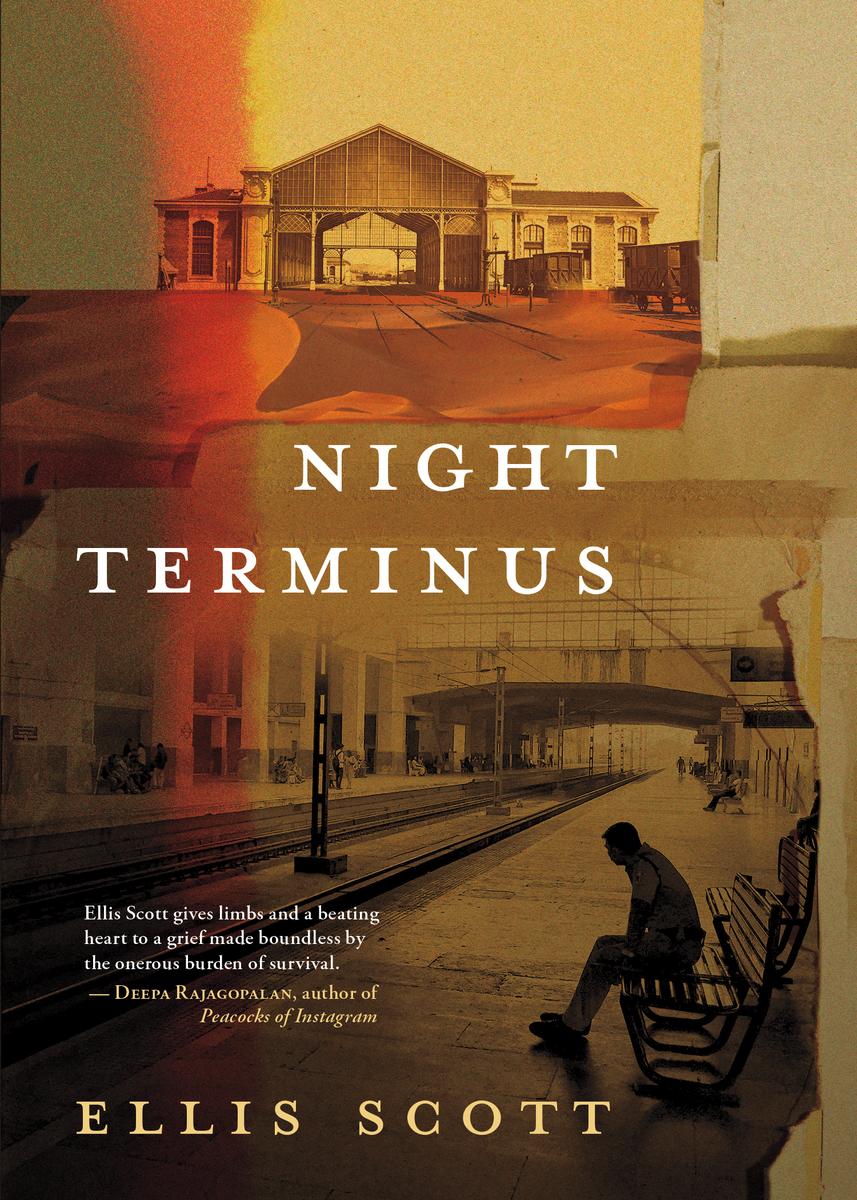 What is the most rewarding part of being an author?
The process of world-building is a constant source of wonder. Once published, there is nothing better than a reader who has grasped what you were attempting. That emotional and psychological connection is what writers seek. You’ve moved the dial slightly — your audience was transported or stirred somehow, their worldview shifted a bit, or their perceptions were validated. The feeling that one is less alone after reading a wonderful story.
What elements do you think make for a good story?
Being true to one’s characters. Not every story will have a traditional emotional arc or narrative resolution. Life is messy. Things end abruptly. People are left hanging.
Bold descriptions, especially tiny details and historical or cultural oddities.
Paying attention to the other senses: sound, touch, and especially smell.
Not rushing to the next station for the sake of moving the story forward. Instead, showing readers the detritus along the tracks.
What is the hardest part of being an author for you?
At the start, self-promotion was the most challenging. I come from another century. Marketing one’s novel is a different beast, using a separate skill set. I’ve learned so much about the trade but writing and promoting will never intersect comfortably for me. I’m a private person and not on social media — the antithesis of the modern novelist.
What is your current writing project?
The challenges of promotion and ongoing illness mean I must delay the start of any new work, but I’m auditioning second novel ideas in my head, which is a lengthy process anyway, so I have time if my health holds.
What is the best writing advice you’ve ever received?
The adage of putting a draft in the drawer for a few weeks or months and then returning to it truly does wonders, but I think the best advice I received was to stay curious. Read books that have nothing to do with literature and don’t limit yourself to literary fiction. Read nonfiction, memoir, horror, science fiction, mythology, and poetry. Pay attention to each genre’s craft. It will make you a more well-rounded person and expand your worldview, which will inevitably make you a better fiction writer.
Where can readers discover more about you and your books?