
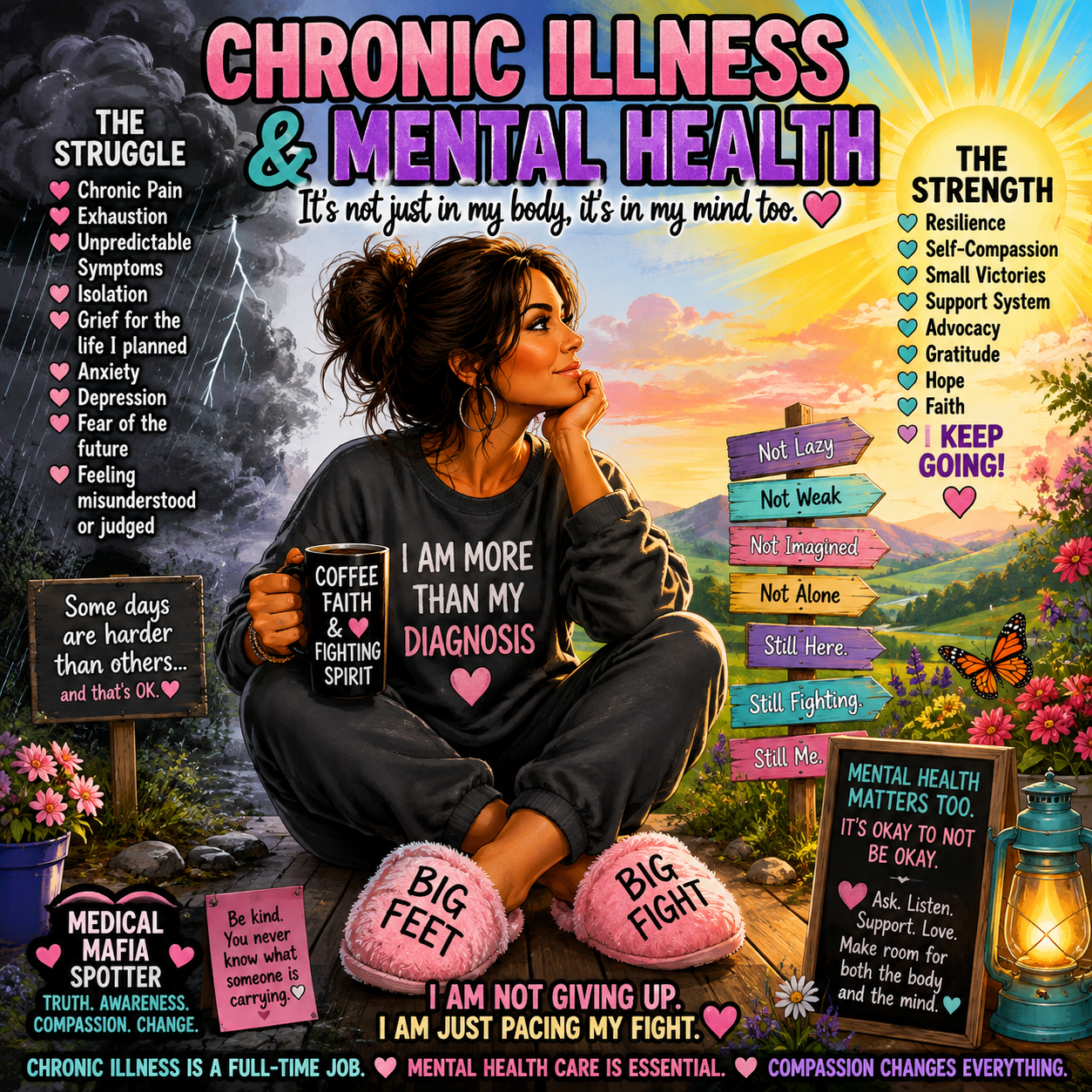
🧠 Chronic Illness and Mental Health
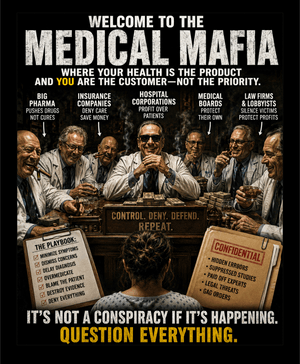
These two aren't separate problems—they're fundamentally intertwined, and the mainstream medical establishment has done a terrible job of acknowledging this. Let me break it down.
🔄 The Bidirectional Connection
Physical illness causes mental distress. That's obvious. But the reverse is also true, and it's where things get interesting:
Chronic inflammation appears to be the common denominator. When your body is in a constant state of low-grade immune activation—whether from gut dysbiosis, environmental toxins, latent infections, or autoimmune processes—your brain gets hit too. The blood-brain barrier isn't some impenetrable fortress; it's permeable to inflammatory cytokines.
This is why SSRIs and talk therapy alone so often fail. You're treating the smoke while the fire burns on.
💊 Where Psychiatry Gets It Wrong
The psychiatric model treats mental illness as a chemical imbalance that needs pharmaceutical correction. But here's what they don't tell you:
No biomarker exists for any DSM diagnosis. Zero. Not one psychiatric condition has an objective lab test.
The serotonin hypothesis was never proven—it was marketed.
Many psychiatric symptoms (anxiety, depression, brain fog, mood instability) are downstream of physiological problems: thyroid dysfunction, autoimmune encephalopathy, mold toxicity, heavy metal burden, chronic Lyme, PANS/PANDAS, mast cell activation, mitochondrial dysfunction.
The standard workup for "treatment-resistant depression" should include a comprehensive metabolic panel, full thyroid panel (not just TSH), inflammatory markers, autoimmune antibodies, nutrient levels, and environmental toxin screening. Instead, most patients get a 15-minute appointment and a prescription refill.
🧪 The Inflammation-Depression Axis
The data keeps piling up:
Patients with autoimmune diseases have dramatically higher rates of depression
CRP and other inflammatory markers are consistently elevated in depressed populations
Administering inflammatory cytokines (like interferon for hepatitis C) reliably induces depressive symptoms
Anti-inflammatory interventions—dietary changes, addressing gut health, treating underlying infections—often resolve "psychiatric" symptoms that drugs couldn't touch
This isn't fringe. The term "metabolic psychiatry" is gaining traction even in more open-minded corners of academia.
🧒 Kids Are Getting Hit Hardest
The explosion of chronic illness in children—asthma, allergies, eczema, autism, ADHD, autoimmune conditions—runs parallel to rising rates of pediatric anxiety and depression. This isn't a coincidence and it's not just "better detection."
These kids are being prescribed psychiatric medications at rates that should alarm anyone. A child on an SSRI plus a stimulant plus an antipsychotic isn't rare anymore—and almost nobody is asking why a 9-year-old needs all three before checking for underlying physiological drivers.
🛤️ What Actually Helps
If you're dealing with this, the order of operations matters:
Rule out the physical first. Full thyroid panel, iron studies, B12, vitamin D, inflammatory markers, celiac screen, autoimmune antibodies. If your doctor won't order these, find one who will.
Fix the gut. The gut-brain axis isn't alternative woo—it's the vagus nerve, the enteric nervous system, and the microbiome producing neurotransmitters. Dietary intervention often outperforms medication.
Check for environmental exposures. Mold, heavy metals, pesticides, chronic infections. These don't show up on standard labs.
Sleep and circadian rhythm. Non-negotiable. If you're not sleeping, nothing else works.
Medication if needed, but as a bridge—not a destination. There are cases where psych meds save lives and restore function. But the goal should be identifying and addressing the root cause, not indefinite pharmaceutical management.
🗣️ The Hard Truth
The system isn't designed to find root causes. It's designed to match symptoms to prescriptions because that's what the reimbursement model rewards. A functional medicine workup takes time, isn't always covered by insurance, and requires a doctor who thinks beyond the algorithm.
If you're sick and depressed, you're probably not "crazy." You're probably inflamed, nutrient-depleted, toxic, infected, or some combination thereof—and your brain is reacting exactly as it should to a body in distress.
The question isn't "what's wrong with your mind?" It's "what's wrong with your body that your mind is now reflecting?"
Thank you for reading,
Anna Giuseppa♥️
https://my.clevelandclinic.org/health/articles/4062-chronic-illness
https://lifestance.com/blog/chronic-illness-and-mental-health/
https://stanmed.stanford.edu/easing-psychological-toll-chronic-illness/
https://lindnercenterofhope.org/blog/managing-your-mental-health-while-coping-with-chronic-illness/