
I remember Perquín, not as a place on a map, but as a monument carved into the soul of a nation. I remember it in the faces, the voices, the silences. I remember it in the dirt beneath my feet and the stories of a war whose contentions resound throughout the tide of time.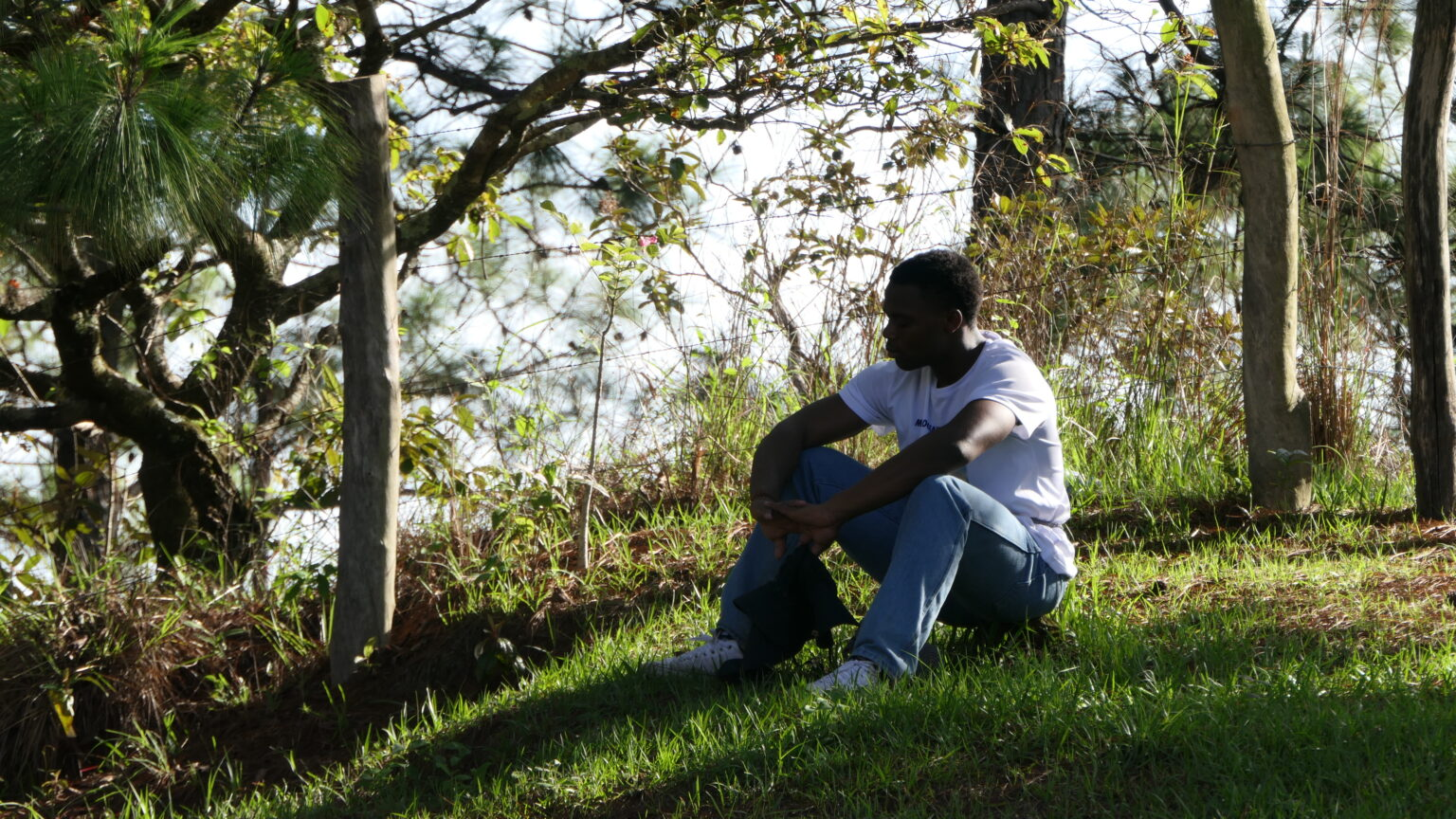
I remember Felipe, the former guerrilla, sitting in front of us, not as a war hero, but as a witness to history. His words were not rehearsed; they were wounds reopened. A man who had fought for the rights of the most forgotten and marginalized communities. I remember his unwavering passion for justice, not bound to a 12-year civil war or 8 years of negotiations, but a life dedicated to preserving the truth and struggle of the Salvadoran people.
He spoke of oppression not as an abstract idea, but as a daily reality, when walking down the street meant risking your life, and speaking the truth was a death sentence. I found myself humbled. I had known discrimination in my own life: racial jokes, profiling, silence in spaces that should’ve spoken up, but this… this was another scale entirely. Felipe’s life forced me to reexamine what I thought pain was.
I remember asking him, “What is pain?”
His answer wasn’t poetic. It was honest and blunt. It was about the fear that lingers long after the shooting stops. The kind that lives in your body. The kind you carry into ‘peace’.
I remember Wendy, our translator, walking beside me as we passed relics of the guerrilla struggle. Among them, transmitter radios, seemingly generic at first glance but vital during the war. These radios had delivered strategic messages, unified scattered fighters, reached innocent bystanders, and offered hope when it was most needed. They were instruments of survival, and resistance.
Felipe explained that not all guerrilla fighters were the same. Two factions had sought justice and equality. Three others, he admitted, were driven by power and ideology. That truth hit me hard, there are no purely just wars, only complicated ones tangled in greed, sacrifice, and human suffering.
I remember learning about how the Salvadoran Army tried to frame guerrillas for the assassination of Monseñor Oscar Romero, hoping to break the people’s spirit. But it didn’t break them, it lit a fire. It turned mourning into movement.
I remember standing at the edge of a 20-foot deep crater, the aftermath of a bomb dropped in Perequín 40 years ago. Thousands were killed, and yet somehow, those who survived turned destruction into defiance. Guerrillas used bombshells to craft smaller grenades. I remember feeling the power of that paradox, violence inspiring survival.
I remember the staggering numbers, two million dollars sent daily from the U.S. to fuel an oppressive regime. I wrestled with that truth. I didn’t let it turn into blind blame, but instead I used it as an opportunity to confront the messy, human layers of political interest, foreign policy, and survival.
I remember the mountains, lush and beautiful, hugging the horizon between El Salvador and Honduras. And I remember imagining mothers walking for 35, sometimes 50 miles with children on their backs, desperate for safety. I imagined people I met tracing those same paths, not in comfort, but in courage, carrying food, messages, and lives across borders.
I remember Isovel, code name Juan, another guerrilla I met in Junquillo. He fought at 15. He believed in something greater than war. His faith didn’t rely on education or theology, he couldn’t even read. But his spirit was full. He prayed. He believed. And he loved. That faith challenged mine, not to believe harder, but allow God to permeate all aspects of life.
I remember the faces of those who told us their stories, the way oppression was an inescapable truth of their existence, but never a hindrance to experiencing the fullness of life. They welcomed us into their homes and hearts, not to show off, but to invite us into their lived experience.
I remember feeling a deep sadness, vivid images of genocide, pillaging, oppression invading my mind. But I also remember feeling proud. Honored. That I was allowed to step on Holy Ground. That I had the chance to listen, to witness, to remember.
I didn’t study for these lessons, obviously. And yes, I am fully aware of the incoherence in my stories but, I didn’t rehearse this reflection. The words came because they were already planted in my heart by the people of Perequín. By Felipe. By Isovel. By every voice that told the story of El Salvador, not as a distant history, but as the life they lived and are living.
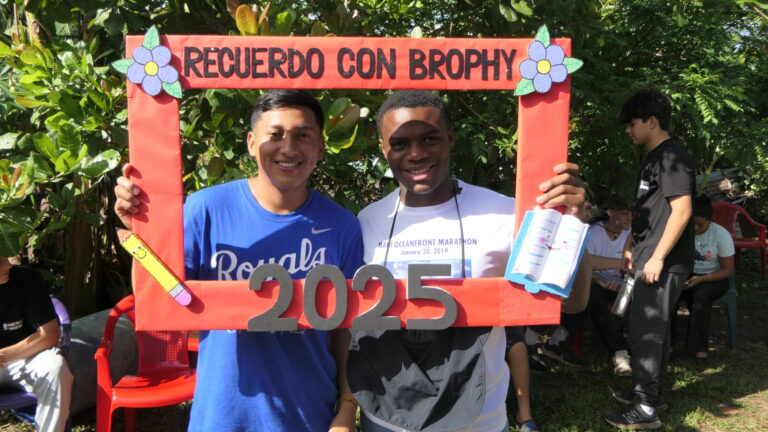 I remember Perequín.
And I always will.
–Matthew Hawkins ’26