

 The stadium roared, confetti flew, and history unfolded at St. Jakob-Park in Basel. England’s Lionesses had done what generations of women before them were denied: they had seized the European Championship. But even as the players lifted their heads high, hearts pounding with victory, the world watched them through a lens sharpened by centuries of control. Celebration, it seemed, was still a crime when performed by women. Every cheer, every fist pump, every unrestrained smile became a flashpoint, a reminder that while the game had changed, the system had not.
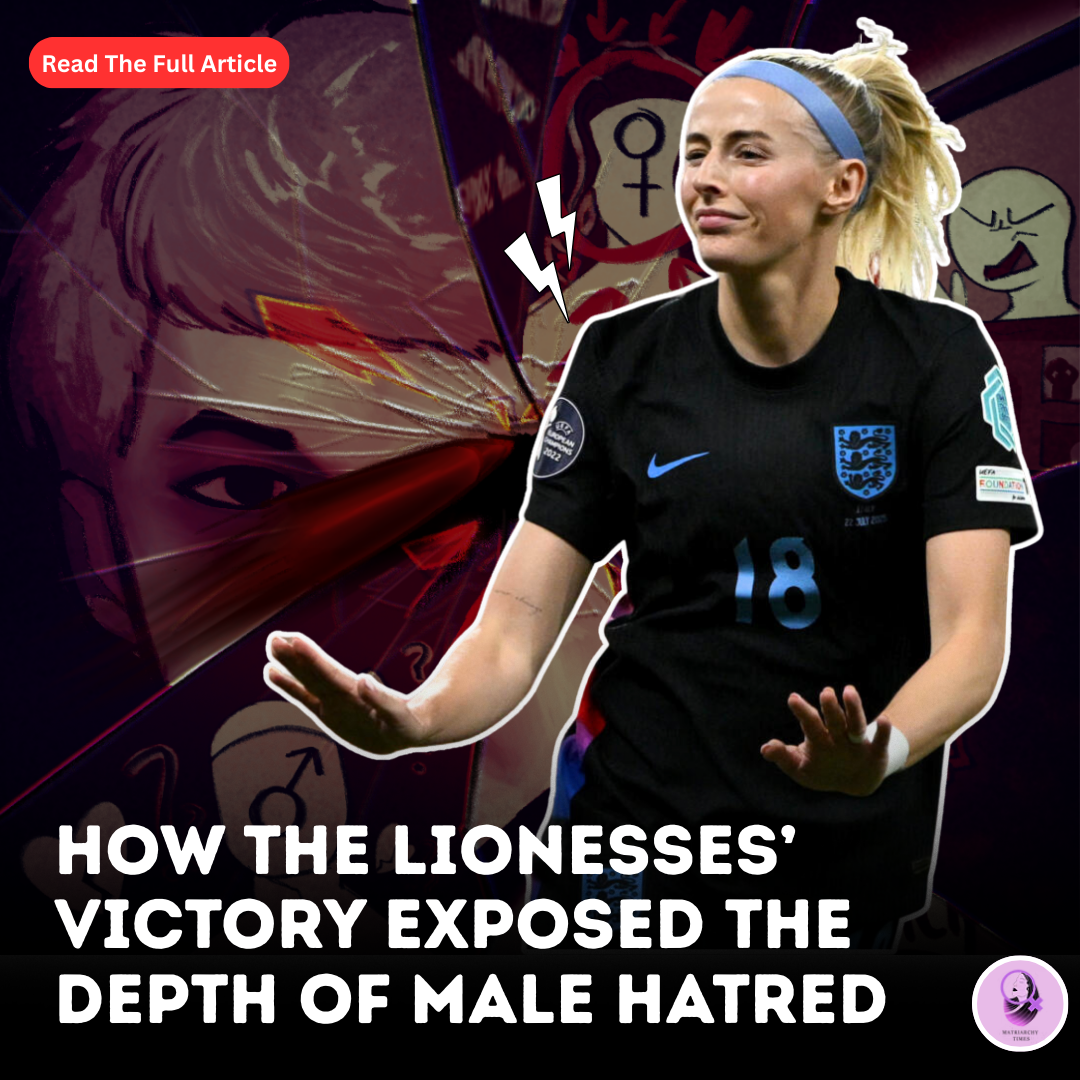
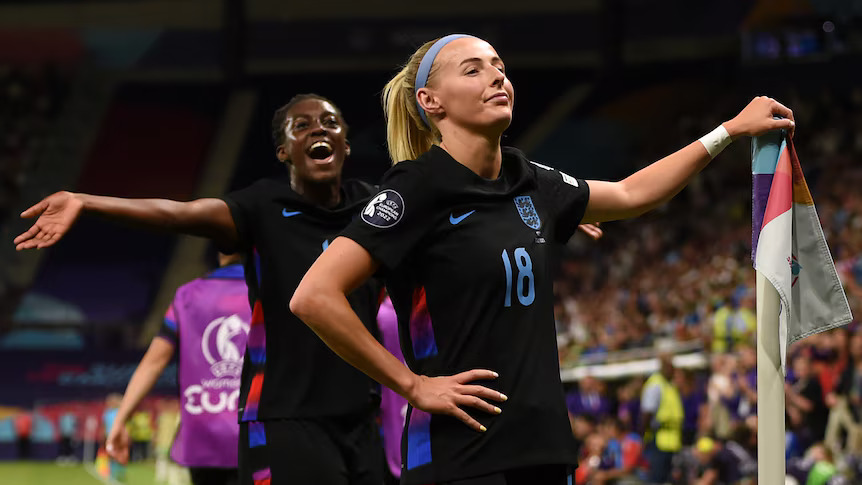
Chloe Kelly’s Euro 2025 performance was fiery and unforgettable and while she didn’t repeat her legendary shirt-toss moment from 2022, her celebration in Basel was no less potent. After calmly converting the winning penalty, she sprinted to the corner, planted a triumphant fist in the air, and let loose a roar that echoed not just across the stadium but through the centuries of women’s football history. It was a moment carried on her shoulders past the suffocation of norms, toward the promise of new possibilities. And yet, even as millions of girls watched and cheered, the backlash came swiftly. The same defiance that once made Kelly a symbol of liberation became, once again, a lightning rod for abuse. UEFA’s monitoring program flagged over 1,900 abusive posts during the final alone, 13% of them explicitly sexist. Of these, 468 were reviewed in real time, and 145, nearly a third were severe enough to be reported to social media platforms. The message was painfully clear: every roar from women on the pitch still unsettles a system built to silence them.
Because misogyny isn’t a side effect of football. It is the reason women’s sport has been fought over for generations.
It wasn’t always meant to be this way. In the early 1920s, women’s football drew tens of thousands of fans. Teams like Dick, Kerr Ladies FC filled stadiums, raised money for charity, and ignited a passion that rivaled men’s matches. And then the FA struck. “Unsuitable for females,” they said. Fields closed. Careers stalled. Crowds vanished. Women were forced off the pitch, their joy deemed inconvenient.
It took fifty years for that ban to be lifted. Even then, women’s football remained underfunded, underrepresented, and constantly policed. The celebration of the Lionesses in 2025 was a triumph, yes, but also a provocation. Their success reminded the world that patriarchy had been lying for a century: women belong on the pitch, and when they succeed, men are shaken.
And so, the cycle repeats. Women win. Men react. Women are punished socially, digitally, and sometimes economically. This is why online abuse is not surprising; it is predictable. It is history continuing itself.
“Arrogant.” “Cocky.” “Unladylike.”
Every word a leash, every sentence a cage. When Chloe Kelly screamed into the microphone after scoring, she didn’t just celebrate a goal, she challenged centuries of expectation. Misogyny hides behind critique, claiming to defend “sportsmanship” or “humility,” but the truth is simpler: women in public spaces provoke anxiety in men who see control slipping from their hands.
 Online, the stakes were higher. Suggestions of sexual violence weren’t jokes; they were threats disguised as commentary. To celebrate, to smile, to triumph, for some men, these acts themselves were criminal. UEFA’s report showed this pattern clearly: abuse was not random but systemic. Criticism was rarely about tactics. It was about reminding women the pitch, the public space, even joy itself, had never been meant for them.
Why does women’s football provoke such rage? Because it works against the patriarchal model of power: dominance, control, subordination. Chloe Kelly’s penalty wasn’t just a goal; it was a statement. Her roar wasn’t just joy; it was rebellion. It said: leadership does not need to be crushed, and victory does not require apology.
Male fury often rises when women build solidarity. The 1921 FA ban wasn’t just about men’s gate receipts, it was about women raising money for women, creating networks outside male oversight. Today, the comments that call the Lionesses “under raped” are echoes of that fear. A woman celebrating with other women is perceived as a threat. Solidarity is subversive. Joy is dangerous.
The Lionesses’ victory is a reminder: when women claim power collectively, they destabilize centuries of control. The roar of a footballer becomes a political statement, a refusal to shrink, a refusal to apologize for ambition.
Every moment on that pitch carried echoes of history. Leah Williamson’s calm, commanding presence anchored England’s backline, her leadership radiating far beyond the defensive line. Alessia Russo fought with tireless determination up front, while Lauren Hemp’s relentless pace stretched the game wide open. These weren’t just plays. They were reclamations. For decades, women were told football wasn’t theirs, their success deemed improbable, their skill irrelevant. The crowd at St. Jakob-Park in Basel, a sea of flags, families, and young girls with painted faces were proof that the world is changing. Yet, the vitriol online reminded us just how much it hasn’t.
 Fans celebrated openly. Commentators praised strategy, stamina, and technical brilliance. Yet in corners of the internet, men debated whether Kelly’s emotional celebration was “too much.” This is not about football. It’s about control, about discomfort with women claiming joy, space, and leadership in ways men have always monopolized.
The abuse isn’t incidental. It’s structural. And structure requires intervention.
Misogyny must be treated as a hate crime. Threats of sexual violence and demeaning commentary should trigger formal investigations, because online abuse has real-world consequences. Governing bodies must be female led; centuries of male control have proven disastrous. Women-only spaces for training, competition, and celebration must be protected and funded. Social media platforms must be held accountable, swiftly removing abuse rather than normalizing it. Collective feminist action matters: fans praising the Lionesses, boycotting outlets that platform misogyny, flooding digital spaces with solidarity, these are acts that reshape culture.
Resistance is not hypothetical. Fans amplified positive messages online. Media outlets reported both victories and harassment. Players curated their own narratives, refusing to let trolls define their stories. Every act of support, every cheer, every call-out chips away at centuries of erasure.
Imagine a stadium where girls can watch heroes without fear. Imagine a world where women’s achievements are celebrated, not policed. Imagine coaching programs, youth leagues, and media coverage that treat female athletes with respect.
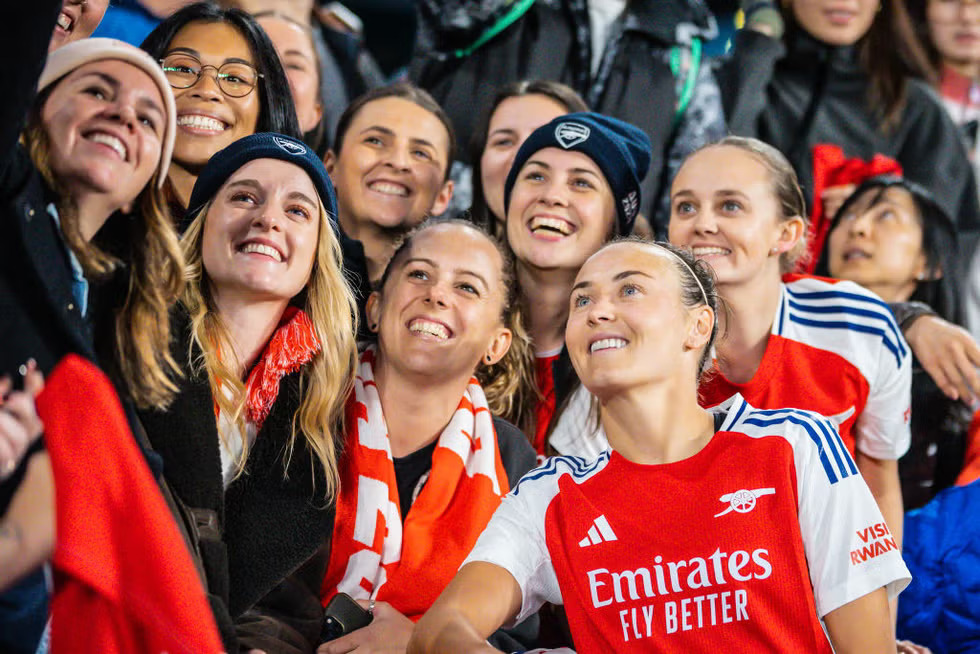 When the Lionesses lift a trophy, they do more than win matches. They are reclaiming space, rewriting narratives, and reminding the world that women’s joy is rebellion. And that rebellion is not just entertainment, it is necessary.
Leadership, like sport, can be cooperative, collective, and joyful. Just as we see in some women leaders globally, power need not dominate; it can nurture, support, and protect. The Lionesses exemplify this: leadership on the pitch is collaborative, confident, and unafraid. They model a future where success doesn’t require apology, where skill is celebrated, and where solidarity is power.
The 2025 final will be remembered not just for goals or trophies, but for the conversation it sparked. Every sexist comment, every online abuse report, every debate about “arrogance” is a reminder that the struggle continues. But it also shows what’s possible: visibility, acknowledgment, resistance, and collective action.
We cannot rely on the system to self-correct. Patriarchy does not step aside politely. Change comes from consistent, deliberate intervention: reporting abuse, funding women-only spaces, supporting female governance, and amplifying positive narratives. When these actions happen, the hateful voices become the minority, and joy becomes unassailable.
The Lionesses won that night. They earned their medals, their champagne, their confetti-filled laps around the pitch. But the war, the one fought since 1921, continues. Every sexist comment is a reminder that victory alone does not dismantle patriarchy. But it is also a signal of progress: a system shaken, a culture confronted, a joy unleashed.
Imagine a world where girls can watch this and feel only possibility, not risk. Imagine stadiums, classrooms, and digital spaces where women’s achievements are celebrated, not police. The Lionesses are doing more than winning matches; they are showing the world that women’s joy is rebellion. And perhaps, one day soon, rebellion will no longer be necessary, because equality will have won.
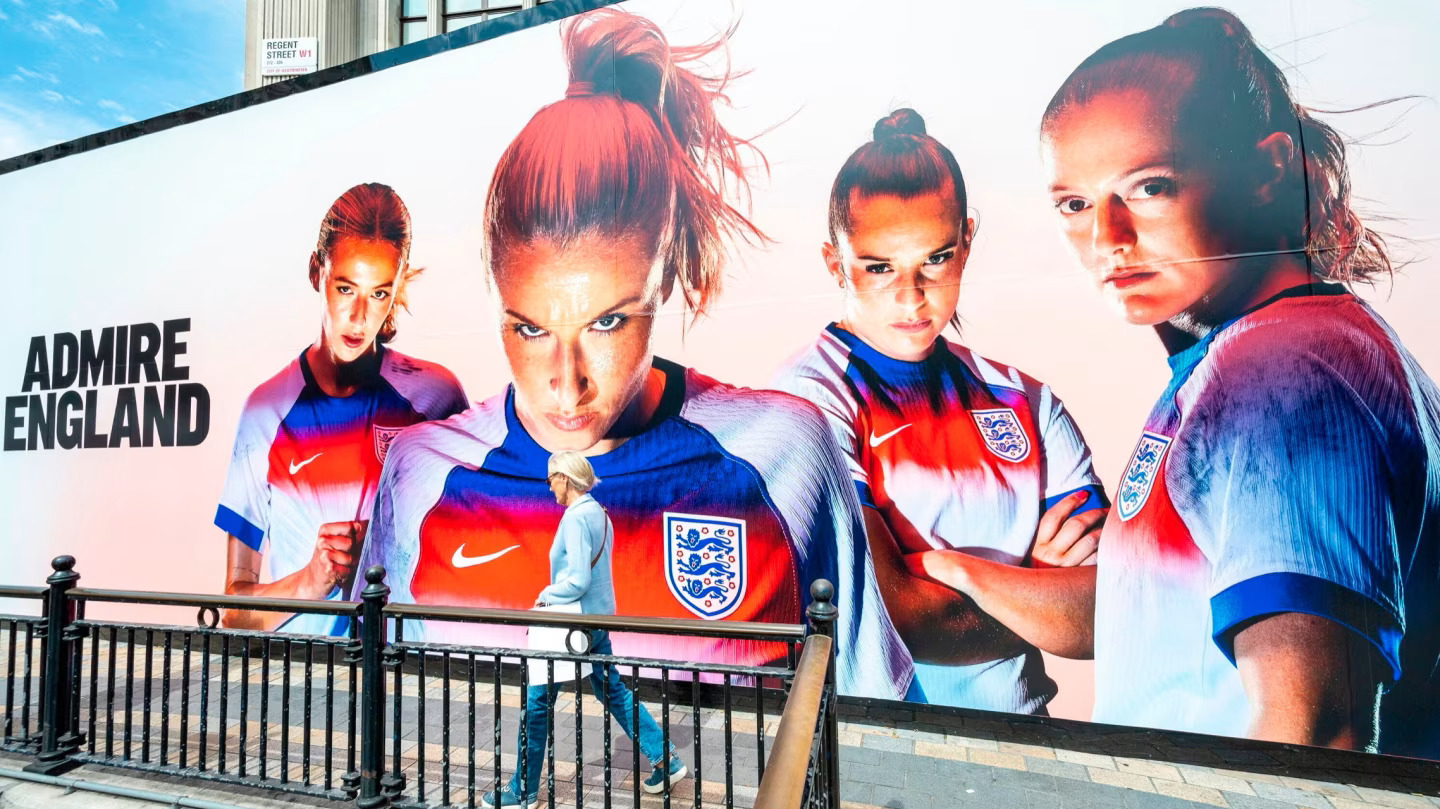 And when the stadium quiets, when the confetti settles, when the cameras turn away, their roar lingers. It echoes in empty streets, in playgrounds, in living rooms where girls imagine themselves running, kicking, shouting, unafraid. Their victory is not just a trophy, it is a pulse, a heartbeat against centuries of silence.
With every goal, every roar of the crowd, every resolute smile, they inscribed a truth into the game: women will not be diminished, their voices will not be silenced, and their presence will not be denied.
With every goal, every roar of the crowd, every resolute smile, they inscribed a truth into the game: women will not be diminished, their voices will not be silenced, and their presence will not be denied.
And perhaps that is the lesson patriarchy fears most. Joy cannot be contained, and power need not dominate. When women rise, entire worlds shift.
So let the roar continue, let it shake the foundations, let it awaken the echoes of every girl who was told she couldn’t, shouldn’t, wouldn’t. In their triumph, we see more than sport; we see liberation. In their joy, we glimpse a world as it could be bold, fearless, and unstoppable. And if the world attempts to quiet it? Let them try. The roar is already unstoppable.