

Do you know that feeling of being totally lost in front of a map of Shanghai? A huge metropolis where everyone seems to visit only Jing'an Temple and Yu Garden. The "problem" is that you're looking for something else. You want the pretty neighborhoods, the places outside the tourist circuit and a more authentic vibe. You want the soul of the city!
I designed a one-day itinerary that will let you discover underground art, industrial architecture, legendary street food, and secret panoramic viewpoints, ending with a breathtaking sunset (fingers crossed for good weather).
Stop 1 (10:00 am). M50 Art District and 1000 Trees
It's a complex of former factories turned into art galleries, artist studios, and graffiti that runs along the walls. Buildings are connected by little suspended bridges, internal corridors, and staircases that lead down into the basement of a furniture shop that somehow turns into a tea house. Getting lost is a must. That's the whole point. Each building, spread across multiple floors, hosts different exhibitions, studios, and masters of traditional arts. You might not find the same spaces twice because here rooms and artists change.
In the alleyways of the art complex you can already glimpse 1000 Trees. The name refers to the idea of integrating thousands of trees and plants into the building, blending nature and urban architecture. It's a luxury shopping mall that's best admired from the outside because it's incredibly photogenic.
Many galleries (and the 1000 Trees mall as well) open at 10:00, so I don't recommend starting too early. Visiting M50 and the galleries is free.
Stop 2 (11:30 am). Sihang Warehouse and Suzhou Creek
Take a Didi from M50 to Sihang Warehouse (3.3 km, 15 minutes by taxi).
This building isn't a tourist attraction like the others. It's a memorial. Is an open wound that tells one of the city's most dramatic stories. If you've seen the film The Eight Hundred, you know what this is about. If you haven't, watch it!
Here, in 1937, during the Battle of Shanghai, Chinese soldiers barricaded themselves inside to defend the warehouse (at the time a storage facility for four banks) and cover the army's retreat. They held out for days against the Japanese forces. Because the battle happened right in front of the foreign concessions, their defense became a symbol of resistance.
Today, visiting the memorial means stepping back in time. It's an intense, emotional experience that gives you a completely different perspective on Shanghai. The museum visit is spread across three floors and it's free.
After this brief but powerful dive into Shanghai's history, wenjoy a walk along the Wusong river, known as Suzhou Creek. It's one of the most beautiful and relaxing routes in Shanghai, the city's living room, where you'll see local life flowing slowly along the river that leads all the way to the Bund.
Stop 3 (12:30 pm). Lunch at 佳家汤包 Jiājiā tāngbāo
Walk from Sihang Warehouse to the historic location of 佳家汤包 Jiājiā tāngbāo near People's Square (962 m, 15 minutes on foot).
Jiājiā tāngbāo serves some of the city's most famous 小笼包 xiǎo lóng bāo (soup dumplings). Be ready for a (likely) line, but it moves fast. Order the classic pork ones (猪肉 zhūròu) and the mixed ones with crab roe (蟹粉 xièfěn).
Stop 4 (13:30 pm). 1933. The former slaughterhouse
Take a Didi from Jiajia Tangbao to 1933 Old Millfun (3.6 km, 15 minutes by taxi).
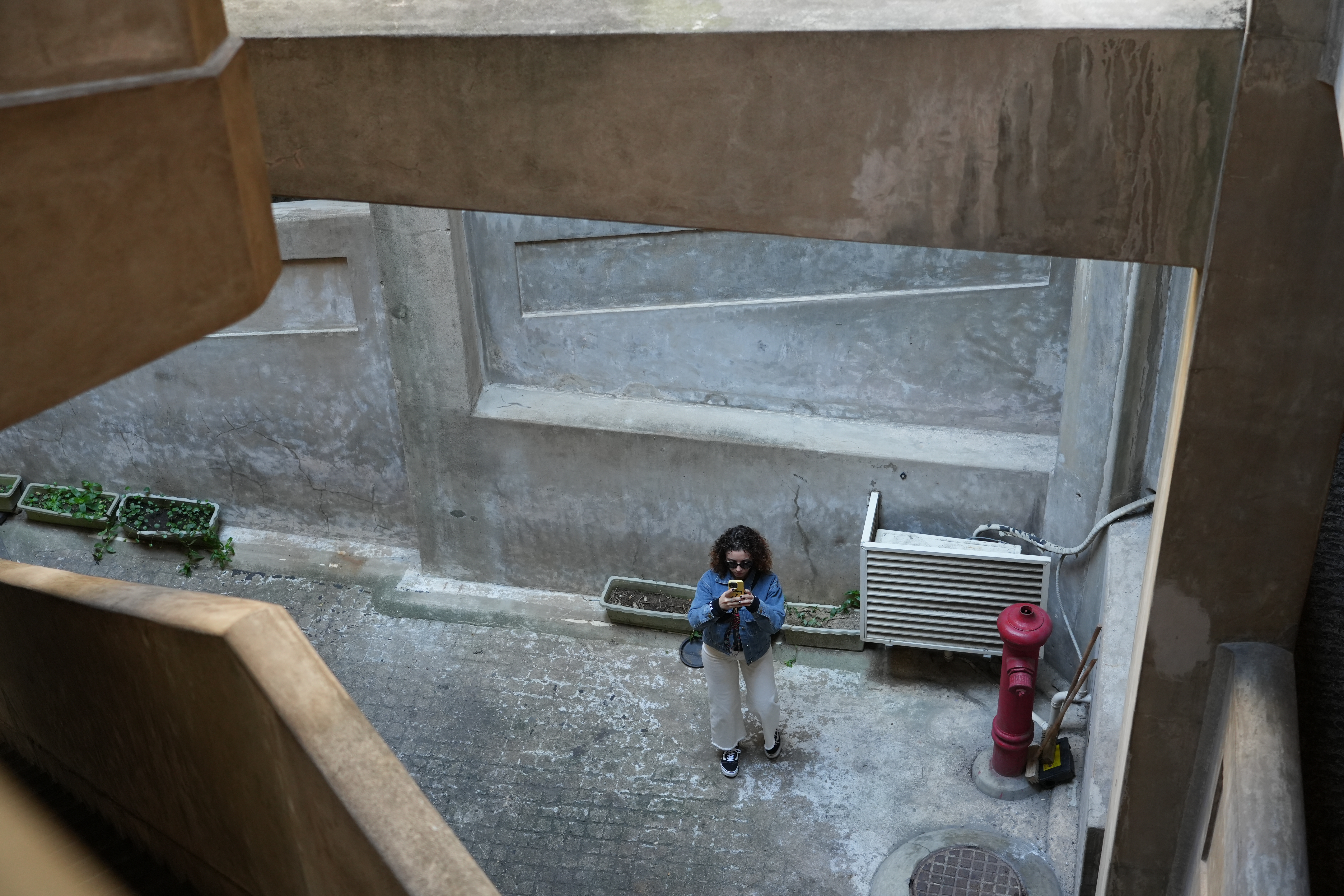
One of the most incredible, architectural buildings in the city. A former slaughterhouse in Art Deco style, considered at the time the most modern in the East because it was built according to the most advanced international standards. Its structure is spiral-shaped and creates a concrete labyrinth of helical staircases and suspended bridges. This wasn't just an aesthetic choice. It was functional, designed to separate workers (who used the stairs) from the livestock (going through the ramps), so the two paths would never cross.
Today it's a creative hub full of shops and cafes, but walking through its concrete corridors is a unique architectural experience. It's paradise for photographers and for anyone who loves "the unusual". A place that tells the story of Shanghai's transformation from rural society to industrial metropolis.
Stop 5 (15:00 pm). Walk to the North Bund
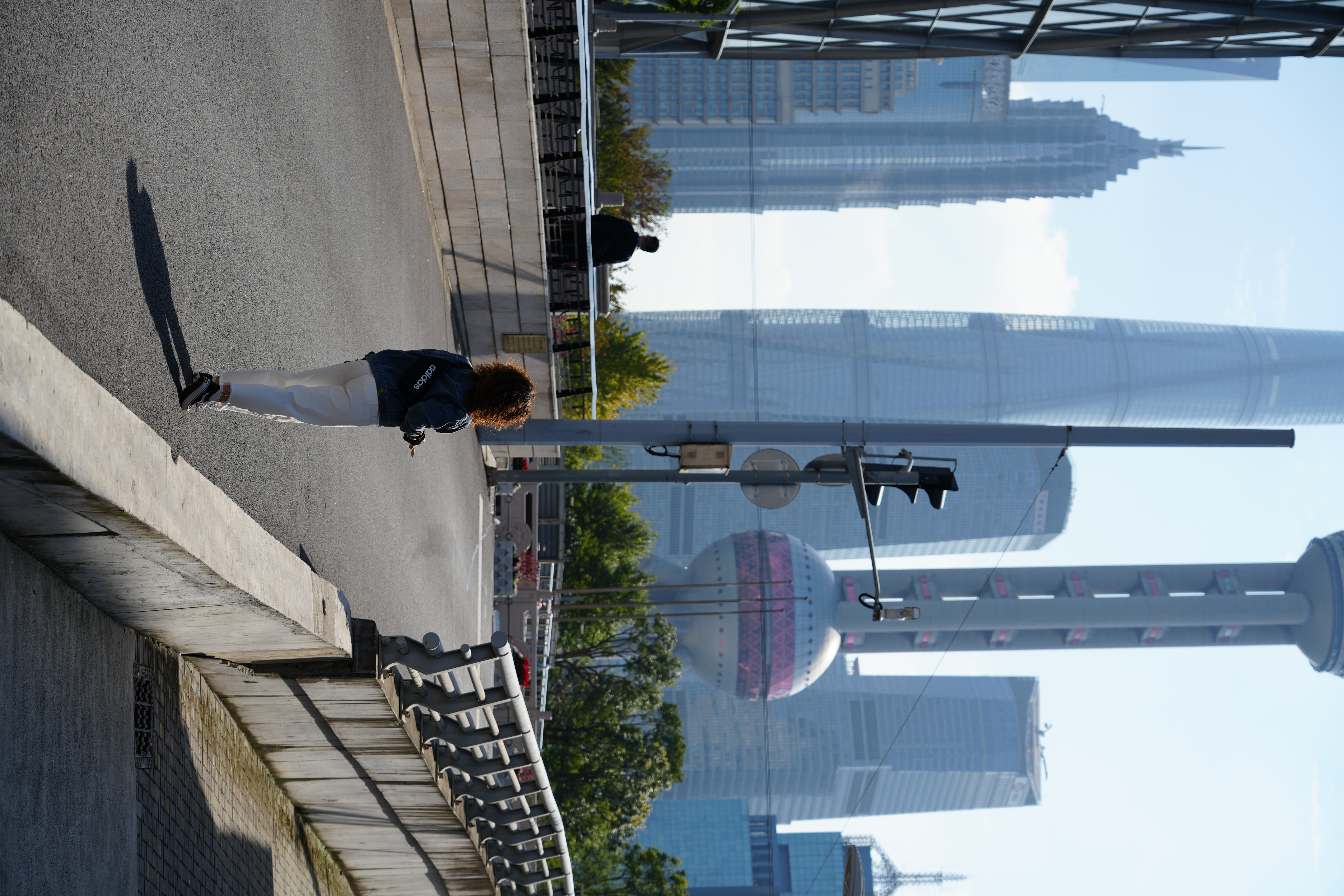
From 1933 you can take a 20-minute walk (1.4 km) to the North Bund, or take a Didi (5 minutes). Everyone knows the Bund. Few people know the North Bund. From here you'll get a unique perspective, with views of both the historic Bund (Puxi) and Pudong's skyline. The waterfront is full of cafes and restaurants and usually isn't very crowded (except on weekends and on days with sponsored events or special promotions).
Stop 6 (16:00 pm). Coffee break among the clouds
Take a Didi from the North Bund to Shanghai Tower (Pudong) (3.6 km, 11 minutes by taxi).
Our destination is Duoyun Books 朵云书院 on the 52nd floor. It's a bookstore with a cafe offering a view of the Bund and Jin Mao Tower, right as the sun starts to go down. It's the perfect break.
Weekends are especially crowded, so I don't recommend it. In any case, I suggest booking through their app. Message me on Instagram to get the QR code to scan.
To access the outer area with the windows, you need to purchase something, either coffee or dessert.
Stop 7 (17:00 pm). The Bund and the lights turning on
From here you have two options. The first is to walk for 10 minutes to catch the ferry, cross the river, and then walk toward the skyscrapers for another 20 minutes. I think it's worth it because it's a relaxing stroll and lets you explore other hidden, less touristy corners of Shanghai.
Be careful though. On weekends it can be very crowded, so ferry waits might be longer. In that case, I absolutely recommend taking a Didi.
If you're tired, take a Didi straight to the Bund and wait on Waibaidu Bridge 外白渡桥 for the moment when the lights of Shanghai's most iconic skyline turn on.
Planning such an intense day on your own can be complicated. If you want a custom itinerary optimized and designed for you, email me for a consultation or contact me on Instagram.