

 As a game design consultant, I often give game design workshops for schools or companies. They’re usually beginner-friendly for people who are interested in game design or development but have little to no experience.
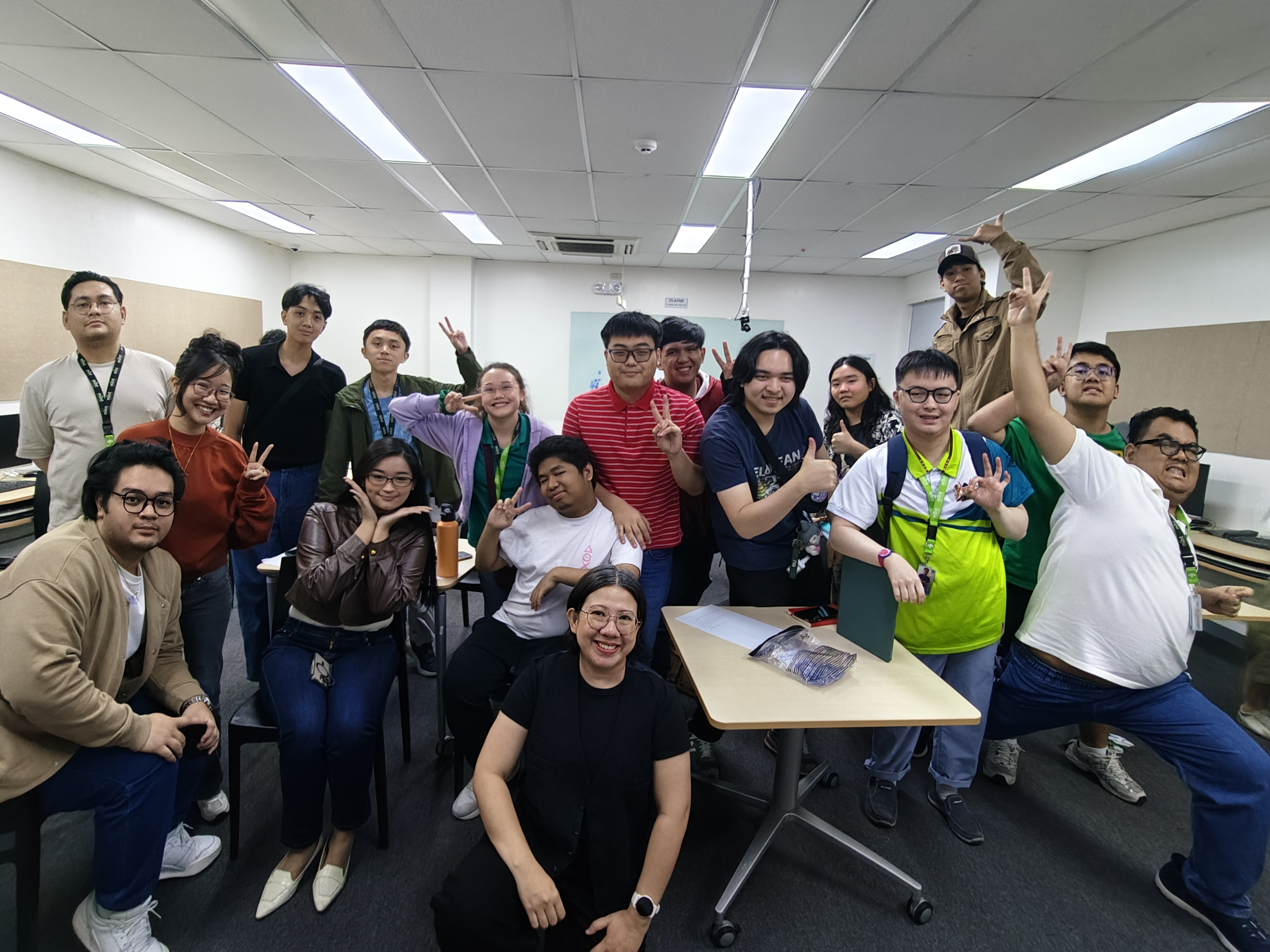
Last week, I ran one for MINT College and we had a blast. Since I firmly believe the best way to learn how to make games is to make one, we designed games on the spot through various exercises. Here’s one of my favorites, which teaches how to prototype and iterate a game idea in real time:
Exercise: Playing card party game
What you’ll need: Playing cards. I brought two decks of cards for ~20 students. Playing cards are great because they’re easy to handle, easy to clean up, and cheap to replace.
Goal: Design a party game that uses playing cards… but isn’t a card game
I ask participants to get playing cards and think of a game that can be played at a party. There are three requirements:
It must be social - cooperative, competitive, or both
It mustn’t be a card game. This prevents them from creating all sorts of complicated systems, and instead encourages them to think of playing cards as physical objects you can play around with
It mustn’t be an existing game. This is just so they don’t say “Let’s play poker” and call it a day
My example game is House of Cards: Each group gets a deck of cards, and whoever builds the tallest tower made of playing cards in one minute wins. It’s a simple party game that has both cooperation and competition. I also chose this as the example so none of them can use it; someone often thinks of it!
Once they come up with their party game ideas, they playtest them in groups, and then iterate.
Mayhem often ensues! I’ve had people throw cards, flip cards, or hide them around the room. They immediately understand that game ideas sound great on paper but often don’t turn out the way you expect them to. And they need to update their ideas in real time to make them work. At the end of the activity, groups share how they improved their designs based on playtest feedback.
Use this exercise to teach the game design cycle: ideation → playtesting → iteration, rinse and repeat.
If you’re looking for fun, creative activities for your school or company, I customize workshops depending on your needs. Check out my services and more at my website.
--
📩Want to get posts via e-mail? You can subscribe here.