

Mobile Osteopathy Toronto: Benefits of In-Home Treatment
The morning after your injury, you wake to find that getting dressed requires strategic planning. The idea of driving across Toronto, finding parking, and sitting in a clinic waiting room feels overwhelming when simply walking to the bathroom is a challenge. Or perhaps you're caring for an elderly parent whose mobility issues make every outing an exhausting ordeal. Maybe you're juggling a demanding career, young children, and chronic back pain—and finding time for yet another appointment feels impossible.
These scenarios aren't rare exceptions. They represent the daily reality for countless Toronto residents who need therapeutic care but struggle with the logistics of accessing it. Traditional healthcare delivery demands that patients come to the practitioner, regardless of their pain level, mobility limitations, or life circumstances. But what if the practitioner came to you instead?
Mobile Osteopathy Toronto represents a fundamental shift in how manual therapy is delivered—one that prioritizes patient comfort, accessibility, and convenience without compromising treatment quality. When an in-home osteopath brings professional assessment and treatment directly to your environment, healthcare transforms from something you struggle to access into something that seamlessly integrates into your life.
This isn't about luxury or laziness. It's about removing barriers that prevent people from getting the care they need when they need it most. It's about recognizing that healing happens more effectively when you're comfortable, relaxed, and not exhausted from the journey to treatment. It's about making professional manual therapy accessible to those who find traditional clinic visits challenging or impossible.
What Mobile Osteopathy Offers
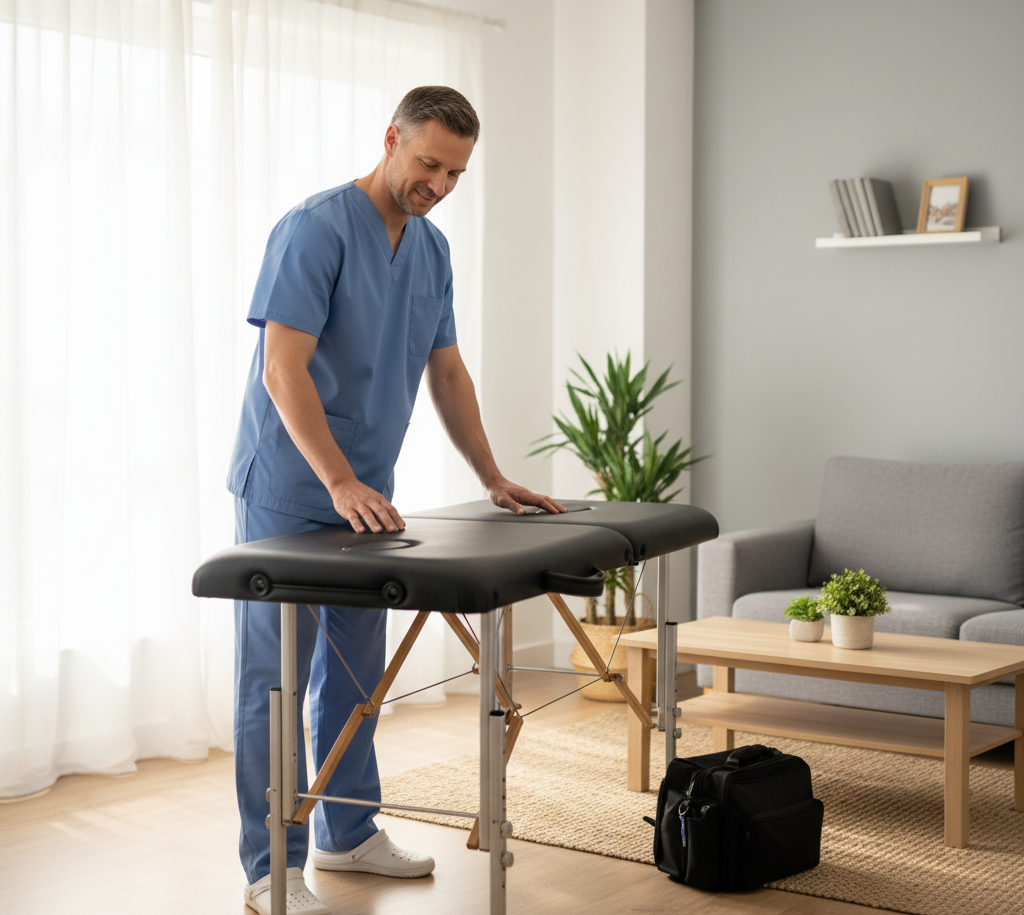
Mobile osteopathy delivers the same comprehensive assessment and treatment you'd receive in a clinic, but in the comfort of your own home. A qualified osteopathic manual practitioner travels to your location with a portable treatment table and all necessary equipment to provide professional care.
The scope of practice remains identical to clinic-based treatment. Your mobile osteopath performs thorough postural and biomechanical assessments, identifies areas of restriction and dysfunction, and applies appropriate manual techniques including soft tissue work, joint mobilization, muscle energy techniques, and myofascial release.
What changes is the context, not the quality. You receive treatment in familiar surroundings where you feel secure and comfortable. There's no rushed appointment schedule creating time pressure. The practitioner can observe how you move in your actual living environment, gaining insights into ergonomic factors that contribute to your pain.
This go-to home mobile osteopathy model has expanded significantly in recent years as practitioners recognize the clinical and patient care benefits of home visits. Many conditions actually respond better when patients can immediately rest in their own beds after treatment rather than enduring a car ride home.
Who Benefits Most from In-Home Osteopathy
While anyone can benefit from the convenience of mobile osteopathy Toronto, certain populations find it particularly valuable or even essential.
Seniors and Individuals with Limited Mobility
The convenience for seniors cannot be overstated. Elderly individuals often face multiple mobility challenges: difficulty getting in and out of vehicles, pain from sitting during transportation, anxiety about navigating unfamiliar spaces, and the sheer exhaustion that comes with outings.
A house call osteopath eliminates these obstacles entirely. Seniors receive professional treatment without leaving their safe, familiar environment. For those with conditions like severe arthritis, Parkinson's disease, or stroke recovery, this accessibility can mean the difference between receiving regular therapeutic care and going without.
Family caregivers also benefit enormously. Instead of arranging transportation, assisting transfers in and out of vehicles, and managing the stress of clinic visits, they simply prepare their home for the practitioner's arrival. This reduces caregiver burden while ensuring their loved one receives necessary treatment.
Post-Surgical and Acutely Injured Patients
Post-surgical home care through mobile osteopathy provides crucial support during the vulnerable early recovery period. After orthopedic surgery, when movement is painful and restricted, having a practitioner come to you removes a significant barrier to accessing beneficial manual therapy.
Acute injuries that severely limit mobility—severe back spasms, ankle sprains, whiplash injuries—often make traveling to appointments agonizing or impossible. An in-home osteopath can begin treatment immediately when you need it most, rather than waiting until you're mobile enough to visit a clinic.
Busy Professionals and Parents
Time-constrained individuals discover that mobile osteopathy fits into their lives more realistically than traditional appointments. A professional who works long hours can receive treatment early morning or evening without commuting to and from a clinic. Parents can schedule appointments during children's nap times or after bedtime without arranging childcare.
The time efficiency is remarkable. A clinic visit might consume two hours when you factor in travel, parking, and waiting. Home treatment requires only the appointment duration itself.
Postpartum Women
New mothers face unique challenges accessing healthcare. Leaving the house with a newborn requires extensive preparation. Breastfeeding schedules make timing appointments difficult. Physical recovery from childbirth makes sitting in cars uncomfortable.
Mobile manual therapy allows postpartum women to address common issues like pelvic pain, back strain from nursing positions, and diastasis recti in their own homes, where they can immediately return to caring for their infant after treatment.
The Clinical Advantages of Home-Based Treatment
Beyond convenience, in-home assessment offers clinical benefits that enhance treatment effectiveness. When an osteopath observes you in your natural environment, they gain valuable diagnostic information unavailable in clinic settings.
Your home reveals ergonomic factors contributing to your pain. The osteopath sees the chair where you spend hours working, the bed where you sleep, the height of your kitchen counters, and how you naturally move through your space. These observations inform treatment and recommendations in ways that asking questions in a clinic cannot match.
Environmental assessment becomes organic rather than theoretical. Instead of describing your workstation setup, the practitioner sees it. They can suggest immediate, practical modifications specific to your actual furniture and space rather than generic ergonomic advice.
Post-treatment rest in your own bed or couch allows your body to integrate the changes more effectively. After osteopathic treatment, tissues continue remodeling and nervous system changes continue unfolding. Resting comfortably at home rather than immediately getting in a car and driving provides optimal conditions for this process.
Reduced treatment anxiety improves outcomes. Many people feel more relaxed and less guarded in their homes than in clinical settings. When patients are relaxed, their muscles release more easily, and treatment becomes more effective. This is particularly significant for individuals with past trauma or medical anxiety.
Family involvement becomes possible. A spouse can observe recommended exercises, discuss lifestyle modifications with the practitioner, or better understand the treatment process. This shared understanding supports adherence to home care recommendations.
Understanding Mobile Osteopath Price Toronto
Cost naturally concerns people considering mobile services. Home treatment fees typically exceed standard clinic rates, reflecting the additional time, travel, and logistical complexity involved.
The mobile osteopath price Toronto varies based on several factors: location within the city, appointment duration, day and time of treatment, and whether it's an initial assessment or follow-up session. Generally, expect to pay a premium of twenty-five to fifty percent above clinic rates.
Initial assessments, which require more time, typically cost between one hundred fifty and two hundred fifty dollars. Follow-up treatments usually range from one hundred twenty to two hundred dollars. These rates include the practitioner's travel time and transportation costs.
Some practitioners charge flat rates regardless of location, while others add travel fees for patients outside their primary service area. Distance-based pricing is common, with zones radiating from the practitioner's base location.
Despite higher per-session costs, mobile osteopathy can be cost-effective when you account for transportation expenses, parking fees, and the value of time saved. For families, the ability to avoid childcare costs may offset the premium entirely.
Insurance coverage for mobile osteopathy functions identically to clinic-based treatment in most cases. If your extended health plan covers osteopathy, it typically reimburses mobile sessions at the same rate. However, verify with your specific insurer, as some plans have restrictions on home-based care.
Accessibility considerations matter. For individuals who would otherwise struggle to access treatment, any cost premium becomes reasonable when compared to the alternative of going without care. Some practitioners offer sliding scale fees or reduced rates for seniors and those with financial constraints.
What to Expect During Your Mobile Osteopathy Session
Understanding the logistics helps you prepare for your first home visit and ensures smooth, effective treatment.
Before the Appointment
When booking with a mobile rmt toronto or osteopath, you'll discuss your concerns, location, and any special requirements. The practitioner provides guidance on preparing your space: they need a quiet room with enough space for their portable table, adequate lighting, and climate control for your comfort.
Most practitioners request that you have loose, comfortable clothing available and ensure pets are secured in another area during treatment. You don't need to provide anything else—the practitioner brings all equipment and supplies.
During Treatment
Your in-home osteopath arrives with a professional portable treatment table designed for stability and comfort. These specialized tables provide the same support as clinic equipment despite being transportable.
The session follows the same structure as clinic visits: comprehensive health history review, postural and movement assessment, palpatory evaluation, and hands-on treatment using appropriate techniques. The practitioner explains findings, answers questions, and provides home care recommendations.
Treatment duration matches clinic sessions—typically sixty minutes for follow-ups and seventy-five to ninety minutes for initial assessments. The practitioner maintains professional boundaries and clinical standards identical to traditional settings.
After the Appointment
One significant advantage of home treatment is immediate post-treatment rest. You can lie down in your own bed, drink water from your kitchen, and continue your day without the challenge of driving home while your body processes treatment effects.
The practitioner provides clear instructions for post-treatment care: recommended rest periods, specific stretches or exercises, activity modifications, and what to expect in terms of soreness or changes over the following days.
Combining Mobile Services with Clinic Care
Many Toronto residents use a hybrid approach, receiving some treatments at home and others in clinic. This flexible model offers practical advantages.
Initial assessments might occur at home when mobility is severely limited or pain is acute, with follow-up maintenance sessions at the clinic once improvement allows easier travel. Conversely, some patients establish care at a clinic, then transition to mobile services during flare-ups or busy life periods.
Some clinics offering mobile osteopathy Toronto integrate seamlessly between locations, with the same practitioner treating you at home or in clinic based on your current needs. This continuity ensures consistent care regardless of setting.
The combination works particularly well for conditions requiring equipment unavailable in mobile settings. While most osteopathic techniques translate perfectly to home visits, certain specialized treatments or imaging might require clinic access.
Preparing Your Home for Optimal Treatment
Simple preparation enhances your mobile osteopathy experience and treatment effectiveness.
Choose a room with adequate space—approximately six feet by eight feet minimum to accommodate the treatment table and allow the practitioner to move around it. Ground-floor locations work best for practitioners transporting equipment, though many will navigate stairs when necessary.
Temperature control matters significantly. You'll be lying relatively still during treatment, often with areas exposed, so ensure the room can be kept comfortably warm. Having an extra blanket available helps maintain comfort.
Minimize distractions by silencing phones, securing pets in another area, and informing household members that you'll be unavailable during your appointment time. This creates the therapeutic atmosphere necessary for effective treatment.
Clear pathways from your entrance to the treatment room help practitioners efficiently set up. They're carrying equipment, so removing obstacles ensures smooth entry and professional setup time.
The Future of Home-Based Manual Therapy
Mobile osteopathy represents a growing trend toward patient-centered healthcare delivery that prioritizes accessibility and convenience alongside clinical excellence. As technology improves—with telehealth consultations complementing in-person mobile treatments—this model will likely expand.
The COVID-19 pandemic accelerated acceptance of home-based healthcare, demonstrating that many services traditionally delivered in clinics can be equally effective in homes. This shift in perspective has lasting implications for how Torontonians access manual therapy.
Younger practitioners entering the field increasingly embrace mobile practice models, recognizing both the clinical benefits and the lifestyle flexibility this approach offers. This ensures continued availability and expansion of mobile services throughout Toronto.
Integration with other home health services creates comprehensive care networks. Mobile osteopaths, physiotherapists, nurses, and personal support workers can coordinate care for complex patients, particularly elderly individuals managing multiple conditions.
Frequently Asked Questions
Is mobile osteopathy as effective as clinic-based treatment?
Yes, mobile osteopathy delivers identical clinical outcomes to clinic-based treatment. The techniques, assessment methods, and treatment approaches remain the same. The only difference is location, which often enhances rather than diminishes effectiveness by allowing treatment in a familiar, comfortable environment where patients are more relaxed.
How far will mobile osteopaths travel?
Service areas vary by practitioner. Most mobile osteopaths in Toronto serve a defined radius from their base location, typically covering downtown core and surrounding neighborhoods. Some practitioners travel throughout the Greater Toronto Area. When booking, inquire about service areas and any additional travel fees for your location.
Can I receive mobile osteopathy if I live in an apartment?
Absolutely. Mobile osteopaths regularly treat patients in apartments, condos, and high-rise buildings. Simply provide your unit number and any access codes or parking validation needed. Most practitioners factor in building access when scheduling appointments, allowing adequate time for setup.
What if I need to cancel a mobile appointment?
Cancellation policies for mobile osteopathy typically require longer notice than clinic appointments—often 48 hours rather than 24 hours—because practitioners schedule their entire day around home visits throughout the city. Late cancellations may incur fees since the time slot cannot be easily filled. Review your practitioner's specific policy when booking.
Is mobile osteopathy covered by insurance the same way clinic visits are?
Most Canadian extended health insurance plans cover mobile osteopathy identically to clinic-based treatments, provided the practitioner is a registered osteopathic manual practitioner. Submit receipts the same way you would for clinic visits. However, verify with your specific insurer, as some plans have restrictions on home-based care or specific documentation requirements.
Do I need special equipment or a treatment table?
No, your mobile osteopath brings everything needed, including a professional-grade portable treatment table, linens, pillows, and any specialized equipment. You simply provide space, appropriate room temperature, and access to a bathroom for handwashing.
Can multiple family members receive treatment during one visit?
Many mobile osteopaths accommodate back-to-back appointments for family members during a single home visit, which can be cost-effective and convenient. Discuss this when booking to ensure adequate time is scheduled. Some practitioners offer reduced rates for multiple household members treated on the same day.