 Gas Safety Hazards in London Homes
Protect your household in London by knowing the top gas safety hazards - gas leaks, carbon monoxide poisoning, faulty appliances, lack of maintenance, and poor ventilation precautions. Stay vigilant for warning signs and prioritize annual inspections to guarantee safety standards. Prioritizing gas safety is crucial for a secure living environment.
Common Gas Appliance Issues
When inspecting your gas appliances, always be vigilant for signs of wear or malfunction. Regular appliance maintenance is important for guaranteeing the safety of your home and loved ones.
Make it a habit to check for any unusual smells, such as rotten eggs or sulfur, which could indicate a gas leak. Additionally, keep an eye out for yellow or flickering burner flames, as this may suggest incomplete combustion. Safety precautions should include scheduling annual professional inspections to detect any hidden issues and make sure that your appliances are functioning correctly.
In addition to visual inspections, listen for any strange noises coming from your gas appliances. Unusual sounds could signal a problem that needs immediate attention. Remember to follow the manufacturer's guidelines for maintenance and refrain from DIY repairs unless you're trained to do so.
Inadequate Ventilation Systems
You must address the issue of poor air circulation in your home, as inadequate ventilation can lead to a buildup of harmful gases.
Regular maintenance of your ventilation systems is vital to make sure that they're functioning properly and effectively.
Neglecting these systems can pose serious health risks to you and your family.
Poor Air Circulation
Insufficient ventilation systems in London homes pose a significant risk for gas safety hazards. When airflow is restricted, gases like carbon monoxide can accumulate indoors, leading to dangerous health implications.
To address poor air circulation and prevent gas-related accidents, consider the following:
Install Extractor Fans: Adding extractor fans in kitchens and bathrooms can help improve airflow and reduce moisture levels, minimizing the risk of condensation build-up.
Use Ventilation Vents: Make sure that rooms have proper ventilation vents to allow fresh air to circulate, preventing stagnant air pockets where gases can accumulate.
Open Windows Regularly: Encourage airflow by opening windows daily, especially when cooking or using gas appliances, to help maintain a steady exchange of air.
Ventilation Maintenance Tips
To enhance gas safety and air quality in your home, regularly maintaining ventilation systems is crucial in preventing potential hazards. Ensuring proper ventilation efficiency through home improvements can help avoid issues such as poor air circulation and buildup of harmful gases.
Seasonal ventilation adjustments not only contribute to better air quality but can also lead to energy savings by optimizing airflow. It's important to clean vents and filters regularly, remove any obstructions, and inspect for leaks or damage.
Consider investing in a ventilation system with adjustable settings to adapt to changing needs throughout the year. By staying proactive and attentive to your ventilation system, you can create a safer and healthier living environment while potentially reducing energy costs.
Health Risks Associated
Inadequate ventilation systems can pose serious health risks due to the stagnant air and accumulation of harmful pollutants in your home. To mitigate these risks and guarantee a healthier indoor environment, consider the following:
Regular Ventilation Maintenance: Schedule routine inspections and cleanings of your ventilation system to prevent blockages and ensure proper airflow.
Use Exhaust Fans: Utilize exhaust fans in areas prone to moisture, like bathrooms and kitchens, to reduce humidity levels and improve air circulation.
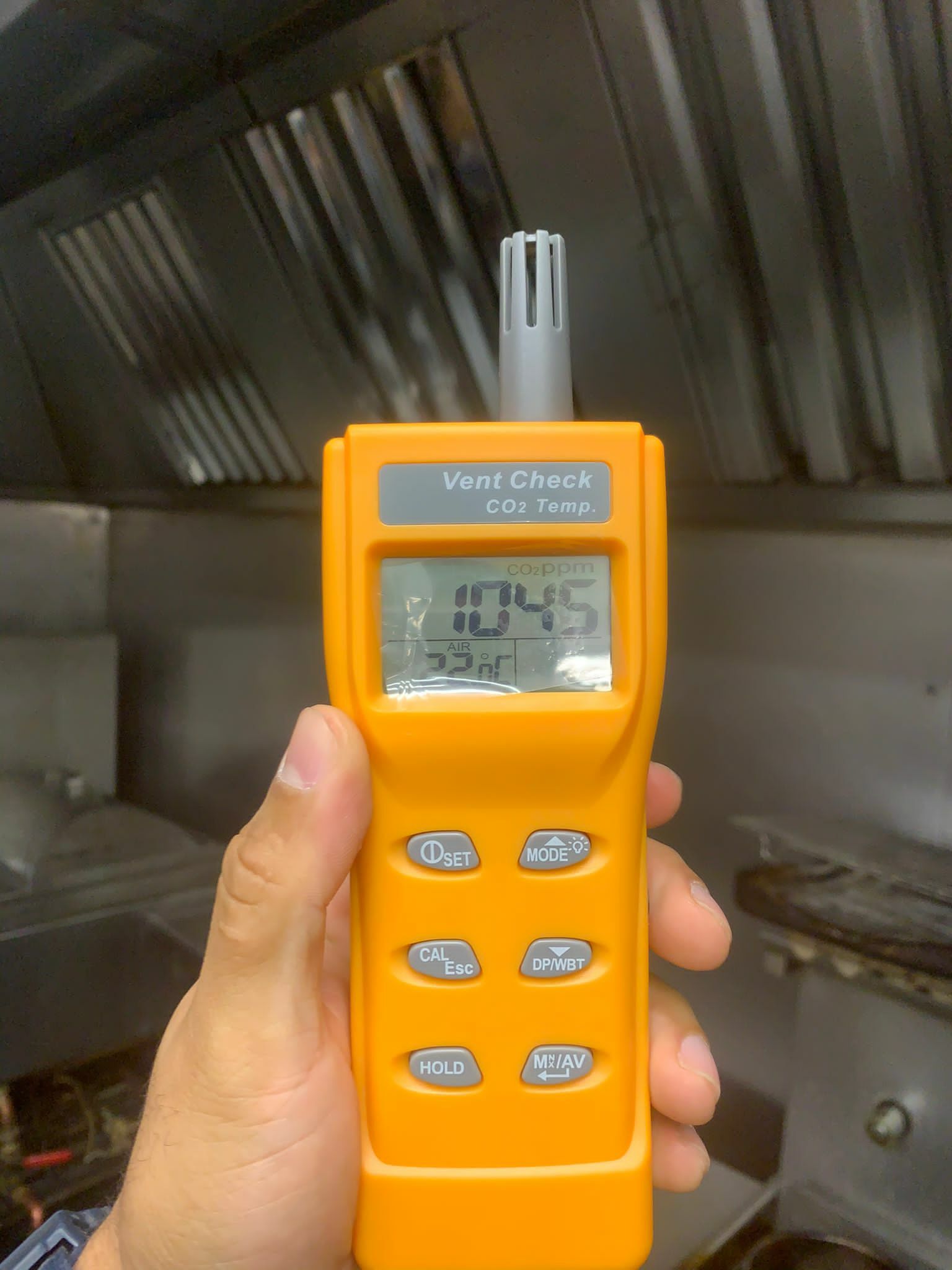
Install Carbon Monoxide Detectors: Place carbon monoxide detectors near bedrooms and common areas to alert you of any dangerous levels of this odorless gas.
Signs of Carbon Monoxide Presence
Regularly checking for common signs can help you detect the presence of carbon monoxide in your home quickly and effectively. Common symptoms of carbon monoxide exposure include headaches, dizziness, nausea, shortness of breath, confusion, and blurred vision.
If you or your family members experience these symptoms and notice that they improve when you leave the house but return when you come back, it could indicate a carbon monoxide leak.
Prevention is key to avoiding the dangers of carbon monoxide poisoning. Install carbon monoxide detectors on every level of your home and make sure they're in good working condition by testing them regularly. Additionally, have your gas appliances serviced annually by a qualified professional to check for any leaks or issues that could lead to carbon monoxide buildup.
Taking these preventive measures can help keep you and your loved ones safe from the silent threat of carbon monoxide.
Gas Leaks and Their Dangers
If you notice a gas leak in your home, prompt action is crucial to prevent potential dangers and safeguard the safety of you and your family. Gas leaks can lead to serious health risks and even fatalities if not addressed promptly. Here are some essential points to keep in mind:
Gas leak prevention: Regularly inspect your gas appliances for any signs of wear and tear, maintain proper ventilation in your home, and avoid DIY installations or repairs that could result in leaks.
Emergency response planning: Make sure all family members know how to recognize the signs of a gas leak, such as a rotten egg smell, hissing sounds near gas lines, or dead houseplants. Establish a clear evacuation plan and practice it regularly so that everyone knows what to do in case of a gas leak emergency.
Immediate action: If you suspect a gas leak, evacuate the premises immediately, leave doors and windows open to ventilate the area, don't turn on or off any electrical switches, and contact the gas emergency helpline or a qualified professional to assess and fix the leak.
Taking these precautions and being prepared can help you stay safe in the event of a gas leak in your home. https://londoncommercialgasengineer.com/commercial-gas-leak-detection.html
Importance of Regular Inspections
Regular inspections of your gas systems are essential.
They help in identifying potential issues before they escalate, ensuring the safety of your home and loved ones.
Inspection Frequency Importance
Ensuring your gas appliances undergo routine inspections is vital for maintaining a safe living environment in London homes. Here's why it's essential:
Preventing Gas Leaks: Regular inspections help identify potential leaks early, preventing hazardous situations.
Ensuring Proper Functionality: Inspections ensure that your gas appliances are functioning correctly, reducing the risk of malfunctions.
Compliance with Regulations: Regular checks help you comply with safety regulations, giving you peace of mind that your home is safe.
Identifying Potential Issues
Maintaining the safety of your gas appliances through routine inspections involves identifying potential issues before they escalate into hazardous situations. By conducting regular checks, you can spot potential risks such as gas leaks, carbon monoxide emissions, or faulty connections.
These issues may seem minor at first but can quickly develop into significant safety hazards if left unattended. Safety precautions like checking for yellow flames instead of blue, ensuring proper ventilation, and monitoring for unusual odors are essential steps in preventing emergencies.
Addressing these warning signs promptly during inspections can help you avoid dangerous situations and protect your household from the potential dangers associated with malfunctioning gas appliances. Regular inspections are key to ensuring the ongoing safety of your home.
Ensuring Gas Safety
To uphold gas safety in your home, prioritize the importance of consistent inspections to prevent potential hazards. Regular checks are essential to make sure your gas appliances are functioning safely. Here's what you should consider:
Gas Safety Tips: Familiarize yourself with gas safety tips to use appliances correctly and recognize warning signs of potential issues.
Emergency Procedures: Have clear emergency procedures in place in case of a gas leak or suspected carbon monoxide poisoning.
Professional Inspections: Schedule annual inspections by a Gas Safe registered engineer to thoroughly examine your gas systems and appliances.
Following these steps will help maintain a safe environment in your home and prevent dangerous gas incidents.
Safe Practices for Gas Usage
Staying vigilant about gas leaks and promptly addressing any concerns is essential for ensuring the safety of your household. When it comes to safe gas practices, there are a few key tips to keep in mind. Firstly, make sure to have carbon monoxide detectors installed in your home and test them regularly to verify they're functioning correctly. Additionally, it's important to schedule annual gas appliance checks by a qualified engineer to identify and fix any potential issues early on.
In case of a gas leak, knowing the emergency response procedures is crucial. If you suspect a gas leak, open all windows and doors to ventilate the area, avoid turning on/off any electrical switches, and leave the premises immediately. Once you're at a safe distance, contact the National Gas Emergency Helpline for immediate assistance.
Frequently Asked Questions
Can Gas Leaks Occur Even in New Appliances?
Yes, gas leaks can still occur in new appliances. Proper appliance maintenance is essential for gas safety. Regularly check for any signs of leaks or malfunctions.
Install carbon monoxide detectors and schedule annual inspections by a qualified professional. Prevention is key to ensuring your home's gas safety.
Stay vigilant and address any issues promptly to reduce the risk of gas leaks in your new appliances.
How Can I Improve Indoor Air Quality?
To improve indoor air quality, consider using air purifiers and ensuring proper ventilation systems in your home.
Air purifiers can help remove pollutants, allergens, and odors from the air you breathe, creating a healthier environment.
Ventilation systems help circulate fresh air and prevent the buildup of harmful gases or mold.
What Are the Long-Term Effects of Carbon Monoxide Exposure?
Breathing in carbon monoxide can lead to serious health risks. To safeguard against long-term effects of exposure, make sure your home has a working carbon monoxide detector.
Regular maintenance of gas appliances and proper ventilation are key prevention measures. Stay safe by being aware of the dangers and taking necessary precautions.
Your health is important, so prioritize safety in your living environment to avoid the harmful impacts of carbon monoxide exposure.
Are Gas Leaks More Common in Certain Types of Homes?
Gas leaks can occur in any type of home, but they may be more common in older buildings due to aging pipes and fittings. High-rise apartments can also be at higher risk due to the complex gas systems and multiple units.
Regular maintenance and inspections are vital to prevent gas leaks and safeguard the safety of residents. Be sure to stay vigilant and report any gas-related concerns promptly to avoid potential hazards.
Can DIY Gas Appliance Repairs Be Dangerous?
When it comes to gas appliance repairs, safety risks are a pivotal concern. DIY repairs can be hazardous if not done correctly. It's essential to understand the potential hazards involved and to follow proper procedures.
Gas leaks, explosions, and carbon monoxide poisoning are all serious risks that can result from improper DIY repairs. To guarantee your safety and the safety of others, it's best to leave gas appliance repairs to trained professionals.
To summarize, staying safe from gas hazards in your London home is essential. Be sure to address common appliance issues, guarantee proper ventilation, and watch for signs of carbon monoxide.
Always be on the lookout for gas leaks and prioritize regular inspections to keep your home safe. By following these tips and practicing safe gas usage, you can protect yourself and your loved ones from potential dangers. https://beacons.ai/londongasengineer
Stay vigilant and prioritize gas safety in your home.