
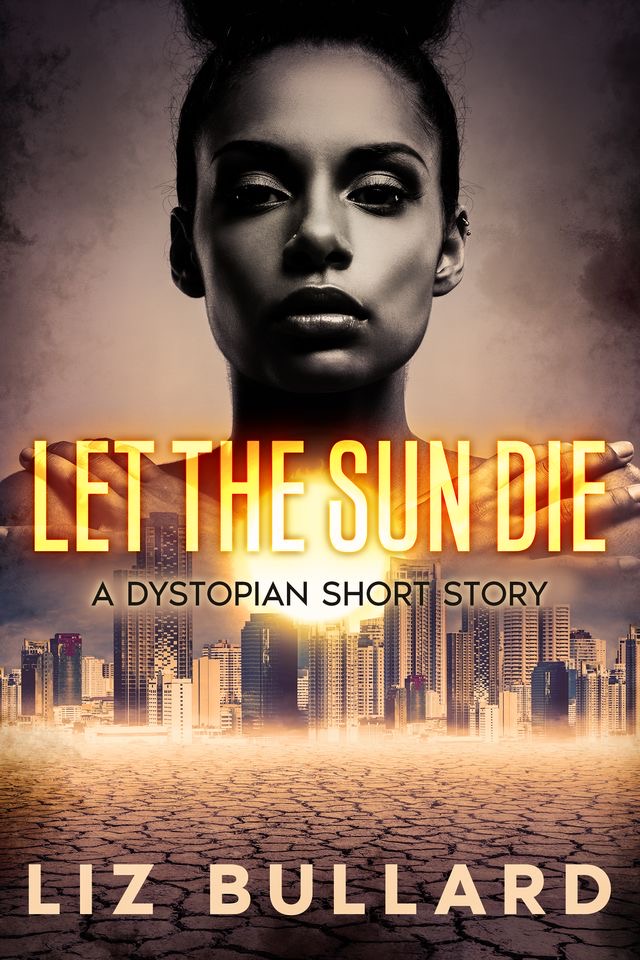
Present Day
2095
The snap of the containment suit helmet is loud and heavy. Cold oxygen tank air fills my desperate airways. The artificial scent allows me to fully expand my lungs, a luxury we don’t have in the cave.
“Ready, Mara?” Miguel calls with bright eyes that do not match my worn expression that glares back at me from his reflective helmet. The image staring back at me is of a woman with skin not fully melanated from the lack of sun, freckles that my mother once called cute, and eyes yearning for something real—not artificial, like this oxygen or manufactured cave light preserving our limited food source. Not stolen moments, above-ground scavenging for resources or information on how to cure a dying sun. I want what they took for granted in the old days, not bitter, acrid rage from being left to live with the brunt of all their reckless decisions.
Refusing to waste a milliliter of precious oxygen on his question, I step forward. No, I am not ready to step into a wasteland that echoes death like a sonnet. I have no desire to walk through dust-covered buildings searching for hope, only to find skeletal remains and a glimpse of our future if we do not find a cure in three years.
Above ground is darker than the cave. At night, it’s as dark as the deep oceans described in books. During the day, the world brightens, but the sky remains dim, like night never fully gives way to morning. I search the sky and find our guiding star—the sun, faintly illuminated by the moon—a flickering shadow leading us toward the city.
Time is a fairytale construct in a world where light shifts so infrequently. Instead, it’s measured in breaths and oxygen signals—two beeps means to head back to the cave, and three means take shallow breaths not to suffocate in the suit designed to keep us warm and breathing.
We reached the city, which really is not one based on images preserved in textbooks with skyscrapers and stories told by those old enough to remember life before the sun dimmed. The sign reads Welcome to Albuquerque, and there are buildings as tall as the cave’s entrance. We have been here before, but never as close to the university we intend to explore today. We pass broken and burned buildings, stepping over the remains of pets and people who never reached shelter. Some remains are badly decayed, bearing sixty-eight years of wear; others are more recent, victims who died while journeying to our colony. I was an infant when the old faction collapsed, and we fled to our current living quarters. I was not privy to who survived the trek and who didn’t, but a part of me thinks true salvation would have been to lie among these remains.
The university looks like it could be another city with as many structures as it has. Miguel motions to one building he wants to explore. I let him take the lead. He enjoys “adventuring,” as he calls it, longing to know life outside the cave. We are both around the same age and never knew the sunlit world—but his love for searching for salvation grew with age, while mine got lost somewhere between teen years and adulthood. Miguel continues to turn down hallways and push through doors with wonder, while I step slowly with no hope any of us will be saved.
“Split up?” Miguel uses his voice, he hates the silence of this dystopian world.
I do not speak. I turn from him, searching on my own. Even without this suit, I do not speak much. I hate how the lack of oxygen steals words, and the days when conservation notices signal community silence so the plants can thrive—saving us from starvation.
I head toward a building with illegible lettering. Stepping inside, dust and cobwebs, line the halls. There are no fresh tracks, nothing indicating someone has been here for eons. Pushing open a nearby door, I scan the room. My heart feels excited—a feeling lost to me for weeks—this room has rows of books. These bound documents store places I will never see and people I will never know. They coat my mind with images that even my dreams have not seen. I love books. Removing a cloth from a pocket of my containment suit, I wipe dust from my helmet, clearing my vision.
There are no bodies in libraries, but if the world was ending, I would rather die with a book in hand, and images of magic in my mind, than in a car searching for nothing among dying streets. I linger between rows, searching for texts that interest me. Sometimes I bring stories for the children or elderly bored to tears or begging for freedom. Often I am scolded for bringing back a pack filled with books rather than food, but that’s why they pair me with Miguel.
I tap my shoulder, widening the light. My fingers glide over books, swiping dust from once-loved spines. I long to remove this glove and feel its texture. A red book stands out from the sea of browns, removing it, I immediately recall the text.
“Beloved by Toni Morrison.”
I speak the words, savoring them. I remember this book from texts speaking of banned and burned literature, like that would remove history. Like disposing books would be a salvation and not a detriment to the living. Gently, I set it back in place and move forward, interested in what else hides among the shelves.
Walking rows more, I almost discard my task with a meager three books tucked in my pack, when my eyes notice a binding different from the rest. Amongst thick textbooks, white and formulaic in design, is a smaller one that looks leather in texture. The spine is much thinner than its companions, almost hiding it too well. My steps echo as I walk toward the item, illuminated like the heavens have parted. The spine has no text. I wedge it from its place; the books make a loud sound as they fall over, filling the space.
The front cover is more ornate, with an etched compass and rawhide wrapping. There is a slight tear in the rawhide cover, worn with age. My fingers, thick from the glove, tremble as excited anticipation flows through me. Yellowed pages stare back at me as I notice the dates on the pages—sixty-eight years ago.
This is from someone who was at the dawn of the dimming.
Flipping through, I almost put what looks to be an ordinary journal back, when one sentence changes everything.
I am responsible for the sun’s death. By the end of this, I hope you understand why.
My eyes are too stunned to read further as I try to process what lies in my hands.
Beep beep.
The oxygen tank sounds, and I realize how rapid my breath is. Stuffing the journal in the hidden lining of my pack, I plan to read the contents for myself before bringing this to our council, a seven-person group that dictates our future. Stepping into the hallway, I search for Miguel, but my mind never leaves the words on the page or the question of why someone would want the sun to die?
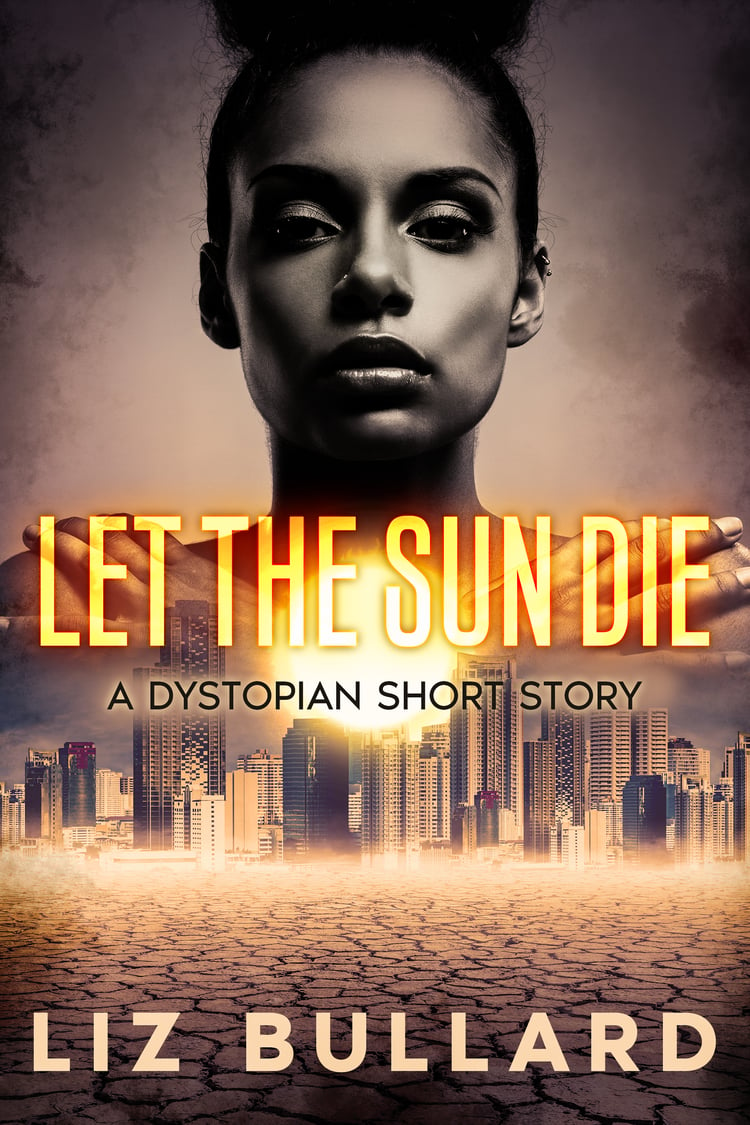
Releasing January 5th, 2026 https://a.co/d/ecnIvdp
©️2025