
Stretching often feels optional, easy to skip after a challenging workout. It’s usually the first thing to go when we’re short on time or feeling lazy (speaking from experience). But stretching plays a key role in how we recover, move, and feel day to day.
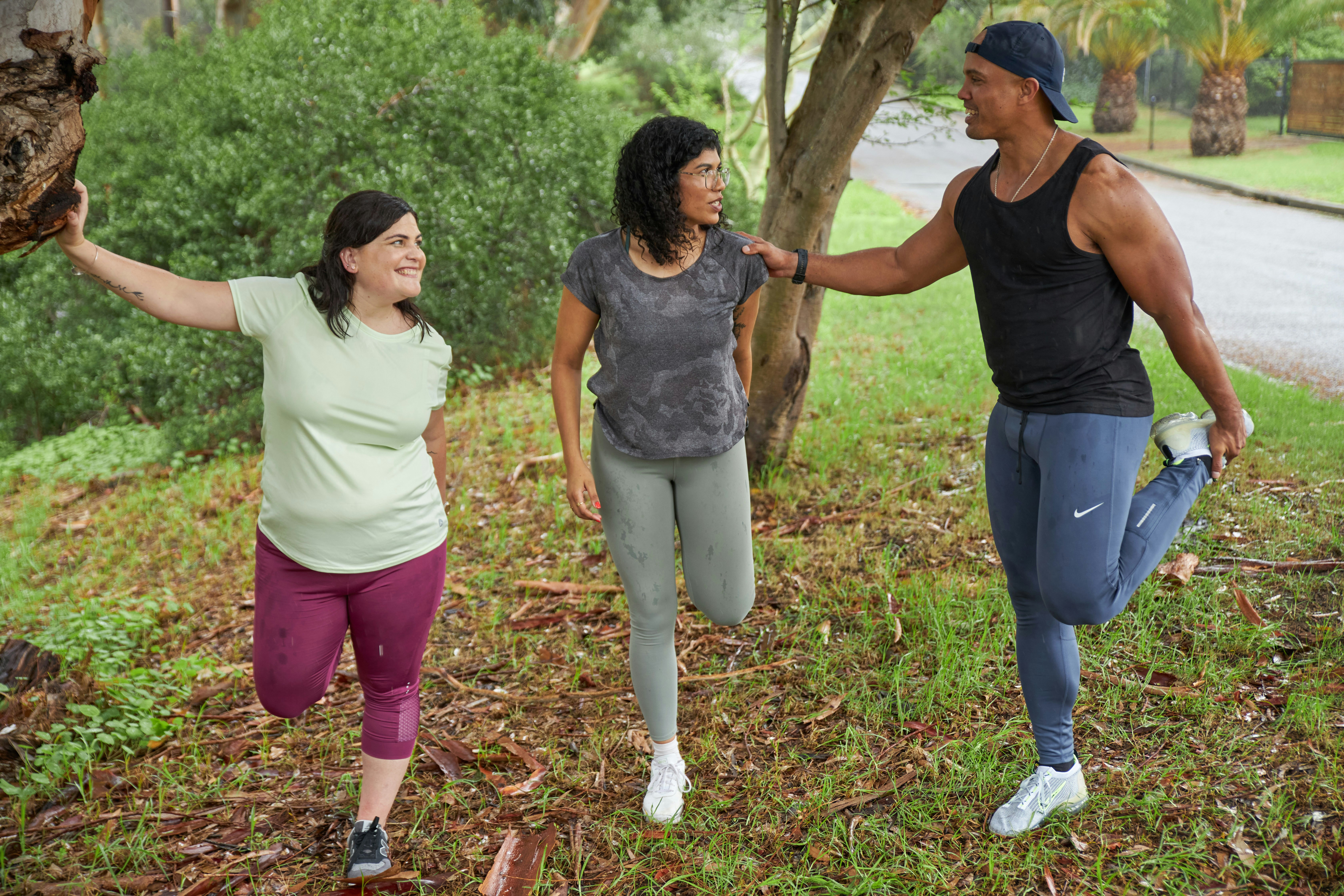
There are two main types of stretching: dynamic and static. Dynamic stretching involves moving through a range of motion (such as leg swings or arm circles) and is used during warm-ups. Static stretching, where a position is held for a set time, is most effective during the cool-down.
After a workout, muscles are left in a shortened, contracted state. Static stretching helps to relax and lengthen them again, returning them to resting length. This process supports recovery by promoting blood flow to the muscles, which helps remove waste products (such as lactic acid) and reduce post-exercise soreness.
It’s not just the body that benefits. Stretching can also help downregulate the nervous system. Those few minutes of stillness and deep breathing after training shift us from a high-alert state (sympathetic) into a calmer, more restful (parasympathetic) one. This downregulation aids both physical recovery and mental clarity.
Regular static stretching improves flexibility over time by gradually increasing the elasticity of muscles and surrounding tissues. With better flexibility comes better movement—like squatting deeper, reaching overhead more comfortably, or simply feeling less stiff in daily life.
The American College of Sports Medicine (ACSM) recommends the following guidelines for static stretching:
Hold each stretch for 15 to 60 seconds, with longer durations (closer to 60 seconds) showing greater flexibility improvements.
Repeat each stretch 2 to 4 times per muscle group.
Stretch several times per week for the best results.
Stretching also helps counteract postural imbalances by lengthening the muscles that have become shortened and restricted through daily habits and training. Long hours of sitting, especially in a slouched or hunched position, can lead to tight hips, rounded shoulders, and lower back tension. When muscles like the hip flexors and chest become shortened from this kind of posture, they can pull the body out of alignment over time.
Targeted static stretches for the chest, hip flexors, and hamstrings—paired with strength work for opposing muscles, including the upper back and glutes—can help bring the body back into better postural alignment. As such, incorporating flexibility work is essential for correcting postural dysfunction and improving overall movement quality.
Finally, stretching is an important part of injury prevention. Injuries often happen when the body is forced into a range of motion it’s not prepared for. Flexible, well-conditioned muscles better tolerate unexpected or awkward movements, lowering the risk of injury. When combined with strength training and mobility work, stretching supports a more balanced, resilient body that’s better equipped to handle the demands of both training and daily life.
A stretch routine doesn’t need to be long or complicated to be effective. Just a few minutes, done consistently, can make a big difference in how your body feels and functions. Whether you’re cooling down after a workout, loosening up after sitting too long, or starting your day more mobile, building a habit of stretching supports recovery, posture, and everyday movement.