

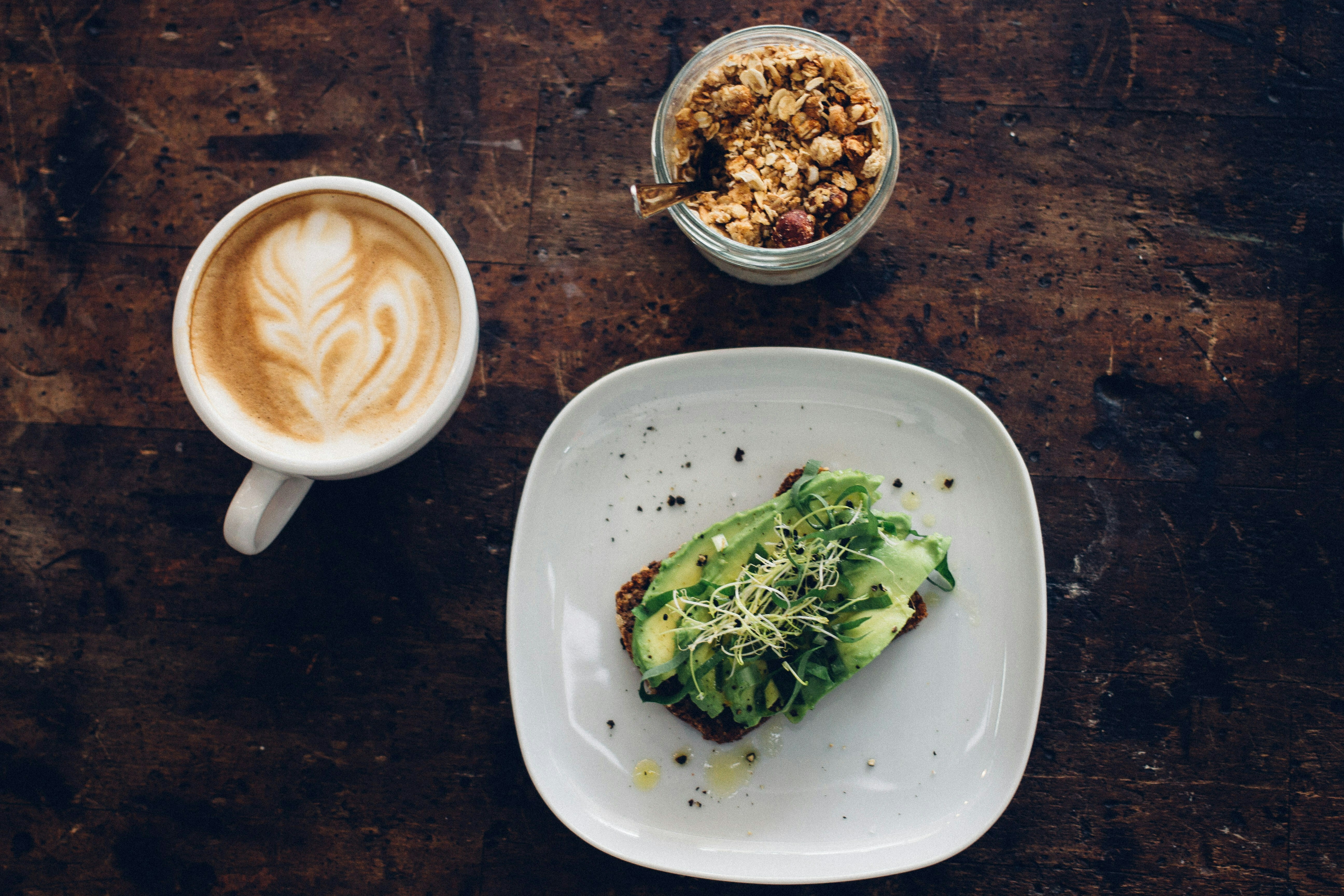
Strawberry yogurt and cereal with a piece of toast sounds like a nutritious breakfast. Yogurt is high in protein. The cereal and toast contain added fibre. These foods are fortified with vitamins and minerals, which justify their nutrition content claims such as low fat, high protein, and a good source of calcium.
When we talk about nutrition, we focus on the nutrient profile of foods. Bananas have potassium. Carrot contains vitamin A. Fish is high in omega 3. This narrative is largely influenced by the Australian Dietary Guidelines, which prescribe the amounts and types of foods to consume for a healthy diet.
Through this lens, fortified breakfast foods are relatively more nutritious than their unfortified equivalents. Low fat fruit yogurt and high protein bread appear preferable due to their superior nutritional claims. However, these foods are also ultraprocessed.
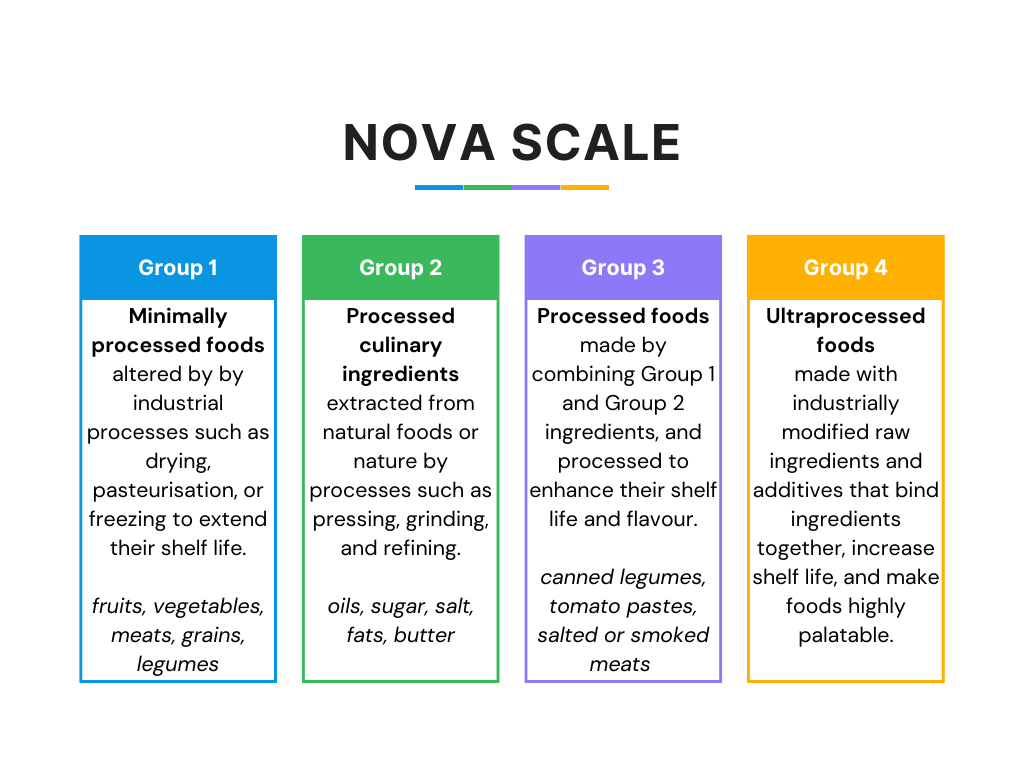
Ultraprocessed foods are those made with industrially modified raw ingredients and additives that bind ingredients together, increase shelf life, and make foods highly palatable.
Industrially modified ingredients include:
sugar varieties (high-fructose corn syrup, fruit juice concentrates, lactose)
modified oils (vegetable oils combined with hydrogen in a process called hydrogenation)
protein sources (soya protein isolate, gluten, casein, whey protein).
Additives enhance foods' sensory properties, making them more appealing to see, taste, smell, and touch. Examples include flavours, flavour enhancers, colours, emulsifiers, emulsifying salts, sweeteners, thickeners, and anti-foaming, bulking, carbonating, foaming, gelling and glazing agents.
Ultraprocessed foods make up the fourth and most heavily processed category in the NOVA Food Classification System, which ranks foods based on the extent and purpose of their processing. Introduced in 2009, the NOVA system shifted our narrow focus on nutrients alone, encouraging us to consider how food is made—not just what it contains. This framework has since enabled researchers to explore the health impacts of food processing more deeply.
A 2019 study by Kevin Hall was the first to show a direct causal link between ultraprocessed foods and weight gain. Participants were fed either an ultraprocessed or minimally processed food diet, matched for nutrient content, for two weeks before switching to the other diet for another two weeks. In both conditions, participants were given access to about double their caloric needs and told to eat as much as they wanted.
On average, people in the ultraprocessed diet group consumed about 500 calories more per day than those in the minimally processed diet group. The former group also ate faster and gained about a kilogram in two weeks. These participants then lost this weight upon switching to a minimally processed diet.
In his paper, Hall shares two explanations for his findings. First, ultraprocessed foods are made ‘hyper palatable’ by ingredients and processing methods that artificially enhance their flavour, texture, and smell. Ultraprocessed foods are high calorie dense foods with extremely palatable fat, salt, and sugar combinations that encourage overconsumption.
The other cause of weight gain is the low satiety factor of ultraprocessed foods. Industrial processing methods reduce the fibre content in foods, leaving people feeling less satiated after eating and leading them to consume larger amounts.
Hall’s study is one of many examining the health effects of ultraprocessed foods over the nearly two decades since their coining. An ‘umbrella review’ published this year compiles the mounting evidence linking ultraprocessed foods and negative health outcomes. The review found ‘convincing’ evidence that a highly ultraprocessed diet increases the risk of heart disease, type 2 diabetes, anxiety, and cardiovascular disease-related mortality.
Alarmingly, ultraprocessed foods make up 42% of the total energy intake among Australian adults, with the cost of living pressures driving an uptick in consumption rates. We live in an unfortunate reality where ultraprocessed foods are cheaper and more convenient than their healthier, lesser processed alternatives. In Hall’s study, the minimally processed meals cost 40% more and took chefs longer to prepare.
For most, it would be unfeasible (and potentially depressing) to eliminate ultraprocessed foods. However, we can take steps to eat a healthier diet while being mindful of our ultraprocessed food consumption.
An easy way to identify ultraprocessed foods is by checking the ingredient list for industrially modified raw ingredients and additives (listed above), which are never or rarely used in kitchens. While many modern breakfast foods are ultraprocessed, their minimally processed counterparts remain a relatively accessible substitute, for example, plain yogurt, fresh bread, and oats. We can reduce our overall consumption of ultraprocessed foods by prioritising unprocessed and minimally processed foods where possible.