

Fly tying can be an intricate and rewarding craft that allows anglers to create their own flies, mimicking the natural food sources of fish. While the art of fly tying can be as simple or complex as you wish, having the right tools is essential for creating effective and quality flies. After years of experience at the vise, I’ve narrowed down my top five fly tying tools that every fly tier should have in their arsenal. I have listed them in no particular order. It is worth noting at this point that tying your own flies will not save you money, no! It will take you down the rabbit hole one which is as deep as that of fly fishing itself.
1. Fly Tying Vice
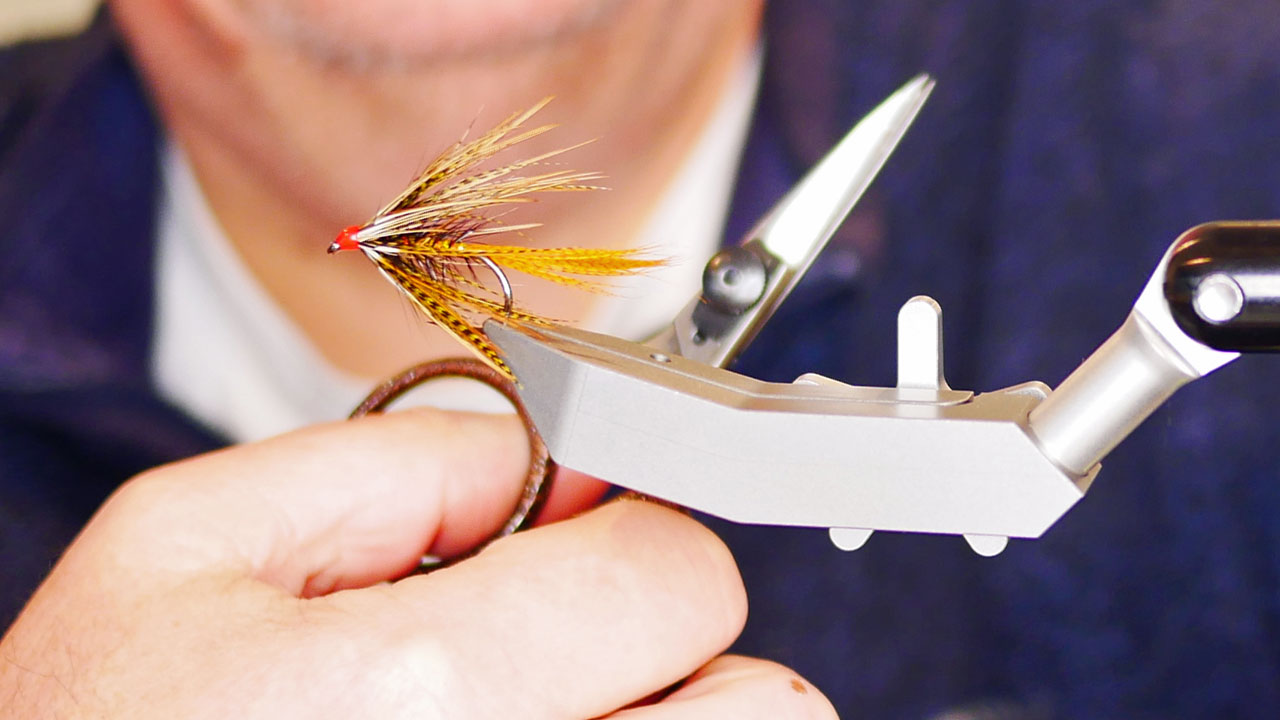
The fly tying vice is arguably the most important tool in any fly tiers kit. It holds the hook securely in place while you work on your fly. A good vice should be adjustable to accommodate different hook sizes and provide a stable grip. In my experience, rotary vices are particularly beneficial as they allow you to rotate the fly to access all angles without having to reposition the hook. This feature is invaluable for intricate patterns or when applying materials evenly. Look for vises made of durable materials that offer a smooth operation, as this will enhance your tying experience and improve the quality of your flies. You don’t have to start with the most expensive vice on the market but I would suggest that the bulk of your budget is assigned to your vice. The old phrase buy cheap buy twice comes to mind. A quality vice will last you a lifetime.
2. Bobbin Holder
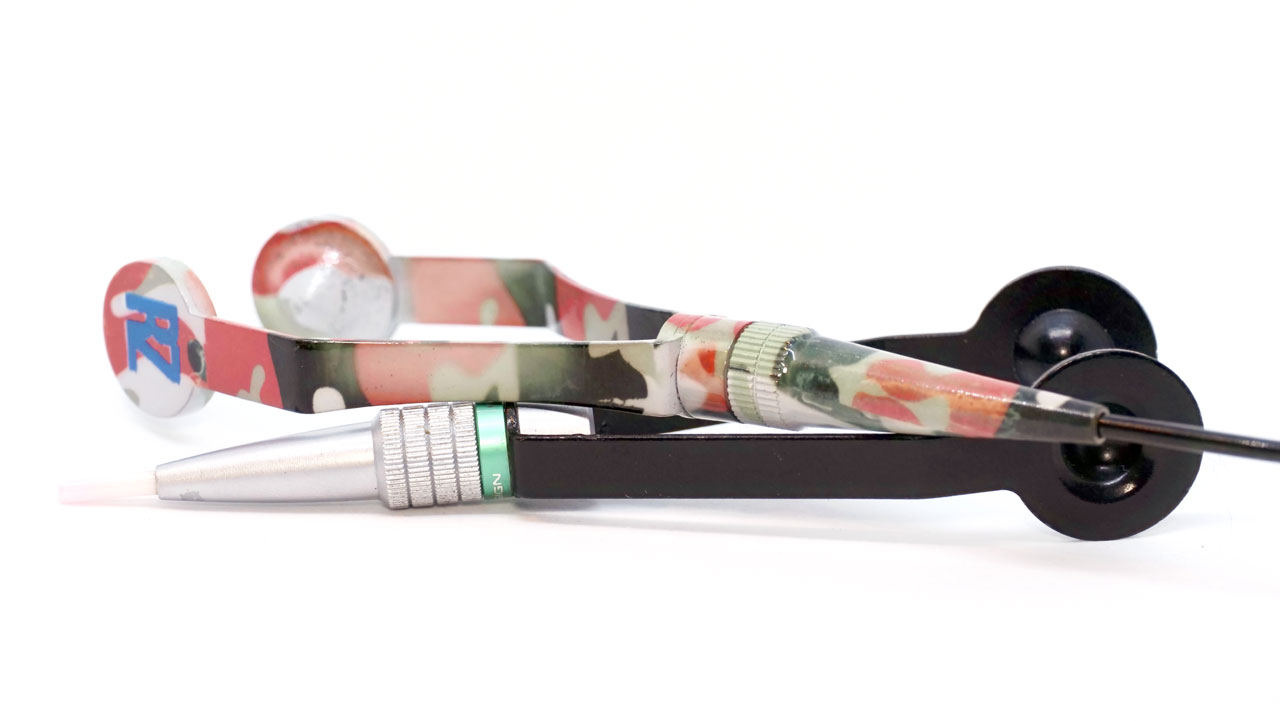
The bobbin holder is a simple yet essential tool that holds the thread spool and allows for controlled tension as you wrap thread around the hook. A quality bobbin not only facilitates smooth thread application but also minimises tangles and breakage. I recommend choosing a bobbin with a ceramic or stainless steel tip, as these materials reduce friction and wear on your thread, ensuring a consistent and even application. Having a good bobbin holder can make the difference between a frustrating tying session and a productive one, as it allows for precision and ease of use. Again as with most things related to fly tying you can spend a lot of money if you wish. It is probably best to try a few before deciding which one best suits your needs.
3. Scissors
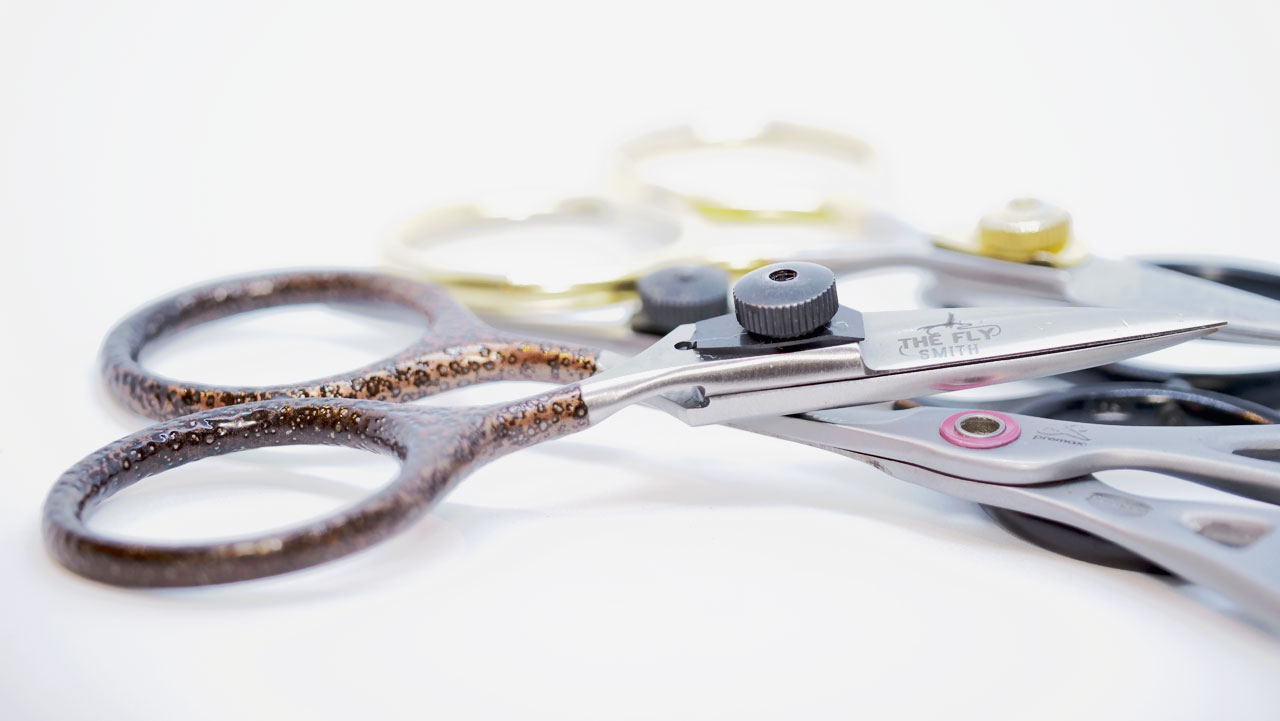
Having come from a tailoring background I really understand the importance of scissors. A pair of sharp, precise scissors is crucial for any fly tying setup. Whether you’re snipping thread, cutting materials, or shaping the fly, a good pair of scissors will make your job easier and more efficient. I prefer scissors with fine tips and serrated edges, as they allow for detailed cutting and offer a better grip on slippery materials. Keep in mind that having multiple pairs—one for general use and another specifically for cutting delicate materials—can enhance your tying experience. A dedicated pair for cutting wire or heavy materials can help prolong the life of your finer scissors. I have bought expensive scissors that were poor and more economical scissors that served me well. Depending on how much tying you do all scissors will blunt. You can get them sharpened or simply replace them. If like me you use a lot of GSP threads in your tying more than likely your scissors will not last as long.
4. Hackle Pliers
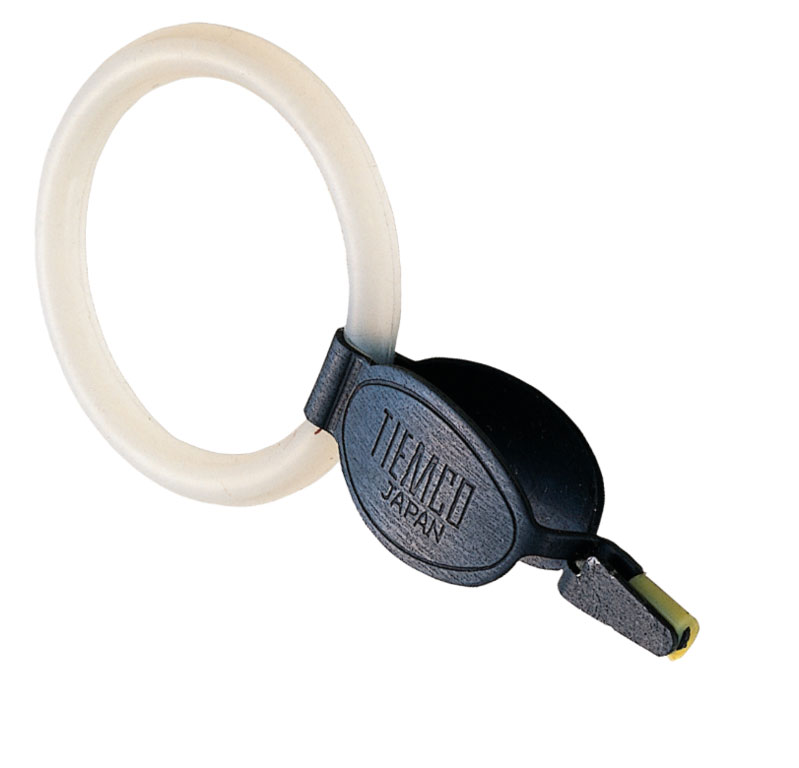
Hackle pliers are essential for handling and applying hackle feathers, which are often used to create the body and wings of various fly patterns. These pliers grip the feather securely, allowing you to wrap it around the hook with less risk of damaging it. Look for a pair that offers a reliable grip and is easy to manipulate. Some hackle pliers come with a rotating feature, which can be incredibly useful for evenly distributing the hackle around the fly. Choosing the right hackle pliers can make a significant difference in the quality of your finished flies, especially for patterns that require precise hackle placement. Like bobbins hackle pliers can be a very personal tool, try as many as you can before making your choice.
5. Whip Finisher
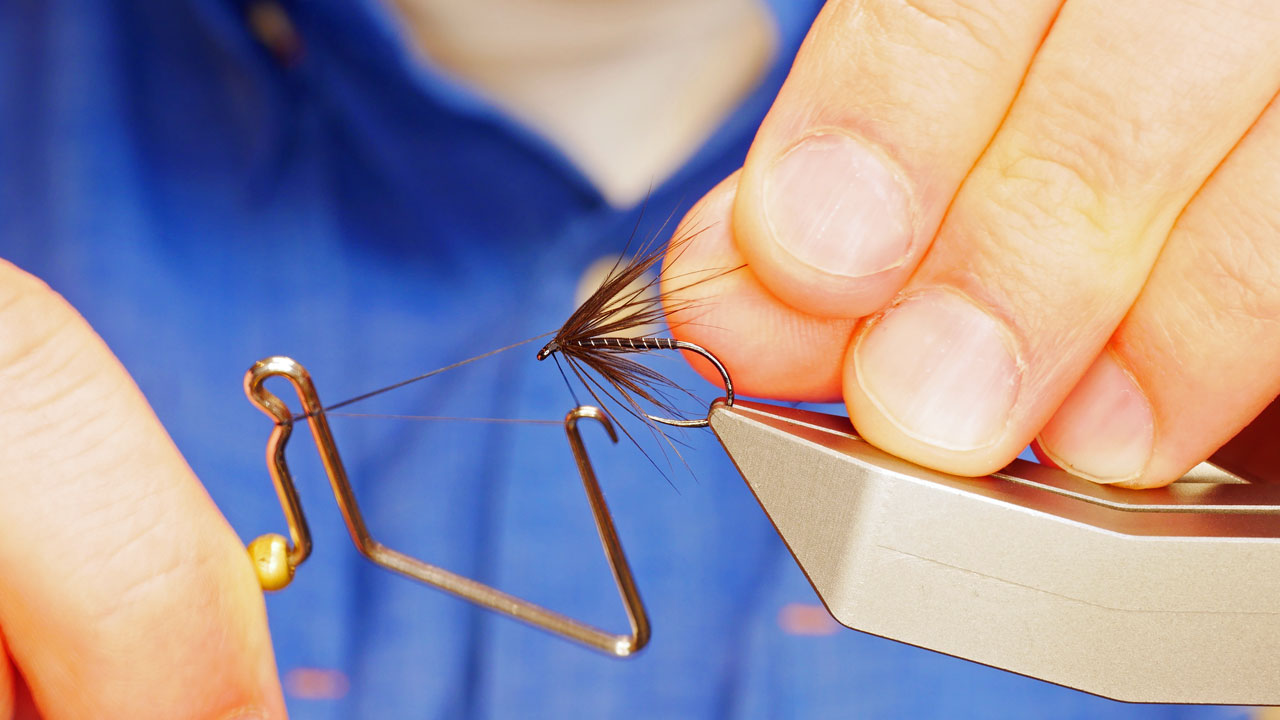
I was unsure whether to add this as for 30 odd years I just used my hands to whip finish. After several comments on my YouTube Channel about its lack of use I decided to learn. I have to say I have never looked back! The whip finisher is a tool that helps you tie off the thread securely at the end of your fly. While some experienced tiers can use their fingers to whip finish, having a dedicated tool can simplify the process and ensure a tight, clean finish. A good whip finisher allows for easy manipulation, making it straightforward to complete your flies with a professional touch. There are various types of whip finishers available, including manual and automatic versions. I recommend experimenting with different styles to find one that feels comfortable in your hands and suits your tying technique. I to this day can still only use the cheap rotating version of the tool.
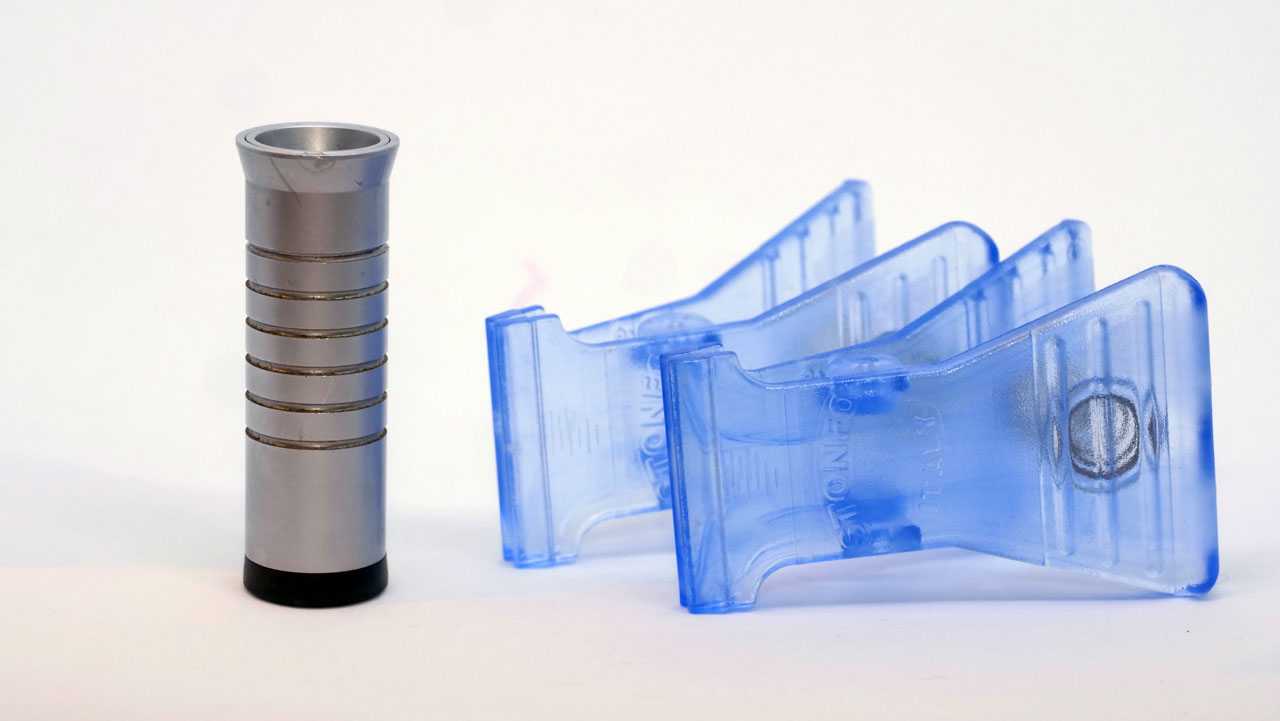
Equipping yourself with the right fly tying tools can significantly enhance your experience and results. A high-quality fly tying vise, a dependable bobbin holder, sharp scissors, effective hackle pliers, and a reliable whip finisher are the five essential tools that every fly tier should consider. With these tools in your kit, you’ll be well on your way to creating beautiful, effective flies that can help you create new and innovative fly patterns.
As you embark on your fly tying journey, remember that practice is key. The more you tie, the more comfortable you’ll become with your tools and techniques. I try to tie at least one or two flies a day to avoid skill fade. As you become more proficient you might well seek out more advanced tools like hair stackers and material clips, my advice if you are new to tying is to pick one pattern and perfect it. Like any hobby once you know the rules you can break the rules, happy tying!
Lindsay Simpson