

Think about the last time something small went wrong. Maybe you sent an email with a mistake. Maybe a friend took hours to text back. Maybe you walked into a room, and the conversation suddenly stopped.
In a second or two, your mind probably said something. Not out loud, but somewhere underneath. I always mess things up. They must be upset with me. Everyone was talking about me.
That quiet commentary is what this chapter is about.
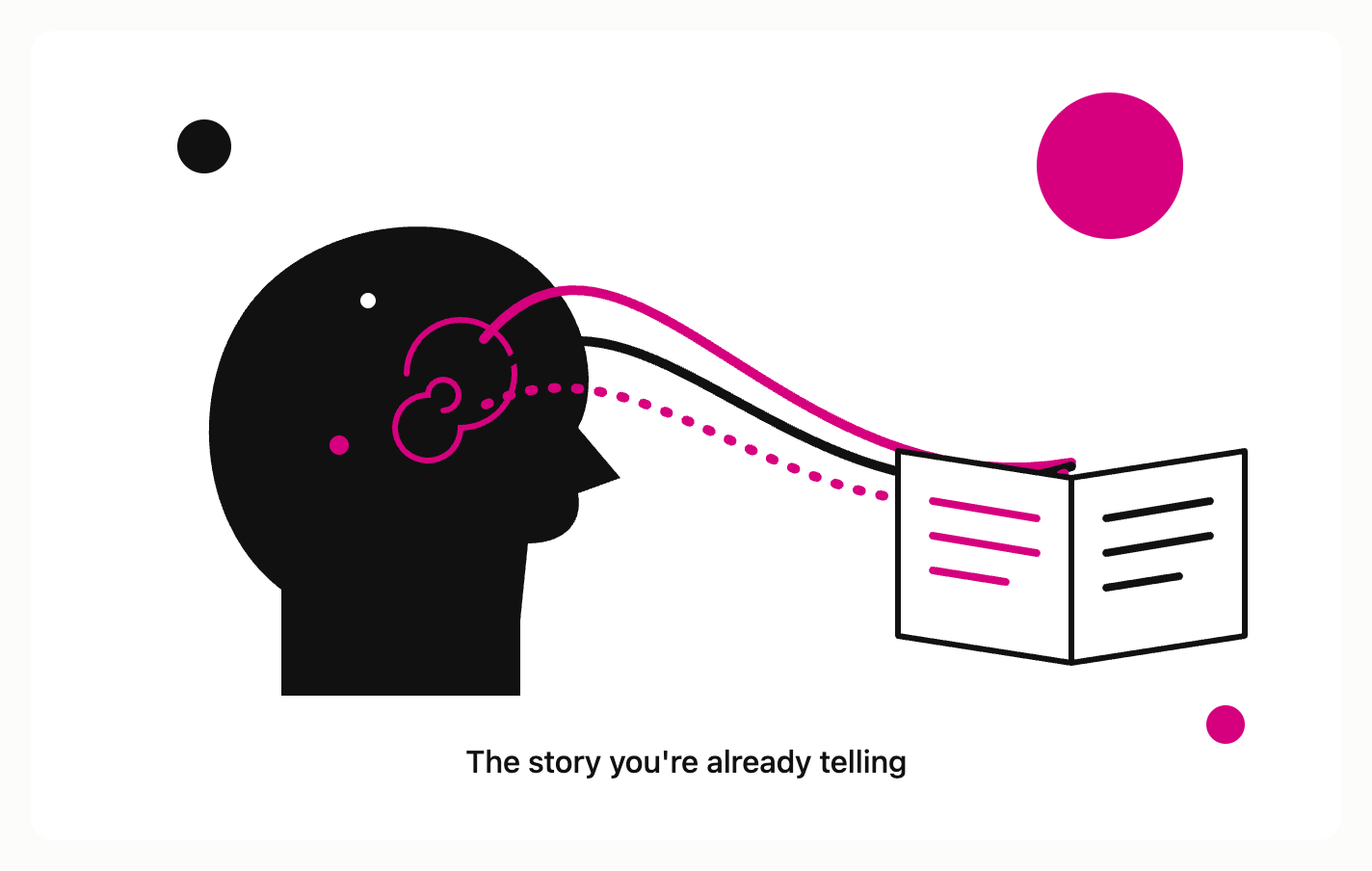
You Are a Storyteller
Every day, your mind takes the raw events of your life and turns them into a story. It decides what happened, why it happened, and what it means about you.
Here’s what surprises most people: the event and the story are two different things.
Say two people both get passed over for a promotion. The first thinks, I’m not good enough. I’ll never get ahead. The second thinks, That stings. I wonder what I can learn, and whether this is the right place for me.
Same event. Two stories. Two very different weeks, and possibly two very different futures.
Why This Matters
Your story acts like a lens. It colors what you notice, how you feel, and what you do next.
If your story says “I’m bad at this,” you’ll likely avoid trying, and then feel proven right.
If your story says “People can’t be trusted,” you’ll keep your guard up, and that distance can make real connection harder.
If your story says “I’m still learning,” you’ll be more willing to try, stumble, and try again.
The story shapes the feeling. The feeling shapes the choice. The choice shapes the result. And then the result seems to confirm the story. Around and around it goes.
Where Your Stories Come From
You didn’t sit down one day and decide to believe these things about yourself. Most of your stories were picked up quietly over time:
Childhood messages from parents, teachers, and peers
Past experiences, especially painful ones
Culture and comparison, including social media
Repetition, because a thought you’ve had a thousand times starts to feel like a fact
That last one is important. A thought can feel true simply because it’s familiar. But familiar and true aren't the same.
The Good News
If you learned your stories, you can question them. And if they can be questioned, they can be rewritten.
You don’t have to erase your past or force yourself to think happy thoughts. Just start noticing the story, then ask a simple question: Is this actually true, and is it helping me?
That’s the heart of the Reframe.
Reframe It
Take five minutes with a notebook and finish these sentences quickly, without overthinking:
“I’m the kind of person who…”
“People like me never…”
“When things go wrong, I usually tell myself…”
Now read your answers back. Circle any that feel more like an old rule than a proven fact. You’re not fixing anything yet. You’re just meeting the storyteller.
Reign Move
This week, catch one moment when your mood shifts suddenly. Pause and ask: What did I tell myself? Write down the thought. That’s it. Awareness is the first act of leadership over your own mind.