

As a paralegal, I often navigate the intricate relationship between technology and the law. The ongoing case surrounding the tragic events involving Idaho 4 raises significant questions about the role of digital forensics and surveillance in modern criminal investigations. This case involves complex evidence and could set important legal precedents for future cases.
Background: The Idaho 4 Case
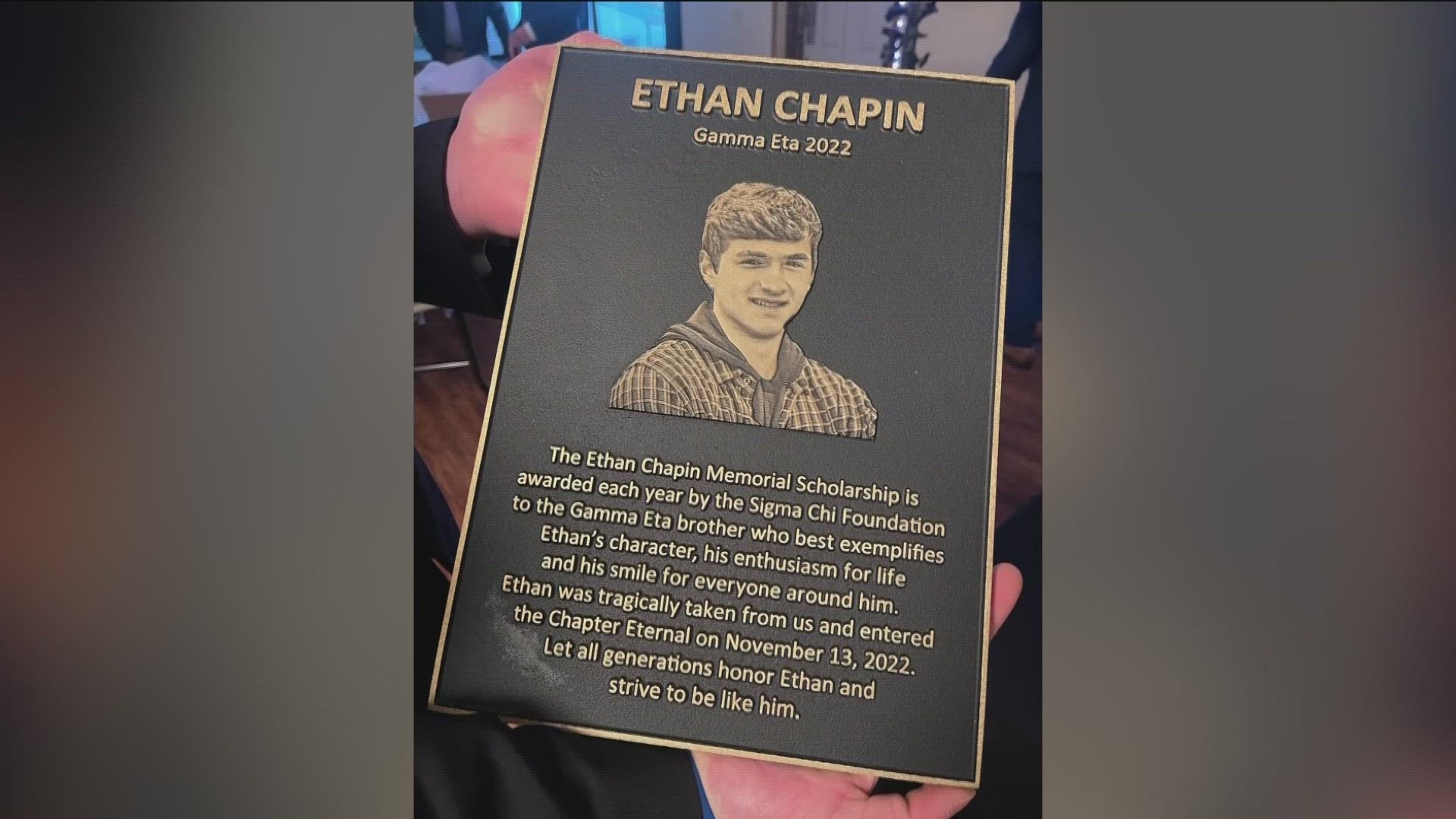
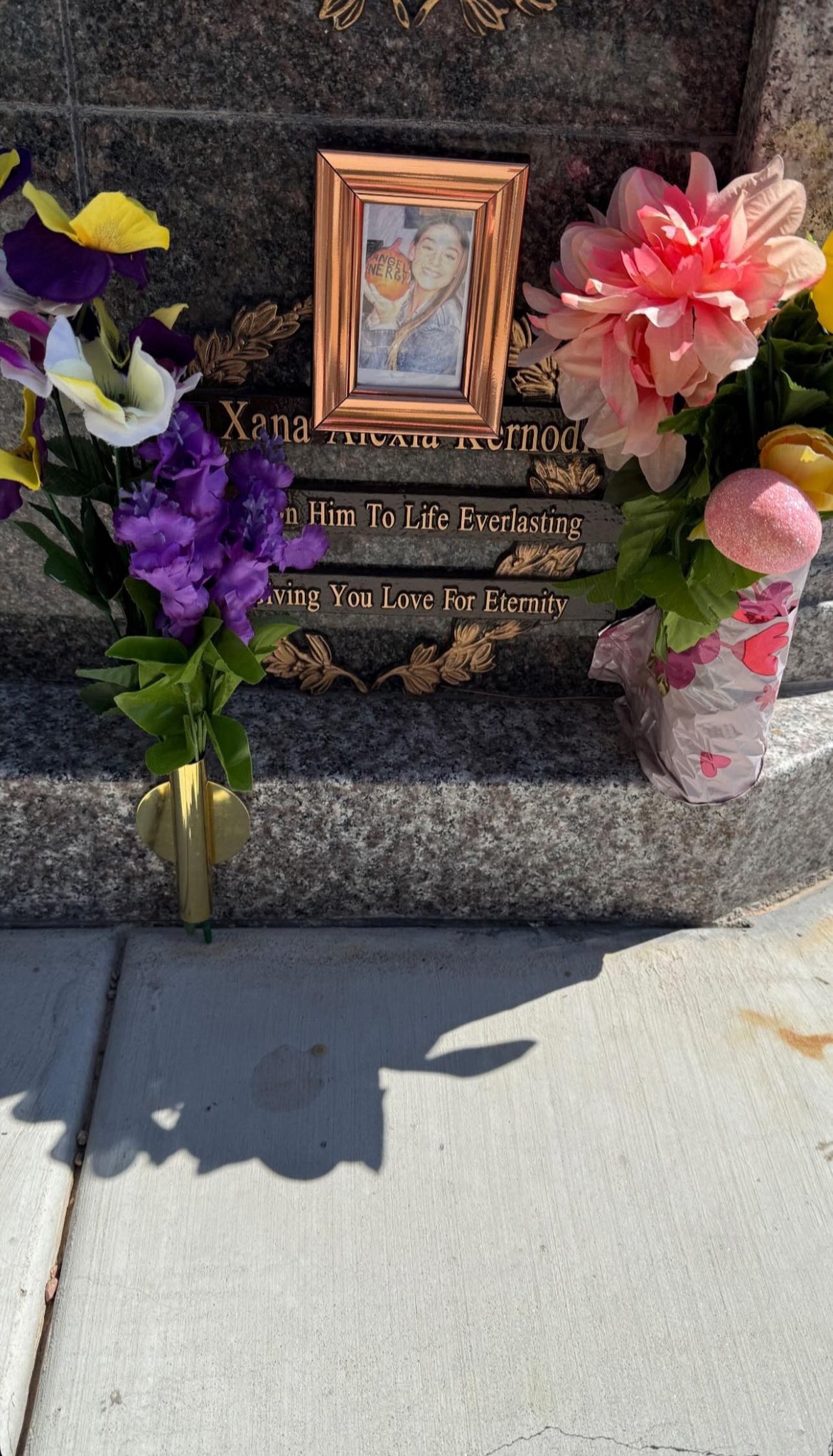
The Idaho 4 case involves the murder of four University of Idaho students, Kaylee Gonclaves, Xana Kernoodle, Madison Mogen, and Ethan Chapin, with the investigation heavily relying on digital evidence, including text messages and 911 calls. As detailed in various court documents, including the recent orders on motions in limine, the admissibility of this digital evidence is crucial for the prosecution's case. 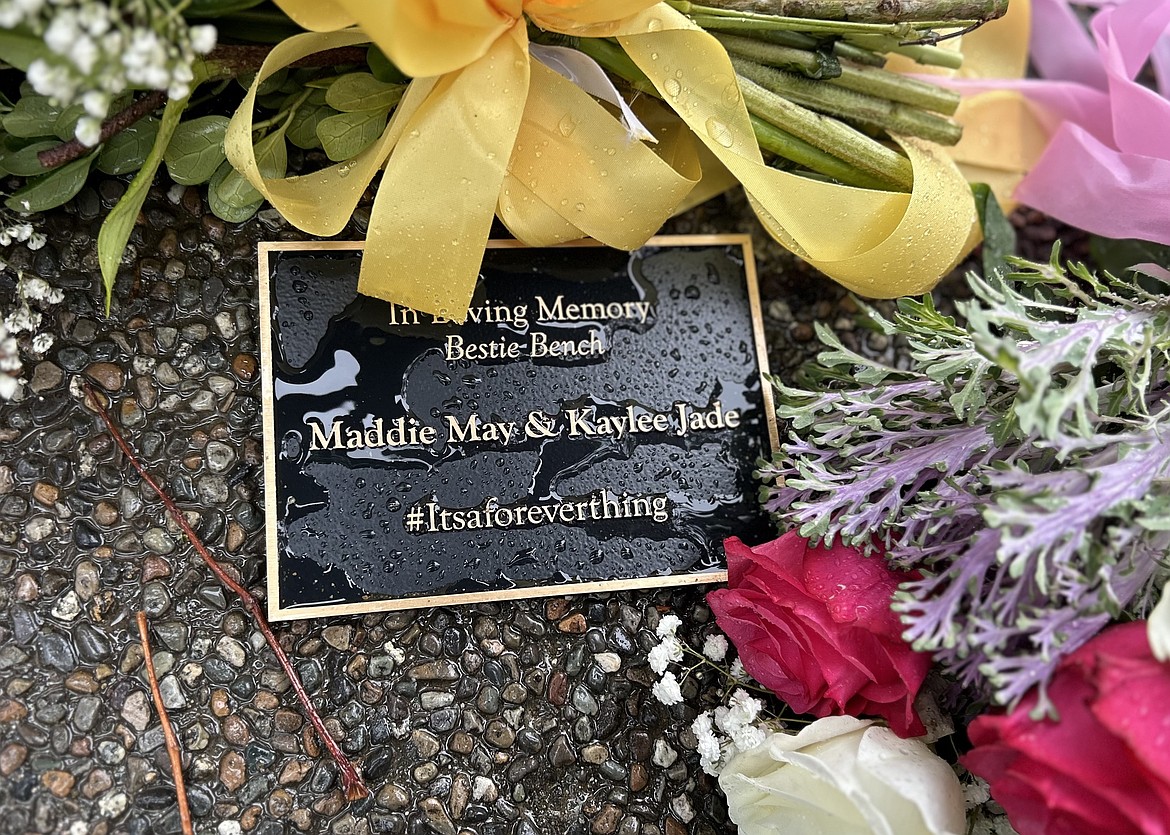
Digital Evidence: A Double-Edged Sword
Digital forensics is pivotal in establishing timelines and connections in criminal cases. In the Idaho 4 case, the court has examined the admissibility of text messages and 911 call recordings. For instance, the court's order on the state's motion regarding the 911 call emphasizes that many statements made during the call are likely admissible as they fall under the "excited utterance" and "present sense impression" exceptions to the hearsay rule. This could set a precedent for how similar digital evidence is treated in future cases.
Implications of the 911 Call
The court found that statements made during the 911 call, which provided immediate reactions to a startling event, could be deemed admissible. The distinction between hearsay and statements qualifying under exceptions like the excited utterance is critical. As noted in the documents, these exceptions allow for the admission of spontaneous reactions, which may help establish the emotional context of the situation.
Present Sense Impression: Statements made while perceiving an event can be admitted, which is significant when evaluating how witnesses describe their experiences in real time.
Excited Utterance: This exception allows for statements made under stress, acknowledging that the immediacy of the situation may prevent reflective thought, thereby enhancing the reliability of the testimony.




Relevance of Digital Forensics
The admissibility of digital evidence, including text messages exchanged among roommates during the incident, raises questions about privacy and the evolving standards for digital forensics. According to the court's order regarding the state's motion in limine on text messages, the communications were deemed admissible, indicating a shift in how courts are willing to accept digital communication as credible evidence.
Setting New Legal Standards
Admissibility of Digital Evidence: The Idaho 4 case could set a precedent for the admissibility of digital evidence, particularly in how courts interpret the relevance and reliability of text messages and 911 calls. The court's willingness to consider these communications as part of the narrative surrounding the crime may influence future cases involving digital evidence.
Expert Testimony in Digital Forensics: The court's ruling on using expert testimony related to digital forensics also highlights the ongoing need for clear standards for adequate disclosure of expert opinions. The case illustrates the importance of establishing a foundation for expert testimony, especially when that testimony involves complex digital data.


The Future of Surveillance and Digital Forensics
As technology evolves, so will the legal standards surrounding its use in criminal investigations. The Idaho 4 case underscores the necessity for legal frameworks that balance effective law enforcement with the protection of individual rights.
Legislative Considerations
Lawmakers must consider how digital surveillance impacts privacy rights and the implications of using advanced technology in investigations. As seen in the Idaho 4 case, the legal interpretations of digital evidence could shape future surveillance and data privacy legislation. 


Conclusion
The Idaho 4 case represents a critical juncture of digital forensics and the law. As we observe the proceedings, it's clear that the outcomes may set significant legal precedents regarding the admissibility of digital evidence and the standards for expert testimony in future cases. As a paralegal, I am keenly aware of these developments' implications for our legal system. I hope they will provide a more nuanced understanding of how technology influences justice.
By staying informed and engaged, we can ensure that the legal framework adapts to the evolving landscape of digital evidence and surveillance, ultimately serving justice while protecting individual rights.