

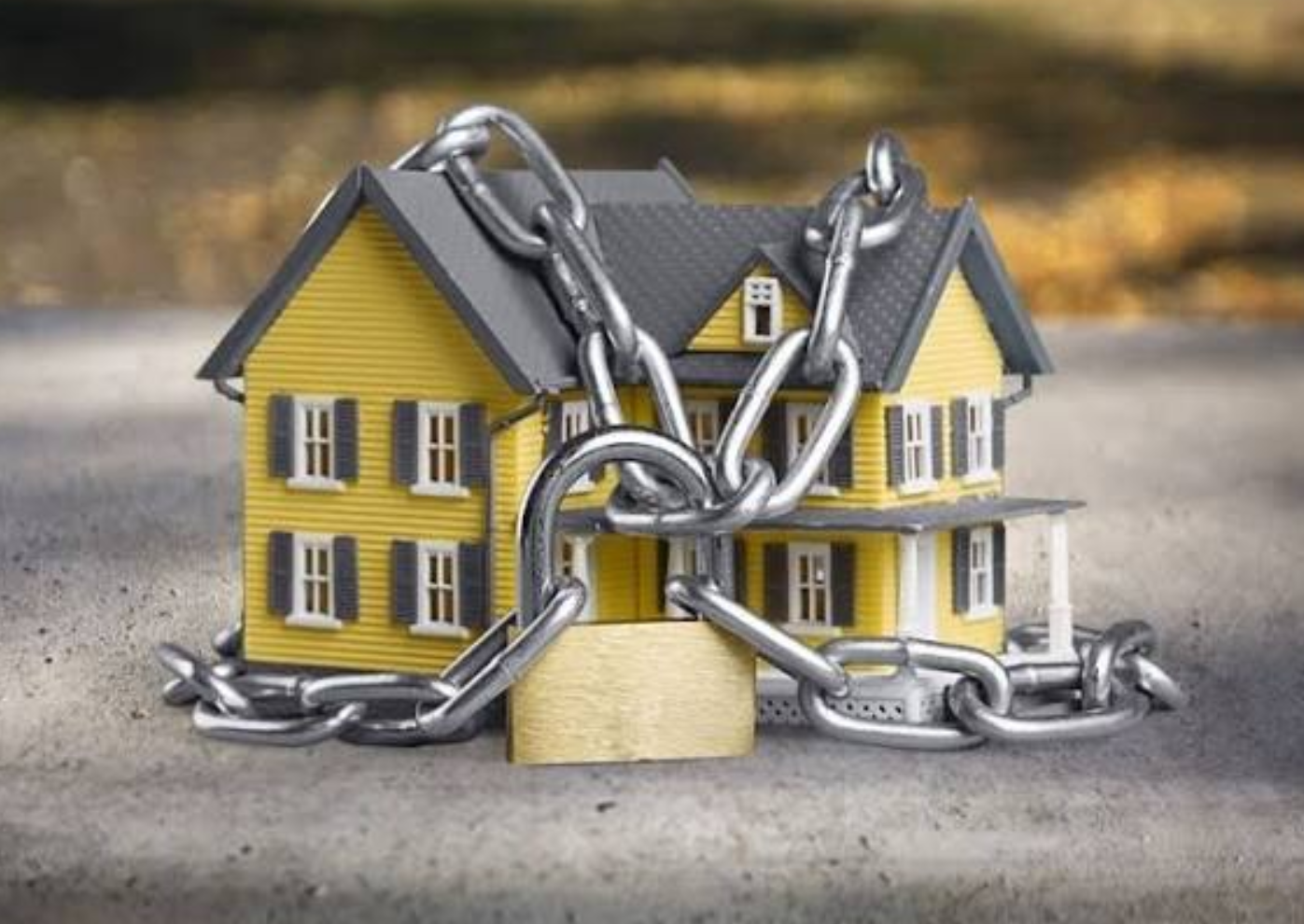
 Buying a property is only the beginning of property ownership. After completing the purchase, one of the most important responsibilities is keeping the property in good condition. Regular maintenance can protect the value of the property, reduce unexpected expenses, and make the building more comfortable for occupants.
Many property owners delay maintenance because they want to reduce their immediate expenses. Unfortunately, small problems can become expensive repairs when they are ignored for too long. A leaking roof, damaged plumbing, a faulty electrical system, or blocked drainage can eventually cause serious damage.
Whether you own a family home, rental property, or commercial building, having a proper maintenance plan is essential. With the help of technology, property owners can also use digital property management systems, real estate mobile apps, and real estate automation to organize maintenance activities more effectively.
1. Create a Regular Inspection Schedule: Do not wait until something breaks before checking your property. Regular inspections can help you identify problems while they are still manageable.
Inspect important areas such as the roof, walls, ceilings, plumbing, electrical systems, doors, windows, drainage, water storage facilities, and external areas.
Property owners can create monthly, quarterly, or yearly inspection schedules depending on the type and condition of the building. Keeping proper records also makes it easier to identify repeated problems.
2. Deal With Small Problems Quickly: A small problem may appear harmless, but ignoring it can lead to significant damage. A minor water leak, for example, can gradually damage walls, ceilings, flooring, furniture, and electrical installations.
The same applies to cracks, blocked drains, broken fittings, and damaged doors or windows.
Taking action early can save money and protect the property from unnecessary deterioration. This is one of the simplest ways to preserve the long-term value of your investment.
3. Keep the Roof in Good Condition: The roof is one of the most important parts of any building. A damaged roof can expose the entire property to water damage.
Check for broken roofing materials, leaks, damaged gutters, loose fittings, and areas where water may collect.
During periods of heavy rainfall, inspect the roof and drainage systems more frequently. Early repairs can prevent larger structural and interior problems.
4. Maintain Plumbing and Water Systems: Plumbing problems can quickly become expensive if they are ignored. Check taps, toilets, pipes, water tanks, pumps, and drainage systems regularly.
Look for signs of leaking water, unusual smells, low water pressure, or damp areas around the building.
For rental property owners, good rental property management should include routine checks of plumbing systems. Tenants should also have a simple way to report leaks and other maintenance problems.
5. Protect the Property From Dampness: Dampness can damage paint, walls, ceilings, furniture, and other building materials. It can also make a property uncomfortable for occupants.
Check areas around bathrooms, kitchens, roofs, windows, and external walls for signs of moisture.
Proper ventilation and effective drainage can help reduce moisture problems. If you discover persistent dampness, identify the source rather than simply painting over the affected area.
6. Plan for Home Renovation Ideas Carefully: Renovation can improve the appearance, functionality, and value of a property. However, renovation should be planned carefully.
Before starting a project, determine what needs improvement and establish a realistic budget. Focus first on important structural and functional repairs before spending heavily on cosmetic improvements.
Home renovation ideas such as improving lighting, updating kitchens, refreshing bathrooms, improving storage, or upgrading outdoor spaces can add value when properly planned.
7. Use Technology to Manage Maintenance: Technology can make property maintenance easier, especially for owners managing several properties.
Real estate mobile apps can help owners keep track of inspections, repair requests, expenses, and appointments. Digital property management systems can also organize maintenance records and property information in one place.
Real estate automation can be useful for reminders, scheduled inspections, rent-related tasks, and routine maintenance notifications.
Cloud-based real estate solutions can also allow property owners and managers to access important records from different locations.
8. Protect Your Property From Security Risks: Maintenance should not focus only on physical repairs. Security is also an important part of protecting property value.
Check doors, locks, gates, windows, lighting, fences, and security systems regularly. If smart home technology is installed, make sure devices are properly configured and updated.
Property owners should also pay attention to real estate data security. Digital systems may contain information about tenants, properties, payments, and maintenance records, so access should be properly controlled.
9. Keep Detailed Maintenance Records: Good records can help you understand how much you are spending on your property and identify recurring problems.
Record the date of each inspection, repairs completed, materials purchased, contractors used, and associated costs.
These records can also become useful when selling the property. A well-documented maintenance history can demonstrate that the property has been properly cared for.
Property valuation tools may provide an estimate of market value, but the actual condition and maintenance history of a property can also influence how buyers perceive it.
10. Include Maintenance in Your Investment Strategy: Property maintenance should be included in your overall property investment strategies rather than treated as an unexpected expense.
When calculating the potential return from a property, consider future repairs, maintenance, insurance, management costs, and other ownership expenses.
For investors, maintaining a property properly can help protect rental income and reduce periods when the property cannot be occupied because of major repairs.
Sustainable real estate practices can also reduce certain long-term operating costs. Energy-efficient lighting, water-saving fixtures, proper insulation, and efficient appliances may help reduce utility expenses while improving the property's appeal.
Conclusion: Proper maintenance is one of the most effective ways to protect a property investment. Regular inspections, quick repairs, careful renovations, security improvements, and accurate record-keeping can help preserve a property's condition and value.
Technology can make the process easier through real estate mobile apps, digital property management, real estate automation, and cloud-based real estate solutions. However, technology should support good property management rather than replace regular physical inspections.
Whether you own one home or several investment properties, maintenance should be treated as an essential part of ownership. Taking care of problems today can prevent expensive problems tomorrow and help ensure that your property remains useful, attractive, and valuable for many years.