

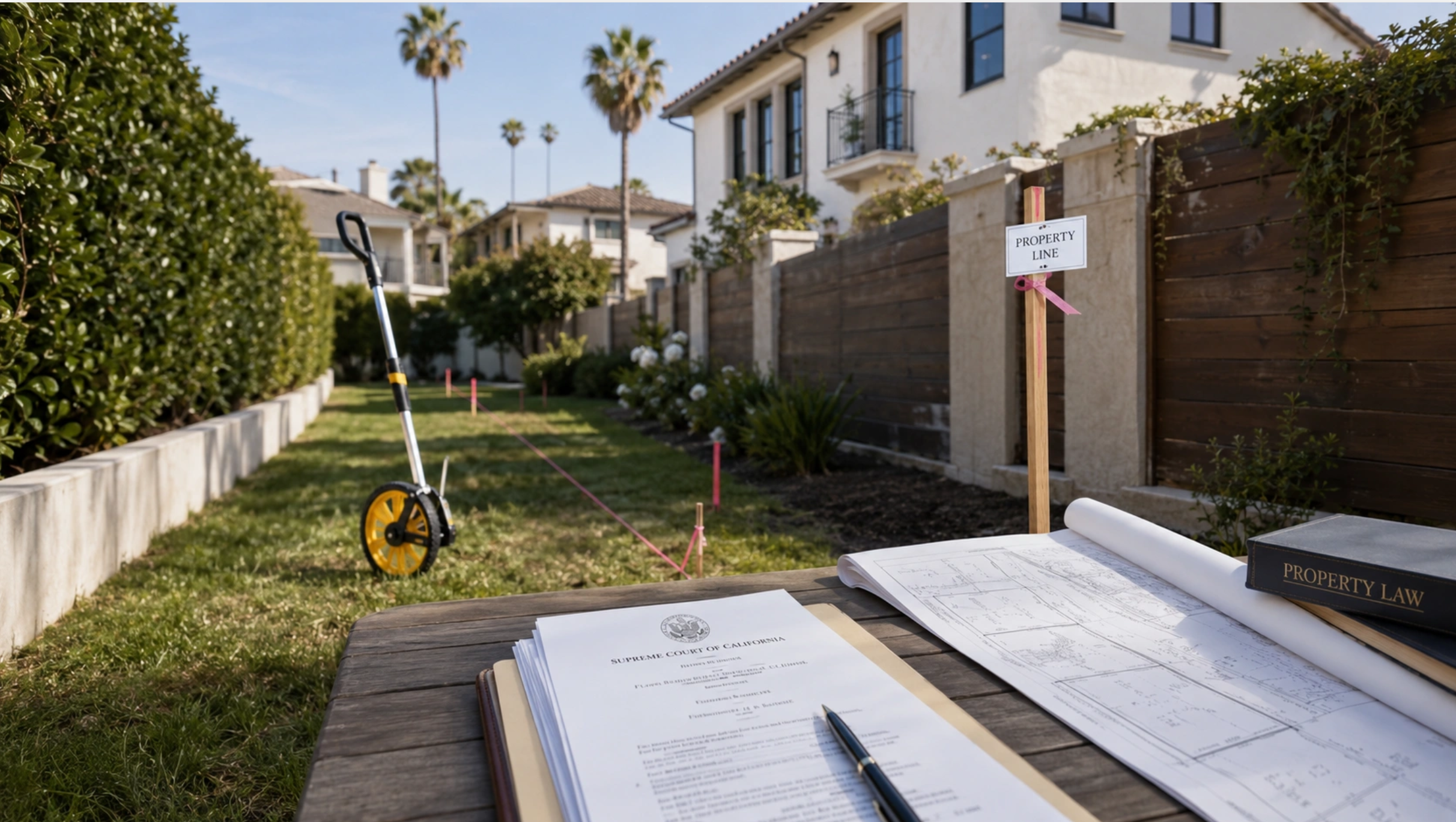
 Property ownership comes with responsibilities that extend beyond maintaining buildings and paying related expenses. One important responsibility is understanding and respecting the boundaries between your property and neighbouring land.
Boundary disputes can arise when property owners disagree about the location of fences, walls, access roads, drainage channels, or other structures. These disagreements may develop into legal conflicts, delay construction projects, reduce property value, and damage relationships within a community.
Whether you own residential land, commercial property, agricultural land, or a rental building, understanding how to establish and protect your property boundaries can help prevent unnecessary problems.
Taking early action, maintaining accurate documentation, and communicating respectfully with neighbours are essential steps toward protecting your investment.
1. Understand the Legal Boundaries of Your Property: The first step in preventing boundary disputes is knowing the legally recognised limits of your property. Do not rely entirely on fences, walls, pathways, or informal descriptions provided by previous owners.
Review the relevant ownership documents, survey plans, land records, and other supporting information.
Where necessary, consult a qualified surveyor to identify the property's boundaries accurately. A professional survey can help establish the location, dimensions, and relationship between your land and neighbouring properties.
Understanding these details before beginning construction or installing a fence can prevent costly mistakes.
2. Keep Your Property Documents Properly Organised: Accurate documentation is essential when dealing with property boundary issues. Keep copies of your survey plan, title documents, purchase agreement, approved building plans, and any relevant correspondence concerning the land.
Ensure that the information in these documents is consistent and that the property description corresponds with the actual location.
Digital storage can make important records easier to retrieve when needed. However, use appropriate Real estate data security practices to protect sensitive ownership information.
If you intend to purchase land, apply careful home-buying tips and obtain professional assistance to verify the documents before completing the transaction.
3. Confirm Boundaries Before Starting Construction: One common cause of boundary disputes is beginning construction without confirming the exact limits of the property.
Before building a fence, wall, extension, drainage system, or other structure, ensure that the proposed work remains within your legally recognised boundary.
Engage qualified professionals to review the survey information and mark the relevant points on the ground.
This is particularly important when constructing buildings close to neighbouring properties or where existing walls and fences may not accurately represent the legal boundaries.
Proper planning can prevent demolition expenses, legal disputes, and unnecessary delays.
4. Communicate With Neighbours About Boundary Matters: Good communication can prevent small misunderstandings from becoming serious conflicts.
Before undertaking work near a shared boundary, inform neighbouring property owners about your plans. Explain the proposed work, its location, and any possible effect on adjoining land.
Invite reasonable questions and allow neighbours to express concerns before construction begins.
If a disagreement develops, remain respectful and avoid making accusations without evidence.
Strong relationships with neighbours can make property ownership easier and contribute to a more peaceful residential or commercial environment.
5. Understand the Difference Between Private and Shared Boundaries: Some property boundaries involve structures or spaces used by more than one property owner. These may include shared walls, access routes, fences, drainage systems, and service connections.
Before repairing, replacing, or modifying such structures, establish who owns them and who is responsible for their maintenance.
Where responsibilities are shared, consider preparing a written agreement that explains how expenses, repairs, access, and future changes will be handled.
Clear arrangements can reduce misunderstandings and provide a useful reference if ownership changes in the future.
6. Respect Approved Building Plans and Setback Requirements: Building regulations may establish minimum distances between structures and property boundaries. These requirements can vary depending on the location, building type, land use, and applicable planning rules.
Before constructing or extending a building, confirm the relevant setback requirements with the appropriate planning authority.
Do not assume that an existing structure is automatically compliant simply because it has been standing for many years.
Proper compliance helps protect your property, maintain safe access, and reduce the risk of disagreements with neighbours or local authorities.
7. Address Drainage and Water Flow Problems Early: Drainage problems can create boundary disputes when water from one property flows onto neighbouring land or damages nearby structures.
Poorly designed gutters, blocked drainage channels, raised ground levels, and improper wastewater disposal may contribute to these problems.
Inspect drainage arrangements regularly and ensure that water is directed through suitable channels.
If construction or landscaping changes may affect neighbouring properties, seek professional advice before proceeding.
Responsible drainage management protects buildings, reduces water damage, and supports better relationships between property owners.
8. Use Professional Mediation When Disagreements Occur: Not every boundary disagreement needs to become a court case. In many situations, a neutral professional can help the parties understand the issue and explore possible solutions.
Depending on the nature of the dispute, this may involve a qualified surveyor, property lawyer, mediator, or another appropriate professional.
Mediation can provide an opportunity for both parties to explain their concerns, review available evidence, and agree on a practical way forward.
Any settlement should be properly documented, especially when it involves changes to access arrangements, shared structures, or property rights.
9. Understand Your Legal Options and Responsibilities: Some boundary disputes cannot be resolved through informal discussions or mediation. Where ownership rights, encroachment, or legal interests are involved, professional legal advice may be necessary.
A property lawyer can review the relevant documents, explain applicable laws, and advise on the appropriate steps to protect your interests.
Avoid removing a neighbour's fence, demolishing structures, blocking access, or taking other forceful actions without understanding the legal implications.
Following appropriate legal procedures can help prevent the situation from becoming more complicated.
10. Maintain Accurate Records of Boundary Agreements and Changes: Whenever a boundary issue is resolved, keep written records of the agreement, professional findings, approved alterations, and related correspondence.
Where legally appropriate, ensure that changes affecting property rights are properly documented and registered with the relevant authorities.
Property owners should also review boundary arrangements when buying, selling, renovating, or transferring ownership.
Organised documentation can make future transactions easier and reduce uncertainty for prospective buyers.
Including boundary verification in your house-hunting checklist and property due diligence process is a practical way to protect your investment from avoidable disputes.
Conclusion: Property boundary disputes can create financial losses, legal complications, construction delays, and strained relationships between neighbours. However, many of these problems can be prevented through proper documentation, professional surveys, responsible construction, and respectful communication.
Property owners should understand their legal boundaries, verify them before undertaking construction, respect planning requirements, and address disagreements through appropriate professional channels.
Protecting your property does not mean ignoring the interests of neighbouring owners. It means understanding your rights, fulfilling your responsibilities, and finding fair solutions when disagreements arise.
By taking these steps, you can protect your investment, maintain peaceful relationships, and create a more secure environment for long-term property ownership.