

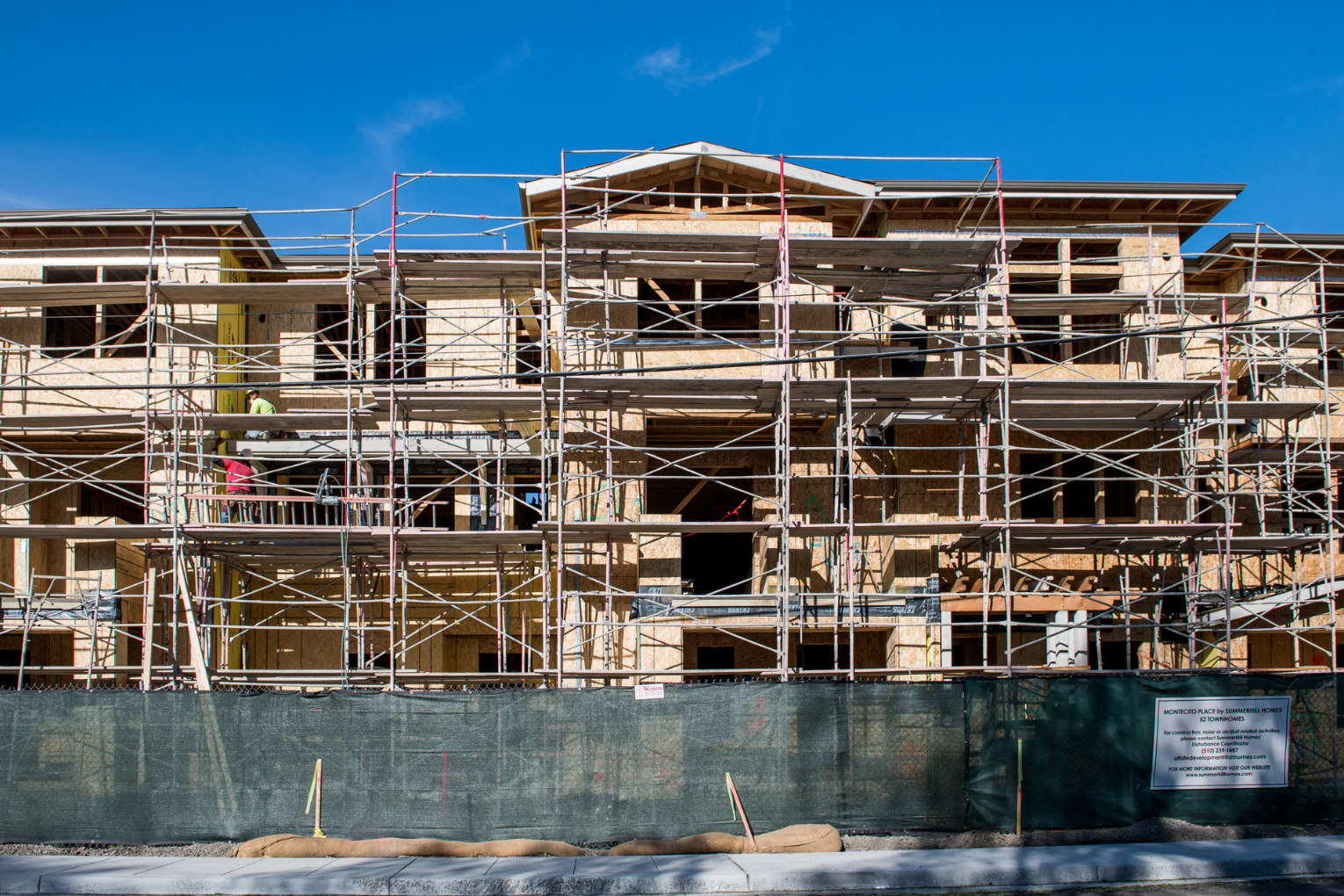
 Renovating a property while tenants are still living in it can be challenging for landlords and property managers. Repairs and improvements may be necessary to maintain safety, prevent further damage, and improve the property's value. However, construction noise, dust, restricted access, and temporary service interruptions can affect tenants' comfort and daily routines.
Poorly managed renovation work can lead to complaints, damaged relationships, unexpected expenses, and possible disputes. With proper planning, clear communication, and careful coordination, property owners can complete necessary improvements while minimizing disruption. This article explains how to manage renovation projects effectively when tenants remain in the building.
1. Determine Which Renovations Are Necessary: Before beginning any work, identify the repairs and improvements the property requires. Separate urgent problems, such as leaking pipes, electrical faults, and structural concerns, from cosmetic upgrades that can be postponed.
Arrange a professional inspection if the extent of the damage is unclear. A qualified contractor can help determine which tasks should be completed immediately and which can be scheduled later.
Home renovation ideas should be evaluated according to their practical benefits, cost, and effect on tenants. Prioritizing essential work helps protect occupants while preventing unnecessary spending.
2. Review Tenancy Agreements and Legal Obligations: Before scheduling renovations, review the tenancy agreement and the applicable landlord and tenant laws. Understand your responsibilities regarding repairs, access to occupied areas, advance notice, essential services, and tenant privacy.
Some work may require formal notice or additional arrangements, particularly when contractors need to enter private living spaces. Major renovations may also require planning permission or other approvals.
Consult a qualified property lawyer when you are unsure about your obligations. Do not assume that ownership gives you unrestricted permission to enter occupied premises or carry out disruptive work without following the relevant rules.
3. Communicate With Tenants Early: Inform tenants about planned renovations as early as reasonably possible. Explain why the work is necessary, which areas will be affected, the expected duration, and any temporary inconvenience they should anticipate.
Provide contact details for the person responsible for handling questions and complaints. Where possible, invite tenants to share concerns about working hours, access, noise, or other practical issues.
Good communication is an essential part of effective rental property management. Tenants are generally better prepared to cooperate when they understand what will happen and receive timely updates if plans change.
4. Create a Realistic Renovation Schedule: Prepare a schedule that identifies the different stages of the project, the contractors involved, the materials required, and the expected completion dates.
Whenever possible, arrange disruptive work during reasonable daytime hours and avoid scheduling several major activities in the same occupied area simultaneously. Consider whether work can be divided into smaller phases so tenants can continue using essential parts of the building.
Allow additional time for material delays, unexpected damage, and inspection requirements. A realistic schedule reduces pressure on contractors and helps tenants make suitable arrangements.
5. Establish a Clear Renovation Budget: Renovations can become expensive when hidden problems appear or materials cost more than expected. Prepare a detailed budget covering labour, materials, professional fees, waste removal, permits, and any temporary facilities that may be needed.
Include a contingency allowance for unforeseen expenses. Compare contractor quotations carefully and confirm what each quotation includes before selecting a service provider.
Property valuation tools may help you estimate whether planned improvements could support the property's market value, but not every renovation produces an equivalent increase in value. Focus on necessary repairs and improvements that provide practical benefits to occupants and owners.
6. Select Reliable Contractors: Choose contractors based on their experience, references, qualifications where required, insurance arrangements, and ability to work safely in occupied buildings.
Agree on the scope of work, payment schedule, expected completion date, working hours, and responsibilities for cleaning and waste removal. Make sure contractors understand that tenants continue to use the building.
For larger projects, appoint a qualified supervisor to monitor progress and coordinate different trades. Regular checks can help identify problems early and reduce the risk of poor workmanship or delays.
7. Protect Tenants From Noise, Dust, and Safety Hazards: Renovation work can create hazards if occupied areas are not properly protected. Contractors should use appropriate barriers, dust control measures, ventilation, and safe storage for tools and materials.
Keep escape routes clear and prevent unauthorized access to construction areas. Pay particular attention to exposed electrical wiring, slippery surfaces, sharp materials, and activities that could affect children, older occupants, or people with mobility challenges.
If essential facilities become temporarily unavailable, communicate the situation and arrange reasonable alternatives where required. Safety should take priority over convenience or pressure to finish quickly.
8. Minimize Disruption to Essential Services: Some renovations may require temporary interruptions to water, electricity, internet access, lifts, or other shared services. Plan these interruptions carefully and notify affected tenants in advance.
Where practical, schedule work during periods that minimize inconvenience and restore services as quickly as possible. Contractors should coordinate with qualified technicians before working on electrical, plumbing, or other essential systems.
Digital property management tools can help distribute notices, record complaints, and track repair requests. Keeping accurate records makes it easier to confirm what was communicated and when work was completed.
9. Monitor Progress and Respond to Complaints: Inspect the work regularly to confirm that contractors are following the agreed schedule, budget, and safety requirements. Record progress with photographs, written reports, and receipts.
Provide tenants with a clear process for reporting excessive noise, damage, blocked access, or other problems. Respond promptly and explain what action will be taken.
Real estate automation can support reminders for inspections and scheduled updates, while cloud-based real estate solutions can help store project documents and contractor records. Ensure that access to these records is appropriately controlled to protect personal and financial information.
10. Complete the Work and Review the Results: When renovations are finished, inspect the completed work before making final payments. Confirm that defects have been corrected, waste has been removed, affected services are working, and shared areas are clean and safe.
Where appropriate, arrange any required professional inspections or approvals. Notify tenants that the work has been completed and explain any new maintenance procedures or changes affecting their use of the property.
Review the final cost against the original budget and document lessons that could improve future projects. This information can support better property investment strategies and help you plan maintenance more effectively.
Conclusion: Managing renovations in an occupied property requires careful coordination, realistic budgeting, reliable contractors, and consistent communication with tenants. Property owners must balance the need to improve and protect their buildings with their responsibilities toward the people living in them.
By prioritizing essential repairs, following legal requirements, minimizing disruption, and monitoring work carefully, landlords can complete renovations more efficiently and maintain positive tenant relationships. A well-planned renovation protects the property, supports tenant satisfaction, and contributes to its long-term condition and value.