
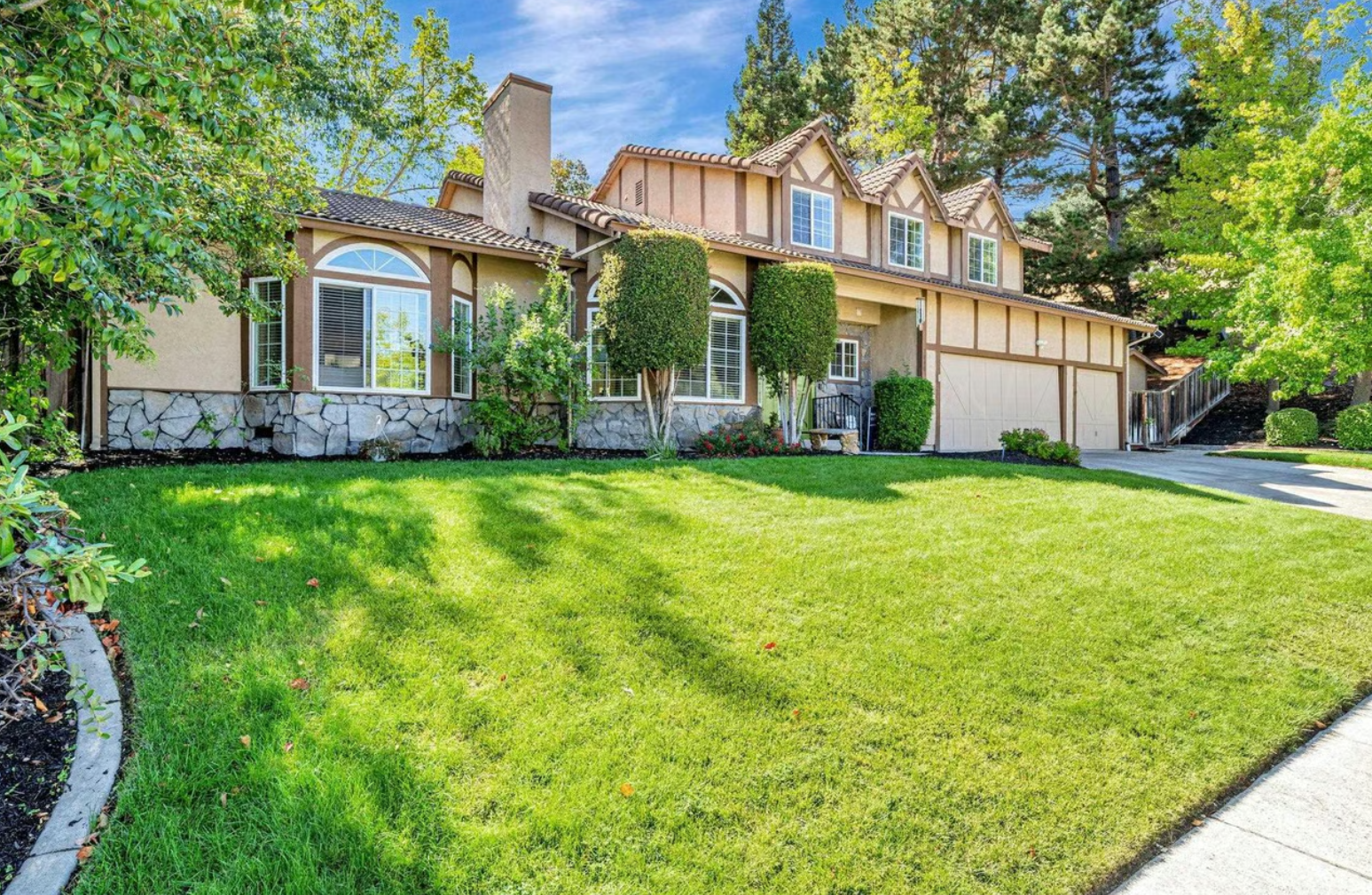
 Owning a property can provide stability, comfort, rental income, and long-term financial value. However, property ownership also comes with ongoing expenses that can become difficult to manage when they are not planned for properly. Mortgage payments, maintenance, utilities, insurance, taxes, security, and unexpected repairs can all affect a homeowner's finances. Good financial planning allows property owners to enjoy the benefits of ownership without allowing expenses to become overwhelming. This article explains practical ways to manage the costs of owning a property while protecting its value.
1. Create a Complete Property Budget: The first step is to understand how much the property actually costs each month and each year. Include mortgage payments, utilities, insurance, maintenance, taxes, security, service charges, and other recurring expenses. A complete budget makes it easier to identify unnecessary spending and prepare for future costs.
2. Maintain an Emergency Fund: Unexpected repairs can happen at any time. A damaged roof, plumbing failure, electrical problem, or broken appliance can require immediate attention. Setting aside an emergency fund gives homeowners the ability to handle these situations without relying entirely on expensive short-term borrowing.
3. Prioritise Preventive Maintenance: Preventive maintenance can save money over time. Regularly inspect roofing, plumbing, electrical systems, drainage, appliances, and exterior areas. Fixing a small problem early is often less expensive than waiting until it causes significant damage.
4. Improve Energy Efficiency: Energy-efficient improvements can reduce monthly utility expenses. LED lighting, efficient appliances, better insulation, water-saving fixtures, and properly maintained cooling systems can lower energy consumption. These improvements also support sustainable real estate and can make a property more attractive to future buyers or tenants.
5. Use Smart Home Technology: Smart home technology can help property owners monitor and control certain household expenses. Smart thermostats, energy monitoring devices, automated lighting, and smart plugs can reduce unnecessary energy use. Smart leak sensors can also alert homeowners to water problems before they cause extensive damage.
6. Plan Renovations Carefully: Home renovation ideas should be evaluated based on their cost and expected benefit. Not every fashionable upgrade will increase property value or reduce expenses. Focus on improvements that enhance functionality, durability, energy efficiency, security, or buyer appeal.
7. Review Insurance and Other Recurring Costs: Property owners should periodically review insurance policies, security expenses, service charges, and other recurring payments. Make sure you understand what your insurance covers and compare available options when appropriate. Eliminating unnecessary services can also reduce annual expenses.
8. Monitor the Local Property Market: Understanding real estate market trends can help owners make better financial decisions. Changes in property values, rental demand, interest rates, and local development can affect both expenses and potential income. Neighborhood guides can also provide useful information about the area's amenities and prospects.
9. Consider Rental Income Opportunities: If appropriate for your property and circumstances, rental income can help offset ownership expenses. Before renting out a property, research local demand, calculate expected income, and understand your responsibilities as a landlord. Effective rental property management is essential for protecting income and maintaining the property's condition.
10. Monitor Your Property's Value: Regularly reviewing your property's estimated market value can help you understand your overall financial position. Property valuation tools can provide useful information when comparing your home with similar online property listings. Understanding value can also support better property investment strategies and help you make informed decisions about future improvements or refinancing.
Conclusion: Managing property ownership costs requires planning, discipline, and regular review. Homeowners can control expenses by creating a realistic budget, maintaining an emergency fund, carrying out preventive maintenance, improving energy efficiency, using useful smart home technology, and carefully planning renovations. By following practical home buying tips, studying neighborhood guides, monitoring real estate market trends, using property valuation tools, comparing online property listings, exploring mortgage financing options, supporting sustainable real estate, applying sensible home renovation ideas, and practising effective rental property management, property owners can control costs while protecting the long-term value of their investment.