

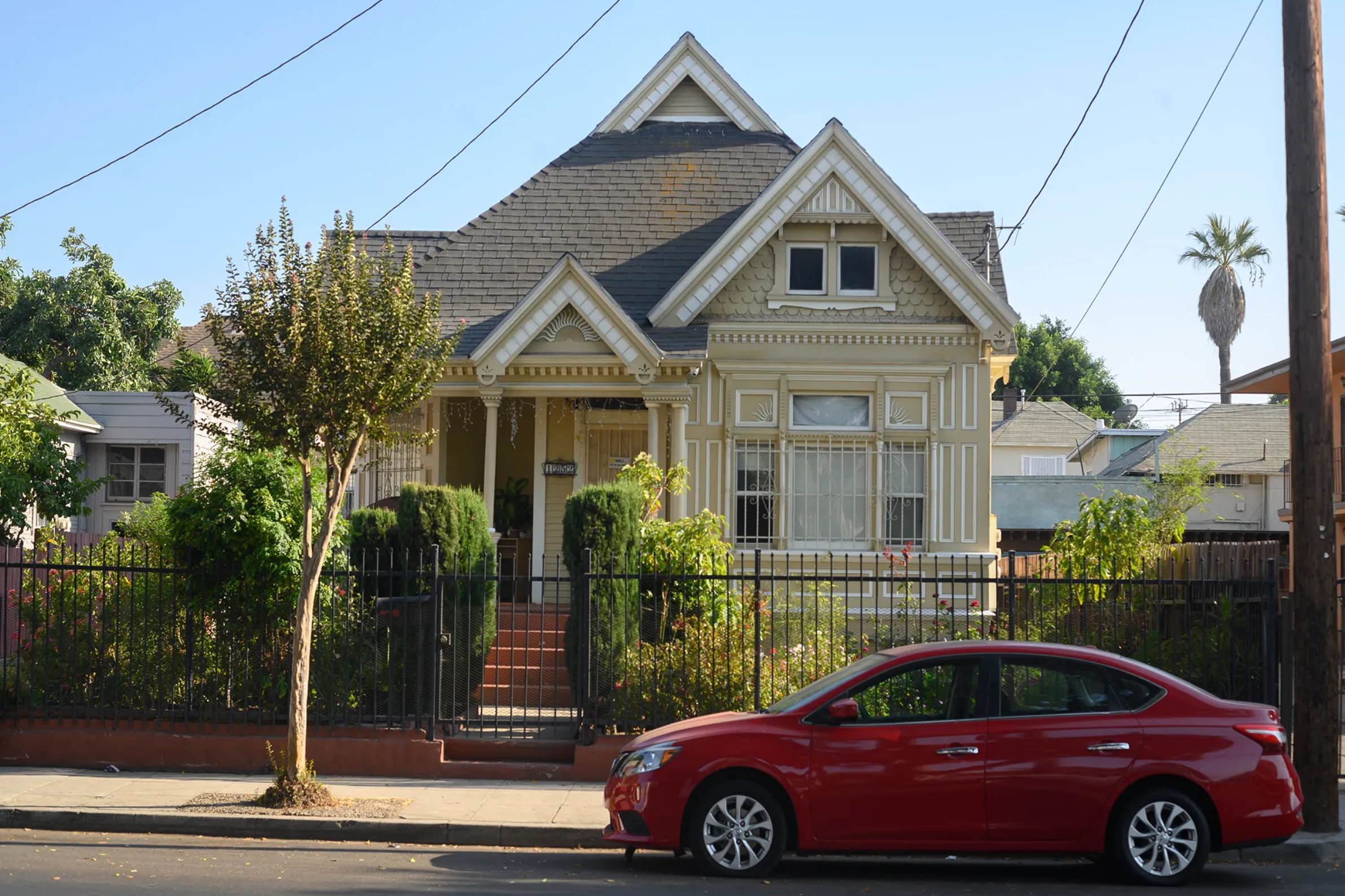
 Owning a property can provide more than a place to live or a source of rental income. When every part of a building is planned and used effectively, property owners can improve its value, increase its usefulness, and create additional income opportunities. However, many properties contain spaces that are poorly arranged, underused, or completely ignored.
Effective space utilization involves making the best possible use of available rooms, outdoor areas, storage facilities, and shared spaces. Whether you own a residential building, commercial property, or rental investment, understanding how to maximize available space can improve your financial returns.
With the right planning, property owners can apply practical home-buying tips, explore suitable Property investment strategies, and respond to Real estate market trends. This article explains how to make better use of property space while improving comfort, functionality, and long-term value.
1. Understand How Every Part of Your Property Is Being Used: The first step toward effective space utilization is understanding how the existing property functions. Walk through the entire building and identify rooms, corners, storage areas, and outdoor spaces that are not being used effectively.
Some properties have large corridors, unused rooms, empty balconies, or poorly arranged living areas. These spaces may have the potential to serve a more useful purpose.
Property owners should assess the needs of occupants before making changes. A space that is unnecessary in one household may be extremely valuable to another. A proper House hunting checklist can also help prospective buyers identify properties with flexible layouts and useful spaces.
2. Create Flexible Rooms That Serve Multiple Purposes: A room does not always need to serve only one purpose. With thoughtful planning, a spare bedroom can also function as a home office, reading room, or guest accommodation.
Flexible spaces are particularly useful in homes where occupants have changing needs. Instead of constructing additional rooms, property owners can use furniture, partitions, and creative arrangements to make existing spaces more functional.
This approach can reduce unnecessary renovation expenses while improving the overall usefulness of the building. It also creates opportunities for Home renovation ideas that increase convenience without requiring major structural changes.
3. Improve Storage Without Reducing Living Space: Poor storage arrangements can make even a spacious property appear crowded. When personal belongings occupy walkways, corners, and frequently used areas, occupants may struggle to enjoy the available space.
Built-in cabinets, shelves, under-stair storage, and carefully designed wardrobes can help solve this problem. Property owners should consider storage solutions that use vertical space rather than occupying too much floor area.
Good storage planning can also improve Interior design inspiration by creating a cleaner and more organized appearance. In rental properties, practical storage facilities may make accommodation more attractive to prospective tenants.
4. Make Better Use of Outdoor Areas: Outdoor spaces can provide additional value when they are properly designed. Gardens, balconies, terraces, courtyards, and unused compounds can serve different purposes depending on the property type and location.
For residential buildings, outdoor areas may become relaxation spaces, small gardens, children's play areas, or entertainment sections. Commercial properties may use suitable outdoor spaces for customer seating, waiting areas, or additional business activities.
However, property owners should consider drainage, security, accessibility, and local building regulations before changing the purpose of any outdoor space.
5. Consider the Needs of Potential Tenants and Buyers: The most profitable use of space depends on what people in the target market actually need. A property designed for students may require study areas, shared facilities, and convenient storage. A family home may benefit from additional bedrooms, privacy, and practical living arrangements.
Property owners should study Neighborhood guides, local demand, and available Online property listings to understand what similar properties offer.
These findings can help owners identify features that attract buyers and tenants. Rather than spending money on improvements that may not matter to the market, focus on spaces that solve genuine problems for potential occupants.
6. Use Technology to Improve Space Management: Technology can help property owners understand how their buildings are being used and identify opportunities for improvement. Smart home technology, digital floor plans, and suitable property management applications can support better planning.
Real estate mobile apps may help owners record room measurements, organize property information, and communicate with occupants. Real estate automation can also simplify administrative activities associated with managing multiple units.
For property owners with larger portfolios, cloud-based real estate solutions and Digital property management systems can make it easier to monitor occupancy, collect information, and coordinate property operations.
7. Explore Opportunities for Additional Income: Unused property spaces may provide opportunities to generate additional income, provided the intended use is legally permitted and suitable for the building.
For example, a property owner may consider renting out an independent office, a properly designed storage area, or a separate accommodation unit. Commercial buildings may also benefit from suitable shared facilities that serve different businesses.
Before introducing another income-generating activity, owners should examine demand, operating expenses, security, insurance, and applicable regulations.
Property valuation tools and professional advice can help determine whether the proposed changes are likely to improve the property's overall financial performance.
8. Avoid Overcrowding and Unnecessary Conversions: Maximizing space does not mean filling every available corner with furniture, equipment, or additional structures. Overcrowding can reduce comfort, restrict movement, and create safety problems.
Property owners should preserve adequate ventilation, natural lighting, emergency access, and privacy. Any structural modification should be reviewed by qualified professionals to ensure that it does not weaken the building.
Before undertaking major Home renovation ideas, consider the effect on property value, occupant satisfaction, and future maintenance requirements. A well-arranged property is often more attractive than one that simply contains more rooms or facilities.
9. Evaluate the Financial Benefits Before Making Changes: Every space improvement should have a clear financial or practical purpose. Property owners should estimate the cost of redesigning a room, installing storage facilities, or converting an unused area before beginning work.
Compare the expected benefits with the total investment. If a conversion will generate rental income, calculate the possible revenue against construction costs, additional expenses, and the time required to recover the investment.
Property investment strategies should be guided by realistic figures rather than assumptions. Owners should also consider sustainable real estate practices, especially when improvements involve lighting, ventilation, energy use, and building materials.
10. Review Space Utilization as Property Needs Change: The best use of a property may change over time. A room that once served as a children's bedroom may later become a study, guest room, or office. A commercial property may also require a different layout when business activities change.
Property owners should review how occupants use available spaces and identify areas that need improvement. Feedback from tenants can reveal practical problems that may not be obvious during routine visits.
Remote property inspections, where appropriate and supported by clear arrangements, can help owners monitor certain aspects of property use. However, inspections should respect privacy and applicable tenancy requirements.
Regular reviews help property owners keep their buildings relevant, functional, and attractive to the market.
Conclusion: Effective space utilization is an important part of successful property ownership. It allows owners to improve the usefulness of existing buildings, reduce wasted space, increase occupant satisfaction, and identify additional income opportunities.
The process begins with understanding how each area is being used, identifying the needs of occupants, and making improvements that deliver measurable benefits. Property owners should avoid unnecessary conversions and focus on practical changes that support comfort, safety, and financial performance.
By combining careful planning, suitable technology, market research, and professional advice, property owners can make better use of their investments. A property does not always need to become larger to become more valuable. Sometimes, the greatest opportunity lies in using the available space more intelligently.