

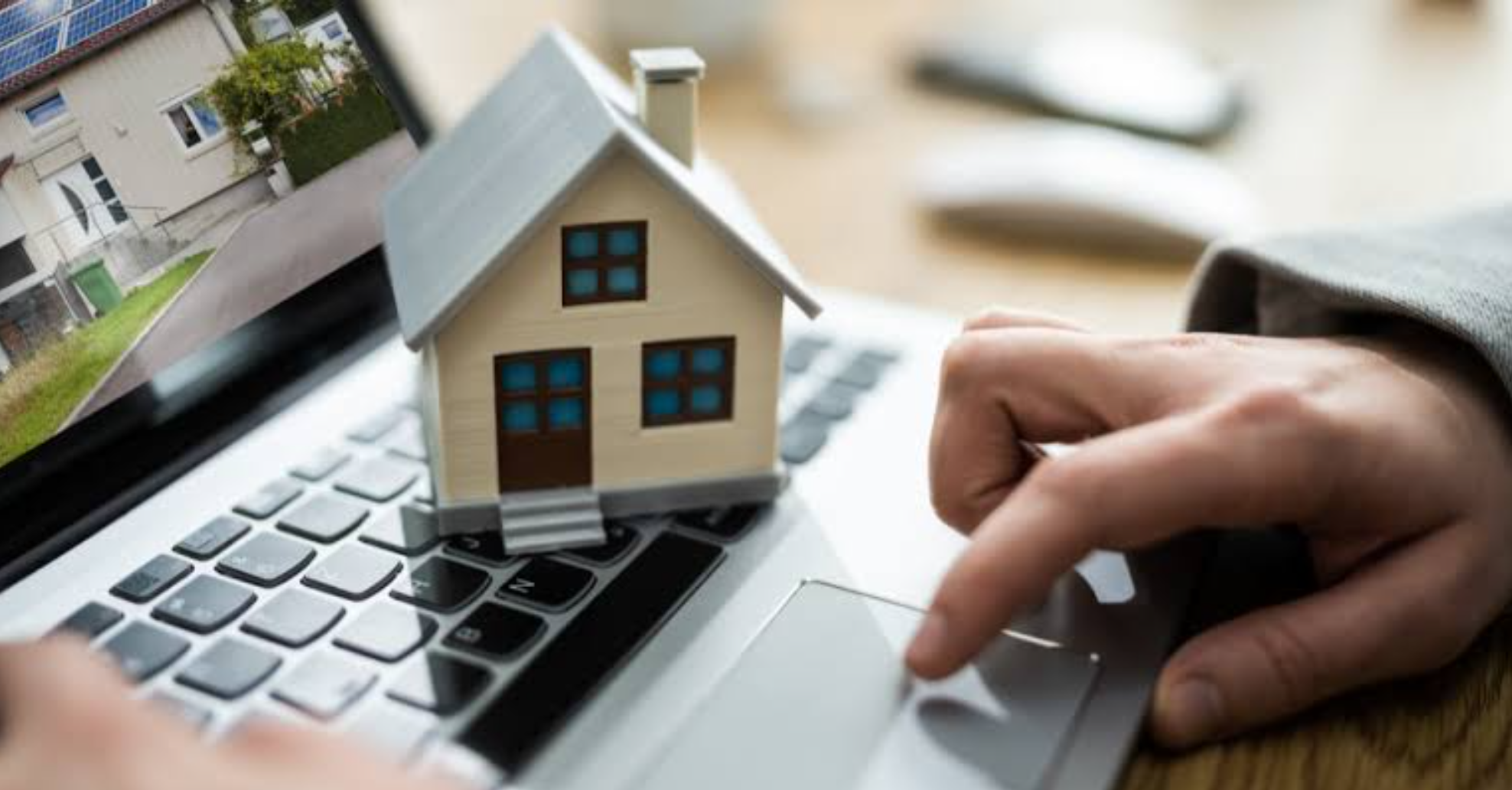
 Owning a rental property can provide a valuable source of income, but managing that property successfully requires time, organization, and attention to detail. Finding tenants is only one part of the responsibility. Property owners also need to handle rent collection, maintenance, inspections, tenant communication, repairs, and financial records.
For some investors, managing everything personally is practical. For others, working with a professional property manager may be a better option. Technology has also created another possibility, allowing owners to combine professional support with digital tools that make everyday tasks easier.
Choosing the right approach depends on the number of properties you own, your location, available time, experience, budget, and investment goals. A good management strategy can protect your property, improve tenant satisfaction, and support consistent income.
1. Understand What Property Management Involves: Before deciding how to manage your property, understand the responsibilities involved.
Rental property management may include advertising vacant properties, screening tenants, preparing agreements, collecting rent, handling maintenance requests, inspecting the property, keeping records, and resolving disputes.
Managing one property may be relatively straightforward, but responsibilities can become more demanding as your portfolio grows.
Knowing what is involved will help you determine whether you have enough time and knowledge to manage the property yourself.
2. Consider the Number of Properties You Own: The size of your property portfolio can influence the best management approach.
An owner with one rental apartment may be able to handle most responsibilities personally. However, managing several houses or apartments can become difficult, particularly when the properties are located in different areas.
If you are building a larger portfolio, digital property management can help you organize information and reduce the amount of manual work involved.
3. Evaluate Your Available Time: Property management requires regular attention. Tenants may need assistance at inconvenient times, maintenance problems can occur unexpectedly, and vacant properties may require immediate attention.
If you have a demanding job or other business responsibilities, managing your property personally may become stressful.
Consider how much time you can realistically dedicate to your investment. If you cannot respond quickly to important issues, hiring professional assistance may be worth considering.
4. Know Your Tenants and Their Expectations: Good tenant relationships can contribute significantly to successful property management.
Tenants generally want clear communication, reasonable responses to maintenance problems, safe living conditions, and transparency regarding their tenancy.
A property owner who communicates well and responds to legitimate concerns promptly is more likely to build positive relationships with tenants.
Understanding tenant expectations can also help you decide which management responsibilities you should handle personally and which ones can be delegated.
5. Establish a Reliable Maintenance System: Maintenance is one of the most important parts of managing a rental property.
Create a system for reporting, recording, and resolving maintenance problems. Keep contact information for reliable technicians and contractors so that repairs can be handled without unnecessary delays.
Regular inspections can also help identify problems before they become expensive.
Good maintenance protects the physical condition of the property while helping maintain its attractiveness to current and future tenants.
6. Use Digital Tools to Simplify Management: Technology can significantly reduce the workload involved in property management.
Real estate mobile apps can help owners monitor properties, communicate with tenants, track payments, and organize important information.
Real estate automation can also be used for reminders, scheduled communications, routine tasks, and other repetitive activities.
For owners with multiple properties, cloud-based real estate solutions can provide convenient access to property records from different locations.
7. Keep Accurate Financial Records: Every rental property should have clear financial records. Keep track of rental income, maintenance expenses, management fees, utility costs, taxes, insurance, and other relevant expenses.
Accurate records make it easier to understand whether the property is actually producing the expected return.
They can also help you identify areas where expenses can be reduced without compromising the quality of the property or the experience of your tenants.
8. Decide When Professional Management Makes Sense: Hiring a professional property manager can be useful when you do not have enough time, experience, or physical access to manage your property effectively.
Professional managers may handle tenant communication, rent collection, inspections, maintenance coordination, and other responsibilities.
However, management fees should be considered carefully. Compare the cost of professional services with the time, convenience, and expertise you would receive in return.
The right choice should support your overall property investment strategies rather than simply increase your expenses.
9. Consider Technology and Security: Digital management systems can make property administration easier, but property owners must also protect the information stored on these platforms.
Real estate data security should be taken seriously. Tenant information, payment records, property documents, and other sensitive details should be stored securely.
Use reliable platforms, strong passwords, controlled access, and appropriate security measures.
Smart home technology can also improve convenience and security through features such as smart locks, lighting controls, cameras, and monitoring systems. However, these systems should be installed and managed responsibly.
10. Choose a Management Strategy That Matches Your Goals: There is no single management approach that works for every property owner.
If your goal is to maintain a small portfolio and remain personally involved, self-management may be suitable. If you want to grow your portfolio while spending less time on daily operations, professional management and digital tools may provide a better solution.
You should regularly review your strategy as your circumstances change.
Your approach may also need to change when you acquire more properties, move to another location, increase your rental income goals, or decide to focus more heavily on property investment.
Conclusion: Choosing the right property management approach can have a major impact on the performance of a rental investment. The decision should be based on your available time, experience, number of properties, budget, tenant needs, and long-term investment goals.
Effective rental property management requires more than collecting rent. It involves maintenance, communication, financial management, record-keeping, inspections, and protecting the property itself.
Technology can make these responsibilities easier through real estate mobile apps, digital property management, real estate automation, and cloud-based real estate solutions. At the same time, property owners should pay close attention to real estate data security when using digital systems.
The best approach is one that allows you to protect your property, serve your tenants properly, control expenses, and achieve the financial goals behind your investment.