

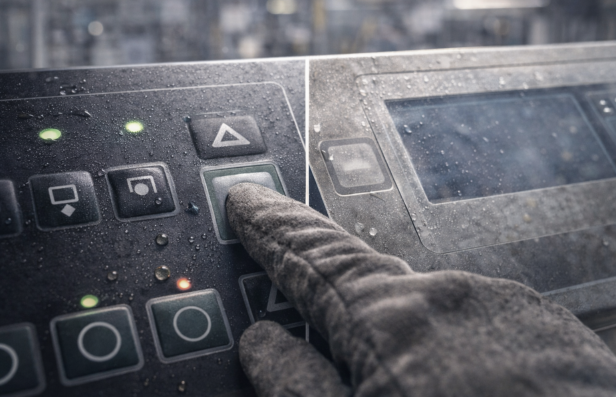
In many products, the graphic overlay is the most frequently touched and most exposed component. It is the surface users interact with thousands of times, the layer subjected to cleaning chemicals, UV exposure, abrasion, and mechanical stress. Yet overlay material selection is often treated as a cosmetic decision rather than a durability driver.
In reality, graphic overlay material choices have a direct and measurable impact on interface lifespan. When overlays fail early, the issue is rarely electrical. It is almost always a material mismatch.
Why Overlay Failure Is Usually a Materials Problem
When an interface wears out, the symptoms are predictable:
Legends fade or wear through
Surfaces crack or become brittle
Windows haze or yellow
Layers delaminate at the edges
Adhesives lose bond strength
These failures are not random. They are the result of materials that were not matched to the environment, use cycle, or cleaning routine the product actually experiences.
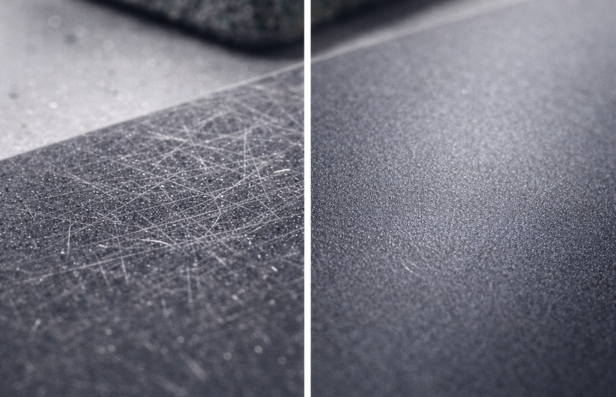
Polyester vs Polycarbonate: A Decision With Long-Term Consequences
Two materials dominate graphic overlay construction: polyester (PET) and polycarbonate (PC). Choosing between them is one of the most important life decisions.
Polyester (PET)
High resistance to chemicals and solvents
Excellent flex life and fatigue resistance
Better long-term durability under repeated actuation
Preferred for high-cycle industrial and medical interfaces
Polycarbonate (PC)
Superior optical clarity
Easier to emboss and form
More susceptible to chemical attack
Requires hard coatings to improve abrasion resistance
In high-use environments, polyester consistently outlasts polycarbonate. Polycarbonate can still be appropriate, but only when optical requirements outweigh durability concerns and coatings are properly specified.
For a deeper technical comparison of chemical resistance, flex life, optical performance, and coating considerations, this detailed breakdown of polycarbonate (PC) vs polyester (PET) for graphic overlays explores how each material performs across industrial applications.
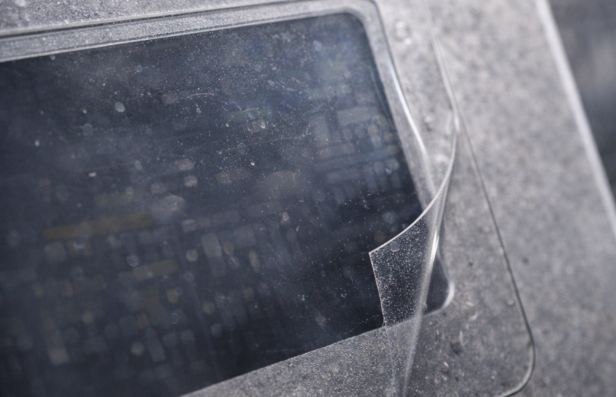
Coatings Are Not Optional in Harsh Environments
Uncoated films rarely survive industrial use.
Protective coatings influence:
Scratch and abrasion resistance
Chemical compatibility
UV stability
Surface texture and glare
Common coating strategies include:
Hard coats to improve scratch resistance
Matte finishes to reduce glare and mask wear
UV-resistant coatings for outdoor or high-light exposure
A coating that improves abrasion resistance may reduce chemical resistance, and vice versa. These tradeoffs must be evaluated together, not independently.
Subsurface Printing Extends Overlay Life
One of the most effective ways to extend the lifespan of an interface is subsurface printing, where graphics are printed on the underside of the overlay film.
This approach:
Protects inks from abrasion and chemicals
Prevents legend wear-through
Maintains contrast over long use cycles
Top-surface printing may reduce cost initially, but it significantly shortens usable life in environments involving frequent cleaning or repeated contact.
Adhesives Often Fail Before the Overlay Does
Even when the overlay film performs well, interfaces still fail if the adhesive system is wrong.
Adhesive selection affects:
Resistance to heat and humidity
Chemical compatibility
Edge lifting and curling
Long-term bond strength
Pressure-sensitive adhesives must be chosen based on:
Surface energy of the enclosure
Operating temperature range
Exposure to cleaning agents
Expected mechanical stress
Adhesive failure is one of the most common causes of premature overlay replacement.
Environmental Exposure Accelerates Material Degradation
Overlay materials age differently depending on where and how they are used.
Key environmental factors include:
UV exposure from sunlight or high-intensity lighting
Temperature cycling that stresses films and adhesives
Moisture ingress at edges or cutouts
Oils, solvents, and disinfectants are used during cleaning
Testing overlays only under ideal lab conditions often hides these degradation mechanisms until the product is already in the field.
Texture and Embossing Influence Wear Patterns
Surface texture is not purely aesthetic. It directly affects how wear develops over time.
Textured finishes:
Reduce visible scratching
Improve finger targeting
Mask micro-abrasion
Embossing considerations include:
Excessive height can create stress points
Sharp transitions accelerate cracking
Repeated flexing concentrates fatigue at embossed edges
Good emboss design balances tactile feedback with long-term material stability.
Lifespan Is Determined by Use Cycles, Not Appearance
Overlay lifespan should be defined by how many times it is used, not how it looks on day one.
Design teams should quantify:
Expected actuations per day
Cleaning frequency and method
Operator behaviour (gloves, tools, pressure)
Environmental exposure over time
Material choices that look identical at launch can perform very differently after one million interactions.
How Experience Changes Material Selection
Teams with long-term exposure to interface failures tend to prioritise durability over appearance.
Manufacturers with deep experience in graphic overlays and printed electronics, such as Butler Technologies, often see that small material decisions early in design have an outsized impact on field reliability and product perception.
This perspective often arises from observing the same failure patterns repeat across industries.
Designing for Longevity, Not Just Compliance
Meeting specifications is not the same as building for lifespan.
Interfaces designed for longevity:
Select materials based on real use, not assumptions
Test beyond minimum compliance thresholds
Treat the overlay as a system, not a layer
Balance aesthetics with mechanical and chemical reality
Products that last longer reduce downtime, maintenance, and replacement costs.
FAQs
What material lasts longest for graphic overlays?
Polyester generally offers the longest lifespan in high-use and chemically exposed environments.
Why do graphic overlays fail prematurely?
Failures are usually caused by chemical exposure, abrasion, UV degradation, or adhesive breakdown.
Is polycarbonate still used for overlays?
Yes, especially where optical clarity is critical, but it typically requires protective coatings.
How does subsurface printing extend overlay life?
By protecting inks from direct exposure to wear, chemicals, and cleaning agents.