

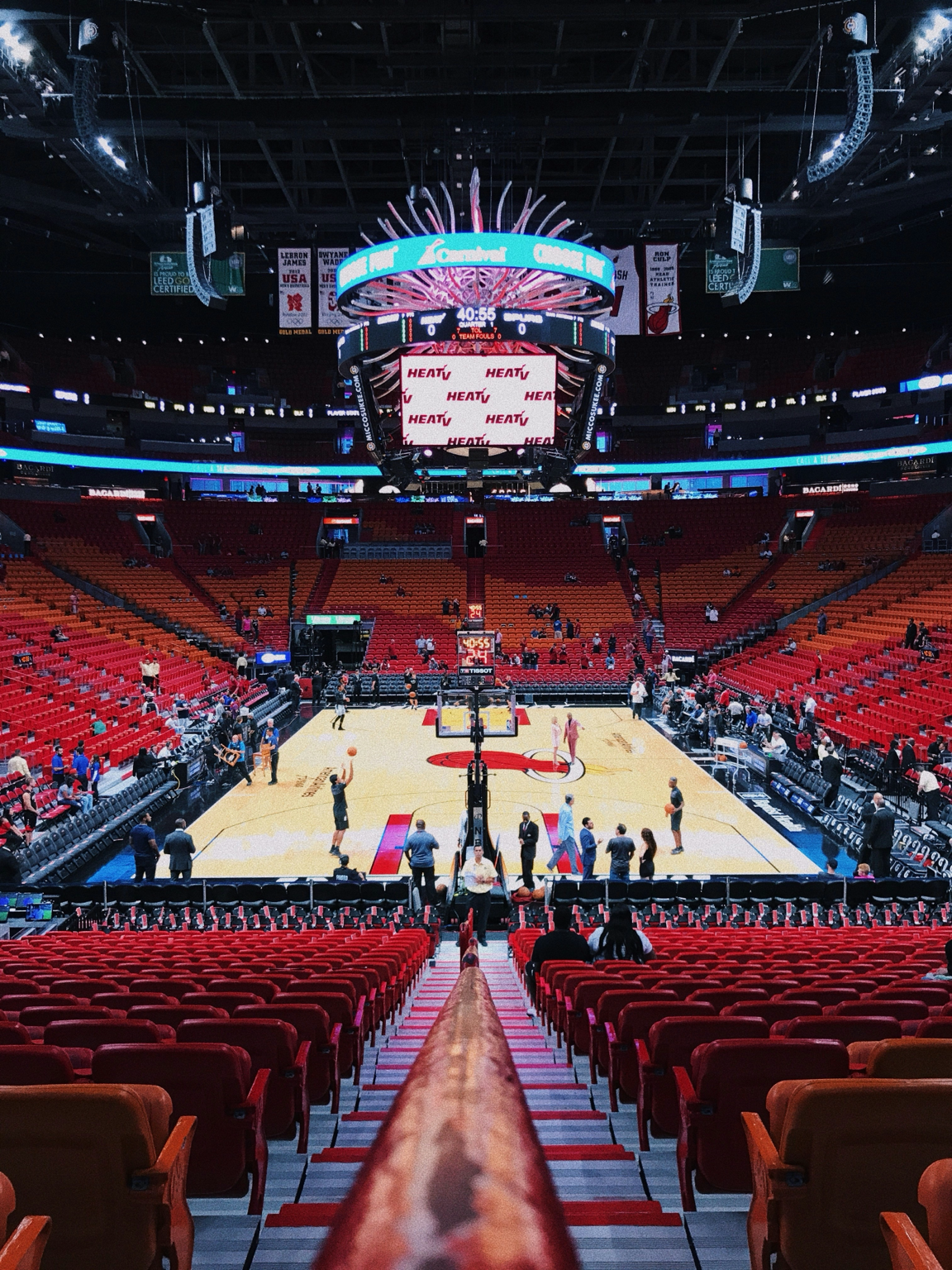
Watching the NBA playoffs this week got me thinking.
Not about who’s winning.
Not even about who’s playing the best.
But about what starts to show up when everything gets tight.
There’s a moment in every playoff game where you can feel it shift.
The pace slows down.
The crowd gets quieter.
And every possession suddenly feels heavier.
That’s usually when people start talking about talent.
Who can take over.
Who can create a shot.
Who can carry a team when it matters most.
But if you watch closely, something else is happening underneath all of that.
Something quieter… but more important.
You’ll see players like Luka Dončić or LeBron James doing everything they can to control the game.
Reading the defense.
Slowing things down.
Making the right play.
From the outside, it looks like control.
But then something small happens.
A missed rotation.
A hesitation.
A breakdown that doesn’t look dramatic—but changes everything.
And that’s when it hits you:
👉 It’s not about talent in that moment.
It’s about what’s holding everything together around it.
That’s what pressure does.
It doesn’t create problems.
It reveals what’s already there.
And this doesn’t just show up in basketball.
It shows up in conversations.
In relationships.
In teams.
When things are easy, it’s simple to believe everything is working.
You’re communicating.
You’re moving forward.
Nothing feels off.
But pressure asks a different question:
👉 What have you actually built together?
Because when things get hard, you don’t suddenly become more connected.
You don’t suddenly communicate better.
You fall back on what’s already been built.
If trust hasn’t been built intentionally…
If communication hasn’t been practiced consistently…
If alignment hasn’t been reinforced over time…
Then when pressure shows up, things don’t hold.
They separate.
💡 And here’s the part I keep coming back to:
Alignment isn’t created in the moment.
It’s revealed in the moment.
The teams that last in the playoffs aren’t always the most talented.
They’re the most connected.
The most disciplined.
The most aligned in how they respond when things get uncomfortable.
And that kind of alignment isn’t built in big moments.
It’s built in the small ones.
The conversations no one sees.
The adjustments no one celebrates.
The accountability that doesn’t always feel good at the time.
So when the pressure comes, it’s not new.
It’s familiar.
That’s what allows something to hold.
✨ Whether it’s on the court or in life, the principle stays the same:
Pressure doesn’t test your potential.
It tests your foundation.
And maybe the better question isn’t:
Can you perform when it matters?
But:
👉 Have you built something that can hold when it does?
~Joseph