

🏀 Clutch Isn’t Magic:
Why the NBA playoffs reveal something deeper than talent alone.
⸻
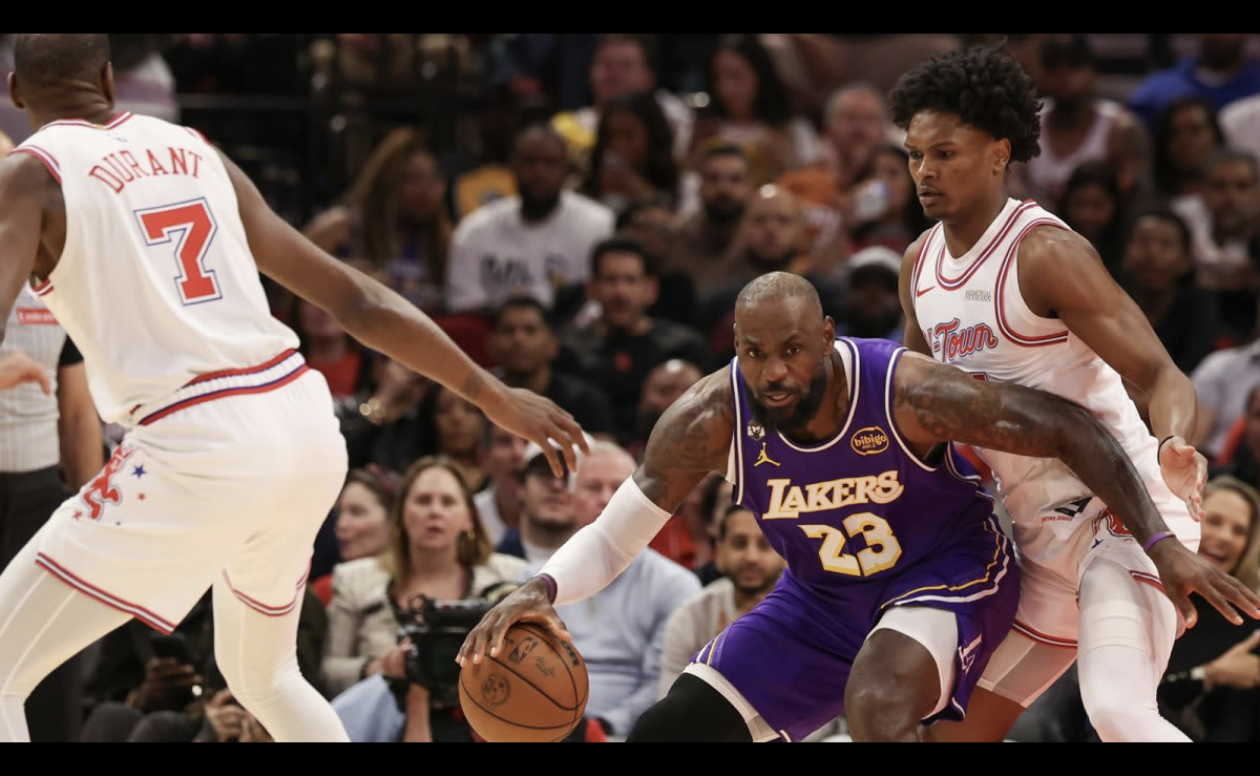
The end of Game 3 between the Lakers and Rockets felt like the kind of playoff moment people remember for years.
With the Lakers trailing late, LeBron James delivered a game-tying step-back three, finished with 29 points, 13 rebounds, and 6 assists in 45 minutes, and helped push Los Angeles to an overtime win and a 3–0 series lead.
That sequence is exactly the kind of moment fans usually file under one word:
🔥 Clutch.
But the deeper lesson from these playoffs is that clutch is rarely just individual magic.
More often, it’s:
habits under pressure
emotional control under stress
trust built long before the moment arrives
and chemistry that keeps people connected when everything tightens
⸻
🧠 The Myth of the “Clutch Gene”
Basketball culture loves the idea that certain players are simply born different.
That they possess some mysterious late-game superpower.
But pressure research tells a different story.
Under extreme stress:
decision-making narrows
emotions spike
execution often declines
and even elite players can tighten up
Which means “clutch” may not be about becoming superhuman.
It may actually be about something simpler:
The ability to access your normal habits when everyone else is losing theirs.
That changes the entire conversation.
⸻
🔁 Habits Before Heroics
What makes LeBron James fascinating at this stage of his career isn’t just the shot.
It’s the repeatability behind it.
At 41 years old…
In Year 23…
With massive mileage on his body…
He still trusts:
pacing
preparation
film study
emotional composure
recovery routines
and patient decision-making
What looks magical on television is usually repetitive behind the scenes.
That’s true in basketball.
And honestly?
It’s true in life too.
⸻
🏙️ New York’s Identity: Trust Under Pressure
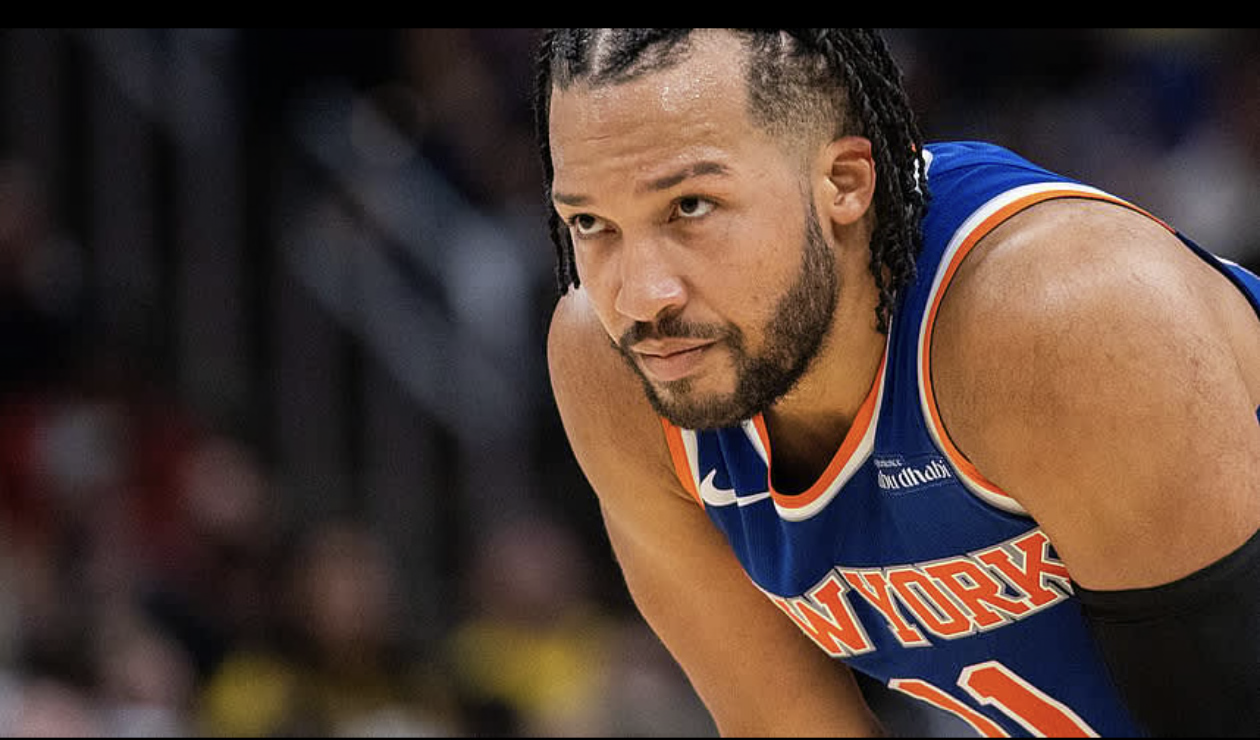
Jalen Brunson has become the emotional center of New York basketball.
Yes, the shot-making is spectacular.
But the bigger story is how the Knicks function around him late in games.
When pressure rises:
teammates cut harder
screens arrive on time
spacing sharpens
defensive rotations tighten
and role players attack confidently
That’s not random.
That’s chemistry.
🤝 Trust changes performance.
When people trust the system…
they stop hesitating inside it.
⸻
⚡ Chemistry Is a Competitive Advantage
Some playoff teams don’t just survive pressure.
They actually look more alive in it.
You can see it:
the extra pass
the calm body language
the communication
the willingness to keep attacking after mistakes
That’s usually a chemistry story before it’s a talent story.
Because connected teams waste less energy doubting each other.
And honestly, that applies far beyond basketball.
⸻
🎯 Clutch by Committee in Los Angeles
The Lakers are interesting because this version of the team isn’t built around one man doing everything.
Luka Dončić creates.
Austin Reaves stabilizes possessions.
LeBron James organizes emotion and tempo.
That matters.
Because true pressure-proof teams trust multiple people with responsibility.
And when pressure can’t isolate one player…
the entire group becomes harder to break.
⸻
🌱 The Early Stages of Greatness
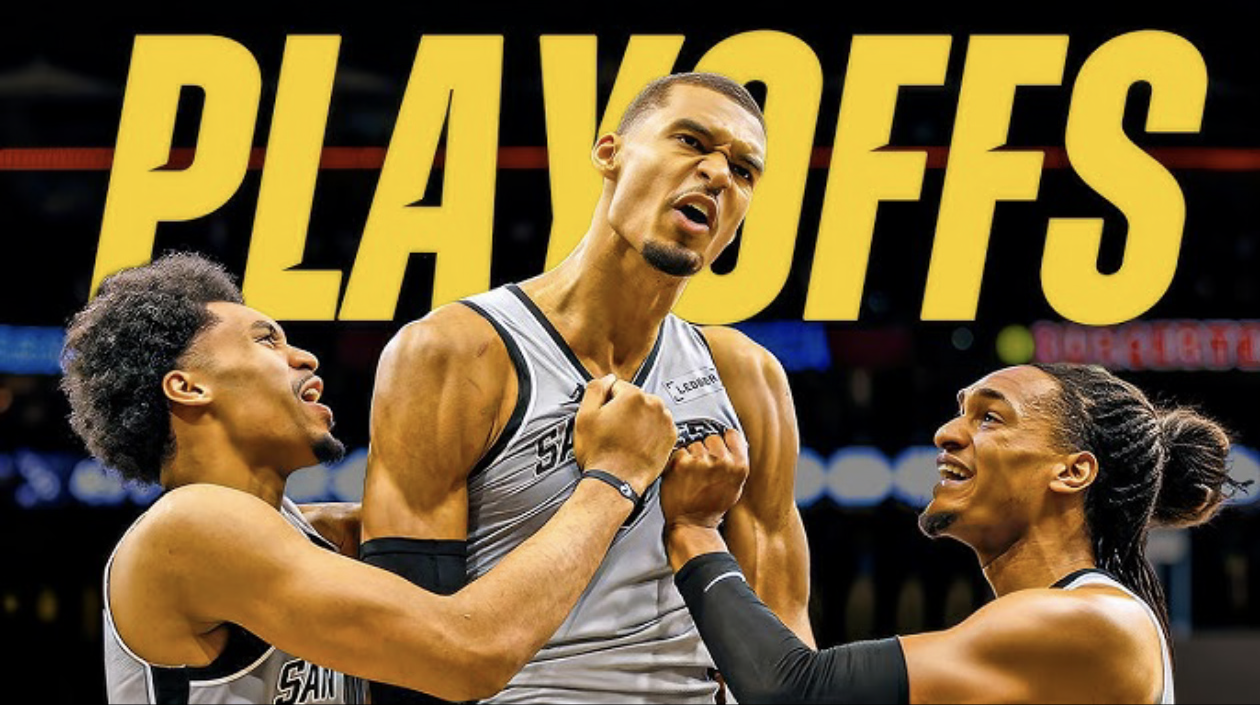
Victor Wembanyama and Stephon Castle represent another fascinating version of this idea.
Not finished greatness.
Emerging chemistry.
Wembanyama bends the geometry of the game defensively.
Castle adds another layer of confidence and aggression.
Together, they’re beginning to build something larger than individual talent.
And that’s important because:
Spectacular moments create headlines.
Shared belief creates sustainability.
⸻
🫀 Chemistry Is Also a Nervous-System Advantage
Pressure affects the body as much as the mind.
Teams with trust:
communicate more clearly
recover faster from mistakes
stay emotionally looser
and take smarter risks
Teams without trust?
You can usually see it immediately.
The offense sticks.
The body language collapses.
Players rush.
Frustration spreads.
That’s why trust isn’t just emotional.
It’s functional.
⸻
🌎 What This Means Beyond Basketball
This is why “clutch” matters outside the NBA too.
In:
leadership
relationships
family life
business
creative work
and conflict
…people often imagine the hardest moments require some hidden reserve of greatness.
But usually?
Those moments simply expose the habits and chemistry that already existed.
The calmest people in conflict are rarely improvising.
They’re falling back on:
listening
emotional steadiness
repair
honesty
patience
and trust built before the pressure arrived
⸻
🏁 Final Thought
When the playoffs reach the second round, talent exists everywhere.
What separates the teams that survive is often something less glamorous and far more human:
🏀 Habits
🤝 Trust
⚡ Chemistry
🧠 Emotional control
❤️ Shared belief
That’s what makes teams dangerous late.
And honestly…
That may be what makes relationships survive pressure too.
~Joseph