

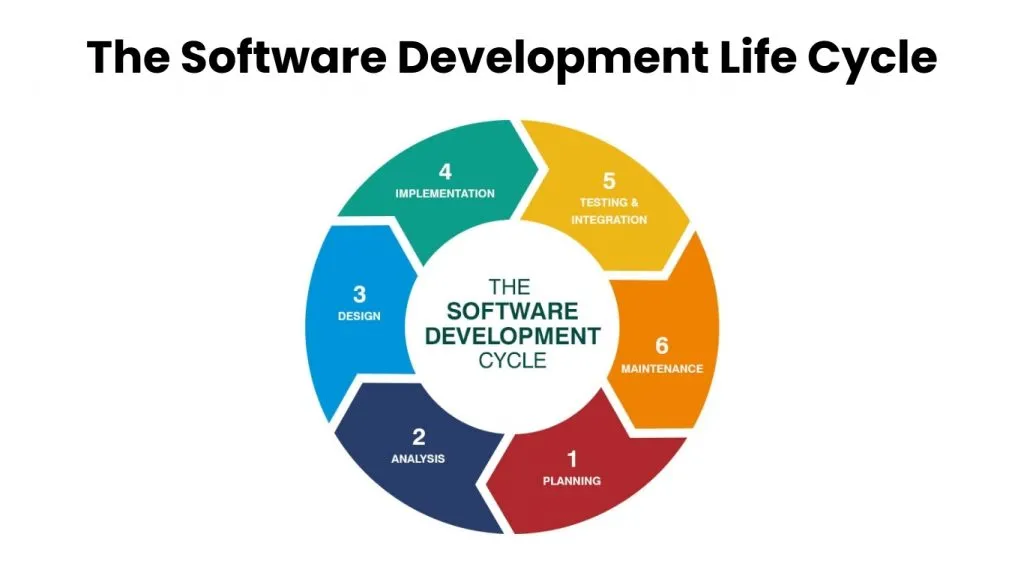
Goal: Show how you approach software engineering beyond writing code.
Opening
A feature rarely starts with code.
The real work begins with understanding the problem, constraints, risks, and expected behavior.
Briefly introduce your typical workflow from idea to production.
1. Understanding the Problem
What problem are we solving?
Who is affected?
What does success look like?
Identify edge cases and hidden requirements.
2. Breaking Down the Feature
Separate frontend, backend, database, API, and integration concerns.
Identify dependencies.
Decide what belongs in the existing architecture and what needs a new abstraction.
3. Architecture & Technical Design
Define data flow.
Decide where business logic belongs.
Design APIs and database changes.
Think about scalability and backward compatibility.
4. Implementation
Build the smallest coherent version first.
Keep modules focused.
Avoid solving hypothetical problems too early.
Explain where AI tools can accelerate implementation.
5. Testing
Unit tests for critical logic.
E2E testing for important user workflows.
Test edge cases and failure scenarios.
Verify compatibility with existing functionality.
6. Code Review
Correctness.
Maintainability.
Security.
Performance.
API/database implications.
7. Production & Monitoring
Staging verification.
Release automation.
Production validation.
Handling unexpected behavior after release.
8. What I Would Do Differently
Lessons learned from shipping real features.
Common mistakes engineers make when they focus only on implementation.
Closing
The difference between “feature complete” and “production ready”.
Encourage readers to think in systems rather than isolated tickets.