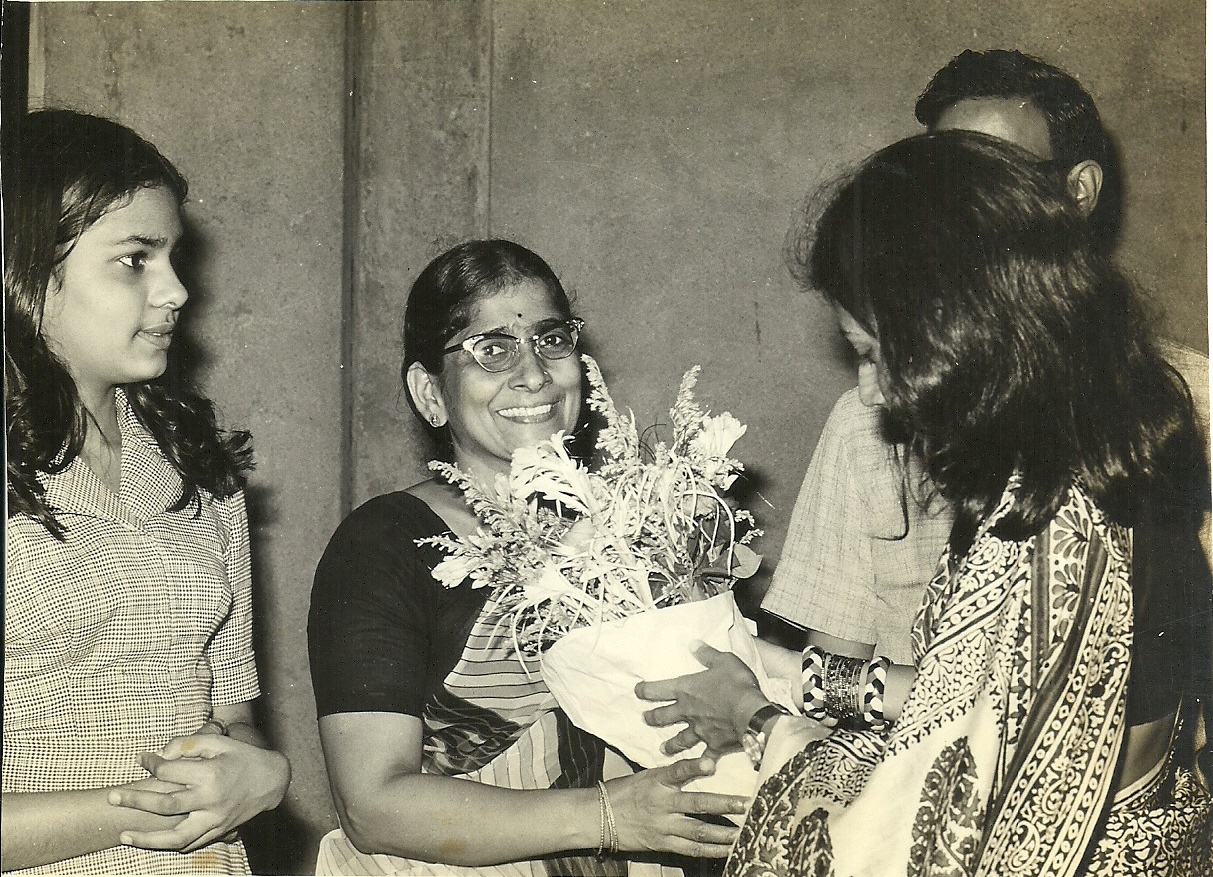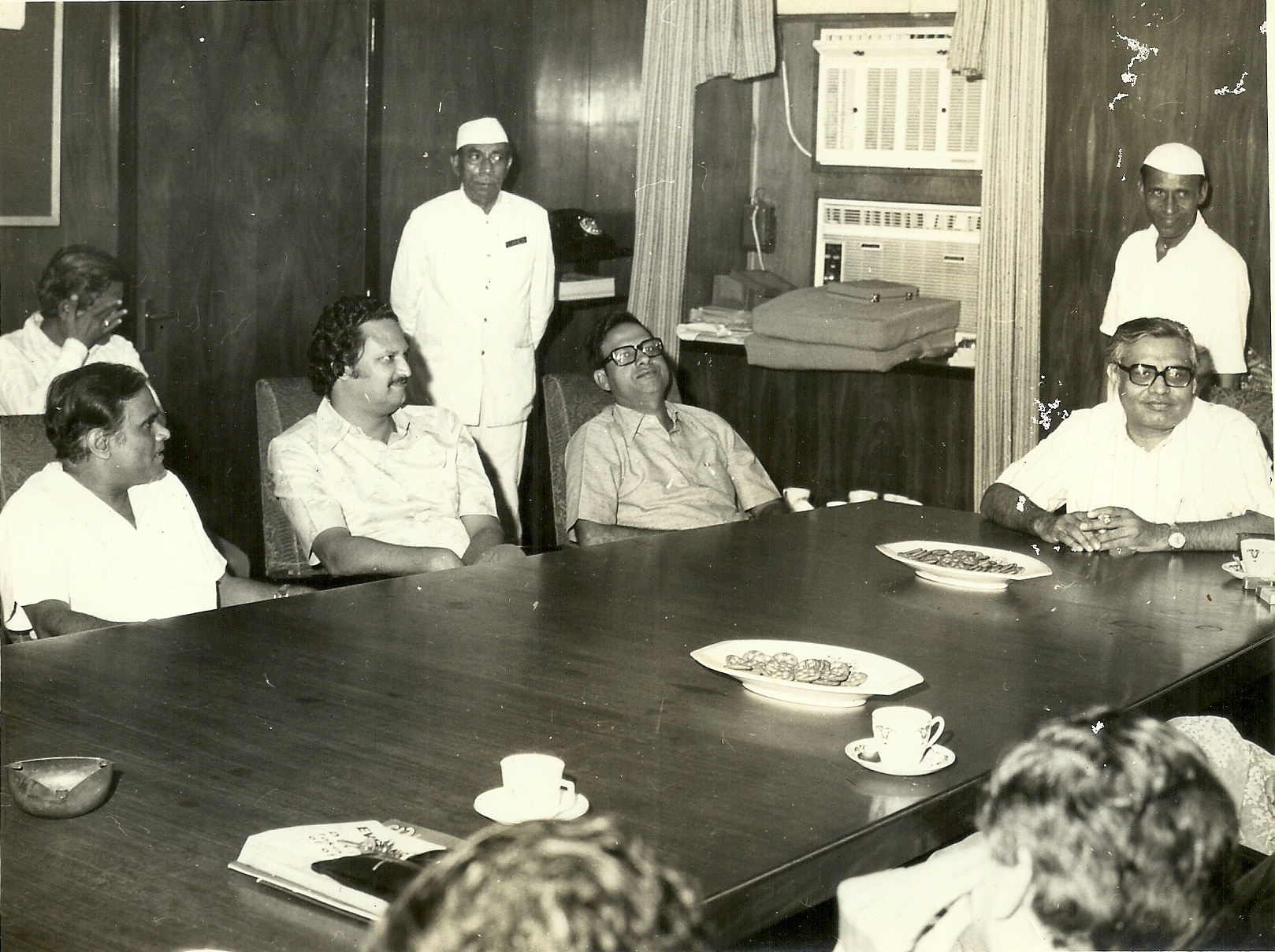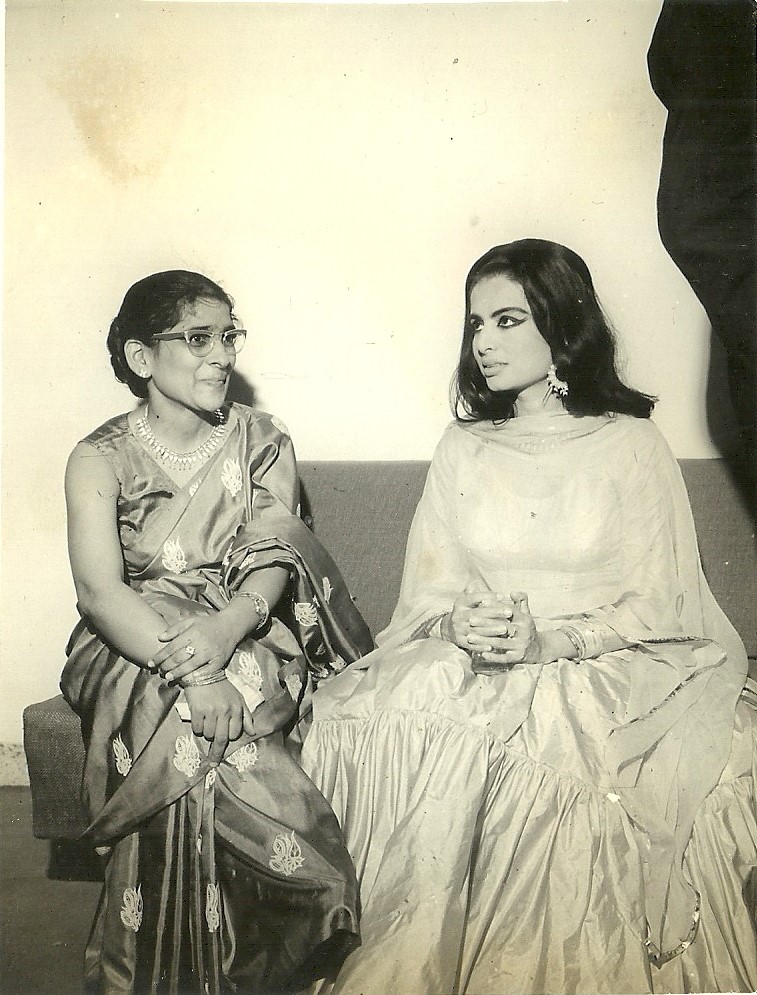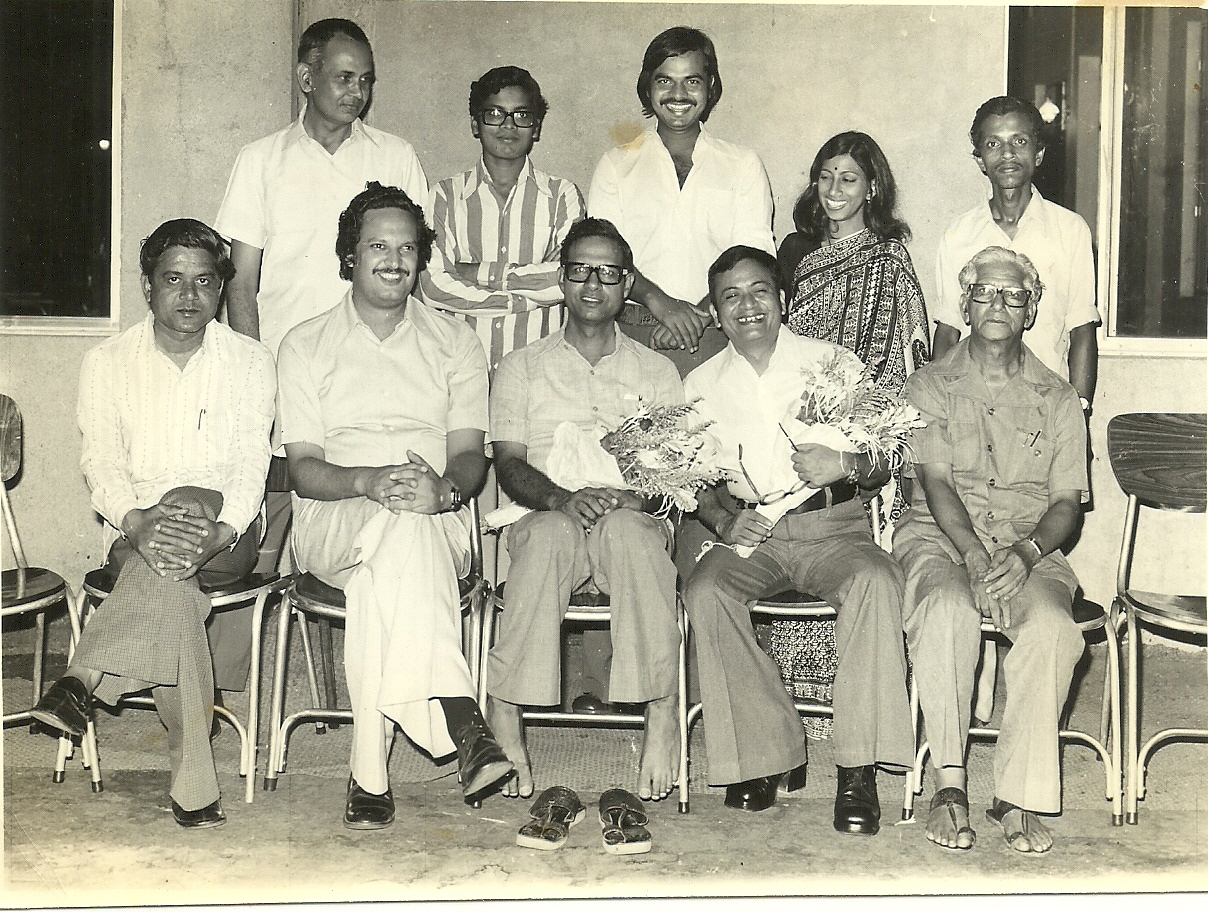

Arvind Kumar was born on 17 January 1930 in Meerut, Uttar Pradesh. He stands as one of the most remarkable figures in modern Hindi literature and linguistics- a pioneering lexicographer, visionary creator of the first comprehensive Hindi Thesaurus, and the architect behind numerous influential dictionaries. His lifelong dedication to the Hindi language has left an indelible mark on Indian culture and scholarship.
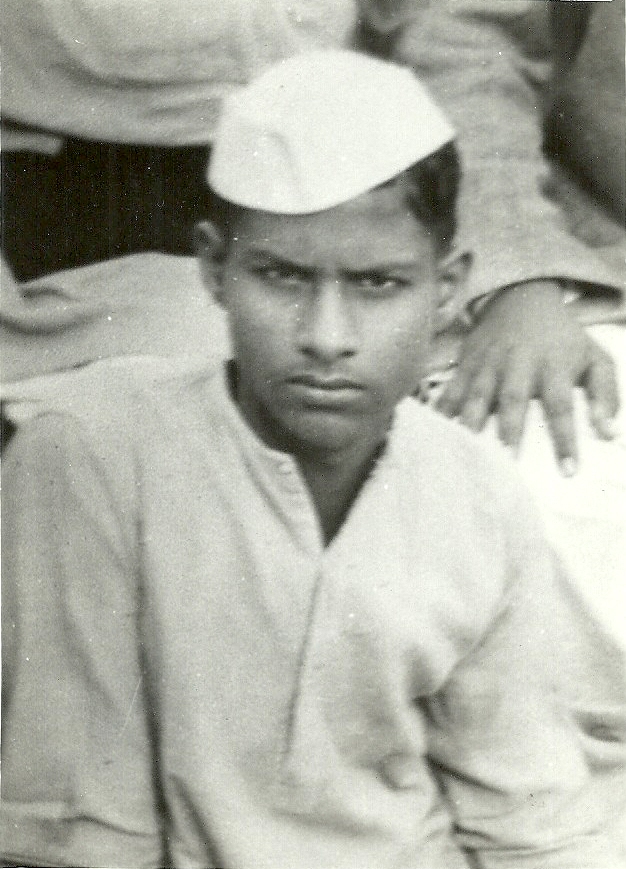
From an early age, Arvind Kumar harbored a profound love for words and an unwavering passion for Hindi. This deep emotional connection, coupled with a fervent desire to contribute something truly unique to the language and an ambitious dream of elevating Hindi to the ranks of the world’s richest and most expressive tongues, kept him perpetually driven and creatively alive. Even in his later years, approaching the age of 90 and beyond, this burning inner zeal continued to energize him, fueling tireless work that spanned decades.
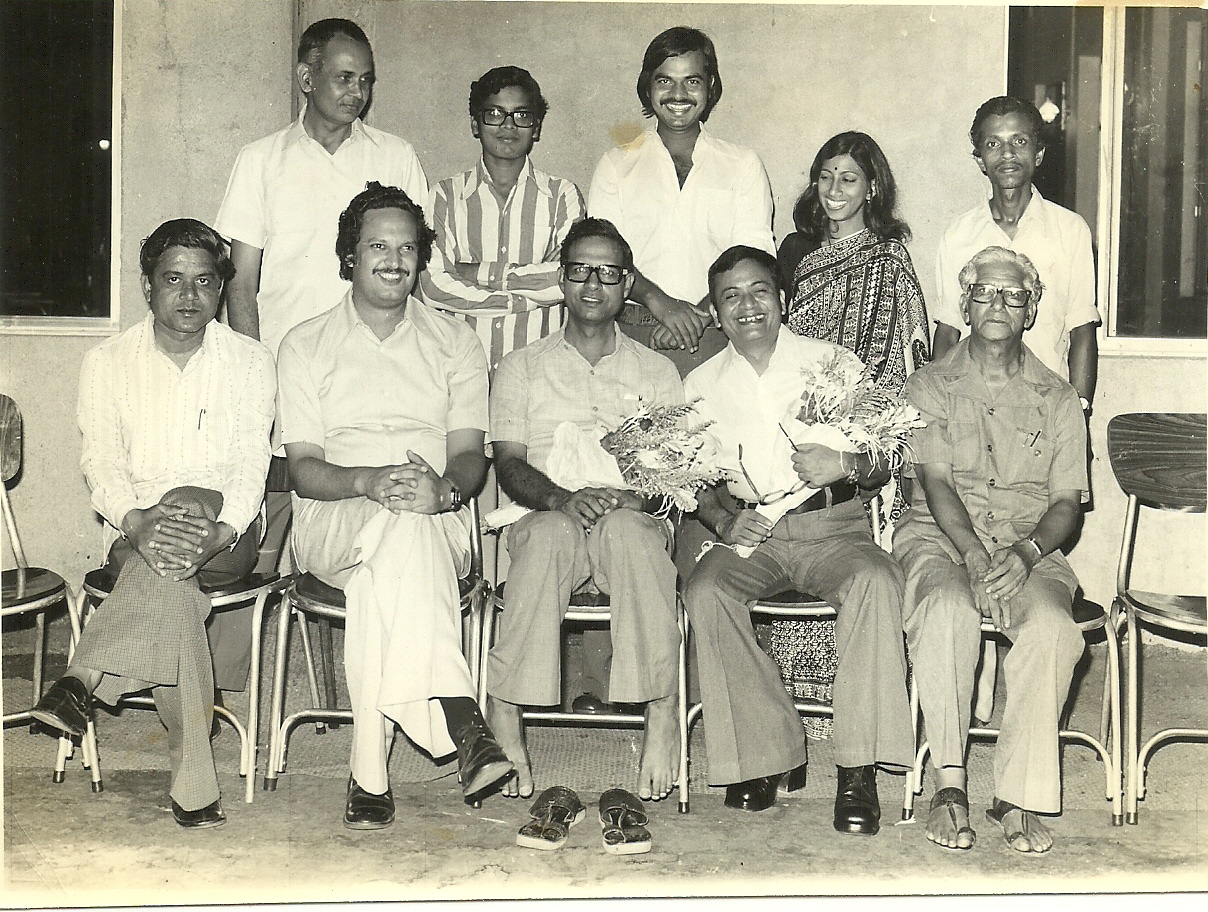
When he was around 14 years old, his family relocated to Delhi. Despite the challenges of the time, Arvind Kumar balanced his education with professional responsibilities. In 1945, he joined Delhi Press as a distributor in the letterpress section. Over the next 15 years, he immersed himself in the world of Hindi journalism, contributing articles and serving in editorial roles for various magazines published by the press. This formative period honed his skills as a writer and editor while deepening his appreciation for the power of the printed word.
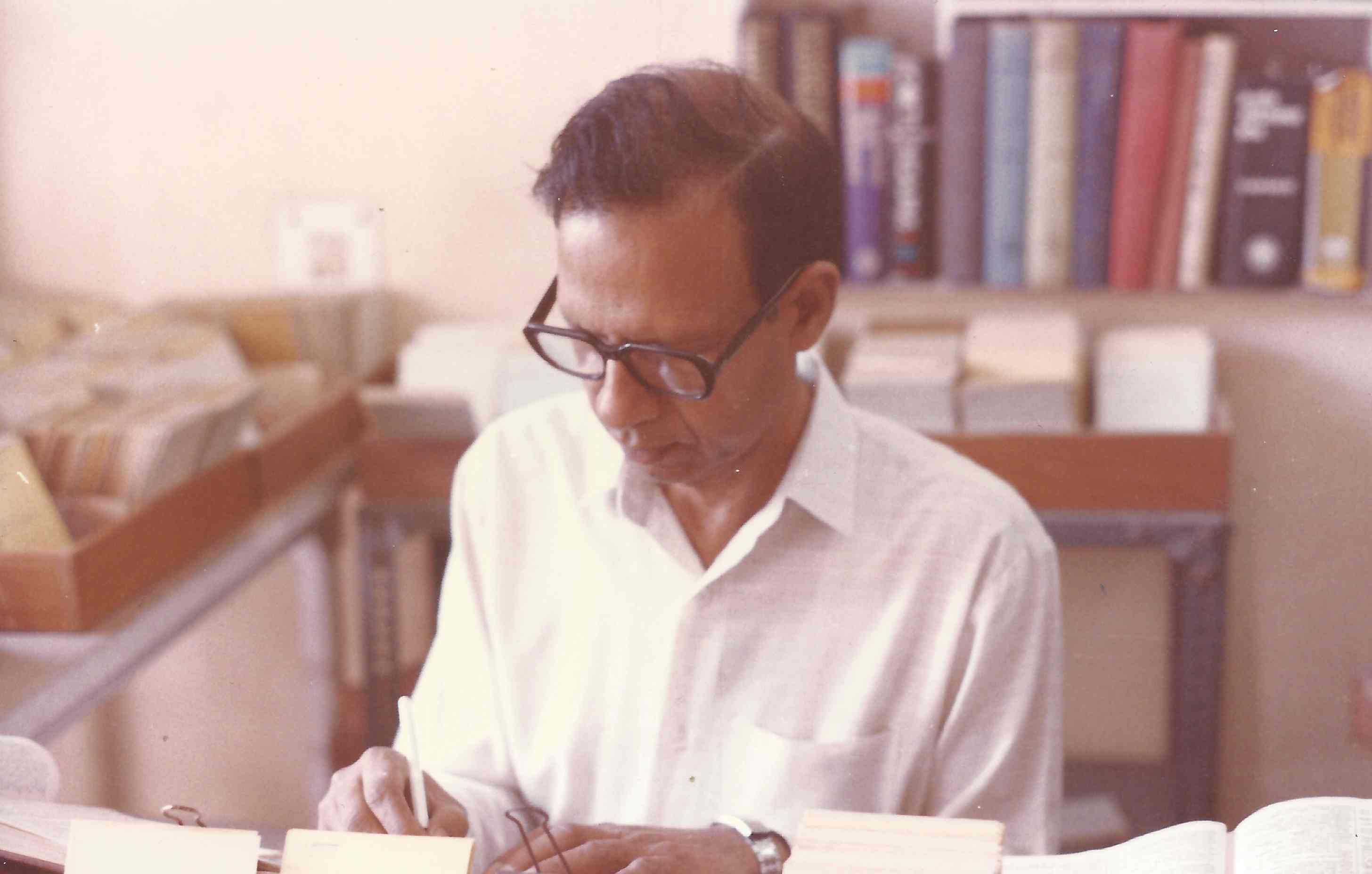
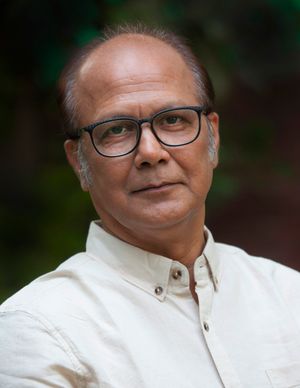
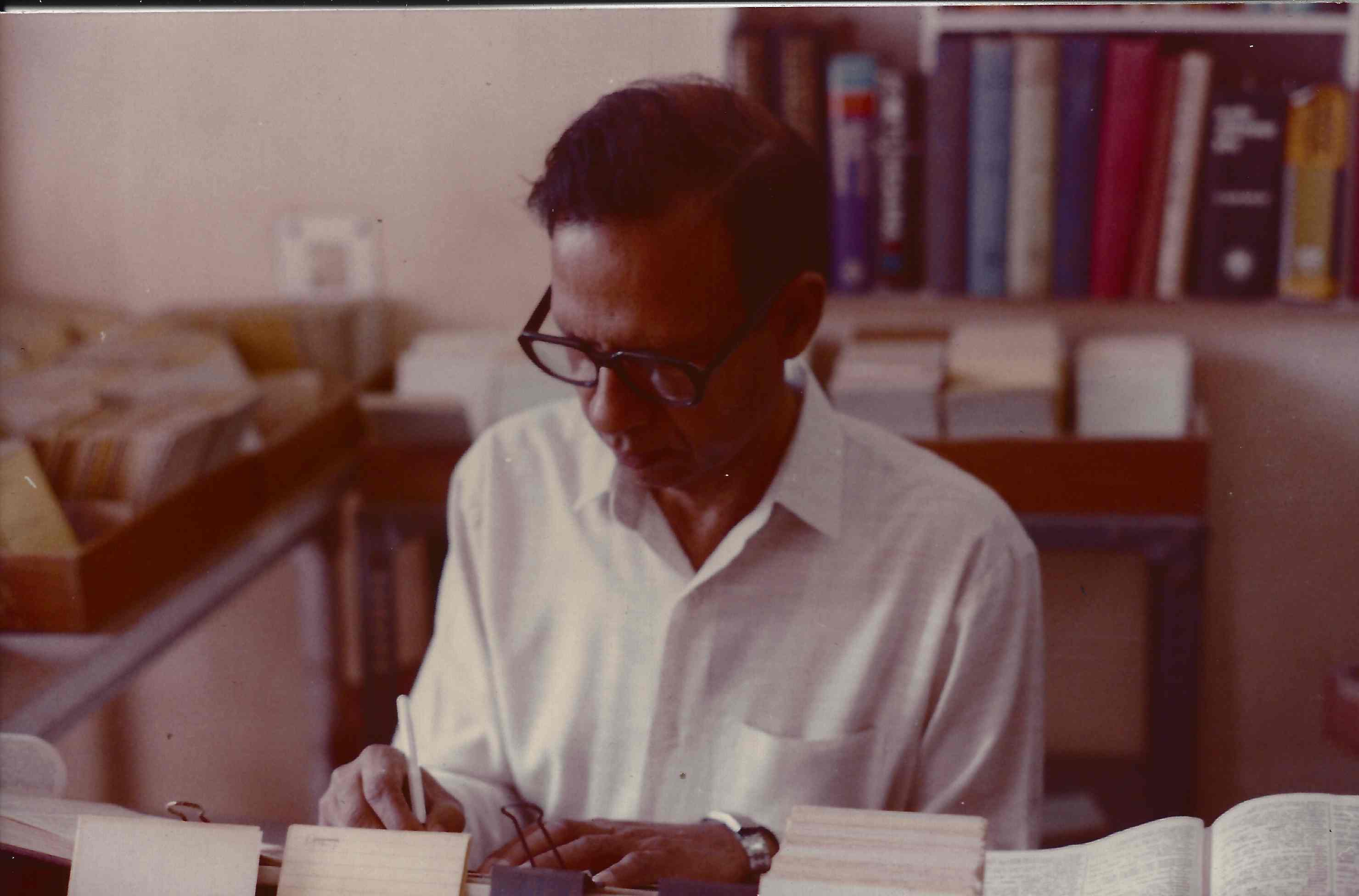
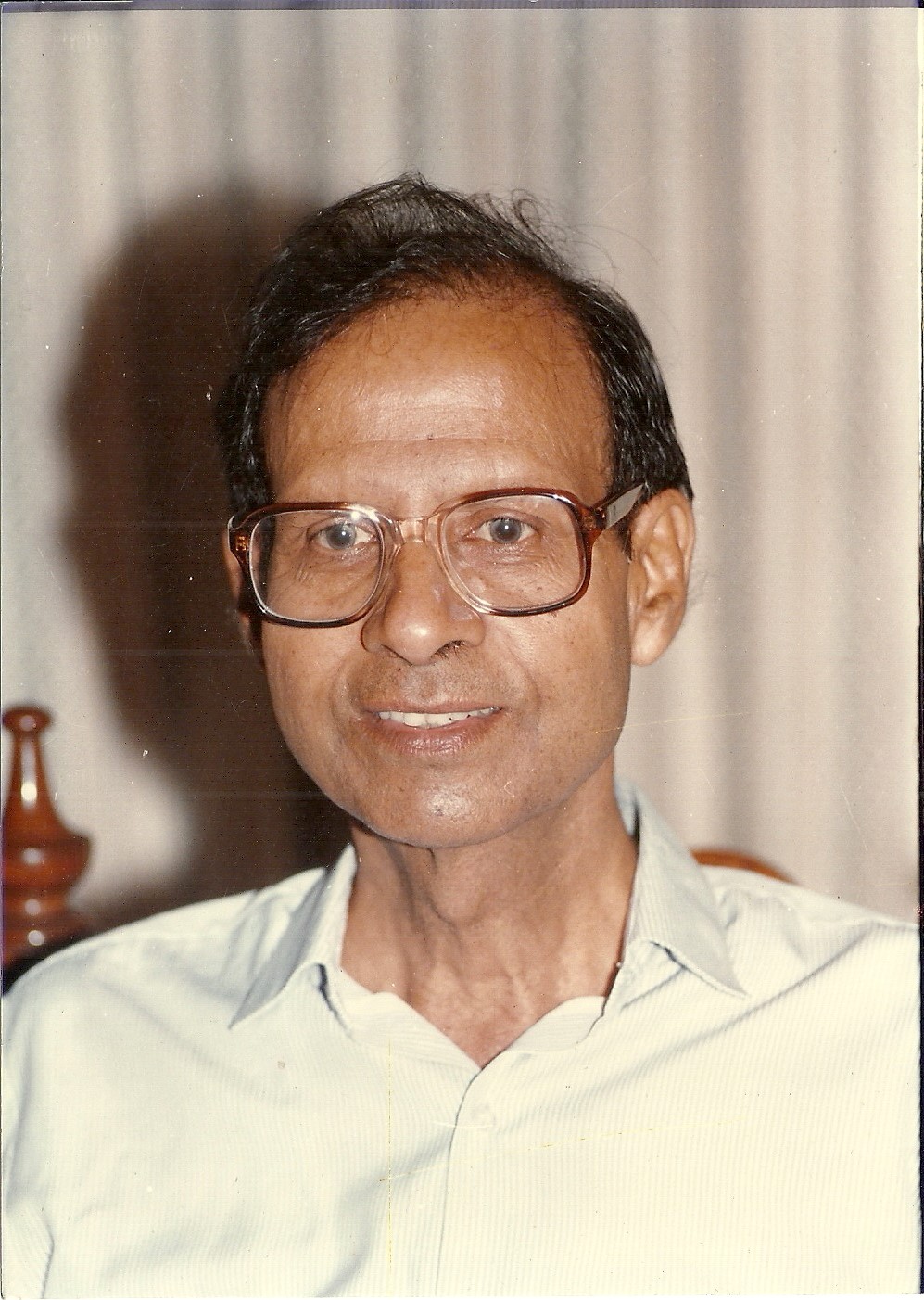
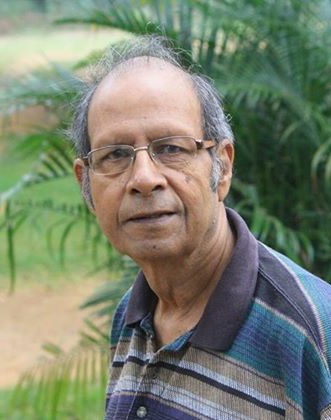
(Arvind Kumar)
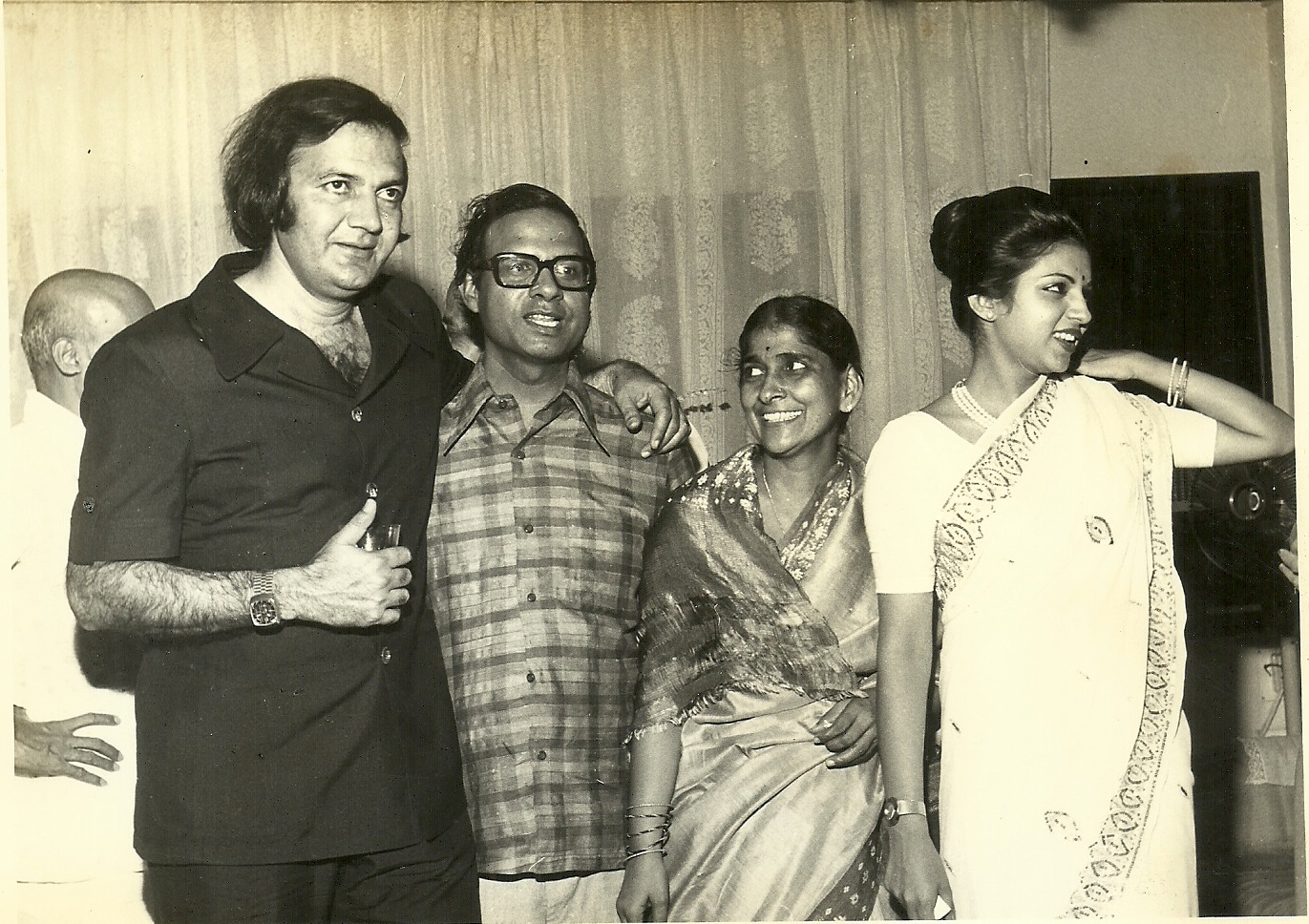
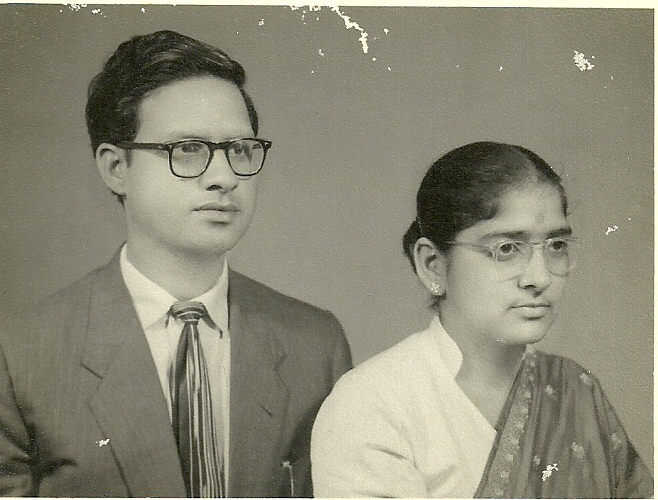
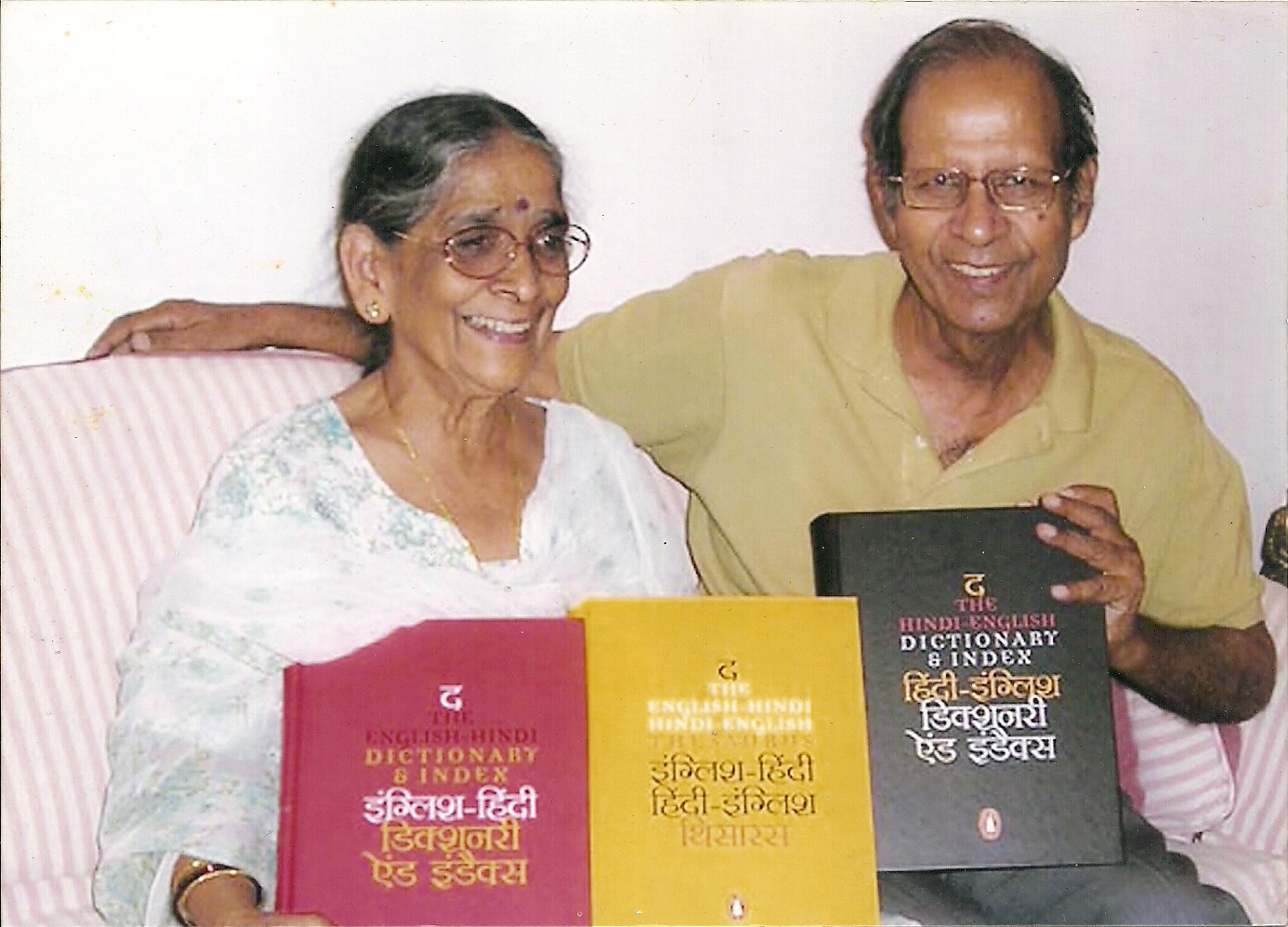
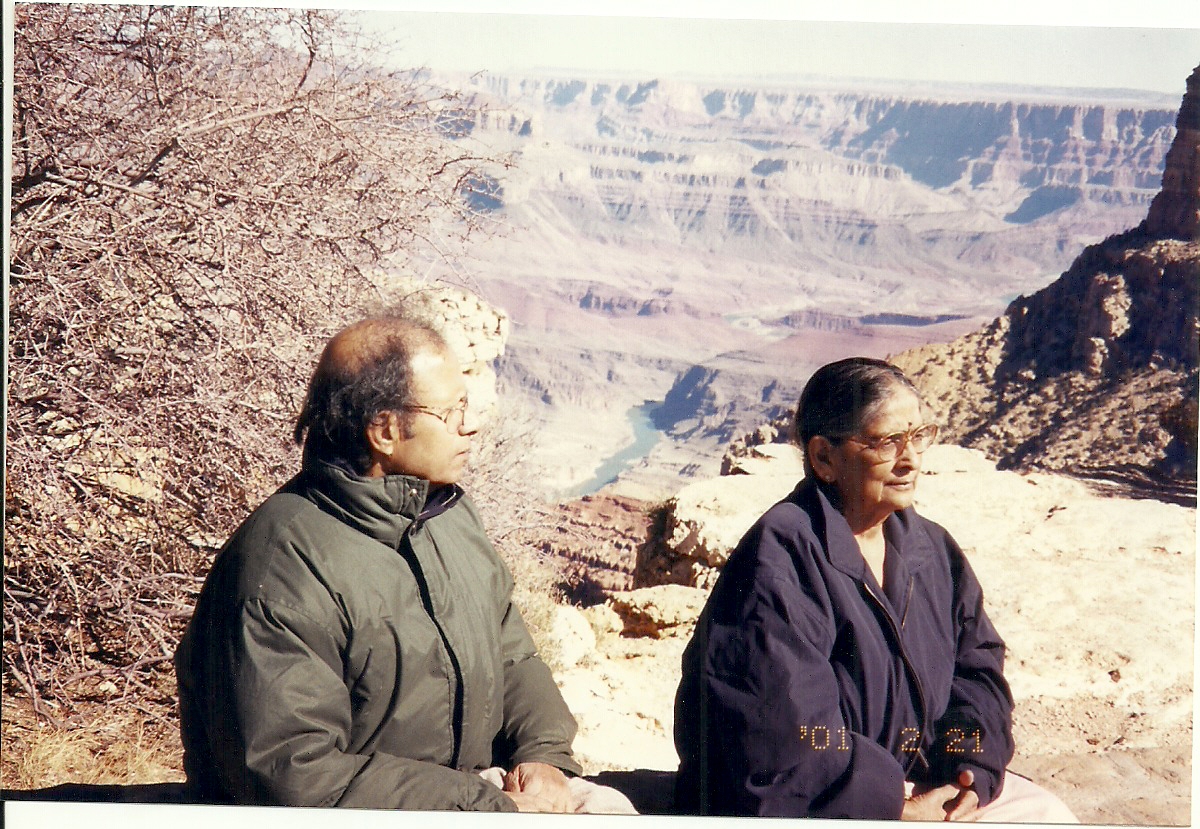
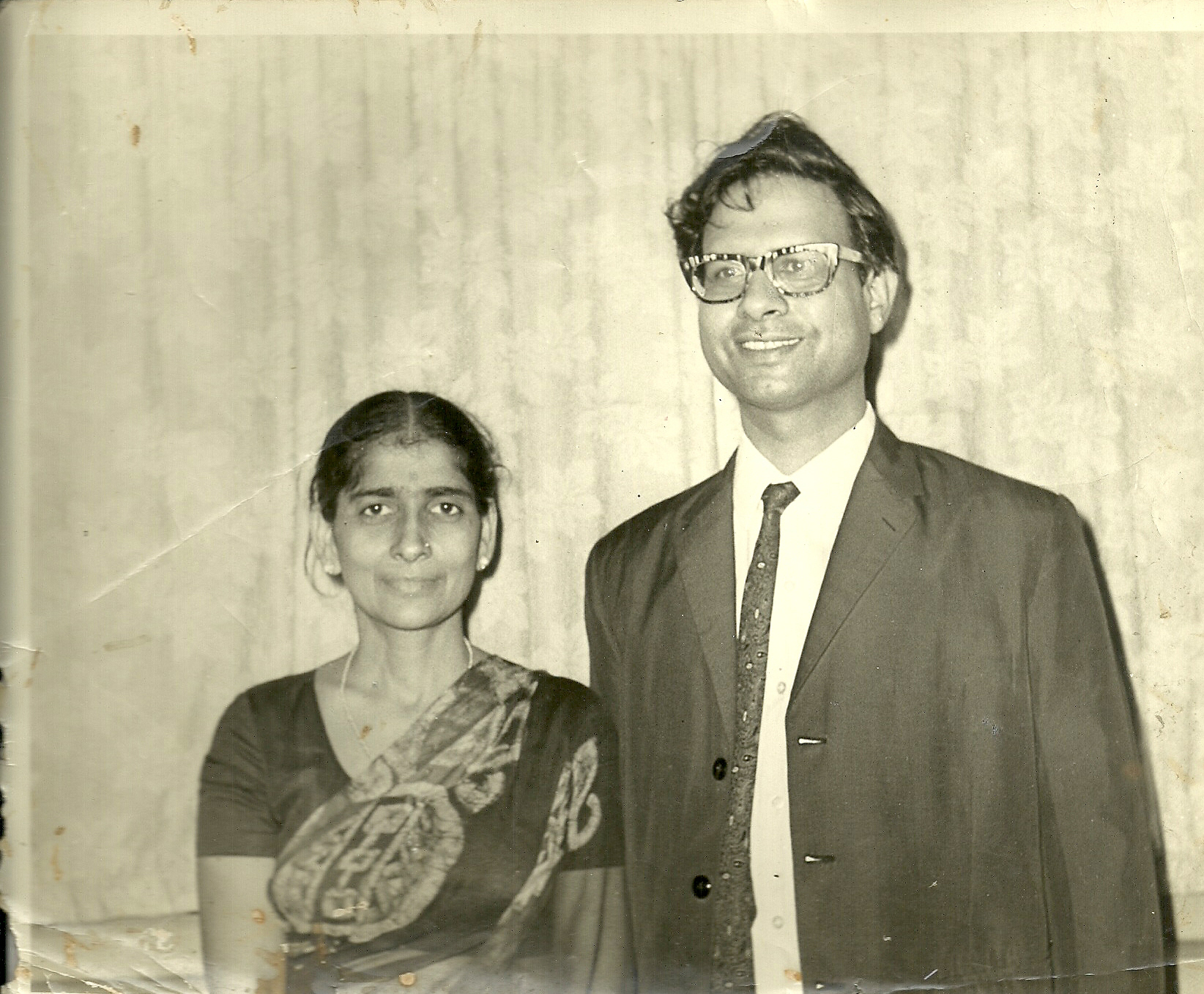 Arvind Kumar with his wife Kusum
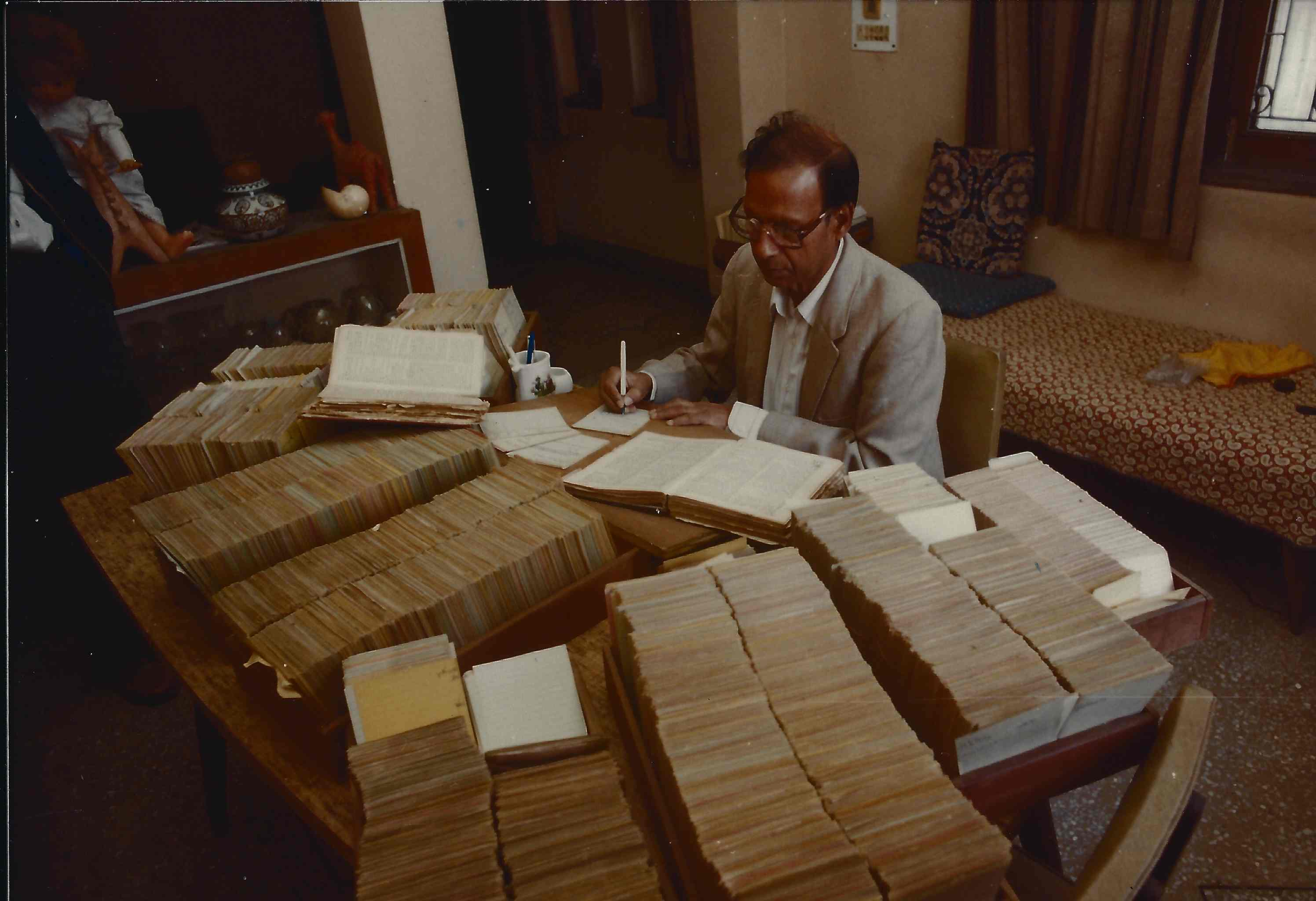
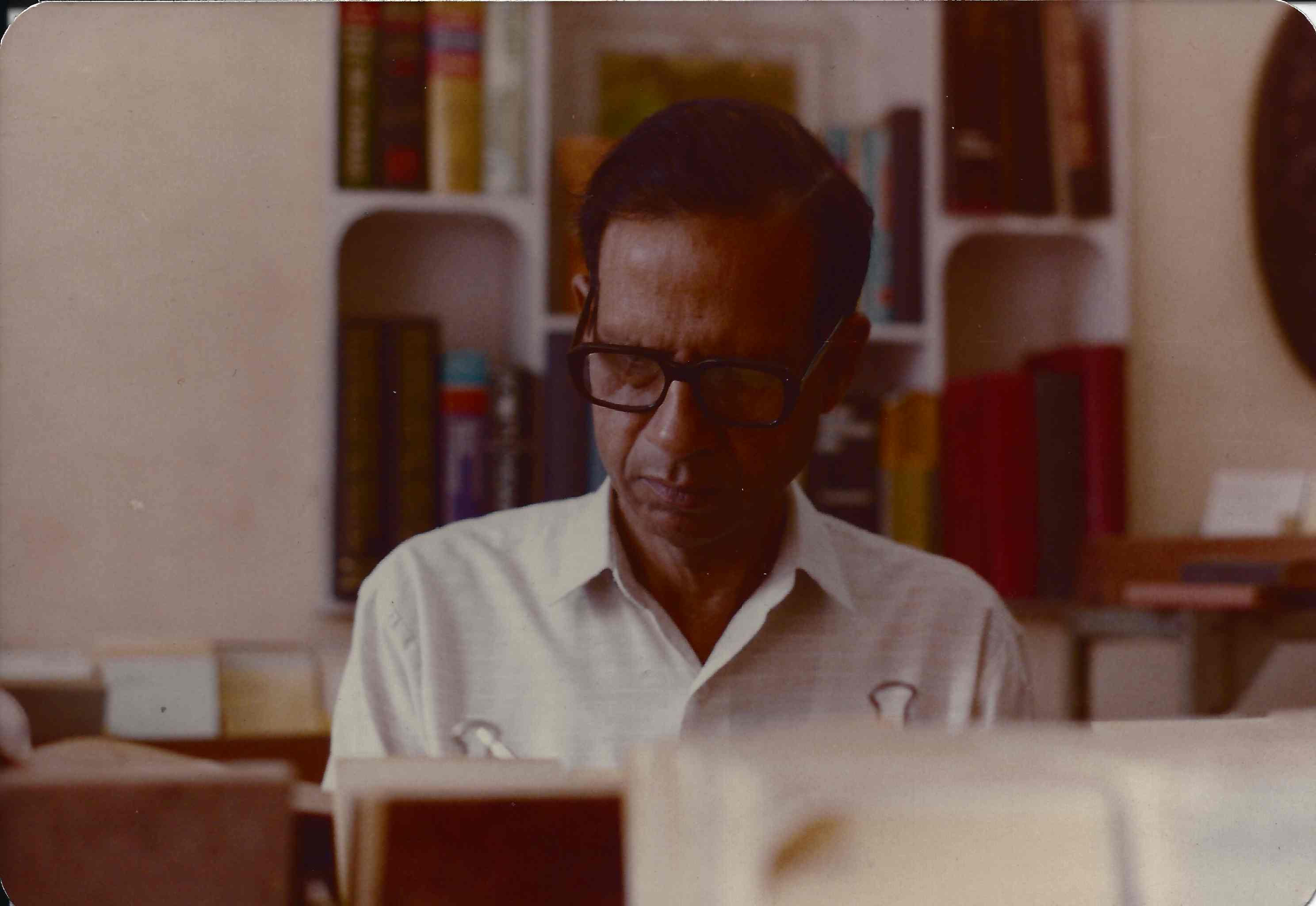
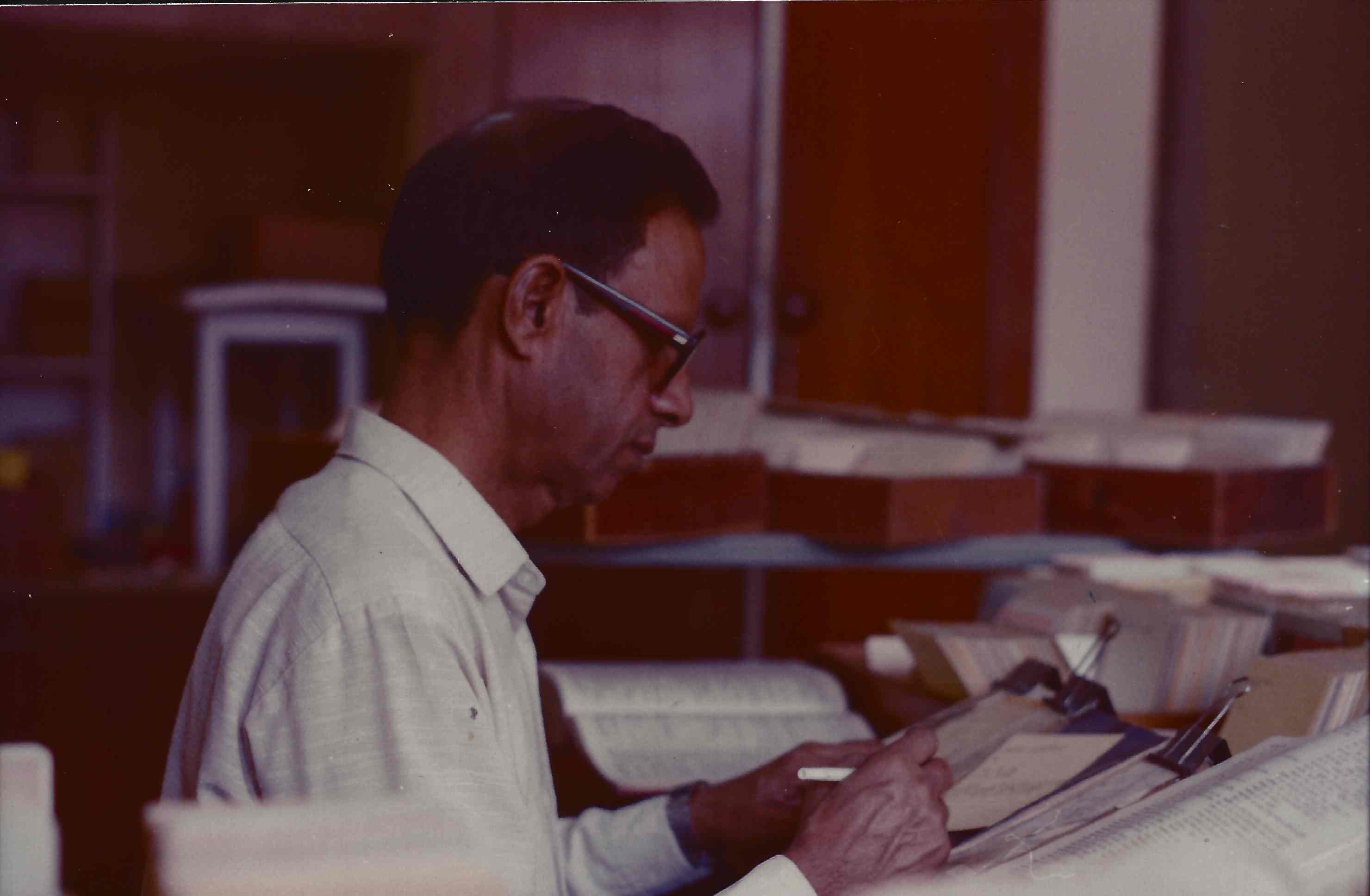
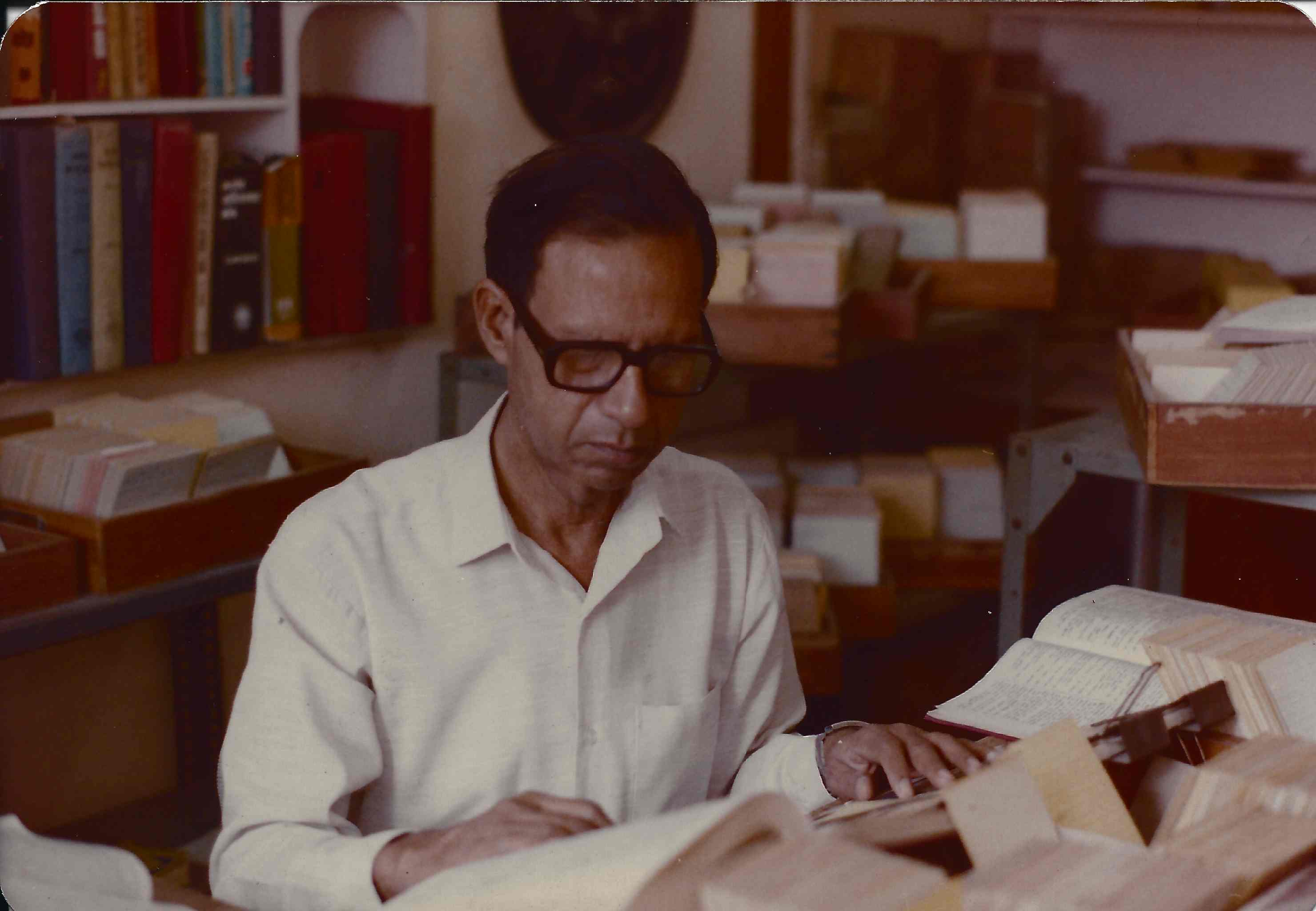
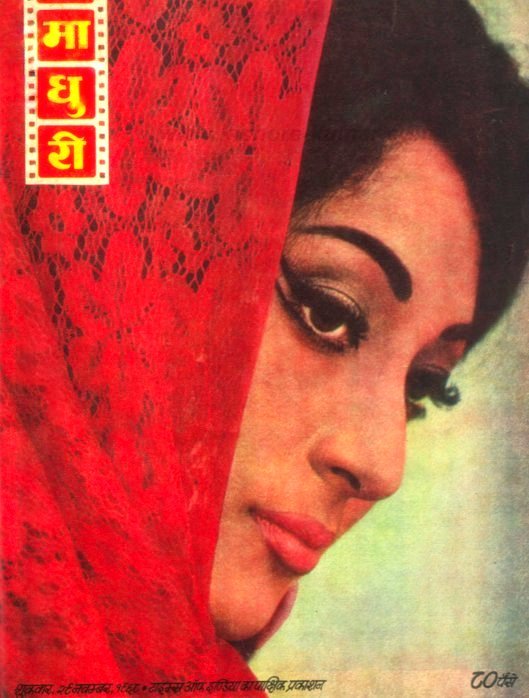
In 1964, a significant opportunity came his way when he was offered the editorship of a new magazine launched by the Times of India group. This led him to Mumbai (then Bombay), where he went on to edit Madhuri for twelve remarkable years. During that era, Madhuri was one of the most popular and complete family-oriented film magazines in Hindi, blending entertainment, culture, and insightful commentary that resonated with a wide readership across the country. It captured the vibrant spirit of Hindi cinema and popular culture of the time.
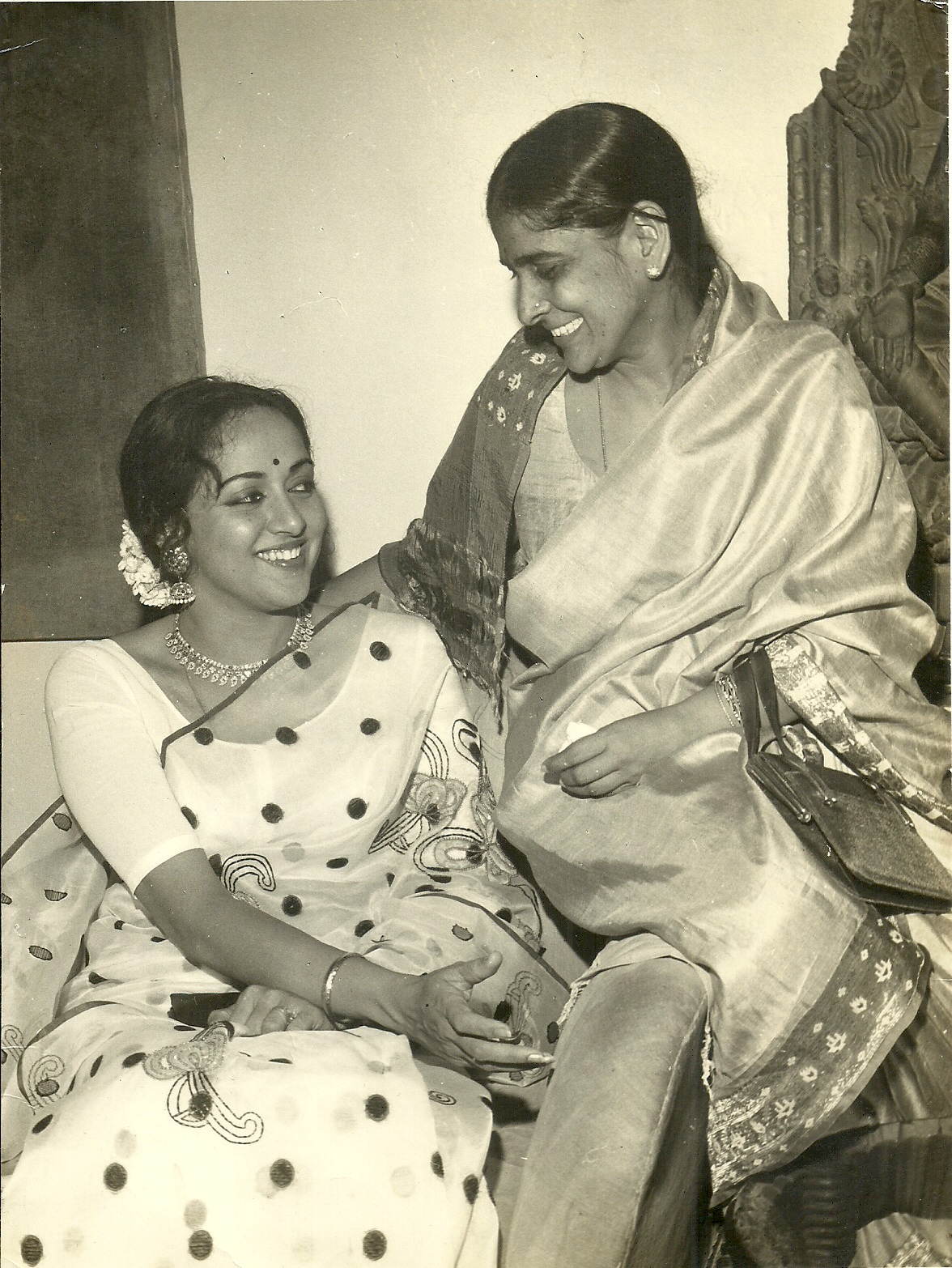
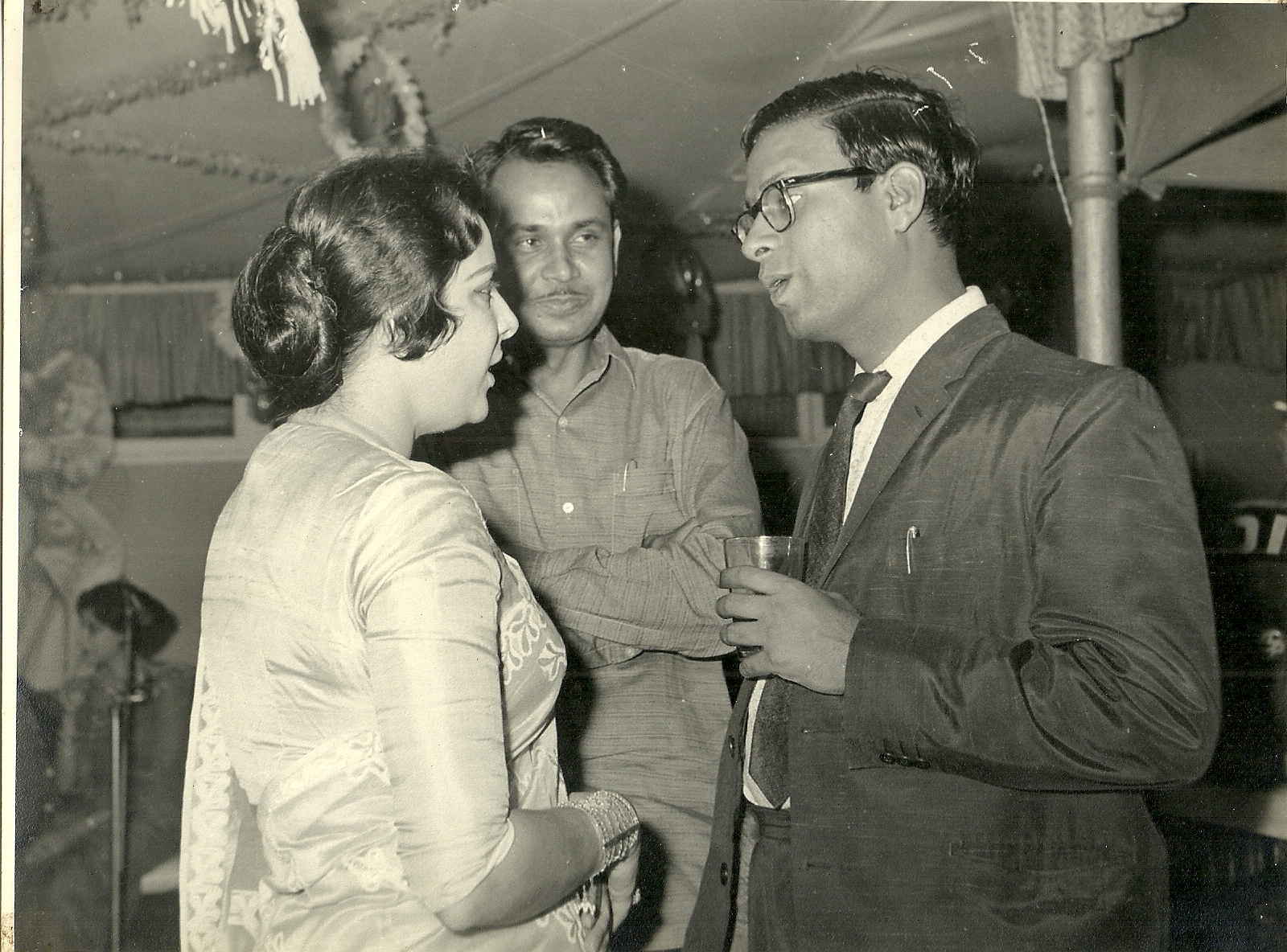
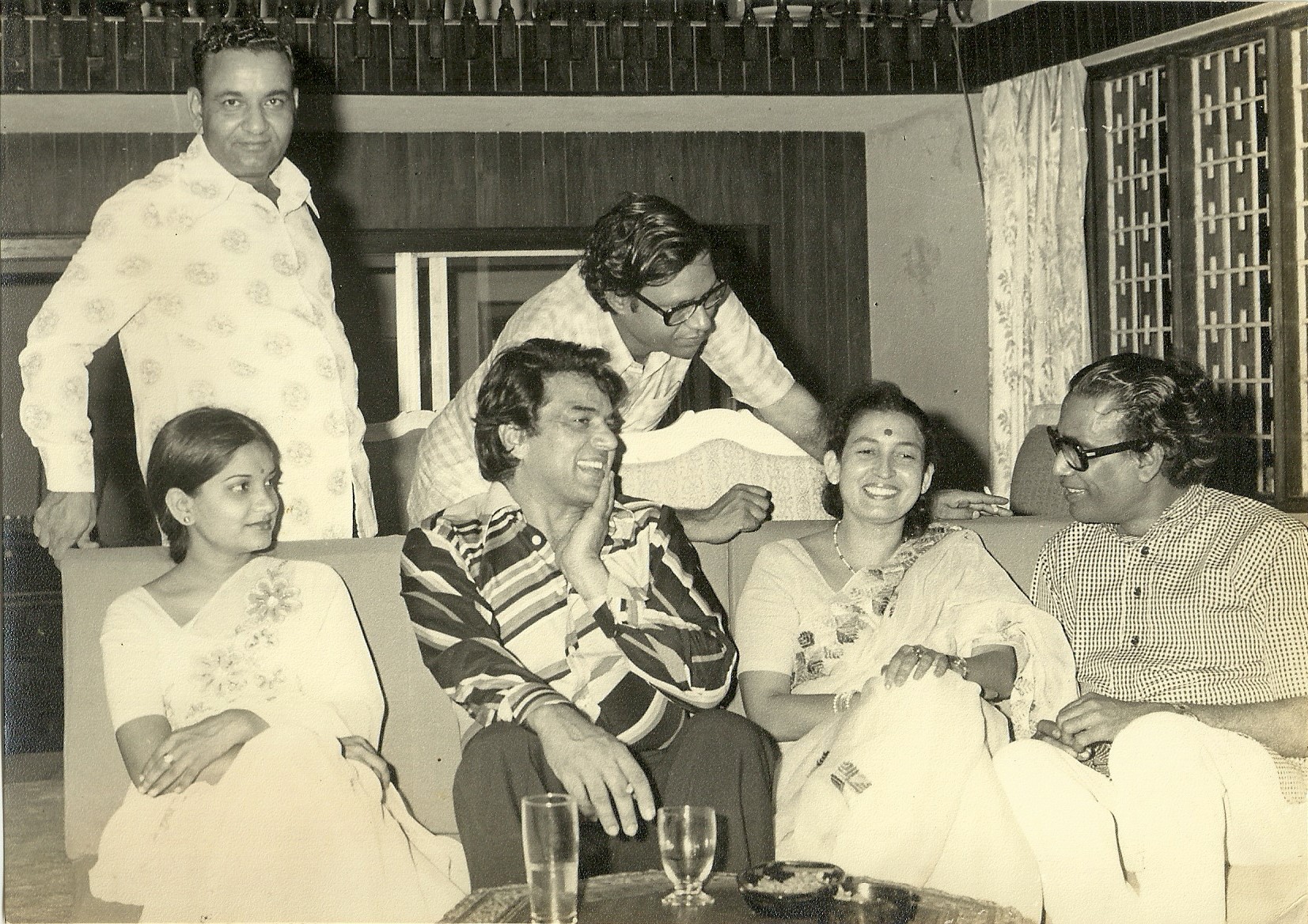
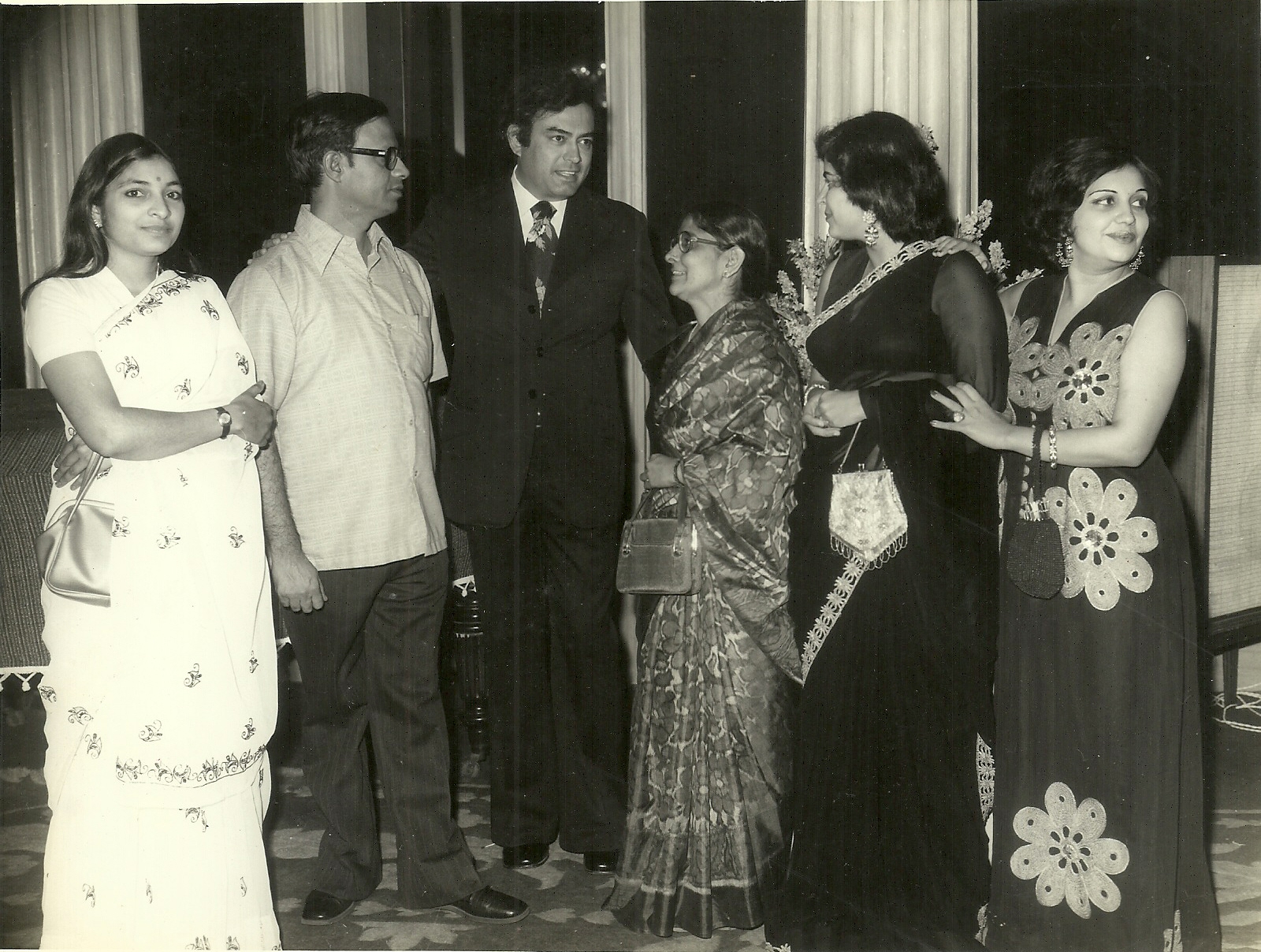
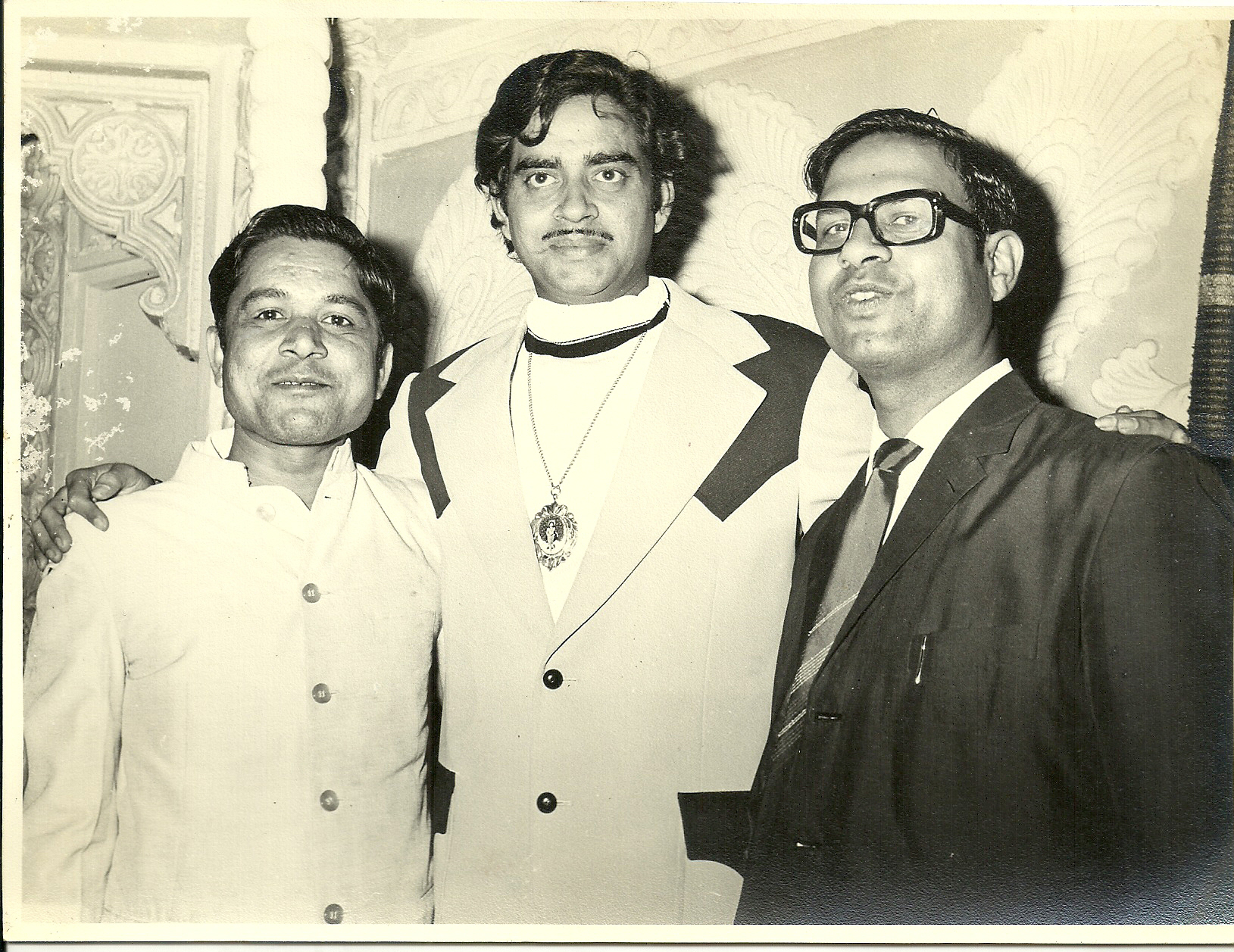
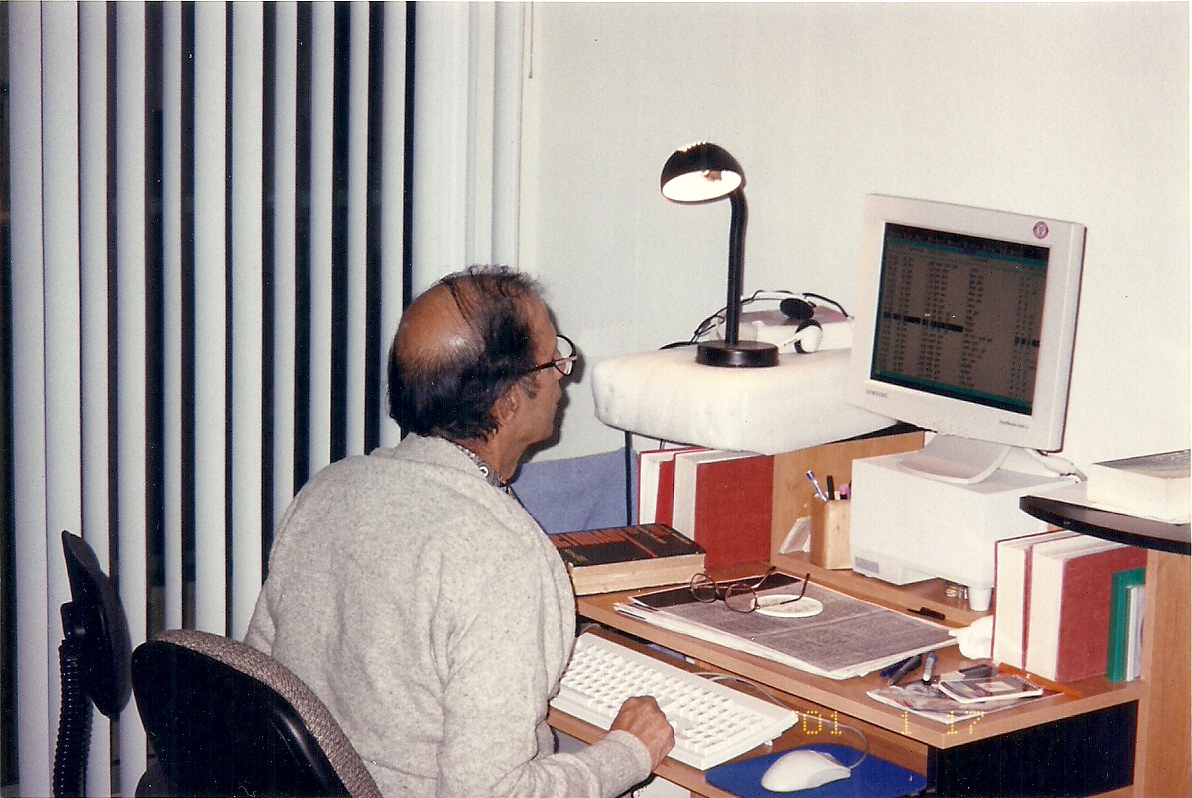
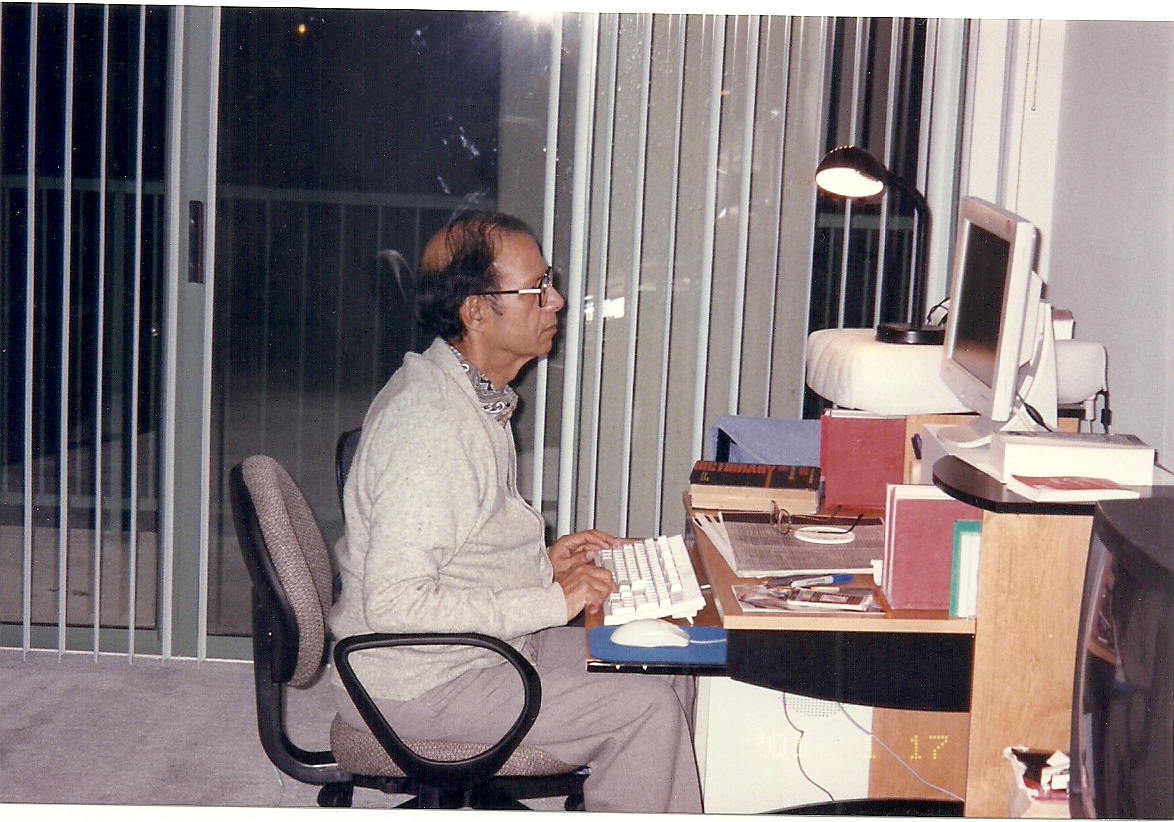
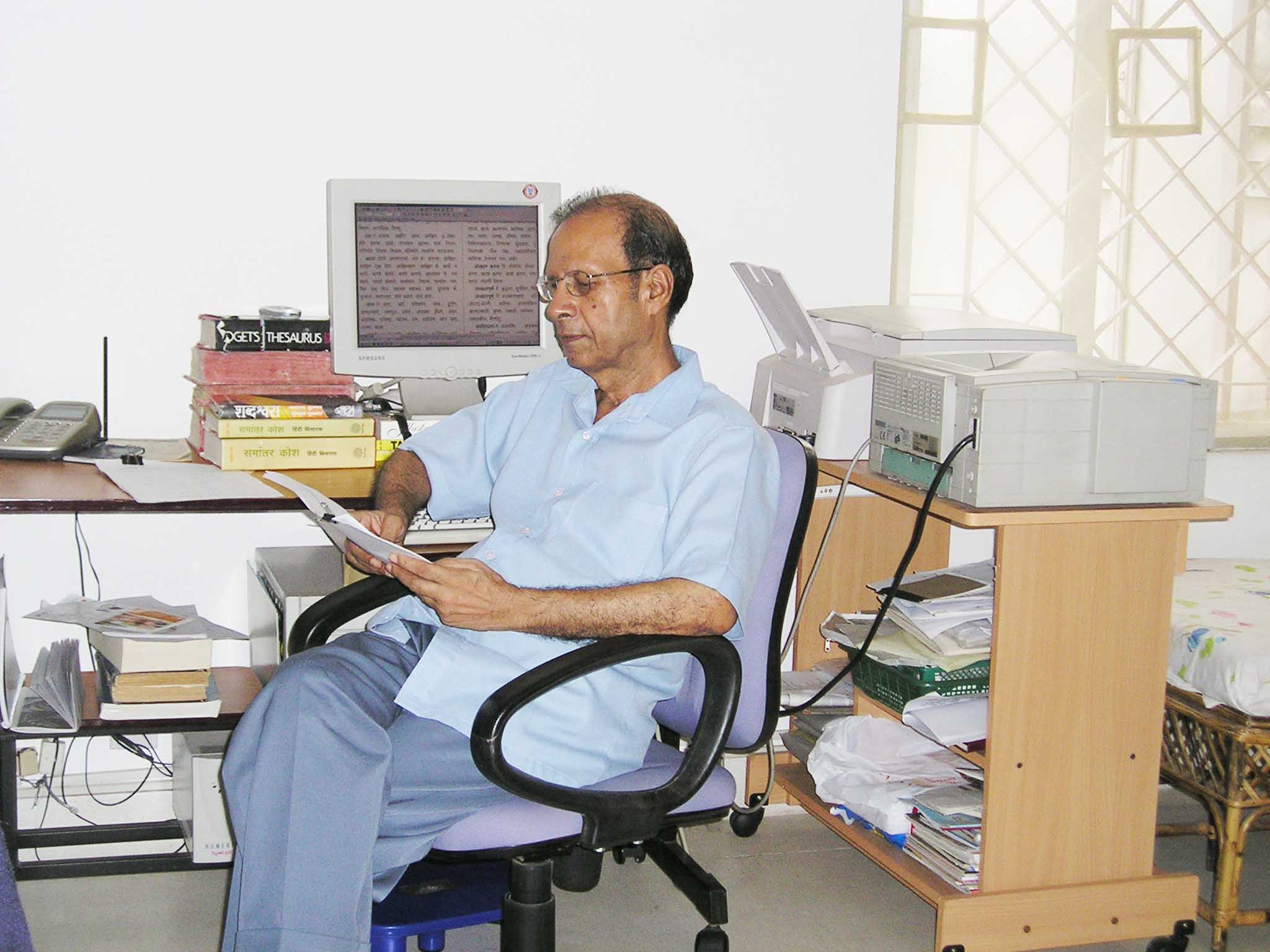
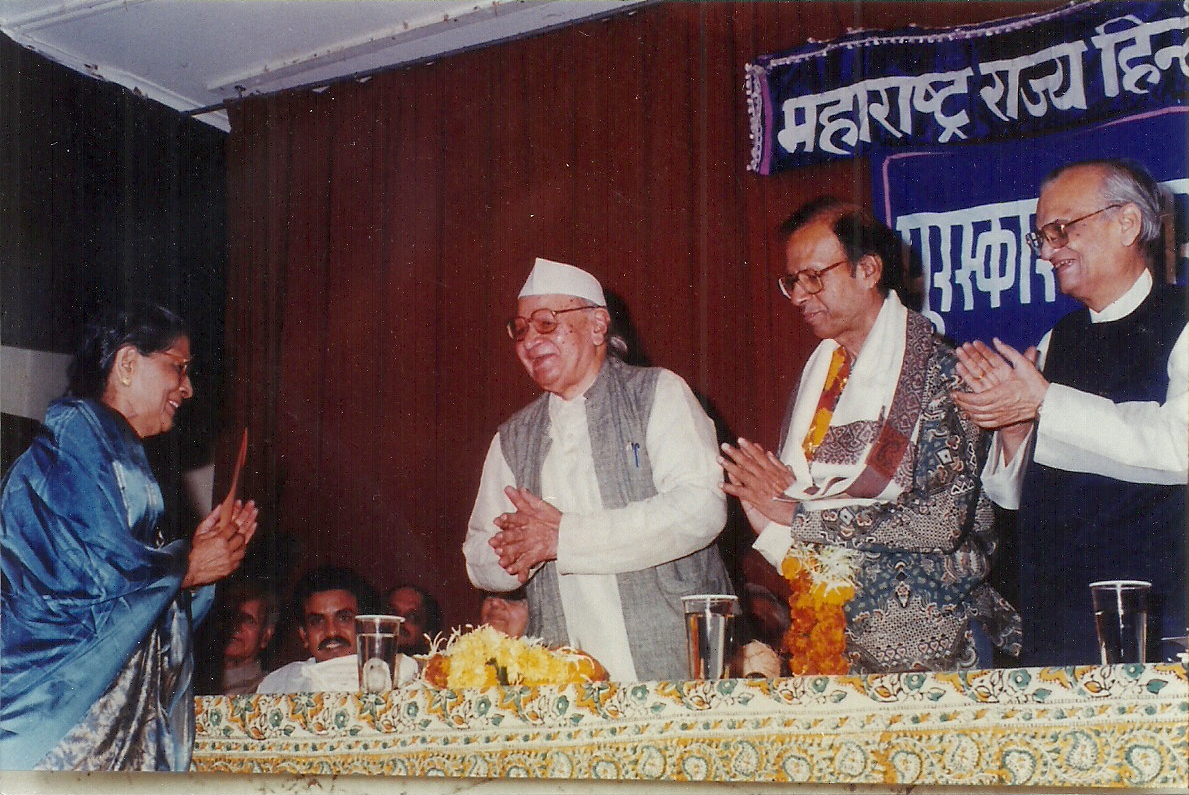
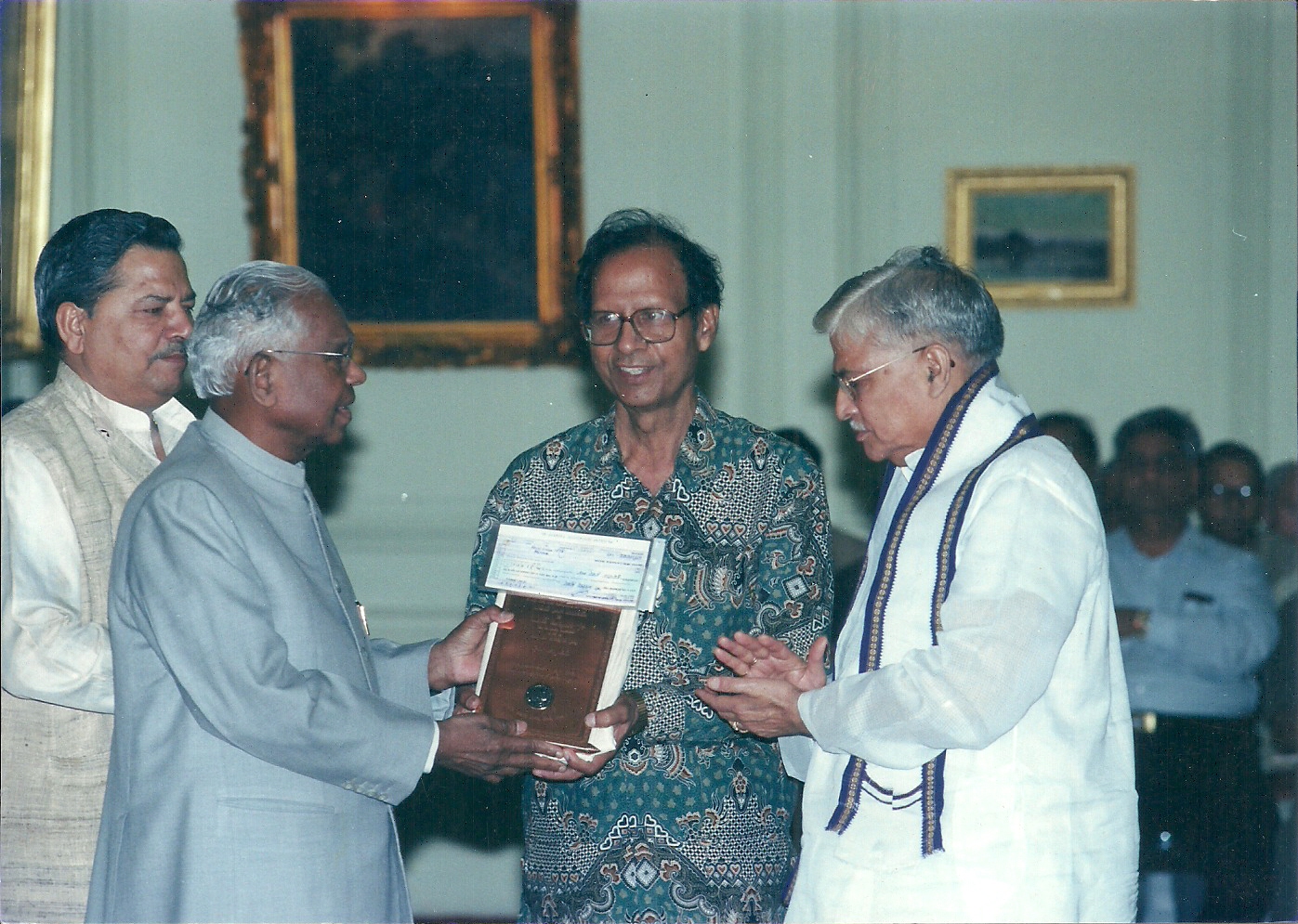
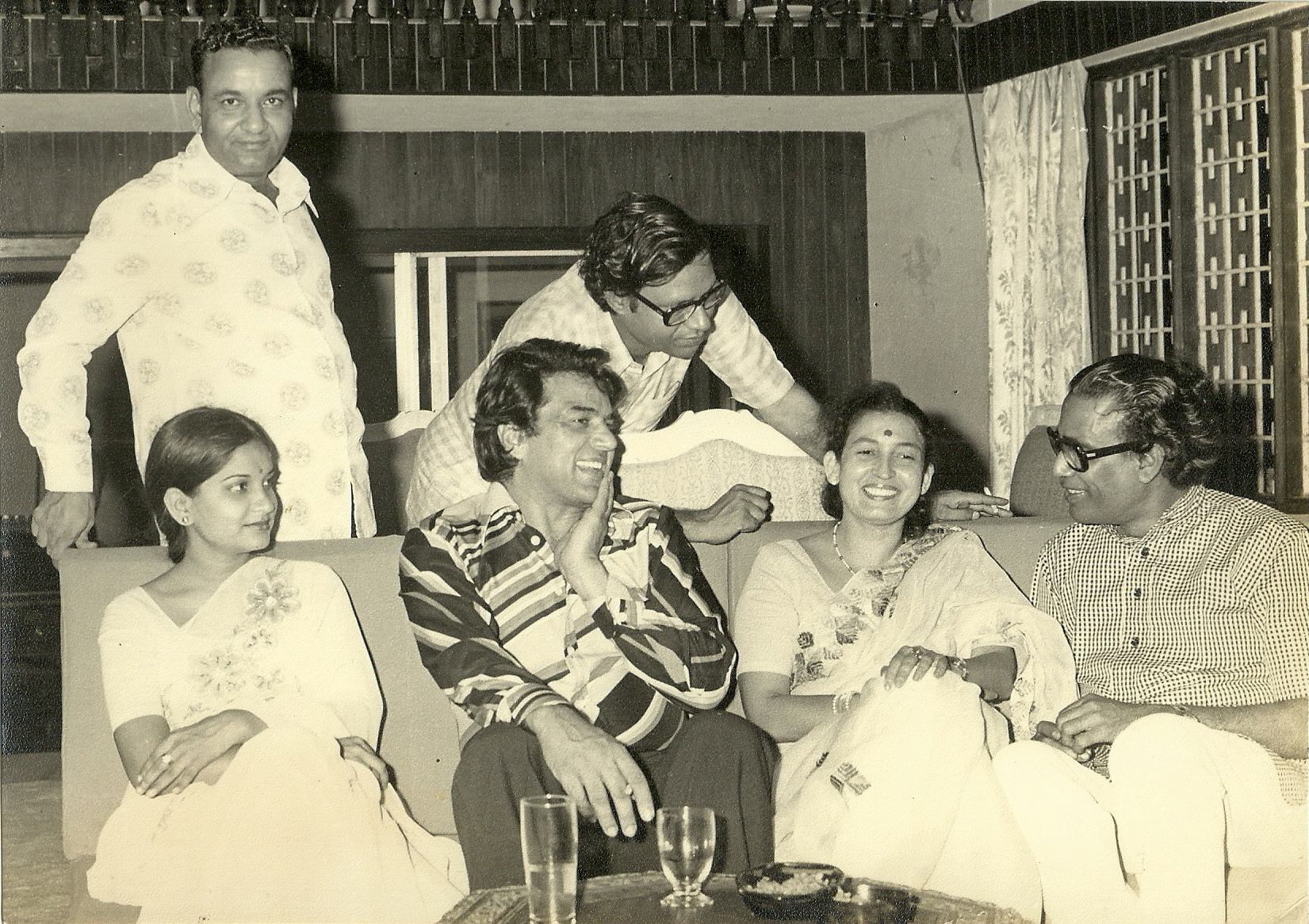
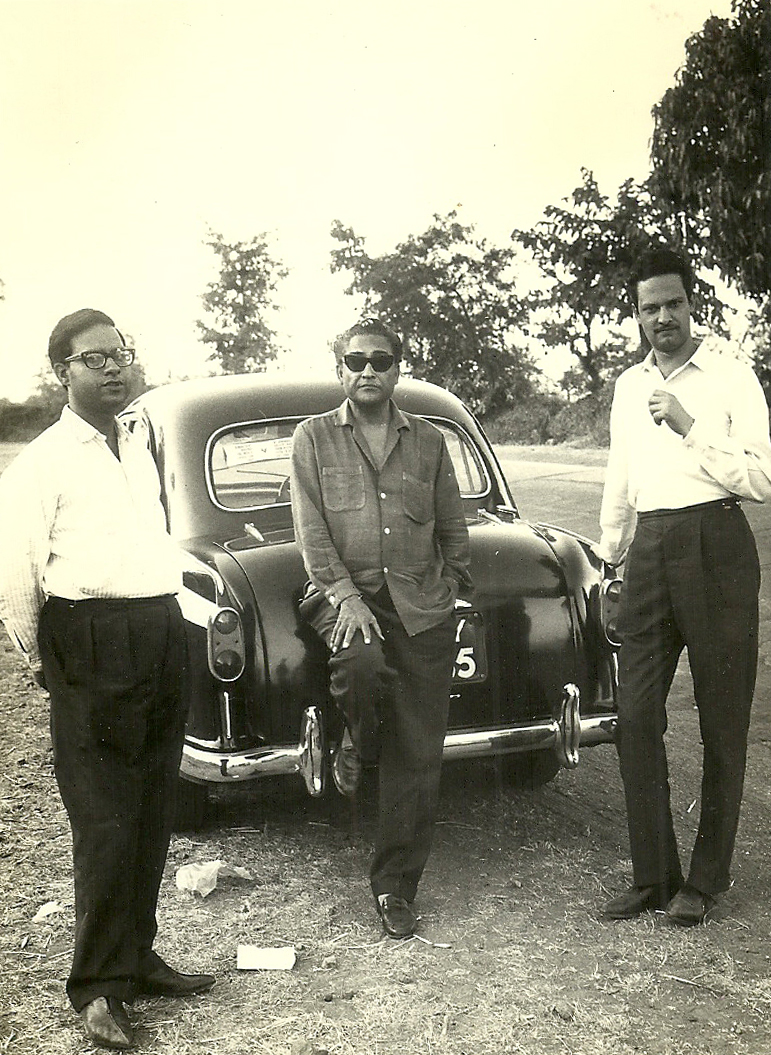
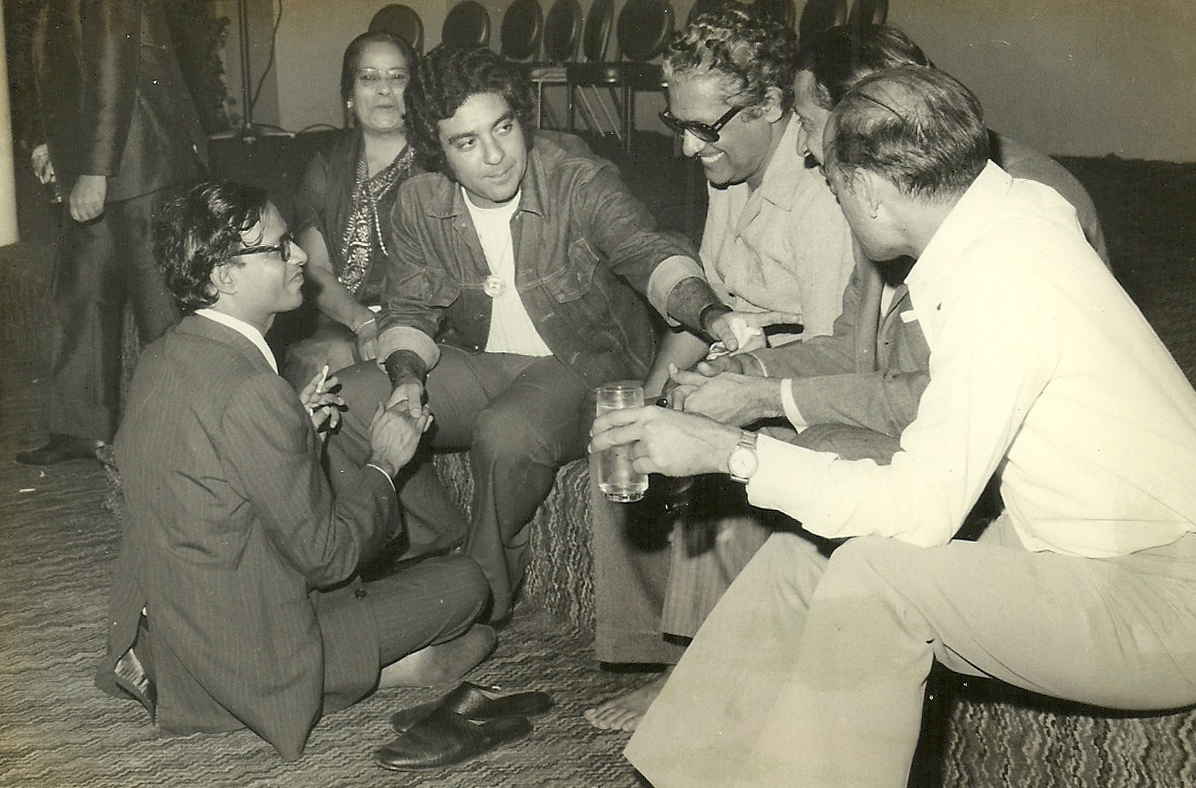
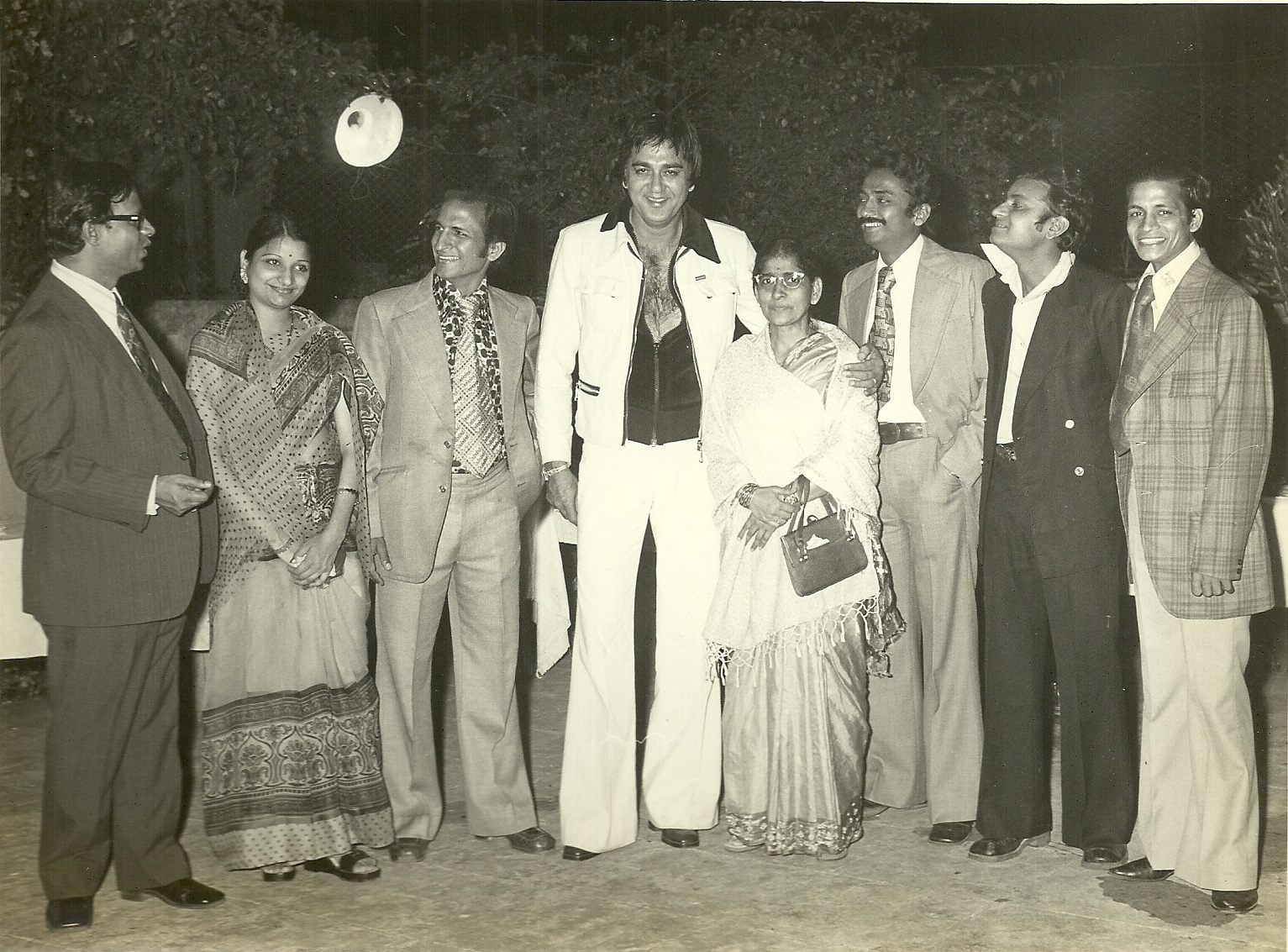
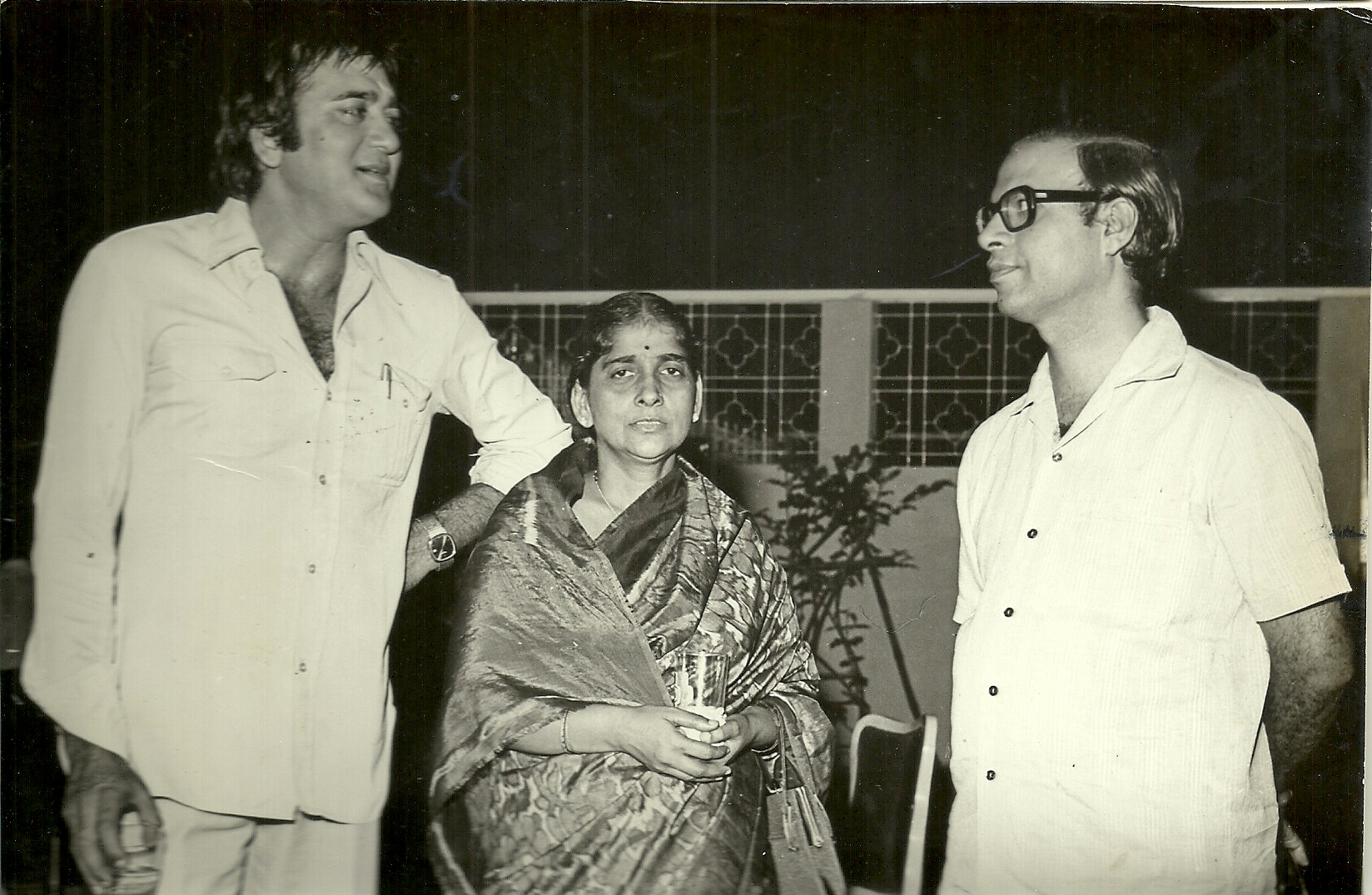
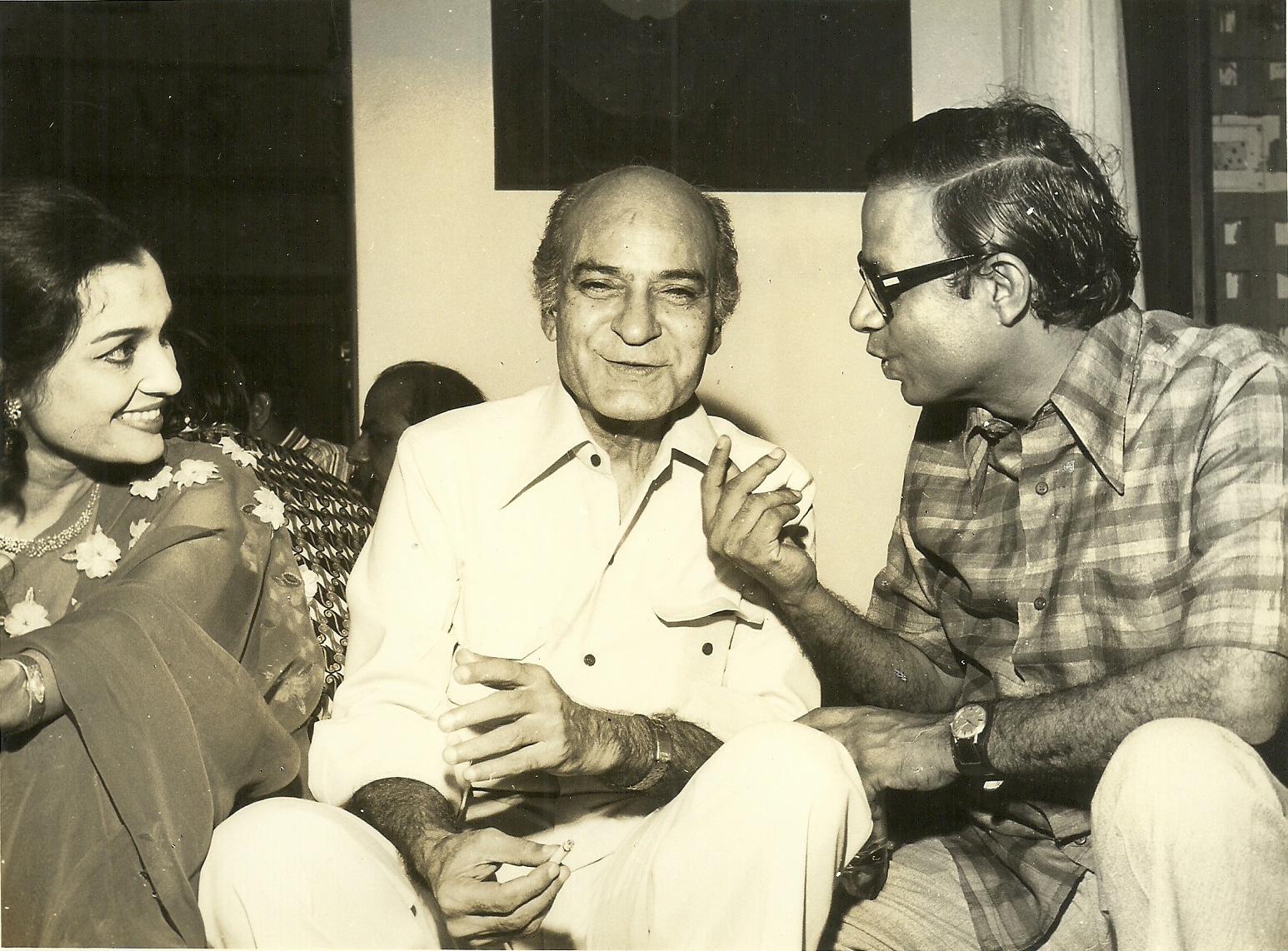
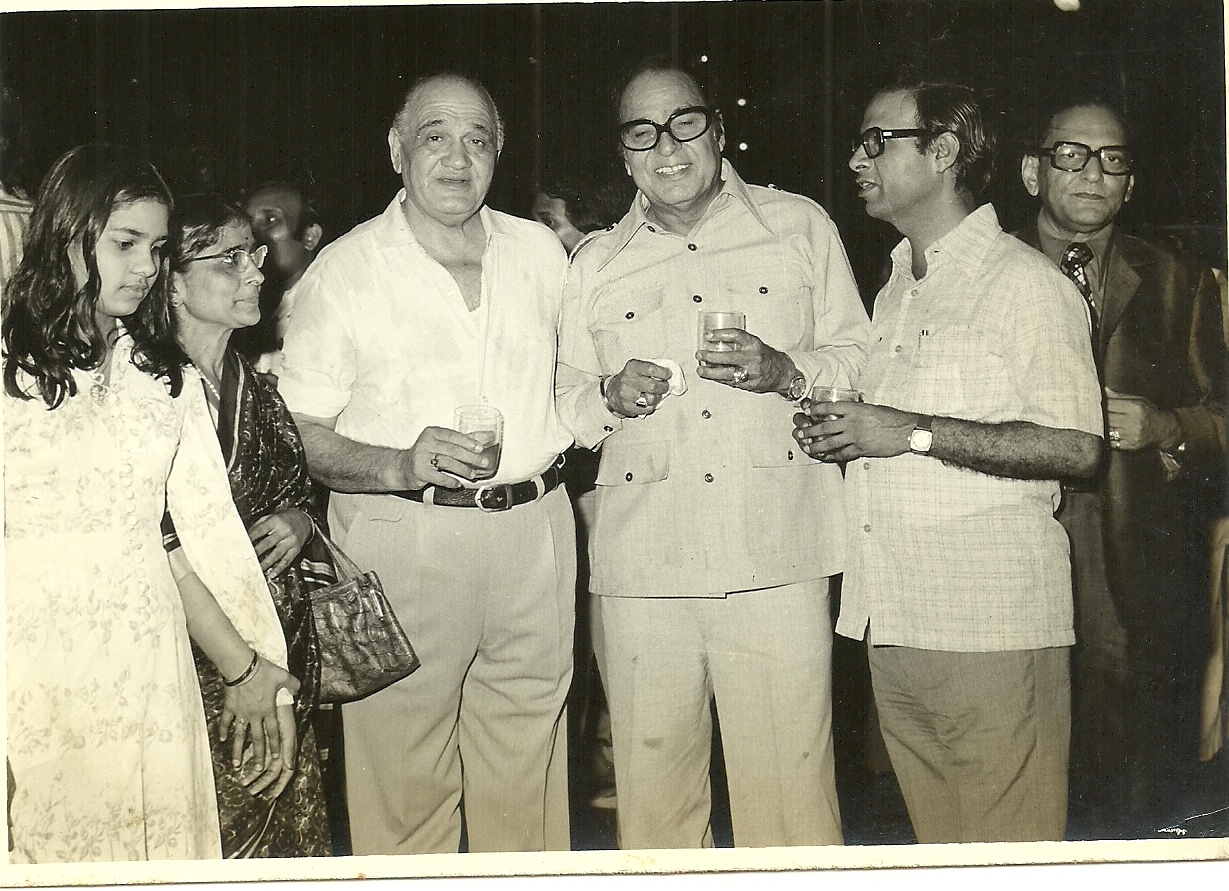
However, a pivotal turning point arrived on the night of 26 December 1973. While returning from a social gathering, Arvind Kumar experienced a moment of profound introspection that would reshape the rest of his life. He made the courageous decision to step down from the editorship of Madhuri and fully commit himself to a long-cherished project: the creation of a comprehensive Hindi Thesaurus. The seeds of this ambition had been sown two decades earlier in 1953, inspired by the iconic Roget’s Thesaurus. That spark had grown into an unquenchable passion for building an equivalent treasure trove of synonyms and conceptual linkages for Hindi.
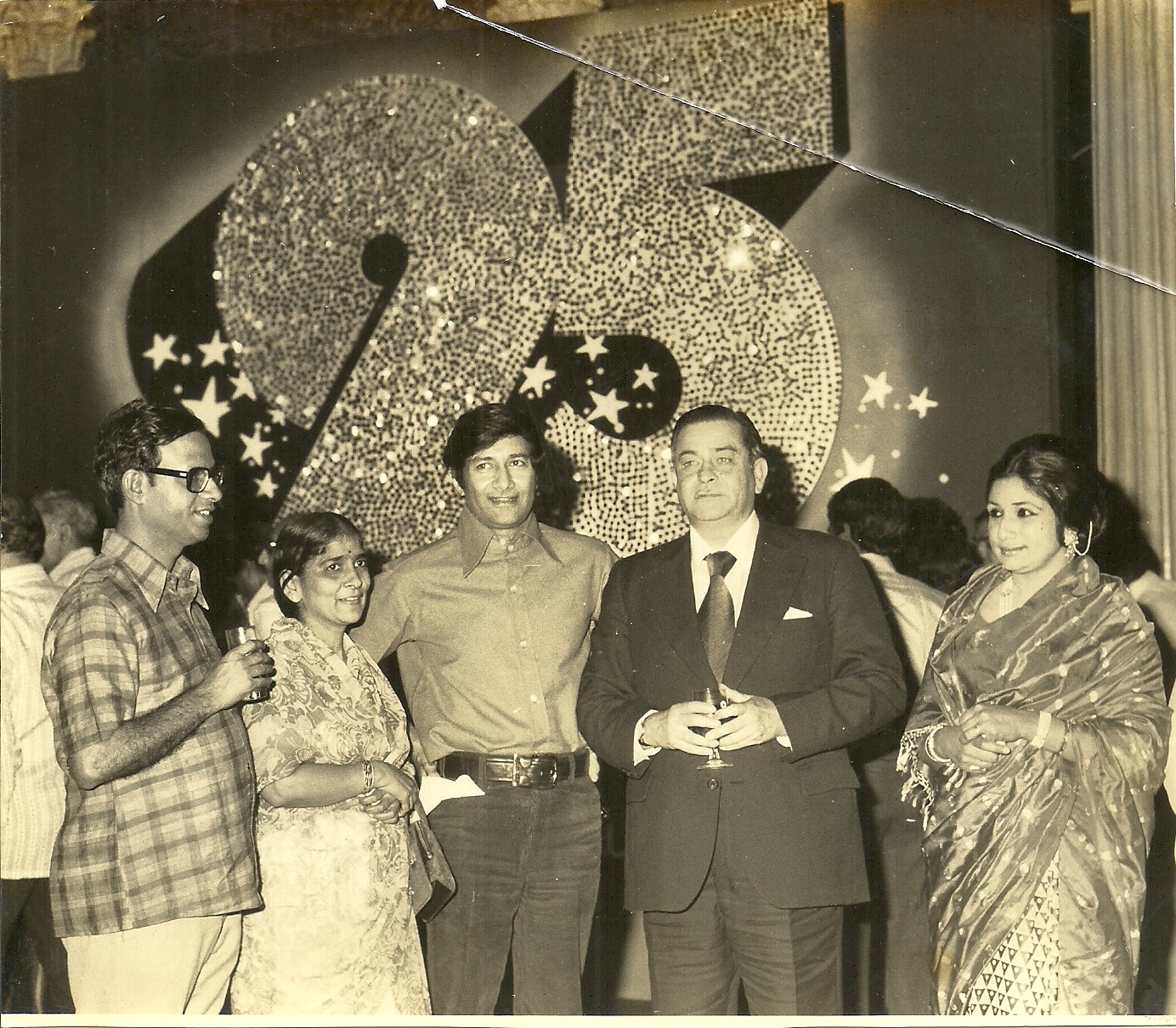
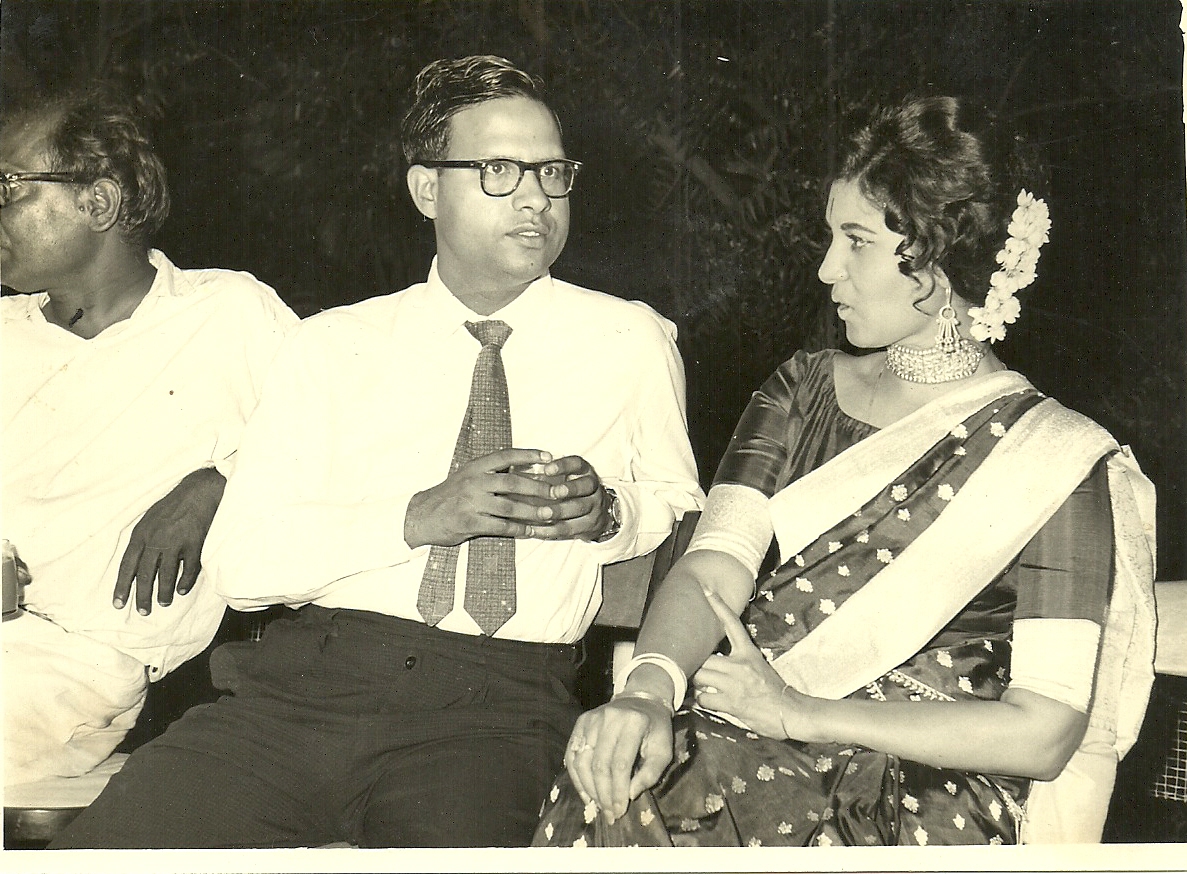
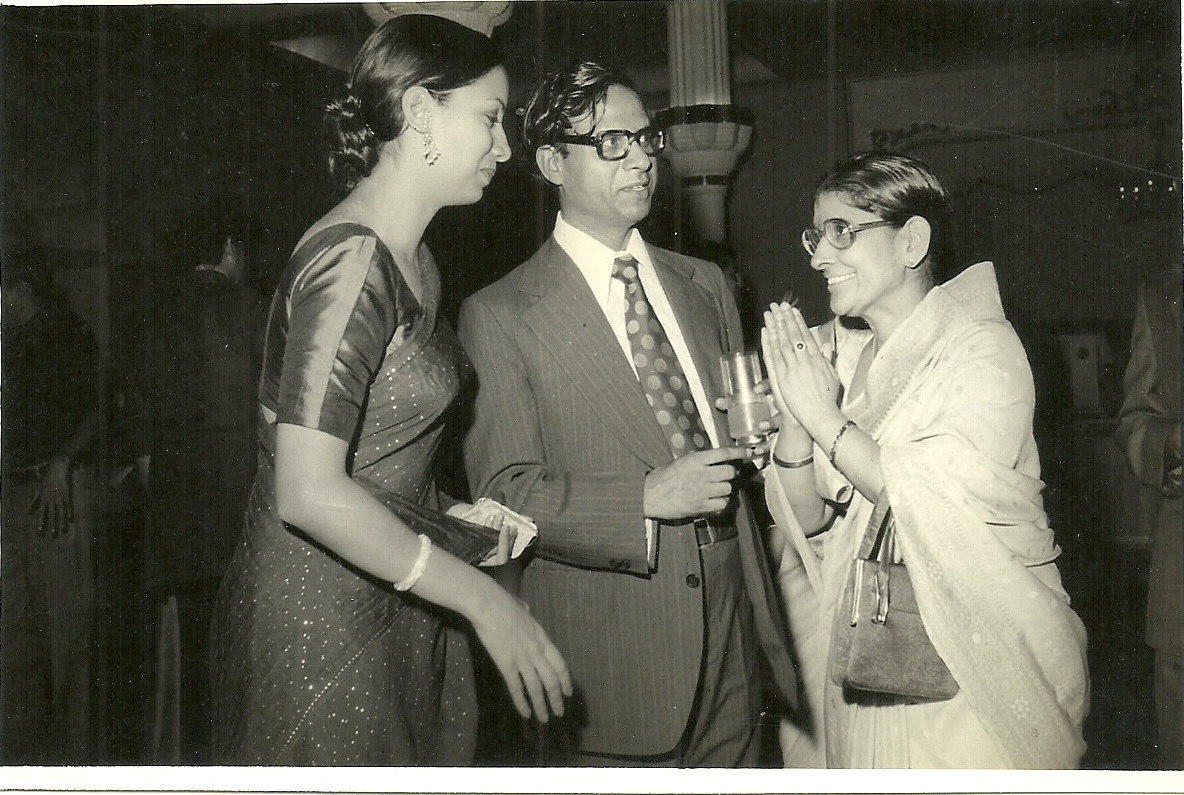
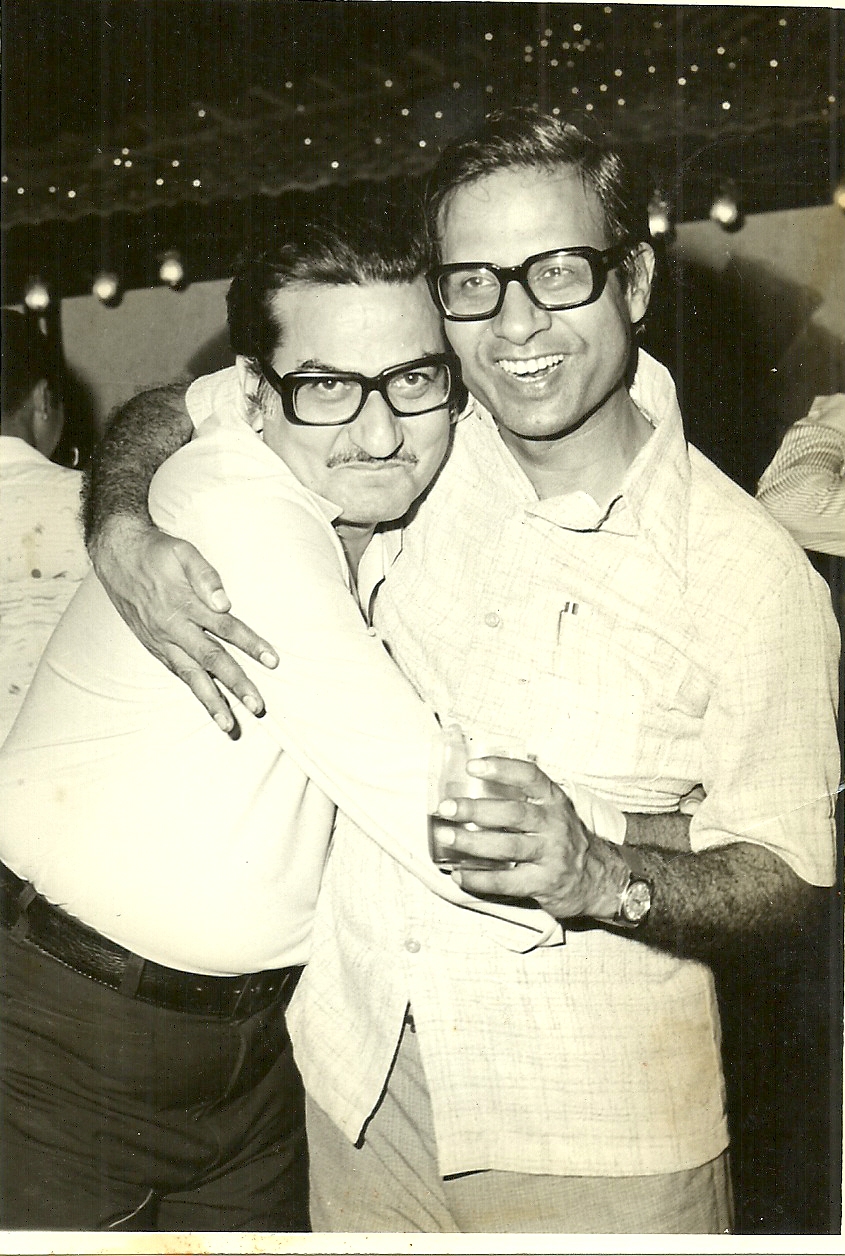
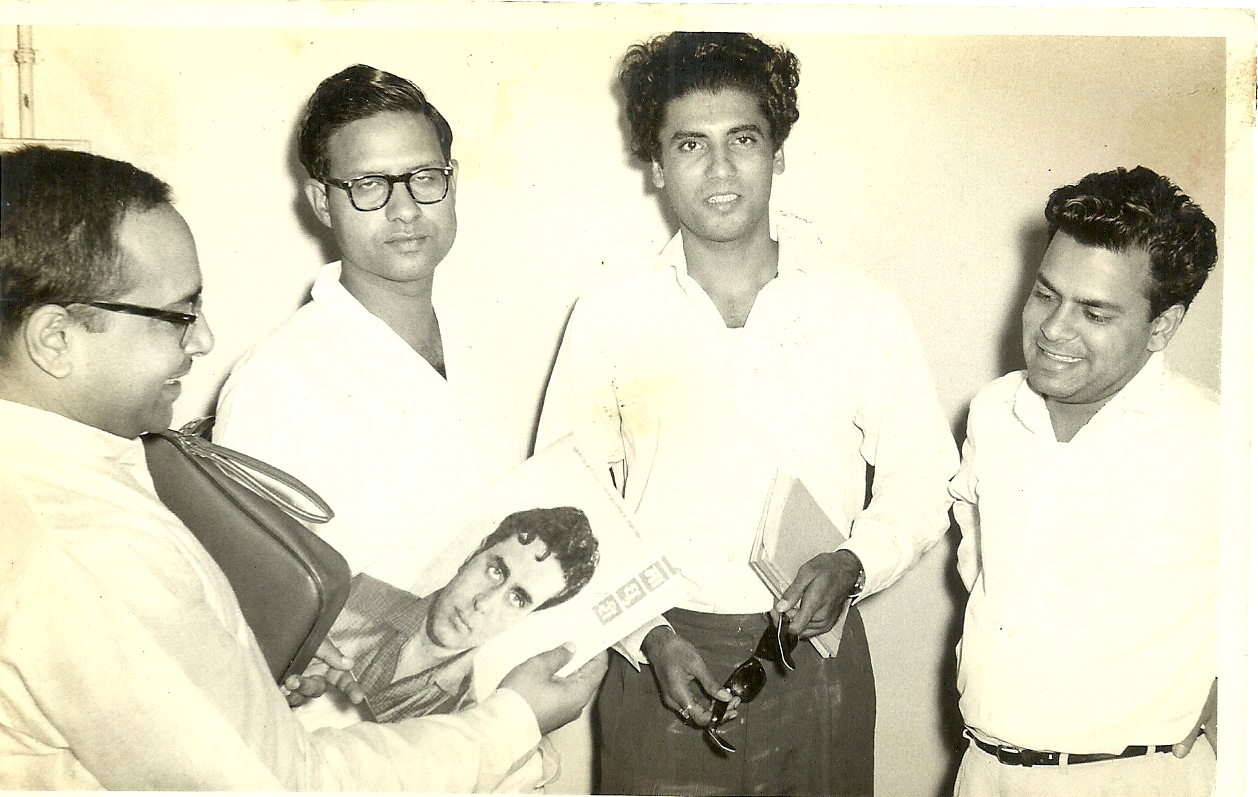
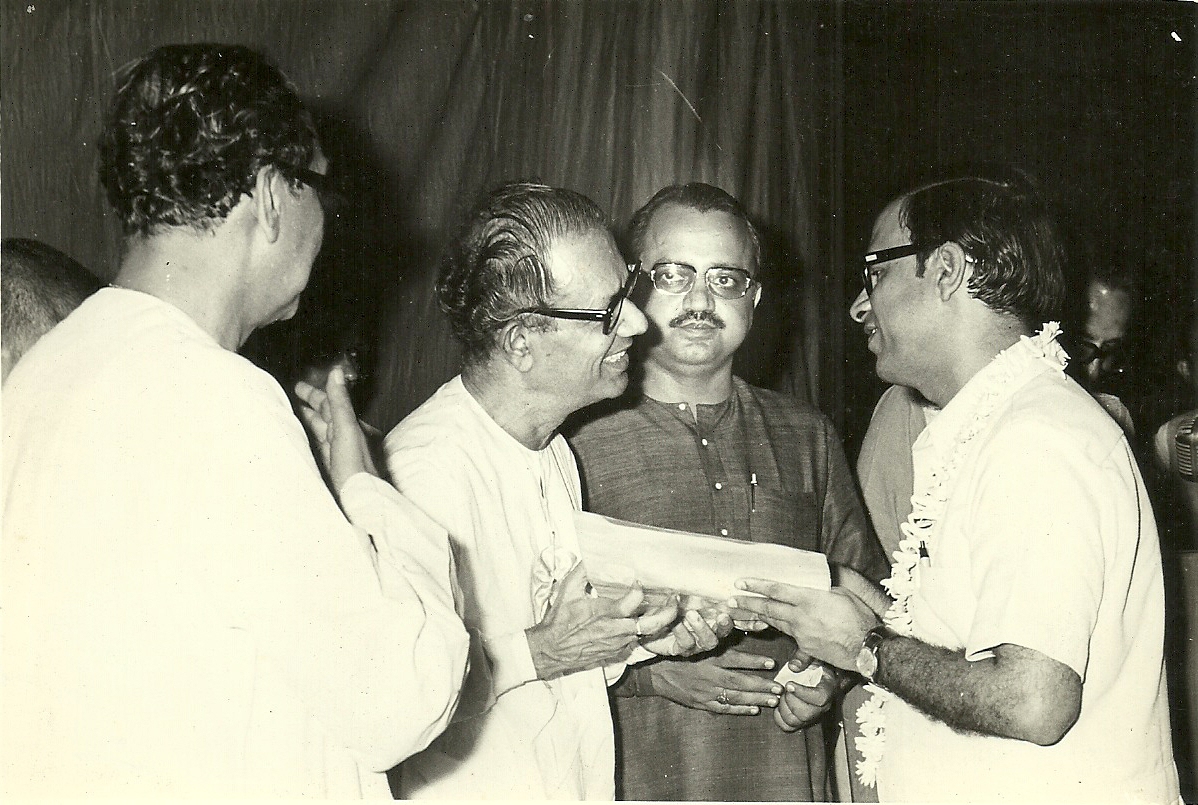
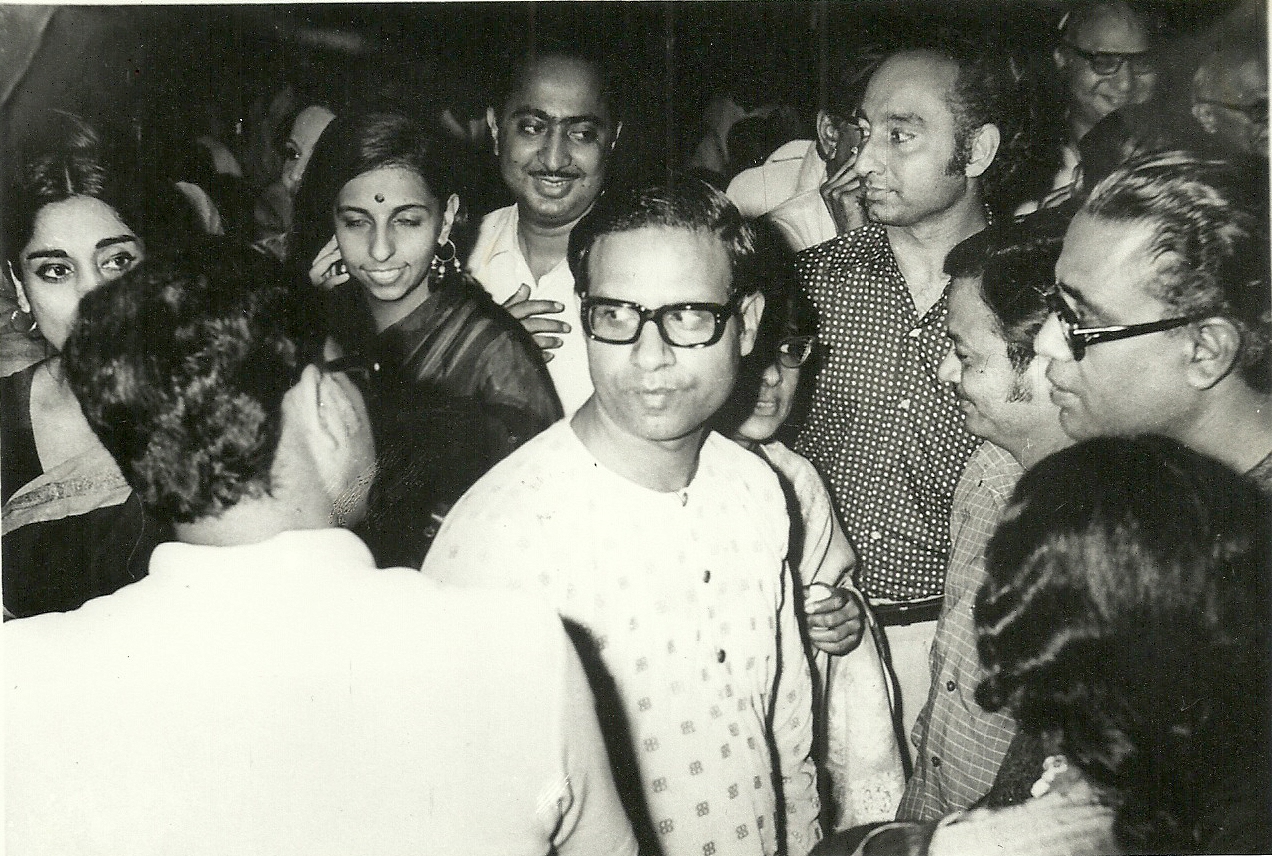
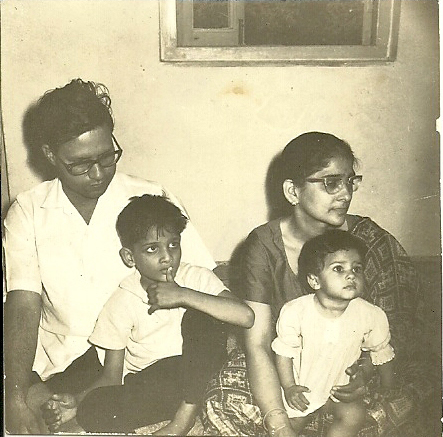
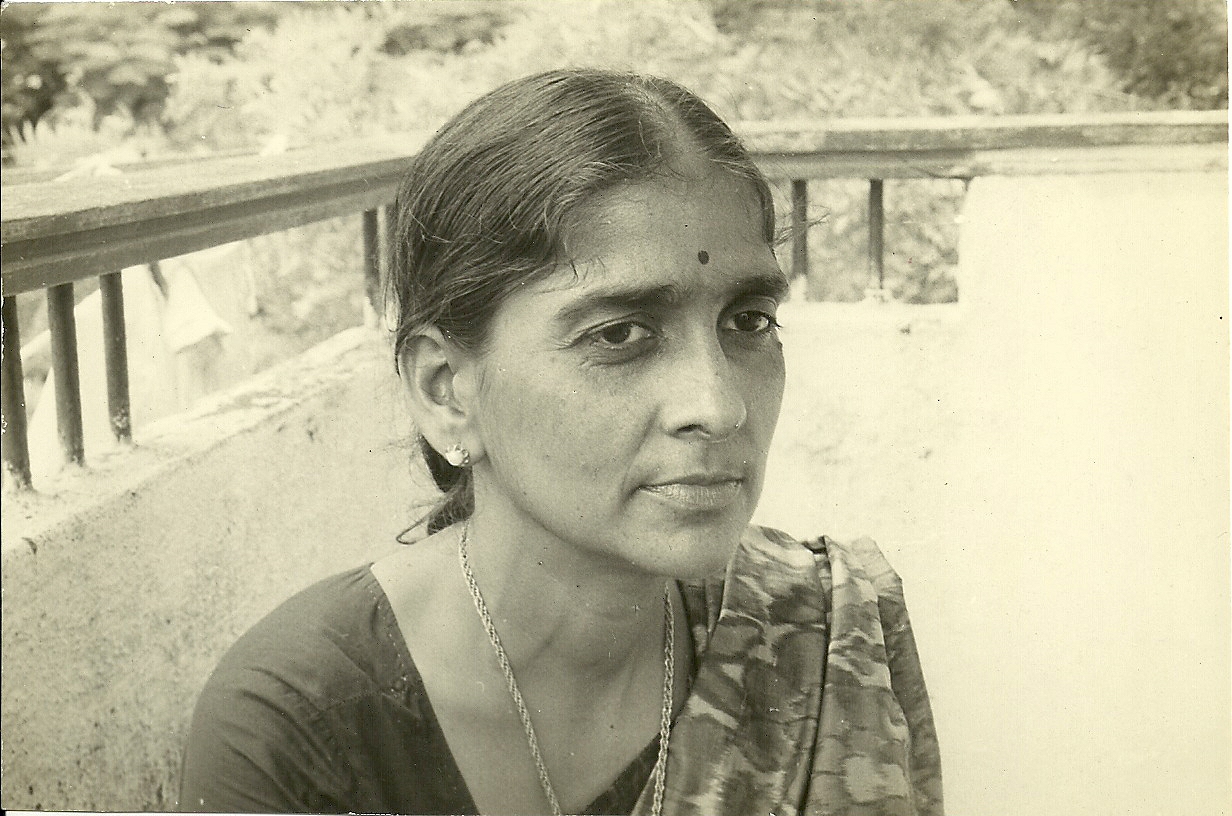
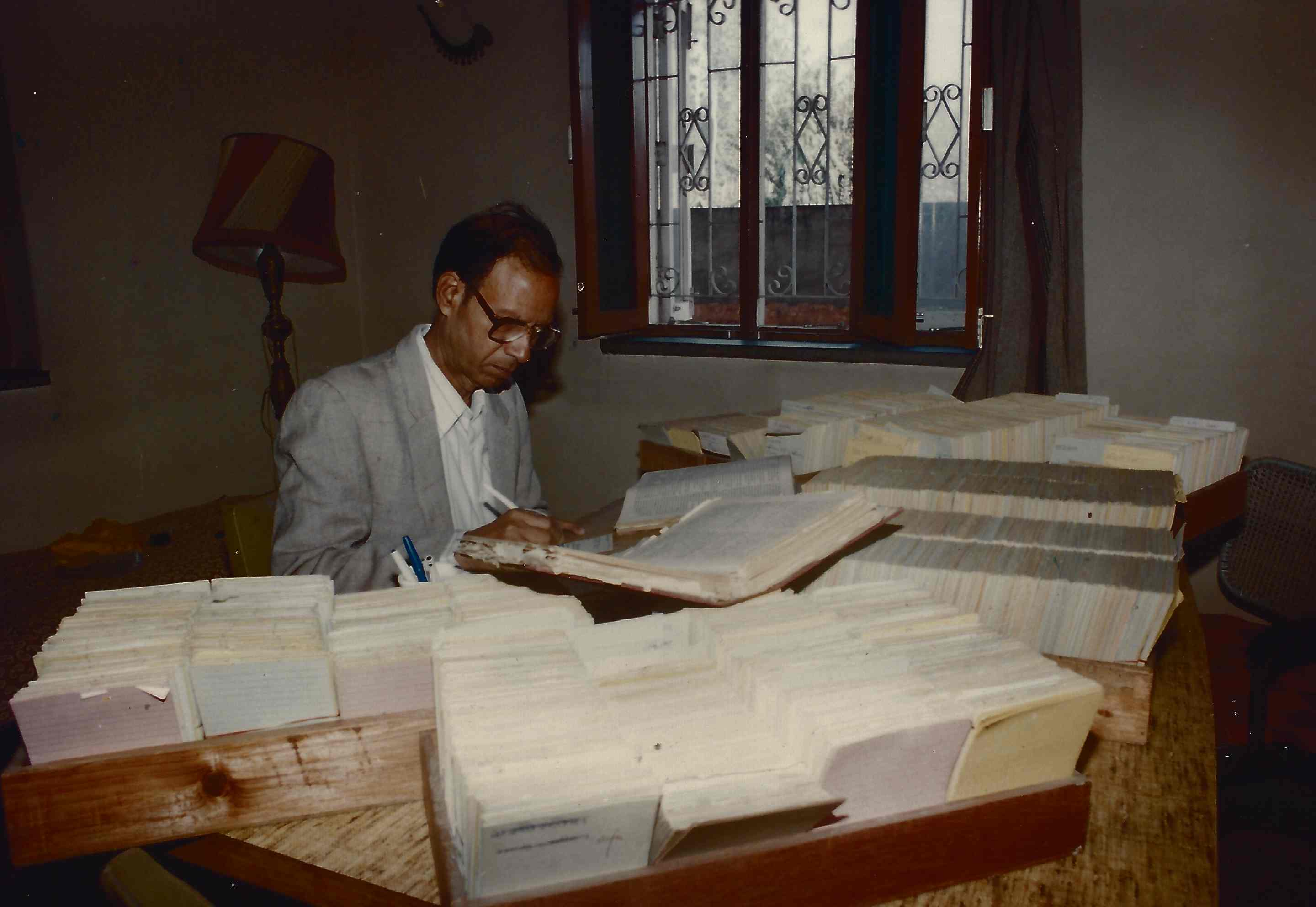
In 1978, driven by this singular dream, Arvind Kumar bid farewell to Mumbai forever. He returned to Delhi, accompanied by his son and daughter, and together with his wife Kusum Kumar, he embarked on an ambitious journey of creating and publishing Hindi dictionaries and the landmark Samantar Kosh (the Hindi Thesaurus). What followed were years of relentless research, compilation, and painstaking effort- often described as two decades of dedicated labor- to produce works that would enrich Hindi vocabulary and provide invaluable resources for writers, scholars, students, and language enthusiasts.
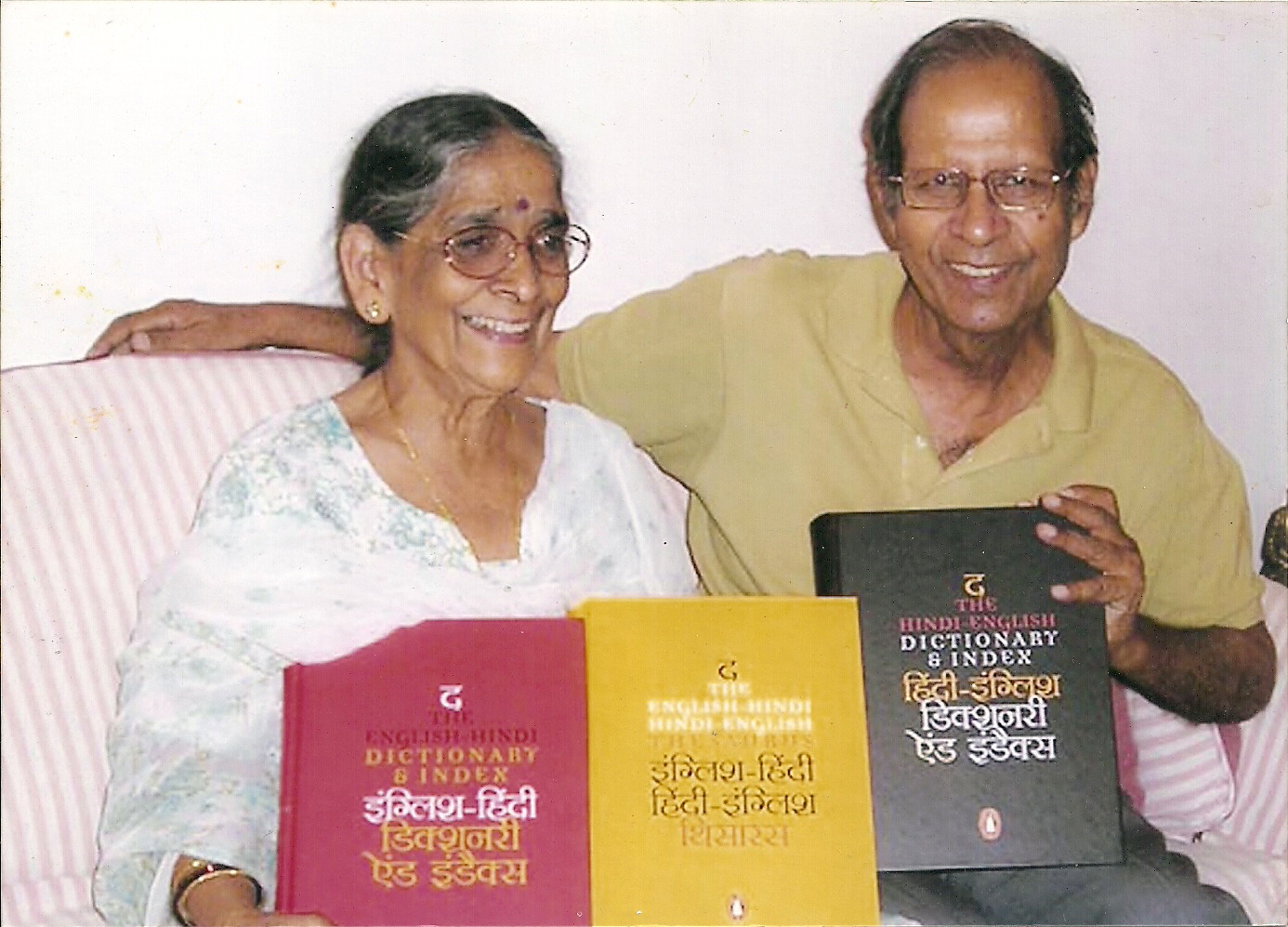
Arvind Kumar’s contributions extended far beyond a single thesaurus. He developed extensive bilingual resources, including ground breaking English-Hindi and Hindi-English dictionaries and lexicons that set new standards in Indian lexicography. His work is often compared to that of Peter Mark Roget for its transformative impact on Hindi.
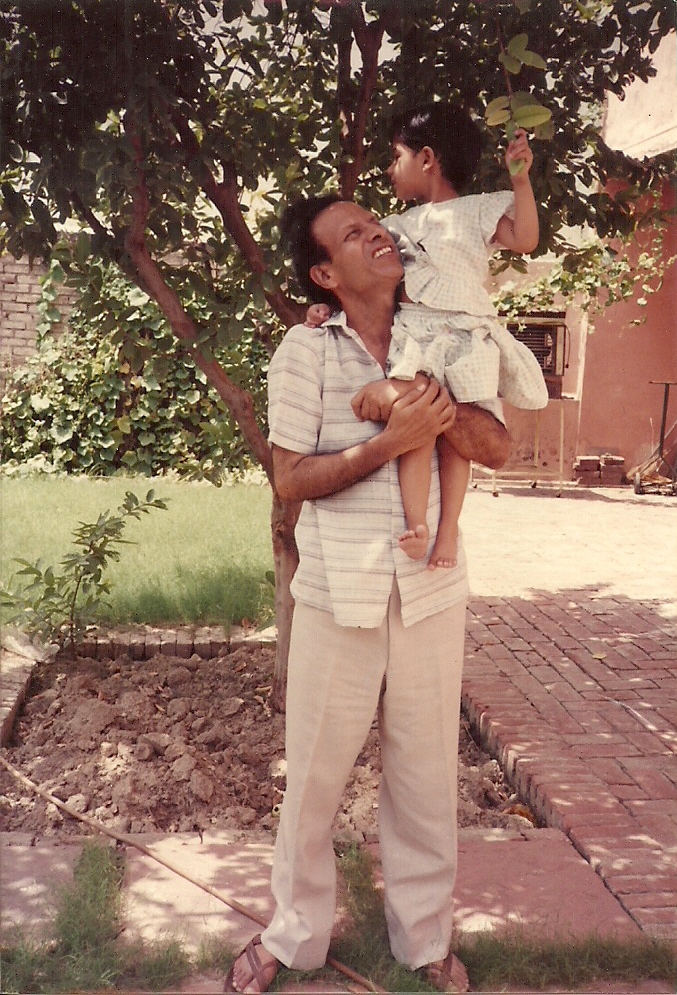
Arvind Kumar passed away on 26 April 2021 in New Delhi at the age of 91 due to complications from COVID-19. His legacy endures through his monumental contributions to the Hindi language, which continue to inspire generations. He is fondly remembered as the “Thesaurus Man” and a true Shabd Saarthi- a charioteer of words- who dedicated his life to preserving, expanding, and celebrating the richness of Hindi.
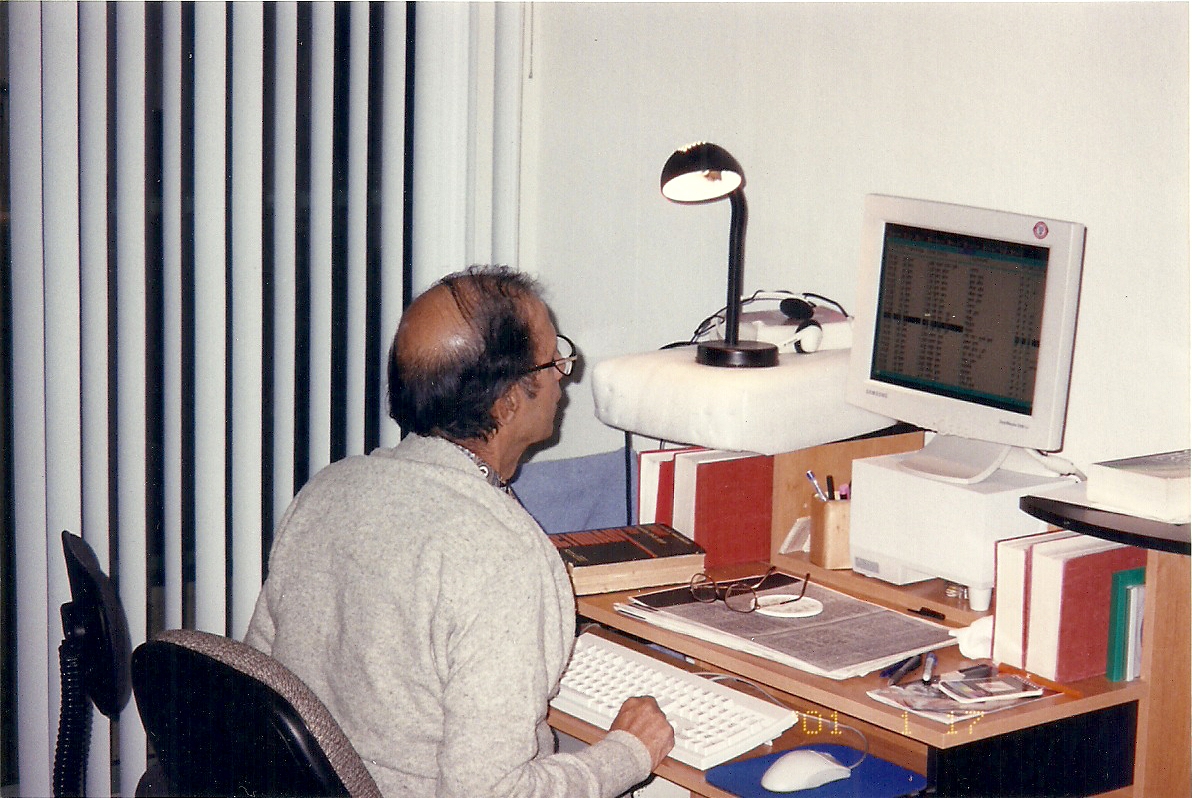
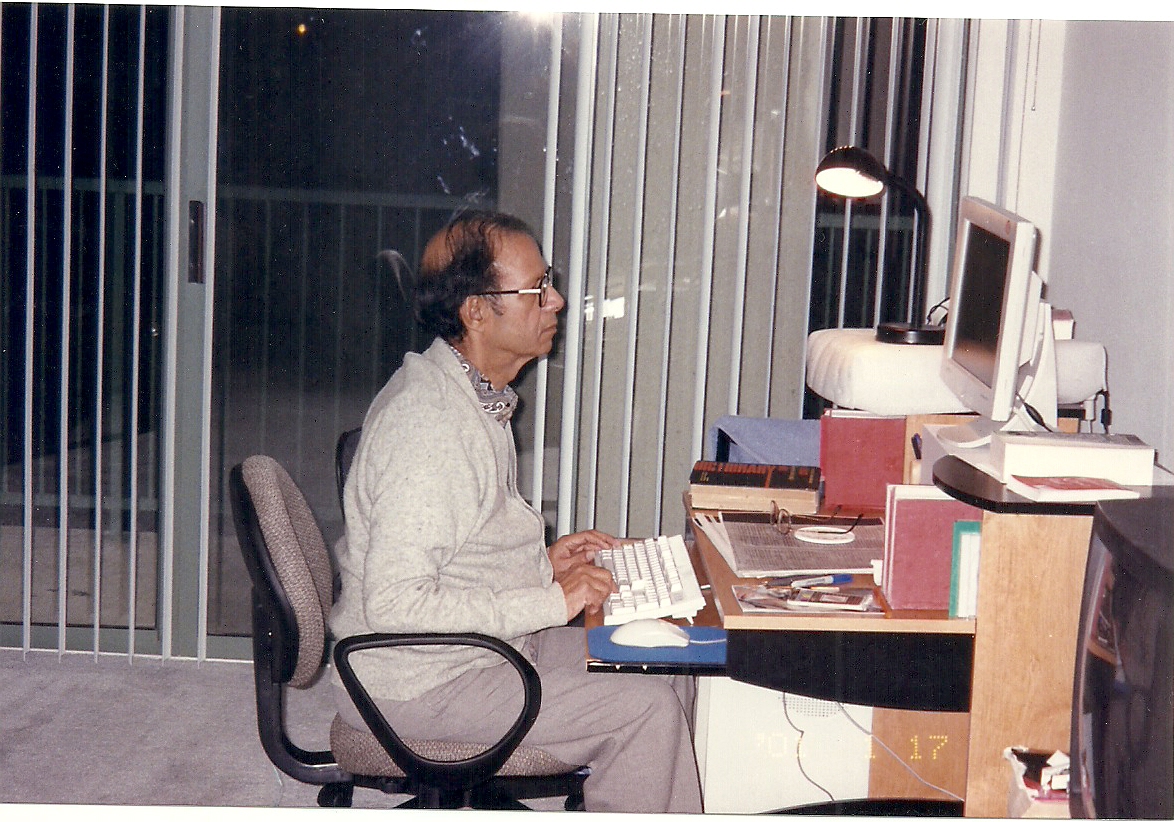
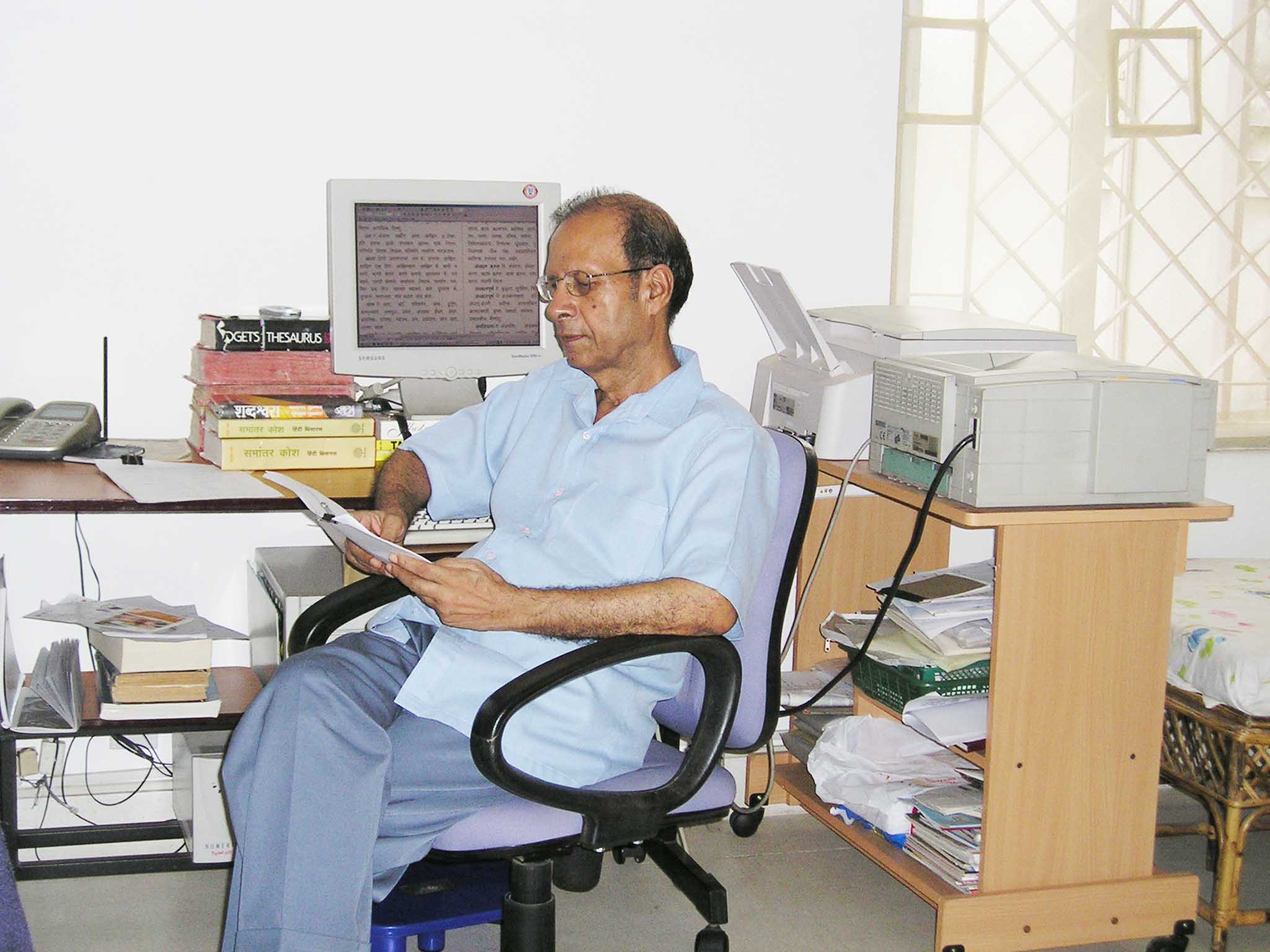
His story is one of quiet determination, intellectual passion, and selfless service to a language and its people- a shining example of how one individual’s vision can profoundly shape cultural heritage.