

In a city that moves at the speed of the metro, a few old streets still tell a different story. Here, a man holds two wooden shafts and pulls a passenger through narrow lanes, carrying a tradition that has survived for generations. Kolkata's hand-pulled rickshaw is more than an old mode of transport. It is a part of the city's history, a source of livelihood for working families, and a reminder of a difficult question: how should a city preserve its past without overlooking the people who keep it alive?
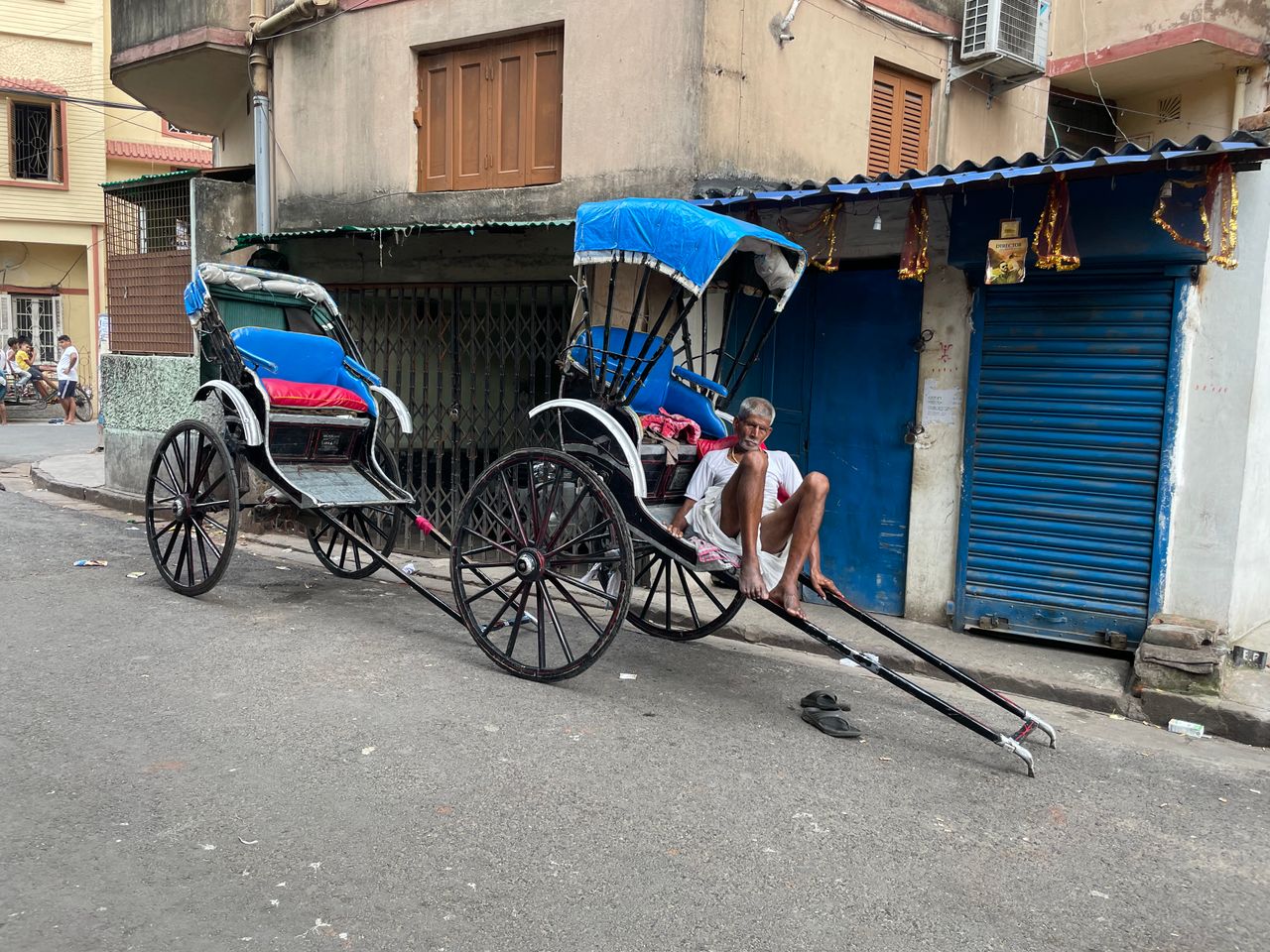
Walk through some of North Kolkata's older neighbourhoods, and you may come across a sight that seems to belong to another era. A traditional rickshaw moves slowly past old houses, crowded markets and narrow lanes. Its puller walks barefoot or in worn-out sandals, holding the shafts firmly as the passenger sits behind.
For many visitors, the hand-pulled rickshaw represents old-world Kolkata. For the person pulling it, however, it is often a demanding job with an uncertain daily income.
As buses, the Metro, app-based taxis, auto-rickshaws and battery-operated vehicles have transformed the city's transport system, hand-pulled rickshaws have become increasingly uncommon. Yet they have not disappeared entirely.
To understand why, we need to look beyond the familiar photographs and explore the history, working conditions and changing role of these rickshaws in Kolkata.
From Japan to the streets of Kolkata
The history of the hand-pulled rickshaw began in Japan during the second half of the nineteenth century. Known in Japanese as jinrikisha, the vehicle was designed to carry passengers using human power. The word itself combines the ideas of a person, power and a vehicle.
The design gradually spread to other parts of Asia, including China and India. Kolkata, then the capital of British India, was growing into a major centre of administration, trade and commerce. The city's expanding population created a demand for different forms of local transport.
Historical accounts generally place the arrival and development of hand-pulled rickshaws in Kolkata in the late nineteenth century. Some accounts refer to 1890 as an important year in their introduction, although the precise date of their first appearance is not firmly established across all historical sources.
Chinese immigrants are often mentioned in accounts of the early spread of rickshaws in Kolkata. Over time, the vehicle became part of the city's everyday transport network.
A significant milestone came in 1919, when the Calcutta Hackney-Carriage Act provided a legal framework for the regulation of hired vehicles, including hand-pulled rickshaws.
By the early twentieth century, these rickshaws had become a familiar sight in several parts of the city.
Why did Kolkata need hand-pulled rickshaws?
To understand the popularity of hand-pulled rickshaws, it helps to picture Kolkata before the arrival of modern transport.
The city had narrow residential lanes, busy markets and neighbourhoods where large vehicles could not move easily. People needed a convenient way to travel short distances, particularly between their homes, local markets and nearby transport points.
Hand-pulled rickshaws filled that gap.
They could move through narrow streets and reach places where larger vehicles struggled. They were also useful for carrying passengers over short distances in densely populated neighbourhoods.
During the monsoon, some residents relied on rickshaws to travel through waterlogged streets. Their usefulness in such conditions varied from one locality to another, but they became associated with the everyday challenges of living in an old, densely built city.
For many passengers, the rickshaw offered a practical way to travel. For thousands of workers, it provided a means of earning a living.
Over the decades, the vehicle became part of Kolkata's familiar street life, particularly in older neighbourhoods.
The people behind the rickshaw
The story of Kolkata's hand-pulled rickshaws cannot be told without talking about the people who pull them.
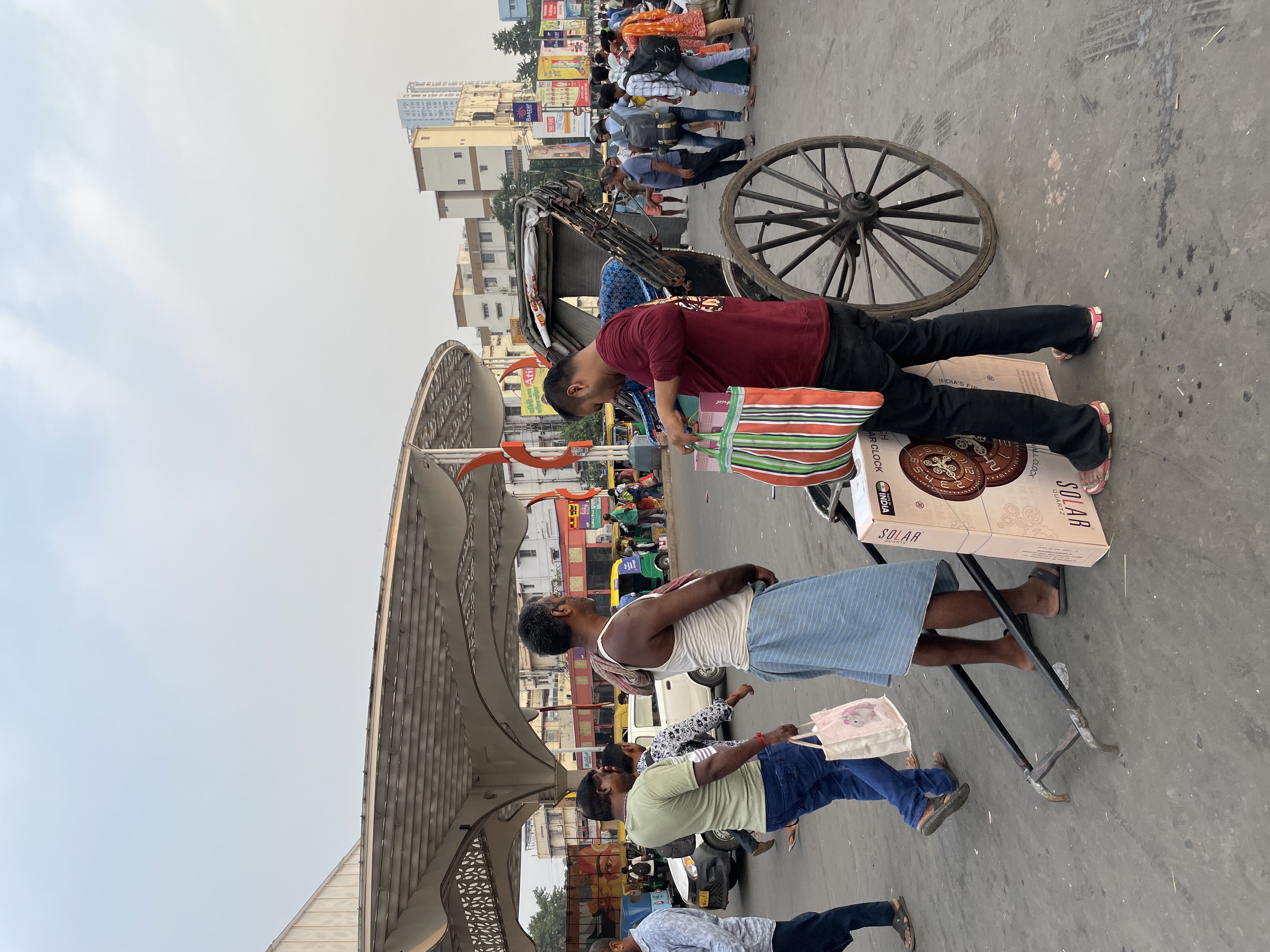
Many rickshaw pullers came to Kolkata from Bihar, Jharkhand and other parts of eastern India in search of work. Some have spent much of their lives in the city. Others have moved between their villages and Kolkata depending on employment opportunities.
Not every puller owns the rickshaw he operates. Some rent their vehicles from owners and must pay a fixed amount before calculating what they have earned for the day.
Their income depends on several factors: the number of passengers they find, the weather, the time spent waiting and the distance travelled. After paying for food, accommodation and vehicle rent, their remaining earnings may be limited.
The work is physically demanding. Pullers have to walk for long periods, carry passengers and navigate uneven roads in heat, rain and humid conditions.
Age makes the job harder. Someone who has spent decades pulling a rickshaw may eventually find that the work is becoming too difficult, yet moving into another occupation can be challenging without savings, formal qualifications or access to suitable employment.
For these workers, the rickshaw is not a symbol of nostalgia. It is a livelihood.
The controversy over banning hand-pulled rickshaws
For years, hand-pulled rickshaws have been at the centre of a debate about human dignity and urban transport.
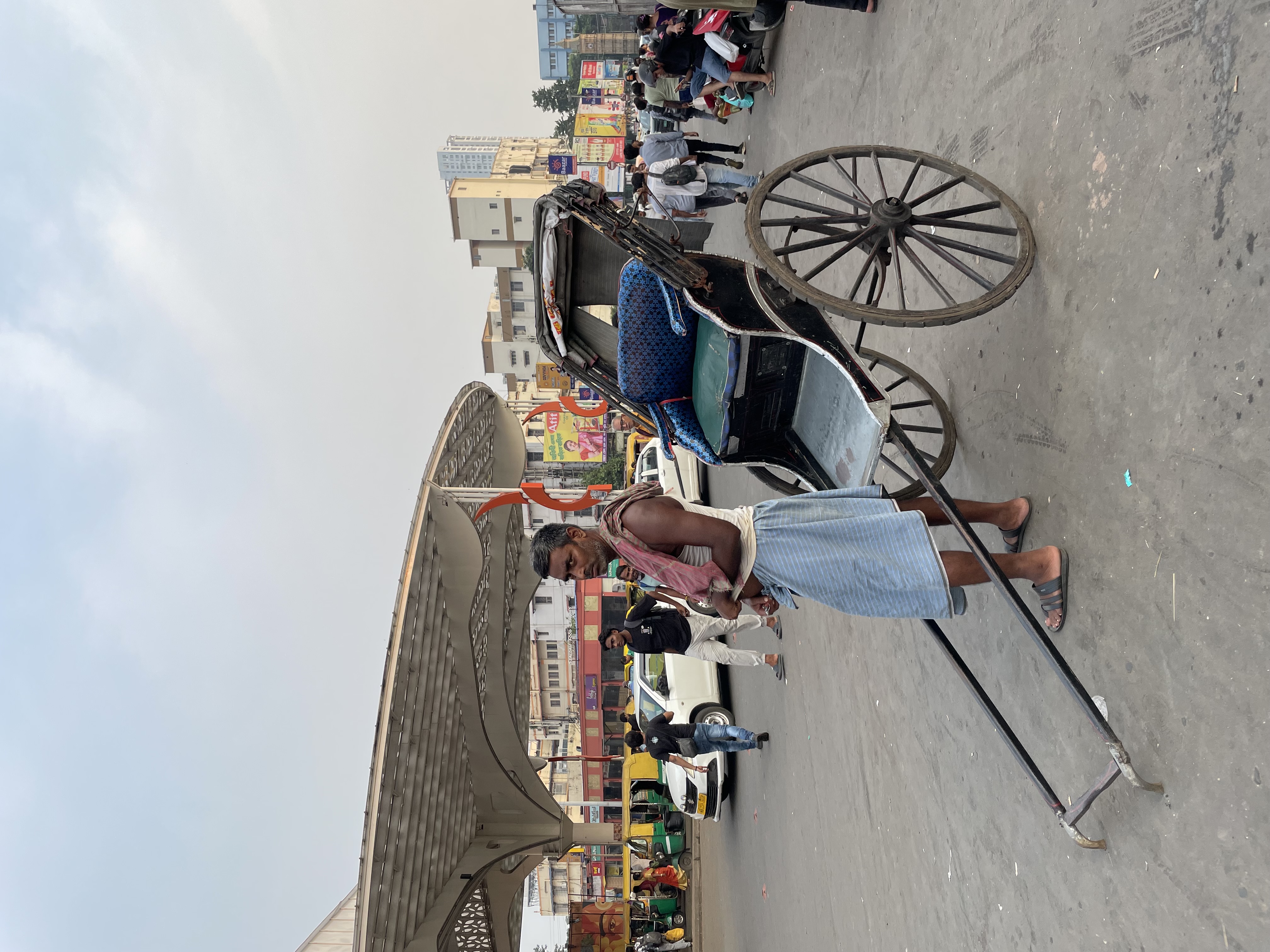
Critics argue that making one person physically pull another through the streets is an outdated and exploitative form of transport. They believe the practice should end in a modern city.
Others point out that simply banning the occupation could leave existing pullers without an income. For workers who depend on this trade, the question is not just whether the vehicle should remain on the road. It is also about what happens to their families if their work disappears.
In 2006, the West Bengal government took steps towards ending the hand-pulled rickshaw system. The Calcutta Hackney-Carriage (Amendment) Bill was introduced as part of the effort to change the existing legal framework.
The issue of rehabilitation remained important. Ending the trade would require a practical plan for alternative employment and financial support for the workers affected.
The rickshaws did not disappear completely. Reports in subsequent years continued to document their presence in parts of Kolkata, even as restrictions and licensing issues limited their operation.
The debate illustrates a difficult reality: an occupation can be deeply connected to a city's past while raising serious questions about working conditions in the present.
Where can you still find hand-pulled rickshaws in Kolkata?
Although their numbers have declined, hand-pulled rickshaws can still be seen in some older parts of Kolkata.
Areas around Burrabazar, parts of North Kolkata, Maniktala and the College Street neighbourhood have featured in reports about the continuing presence of these vehicles.
Their use is now more limited than it was in earlier decades. They are generally associated with short journeys through narrow lanes and residential areas rather than the city's main transport corridors.
It is important to remember that not every street permits their operation. Local restrictions and enforcement affect where they can travel.
For someone interested in Kolkata's history, seeing a hand-pulled rickshaw can offer a glimpse of an older transport system. But the people working behind the shafts deserve at least as much attention as the vehicle itself.
The condition of hand-pulled rickshaws in 2026
Kolkata's transport system has changed considerably. The expansion of the Metro, the availability of app-based taxis and the growth of auto-rickshaws and electric vehicles have reduced the need for traditional hand-pulled rickshaws.
A report published by The Statesman on 3 June 2024 quoted Mukhtar Ali, general secretary of the All Bengal Rickshaw Union, as putting the number of hand-pulled rickshaws in Kolkata at approximately 3,500 at that time.
Other historical accounts have cited different figures, partly because they refer to different periods and may count licensed and unlicensed vehicles differently. The figure should therefore not be treated as a confirmed count for 2026. A reliable, up-to-date official total is not readily available.
The pressures on the trade, however, are clear.
Fewer passengers: People who once depended on rickshaws for short trips now have more transport options.
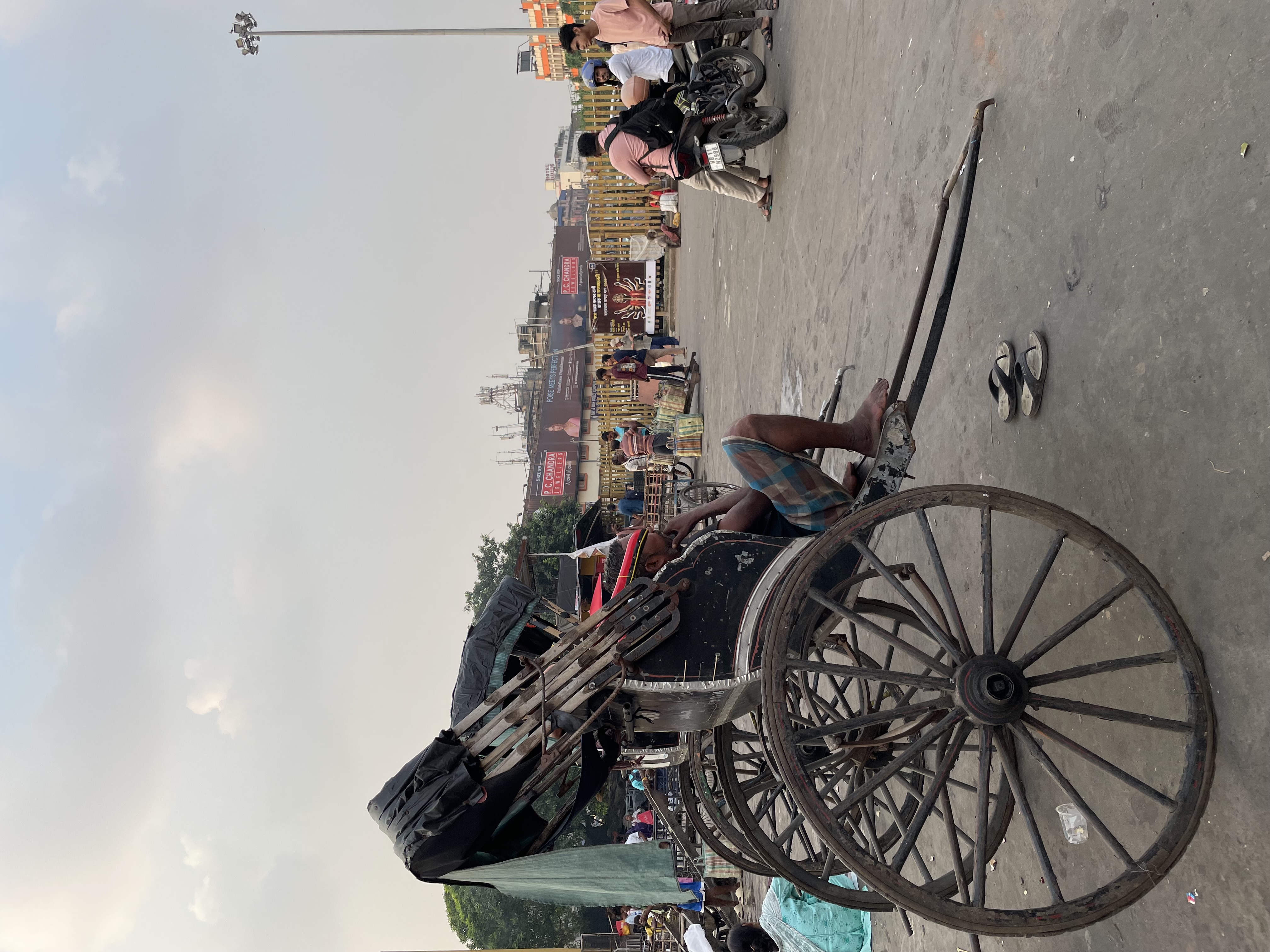
Uncertain earnings: Pullers may spend long periods waiting for passengers, with no guarantee of earning enough to cover their expenses.
Physical hardship: The work remains difficult, particularly during the summer and the monsoon.
Limited alternatives: Older workers and those without formal training may struggle to find another occupation.
These problems make the future of the hand-pulled rickshaw uncertain. Its continued presence depends partly on local demand, transport restrictions and the availability of alternative work for those who depend on it.
Should Kolkata preserve this part of its history ?
There are two sides to this question.
Hand-pulled rickshaws are part of Kolkata's transport history. Their design, the craft involved in building and repairing them, and the memories of the people who used them all have historical value.
At the same time, preserving a tradition should not mean asking workers to continue physically demanding jobs simply because the vehicles look familiar or attract the interest of visitors.
A sensible approach would begin with the people involved.
Rickshaw pullers who want to move into other occupations could be offered vocational training, financial assistance and support in finding work. Those approaching retirement may need different forms of help. Workers should be consulted before decisions are made about ending or restricting the trade.
The historical side can be preserved through photographs, interviews, museums and records of the rickshaw makers and pullers who shaped the city's transport culture.
Such efforts would allow Kolkata to document its past without making the workers responsible for keeping that past alive through difficult labour.
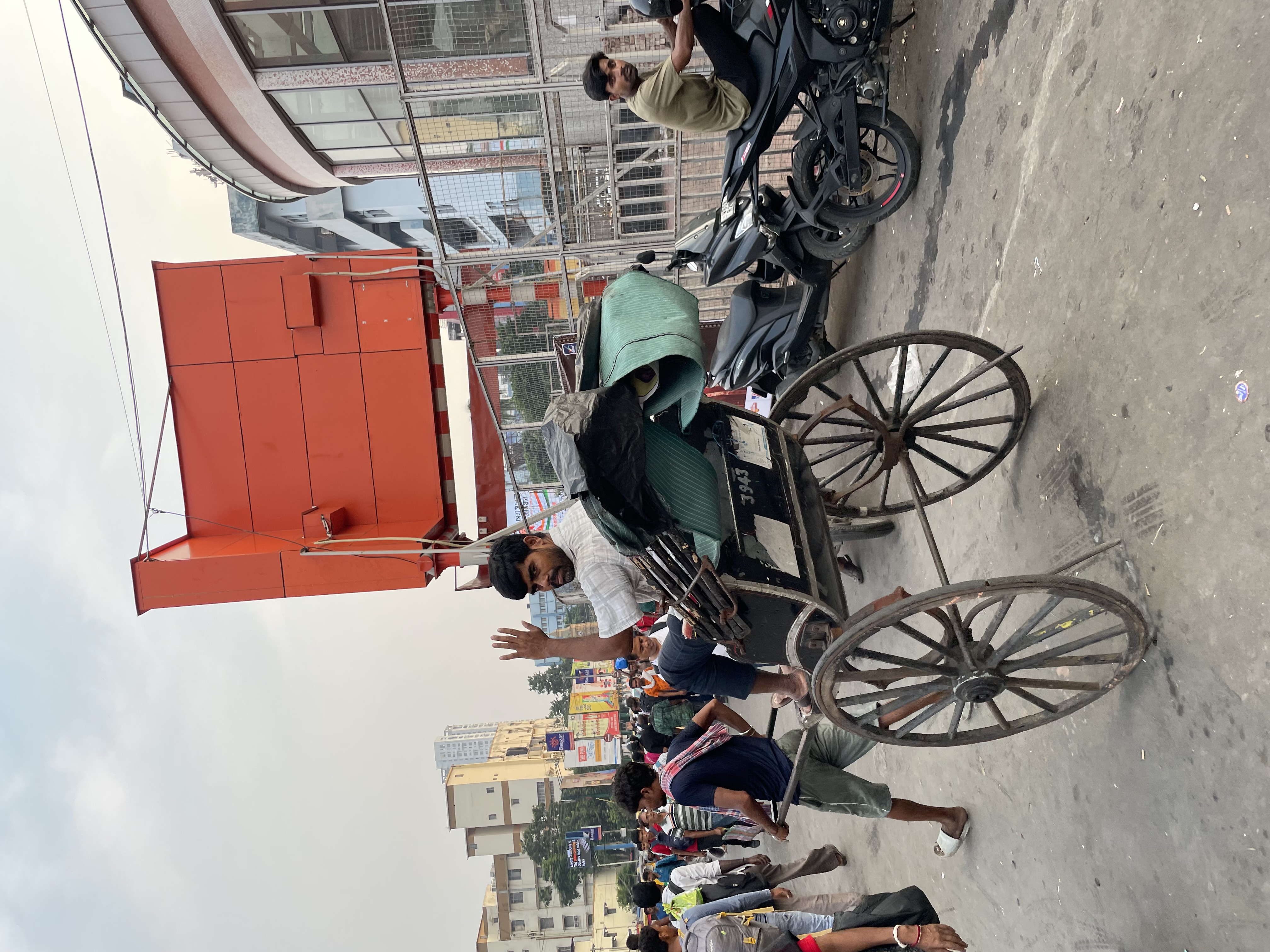
A changing city and a fading occupation
Kolkata has always been a city of contrasts. Modern buildings stand beside old houses, new transport systems pass through historic neighbourhoods, and contemporary lifestyles coexist with long-established customs.
The hand-pulled rickshaw belongs to that older side of the city. Its presence has become less common, but the questions surrounding it remain relevant.
For some residents, it brings back memories of childhood and the Kolkata of earlier decades. For others, it represents a form of labour that should have ended long ago. For the pullers themselves, the immediate concern is often much simpler: finding enough passengers to earn a living.
Any discussion about the future of these rickshaws needs to recognise all three perspectives.
The hand-pulled rickshaw has travelled a long road in Kolkata, from the city's colonial past to its present-day streets. It once played a major role in local transport and became closely associated with the narrow lanes of old neighbourhoods.
Today, its place in the city is shrinking. Modern transport has changed how people travel, while concerns about working conditions have brought renewed attention to the lives of rickshaw pullers.
Kolkata does not have to choose between remembering its history and caring for the people who are part of it. It can document the rickshaw's past, recognise the workers' contribution and help those who need a way out of physically demanding work.
The next time a hand-pulled rickshaw passes through an old Kolkata lane, look beyond its wooden frame and two large wheels. Behind it is a story of migration, labour, survival and a city that continues to change.