

Kolkata is a city that knows how to enjoy its food. From the famous rosogolla and mishti doi to telebhaja on a rainy afternoon, food has always been an inseparable part of the city's culture. Among its many traditional delicacies, curd holds a special place in the hearts of Bengalis. Known locally as doi, it is more than just a dairy product. It is a part of everyday meals, family traditions, religious ceremonies and festive occasions.
When we talk about famous curd in Kolkata, the first name that comes to the minds of many people is mishti doi, the sweet, creamy yoghurt that has become one of Bengal's most loved desserts. However, the story of doi in Kolkata is much older and richer than the sweet dish we enjoy after a meal.
The history of doi in Bengal
The tradition of preparing curd has existed in Bengal for generations. Before refrigerators and modern dairy processing became common, households relied on traditional methods to turn fresh milk into curd. Milk was boiled, cooled to the right temperature and mixed with a little curd from an earlier batch. The mixture was then kept in an earthen pot, usually in a warm place, until it set.
This simple process depended on experience, weather and patience. Every household had its own way of preparing doi, and the final taste often varied from one family to another.
In Bengali homes, doi has long been associated with auspicious occasions. A spoonful of doi with sugar before an important journey, examination or new beginning is a familiar custom in many families. It is often served during weddings, pujas and other celebrations. For many Bengalis, the sight of a clay pot filled with fresh doi brings back memories of childhood, visits to grandparents' homes and meals shared with family.
As Kolkata grew into a major commercial and cultural centre, its food traditions also developed. Sweet shops began to play an important role in making different varieties of doi available to a wider audience.
Mishti doi: The pride of Bengali food
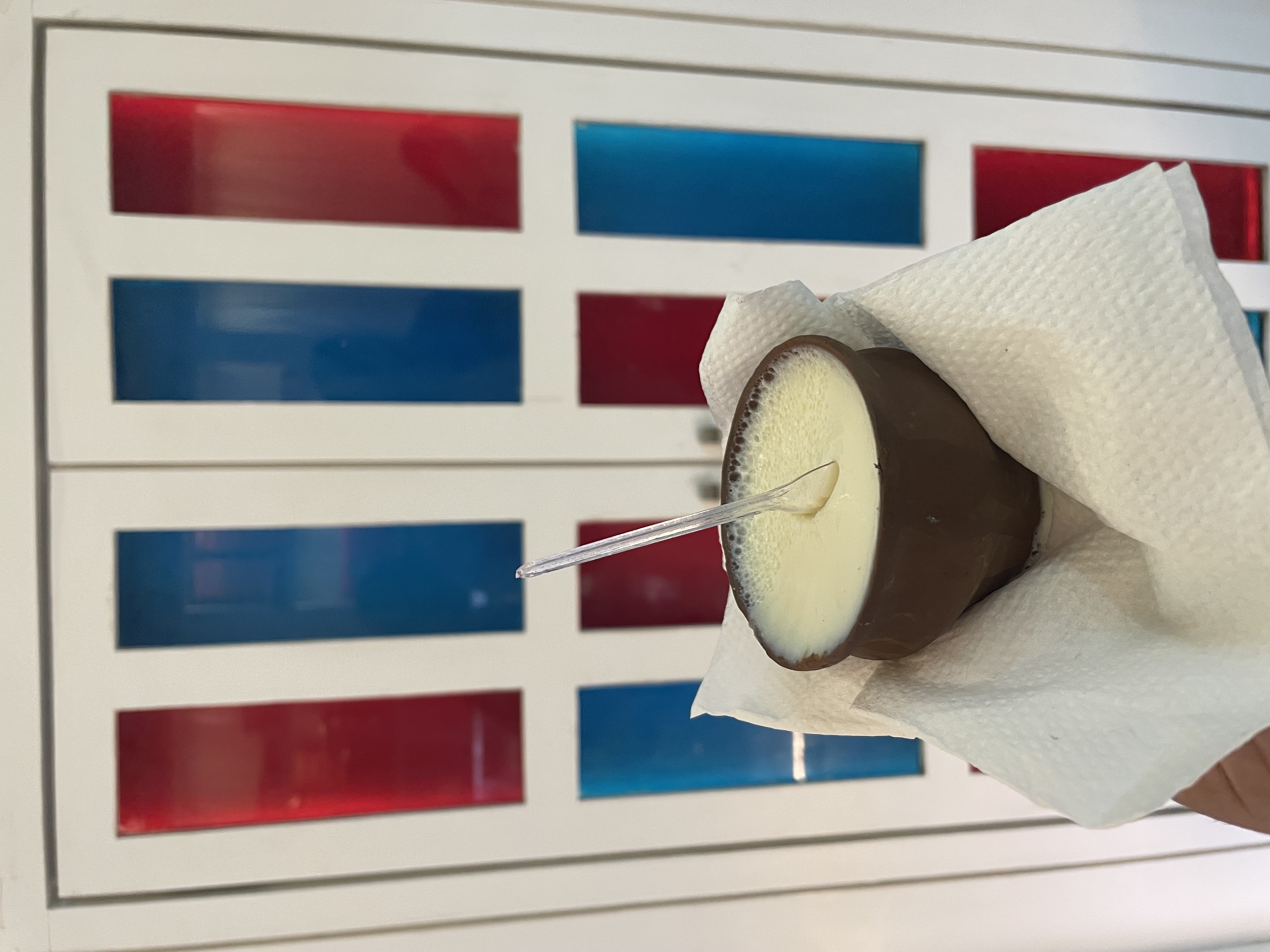
Mishti doi, literally meaning sweet curd, is one of the best-known dairy desserts associated with Bengal. It is prepared by fermenting sweetened milk, often using caramelised sugar or jaggery to give it a distinctive colour and flavour.
Unlike ordinary curd, mishti doi has a rich sweetness and a creamy texture. Traditionally, it is set in earthen pots, which help absorb excess moisture and give the dessert its familiar character.
The exact origins of mishti doi are difficult to trace to one particular shop, person or year. Its development is closely connected with Bengal's long tradition of dairy-based sweets and the work of generations of sweet makers.
Although mishti doi is strongly associated with Kolkata, the tradition extends across Bengal. Different districts and towns have their own styles, ingredients and methods of preparation. The varieties found in Bogura, Bangladesh, and the districts of West Bengal are also part of the wider regional story of sweetened curd.
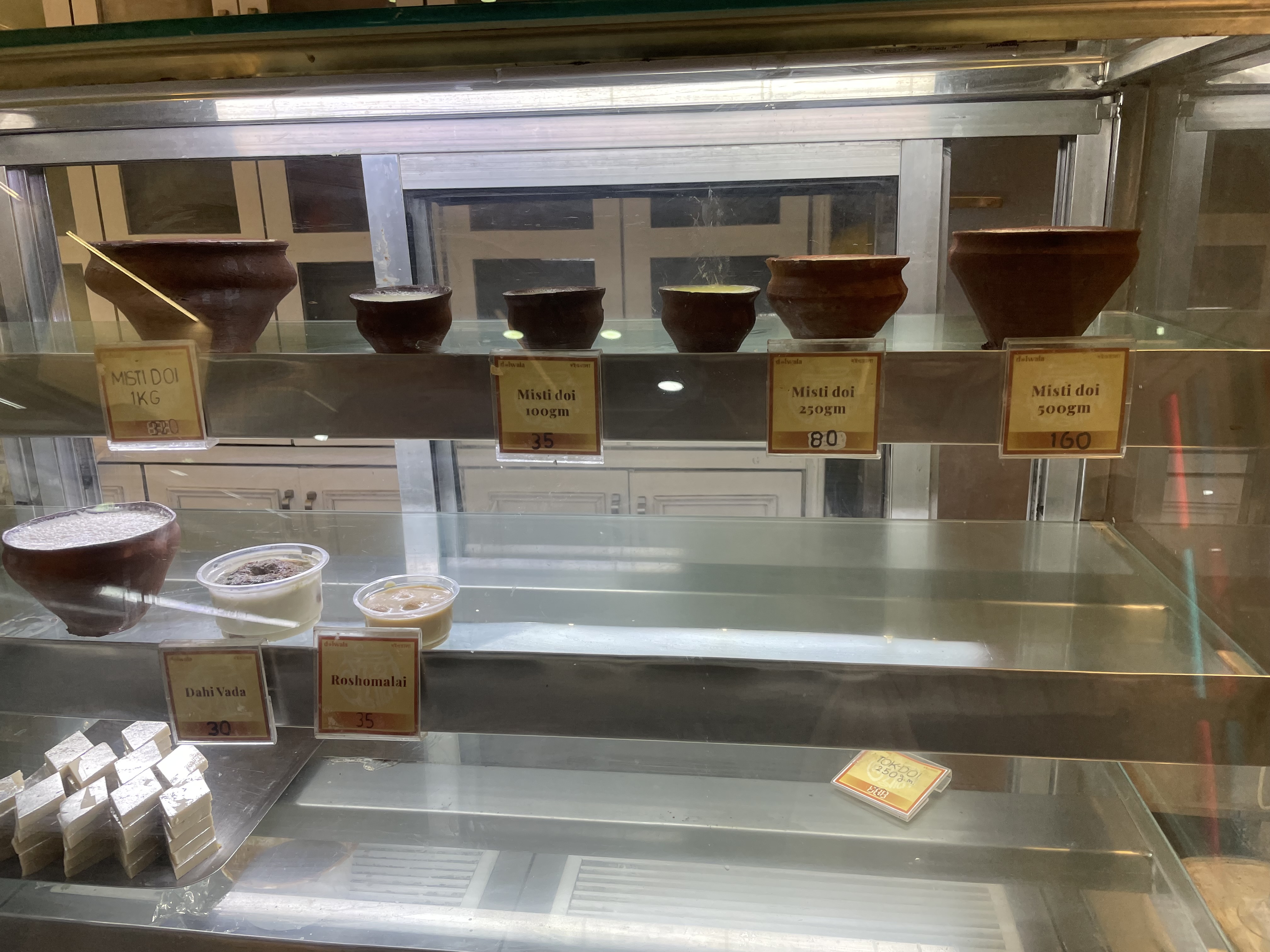
In Kolkata, mishti doi has become a familiar sight in sweet shops, often displayed in small clay pots or sold in containers for takeaway. It is enjoyed after lunch, served to guests and carried home during festivals.
Kolkata's famous names in the world of doi
Kolkata has several established sweet shops where customers can find mishti doi alongside traditional Bengali sweets. Some names are familiar to generations of residents, while others have become popular with newer customers.
1. Balaram Mullick & Radharaman Mullick
Known for its range of Bengali sweets, Balaram Mullick & Radharaman Mullick is one of the recognised names in Kolkata's sweet-making tradition. Mishti doi is a natural companion to the shop's wider selection of traditional and contemporary sweets.
2. K.C. Das
K.C. Das is closely associated with Kolkata's sweet heritage, particularly its history of rosogolla. Like many established Bengali sweet shops, it represents the city's long relationship with milk-based desserts and traditional sweet-making.
3. Ganguram
Ganguram is another familiar name among Kolkata's sweet lovers. Its presence in the city's food culture reflects the continuing popularity of traditional Bengali sweets, including the familiar combination of doi and other milk-based delicacies.
4. Bhim Chandra Nag
With a history dating back to the nineteenth century, Bhim Chandra Nag is among Kolkata's historic sweet shops. Its story forms part of the wider history of the city's confectionery trade, where milk, chhana, sugar and traditional techniques have shaped generations of Bengali desserts.
These shops are worth exploring for anyone interested in Kolkata's sweet culture. However, recipes and availability vary between outlets, so it is always sensible to check with the individual shop when looking for a particular variety of doi.
Why is doi traditionally served in earthen pots?
There is something special about opening a small clay pot of mishti doi. The reddish-brown surface, the gentle aroma and the thick texture make it instantly recognisable.
Earthen pots are not used merely for their appearance. Their porous walls can absorb some moisture during fermentation, helping produce a firmer texture. The pot also provides a traditional way to set and serve the curd.
Of course, modern producers may use other containers and different manufacturing methods. Still, the clay pot remains closely connected with the identity of Bengali mishti doi.
For many people, eating mishti doi straight from a matir bhাঁড় is part of the pleasure. The pot gives a simple dessert a distinctly Bengali character.
Doi in everyday Bengali life
While mishti doi is often treated as a dessert, ordinary doi has a different place in Bengali food habits.
Plain doi may be served with rice, eaten with meals or used in cooking. It is an ingredient in dishes such as doi maach, where fish is prepared with yoghurt in a rich, flavourful gravy. Curd is also used in marinades and in various household recipes.
During summer, many families enjoy plain curd with rice because it makes for a simple and refreshing meal. Some prefer it with a little sugar, while others like it with salt or alongside traditional dishes.
The familiar practice of eating doi and chini before leaving home for an important event shows how food can become part of everyday belief and emotion. Whether or not one believes in the custom, it remains a charming part of Bengali life.
The business behind Kolkata's doi culture
The popularity of doi has supported a wider network of dairy farmers, milk suppliers, sweet makers and neighbourhood shops. Fresh milk must be collected, handled properly and prepared under suitable conditions to produce good-quality curd.
Traditional sweet shops have adapted to changing customer habits. Alongside clay pots, many now sell packaged portions that are easier to transport and store. Customers can find doi in local sweet shops, markets and modern food outlets.
At the same time, maintaining the familiar taste remains important. Many customers return to a particular shop because its doi reminds them of something they have enjoyed for years. For a family-owned sweet shop, that trust can be as valuable as the recipe itself.
A taste that connects generations
Kolkata's relationship with doi is not limited to its taste. It is also about memory, habit and belonging.
An elderly person may remember buying doi from a neighbourhood sweet shop after a family celebration. A parent may bring home a clay pot for the children after dinner. A visitor to Kolkata may taste mishti doi for the first time and discover why Bengalis speak so fondly of their traditional sweets.
These small moments keep the tradition alive.
As food trends change and new desserts arrive in the market, mishti doi continues to hold its place on Bengali tables. It does not need elaborate decoration or an unusual presentation. A small earthen pot, good-quality milk and the right balance of sweetness are often enough.
The famous curd of Kolkata tells a story that stretches beyond sweet shops and recipes. It connects the city's culinary history with Bengali family life, traditional food preparation and the everyday pleasure of sharing something sweet.
Mishti doi remains one of the most recognisable expressions of this tradition, while plain doi continues to be a familiar part of Bengali meals. Together, they show how a simple preparation made from milk has become part of the region's food identity.
So, the next time you visit a Kolkata sweet shop, take a moment to enjoy a pot of mishti doi. Behind that simple dessert lies a tradition passed from one generation to the next, one spoonful at a time.