

Fitness tracking has changed a lot in recent years. A smartwatch can now record sleep, heart rate, daily activity and workouts. However, collecting all this information is only part of the story. Understanding what those numbers mean and how they relate to everyday health is where apps like Bevel come in.
Bevel is a health and fitness tracking app developed by Finerpoint, Inc. It brings together data from compatible wearables and Apple Health, giving users a single place to check their recovery, sleep, stress and physical activity. The app also offers AI-powered coaching, nutrition tracking and workout planning.
Launched in 2023, Bevel has attracted attention among Apple Watch users who want more detailed health insights without buying another dedicated fitness tracker.
What Does the Bevel App Do?
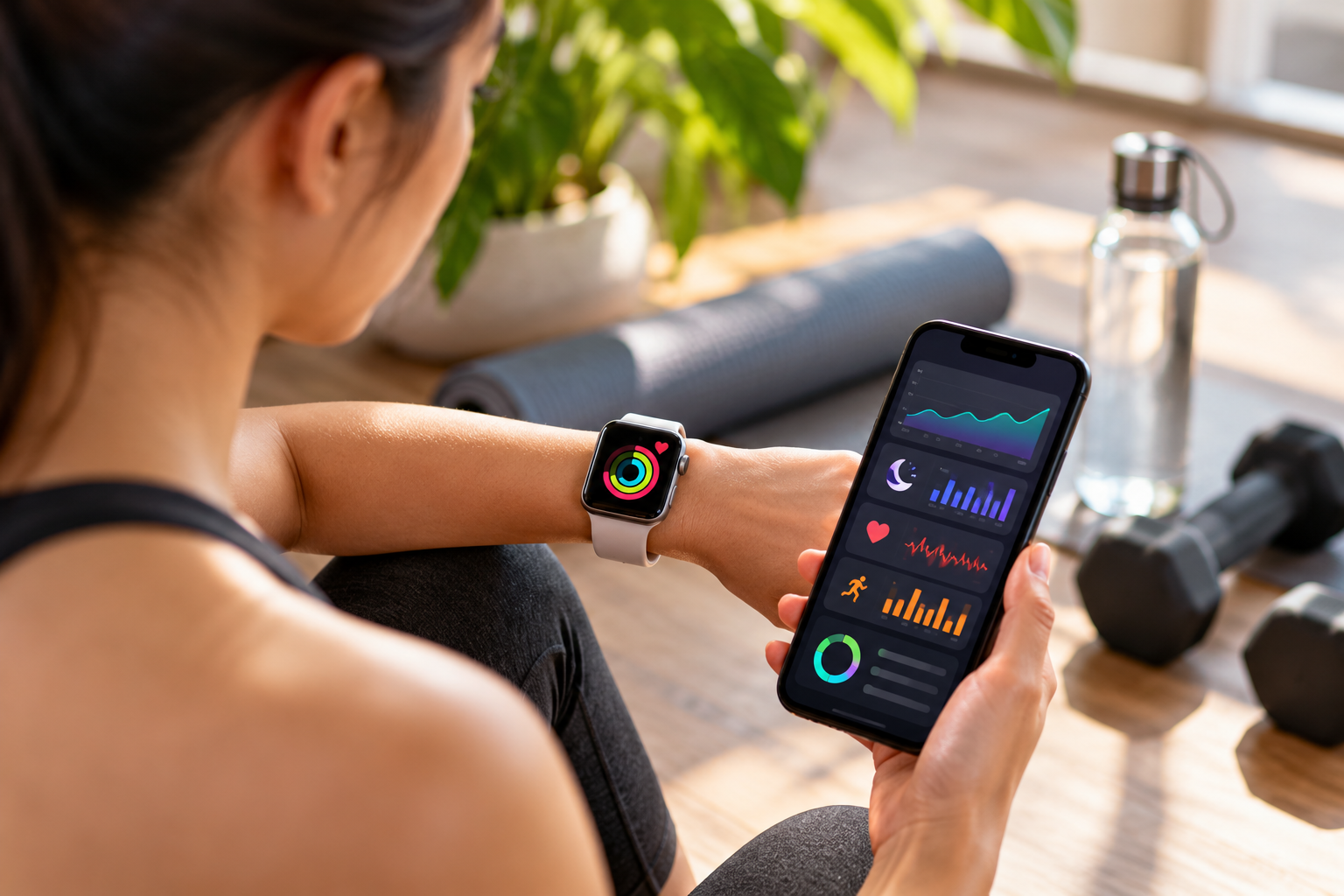
Bevel collects health information from connected devices and presents it through a daily dashboard. Instead of making users go through multiple charts and statistics, it provides four main scores: Recovery, Sleep, Strain and Stress.
The Recovery Score helps users understand how prepared their bodies may be for physical activity. It uses information such as overnight heart rate variability and sleep. The Sleep Score looks at sleep duration, stages and interruptions, while the Strain Score estimates the physical effort accumulated throughout the day.
The Stress Score tracks physiological signs of stress, including changes in heart rate. These scores can help users identify patterns in their daily routines and decide when to exercise or take things easier.
However, these numbers should be treated as estimates rather than medical measurements. A high recovery score does not guarantee that someone is ready for intense exercise, and a low score does not automatically mean something is wrong.
AI Coaching and Workout Planning
One of Bevel's more interesting features is Bevel Intelligence, its AI-powered health coach. Users can ask questions about their health data, seek guidance on exercise and generate personalised workout routines.
For example, someone planning a 30-minute interval running session can ask the coach to create a workout. The routine can then be used with a compatible Apple Watch.
The app also includes strength training tools, with a large exercise library and options for recording workouts. Users can monitor their training activity and look at how exercise relates to their recovery.
These features make Bevel useful for people who prefer having workout planning and health tracking in one app. Still, AI-generated suggestions should be treated as general guidance. They are not a substitute for medical advice or a qualified fitness professional.
Sleep, Nutrition and Everyday Habits
Bevel goes beyond traditional activity tracking. Its nutrition tools allow users to record meals through photos, barcodes and descriptions. The app can estimate calories and macronutrients, helping users understand their eating habits over time.
A journal feature lets users record habits such as caffeine consumption, hydration and mood. By comparing these entries with sleep and recovery data, users may notice patterns that would otherwise be difficult to spot.
For instance, a user might discover that late-night caffeine consumption regularly coincides with poorer sleep. Such observations can help people experiment with changes to their routines, although correlations in an app do not establish that one behaviour caused a particular result.
Premium features also include importing health records and tracking a biological age estimate based on selected health measurements. These tools may appeal to users who want to follow their health information over a longer period.
Does Bevel Work With Other Fitness Trackers?
Although Bevel is closely associated with the Apple Watch, its integrations extend beyond Apple's wearable.
The app can work with supported data sources, including Oura, Garmin and Fitbit-related services, as well as compatible continuous glucose monitoring systems through Apple Health. The available information depends on the device, connection method and permissions granted.
This flexibility is useful for people who already own more than one fitness device. Rather than switching between different apps, they can bring supported information into a common dashboard.
There is one major limitation, though. Bevel does not currently offer a native Android app. Its main experience is designed for Apple's ecosystem, so Android phone users should not assume they can use it in the same way as Apple Watch owners.
Is Bevel Free?
Bevel follows a freemium model. According to the pricing information in the research reviewed for this article, its core tracking features are available free of charge.
The free version includes the main health scores and everyday tracking tools. Users can explore their sleep, recovery and activity data without immediately committing to a subscription.
The paid Pro plan adds features such as more extensive AI coaching, premium training plans, health-record imports and biological age tracking.
The reported US pricing is $14.99 per month or $99.99 per year. Actual prices and available plans may vary by region and can change, so users in India should check the current price shown in the App Store before subscribing.
For someone who only wants to check daily activity and sleep, the free version may be enough. People who regularly use the AI coach and advanced training tools may find more value in Pro.
What Do Users Like About Bevel?
User feedback has generally been positive. Reviews frequently praise its clean interface, easy-to-read dashboard and ability to combine several types of health information.
Another advantage is that users can access the main tracking features without paying for the premium subscription. This makes it easier to try the app and decide whether its additional tools are worth the money.
The app also appeals to people who like the recovery-focused approach associated with services such as WHOOP but would rather use their existing Apple Watch.
There are some complaints, however. Subscription pricing is a recurring concern, particularly for people who do not need the AI features. Users have also reported occasional syncing problems, missing measurements and differences between the app's scores and how they feel physically.
Some reviewers have found its nutrition tracking and strength training analysis less detailed than dedicated apps designed specifically for those activities.
These limitations matter because a health dashboard is only useful when its data is reliable and its scores are easy to understand.
Bevel vs Athlytic and Gentler Streak
Bevel competes with several Apple Watch apps that focus on recovery, training and general wellness.
Athlytic is an alternative for users interested in recovery scores, exertion and sleep analysis. Gentler Streak takes a more flexible approach to exercise, helping users balance activity with rest. Livity is another option for people who want recovery and sleep insights, while PeakWatch focuses on recovery and training guidance.
Bevel's main selling point is the number of features it combines in one place. Nutrition tracking, strength training, journaling, health records and AI coaching give it a wider scope than apps focused mainly on recovery.
The trade-off is the subscription price. Users who only want recovery and sleep scores may find a less expensive alternative sufficient. Those who want several health tools under one roof may have more reason to consider Bevel Pro.
Privacy: What Should Users Know?
Bevel relies on permissions to access health information from Apple Health and connected services. Users can choose which categories of information they allow the app to read.
The company states that it does not sell personal data and describes its security practices in its privacy documentation. The research also notes that Bevel's terms do not treat the service as a HIPAA-covered platform.
Anyone considering the app should read its current privacy policy, particularly before importing medical records or using AI features with personal health information. It is worth checking how information is processed, stored and shared with service providers.
Health data can be sensitive, so the convenience of an all-in-one dashboard should be weighed against the information a user is comfortable sharing.
Is Bevel Worth Trying?
For Apple Watch users who want a clearer picture of their daily health patterns, Bevel is worth considering. Its biggest advantage is the way it combines sleep, recovery, activity, nutrition and training information in a single interface.
Casual users can begin with the free version and see whether the daily scores help them make better decisions about sleep and exercise. More serious fitness enthusiasts may appreciate the workout planning and AI coaching features.
However, the app is less attractive to Android users, and its paid plan may be difficult to justify if someone only needs basic fitness statistics. People who require advanced calorie tracking or detailed athletic performance analysis may also prefer specialist apps.
Bevel is a useful option for Apple Watch owners who want more insight from the health data they already collect. Start with the free version, check that your devices sync correctly, and consider the Pro subscription only if you regularly use its additional features.
No app can measure every aspect of a person's health perfectly. Bevel works best as a tool for spotting patterns and building better habits, rather than as a system that makes health decisions on your behalf.