


Many parents focus more on their child's academic performance than their social development. Some don't even realize its importance, while others believe any social shortcomings will naturally improve with age. However, neglecting this aspect can cause problems. If a child doesn’t learn to interact and adapt within society, it can negatively impact their personal life later on. As a parent, ensuring your child’s social growth is part of your responsibility.
A child’s first lessons in social development begin at home. If parents are aware and proactive, they can create an environment that fosters proper social skills.
Nowadays, joint families are rare, meaning children in nuclear families miss out on the natural social interactions that come with a larger household. Still, parents can be role models through their own social behavior. They can also teach children the joy of sharing.
1. Encourage Conversations and Questions
Today’s parents are often busier than before. However, whenever you’re with your child, engage in conversations. Tell stories, listen to what they have to say, and if they don’t speak up on their own, ask them questions.
Encourage open-ended questions that lead to discussions rather than ones that can be answered with a simple "yes" or "no."
2. Teach Basic Social Etiquette
Don’t dismiss behaviors like avoiding greetings or staying in their room when guests arrive as mere childish habits. However, don’t force them to interact either. Instead, encourage natural social engagement.
Involve your child in preparing for guests by asking them, "Uncle is coming over today. Would you like to help make something for him?" Let them participate in small ways, such as handing out drinks or dessert plates. Not every child will do everything, but small steps are enough.
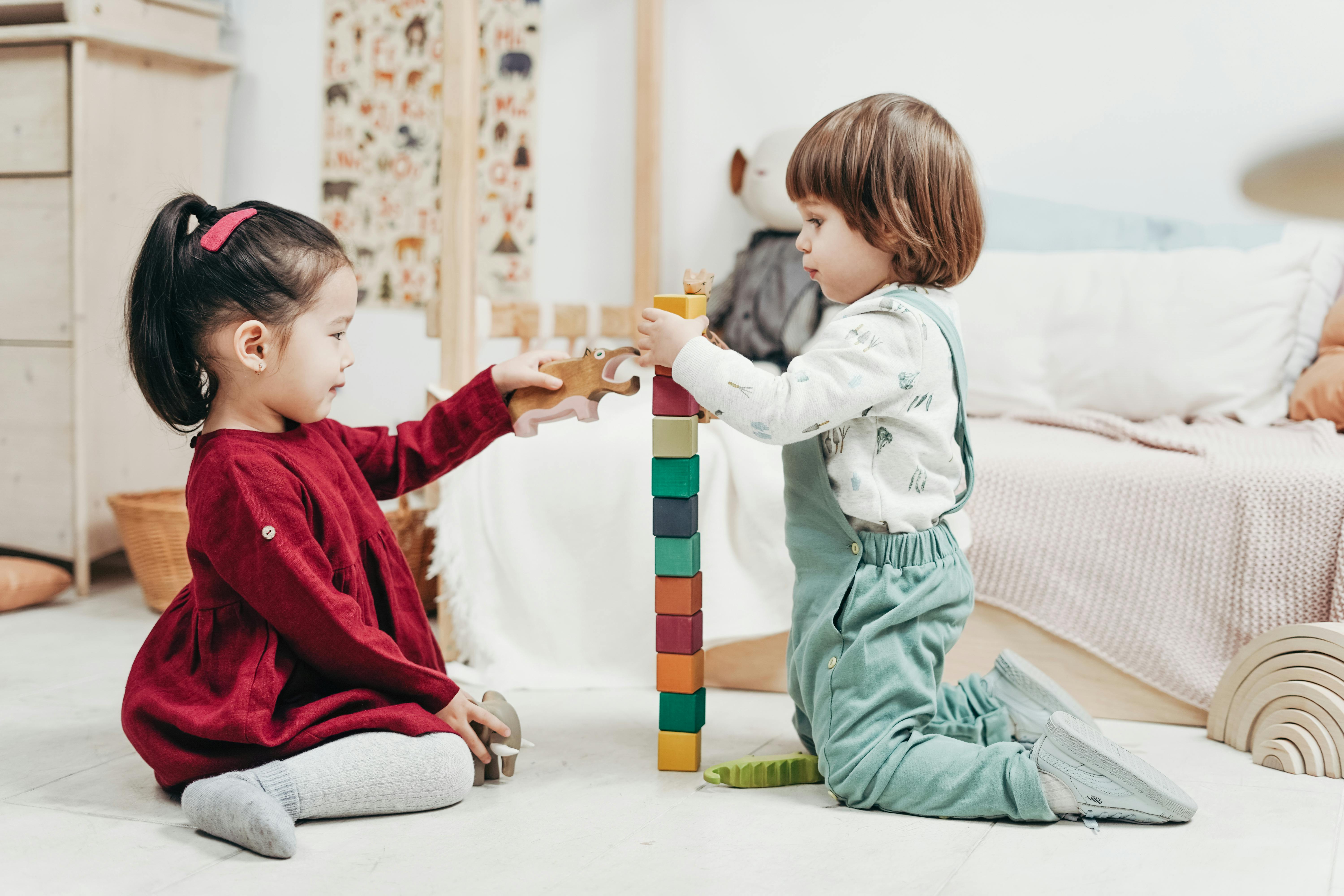
If needed, use small rewards to reinforce good social behavior. Whether shopping, ordering food at a restaurant, or interacting with a driver, let your child practice speaking for themselves in these situations.
3. Teach Empathy and Emotional Awareness
Not all children will behave the same way socially, and that’s okay. Avoid forcing them. Just make sure they don’t become socially withdrawn. Explain the importance of social interactions based on their age.
For example, if they refuse to talk to someone, let them know it might hurt the other person’s feelings. Teach them to respect others’ emotions. Having a pet at home can also help, as caring for an animal helps develop empathy and emotional sensitivity.
However, be observant. If your child avoids a specific person, check whether that individual is treating them negatively. If someone makes inappropriate comments about your child’s weight, height, or academic performance, ask them not to do so. Also, ensure that no one attempts to touch your child inappropriately—this applies to both boys and girls.
4. Body Language and Expressions Matter
Avoid expressing anger in front of your child. Speak to others with a smile and maintain positive body language. Make eye contact while talking. Your child will learn from these behaviors and adopt them naturally.
Pay attention to your body language and expressions even when communicating with your child.
5. Provide Opportunities for Social Interaction
Build good relationships with your neighbors and allow your child to play with their kids. Whether in your home, downstairs, or on the rooftop, create spaces where children can interact. You can also organize small gatherings or encourage activities like recitation, debates, cricket, football, or karate—anything that requires communication and self-expression.
If, despite all efforts, your child still struggles with social interaction, seek advice from a child psychologist.