

•Cringe culture•
Cringe culture is a concept I first came across in a post by Alok Vaid-Menon. We can look at cringe culture as a kind of fast fashion of the self - as soon as the new clothes are in trend, we throw out all the old, and say “I can’t believe I ever wore that awful thing!”
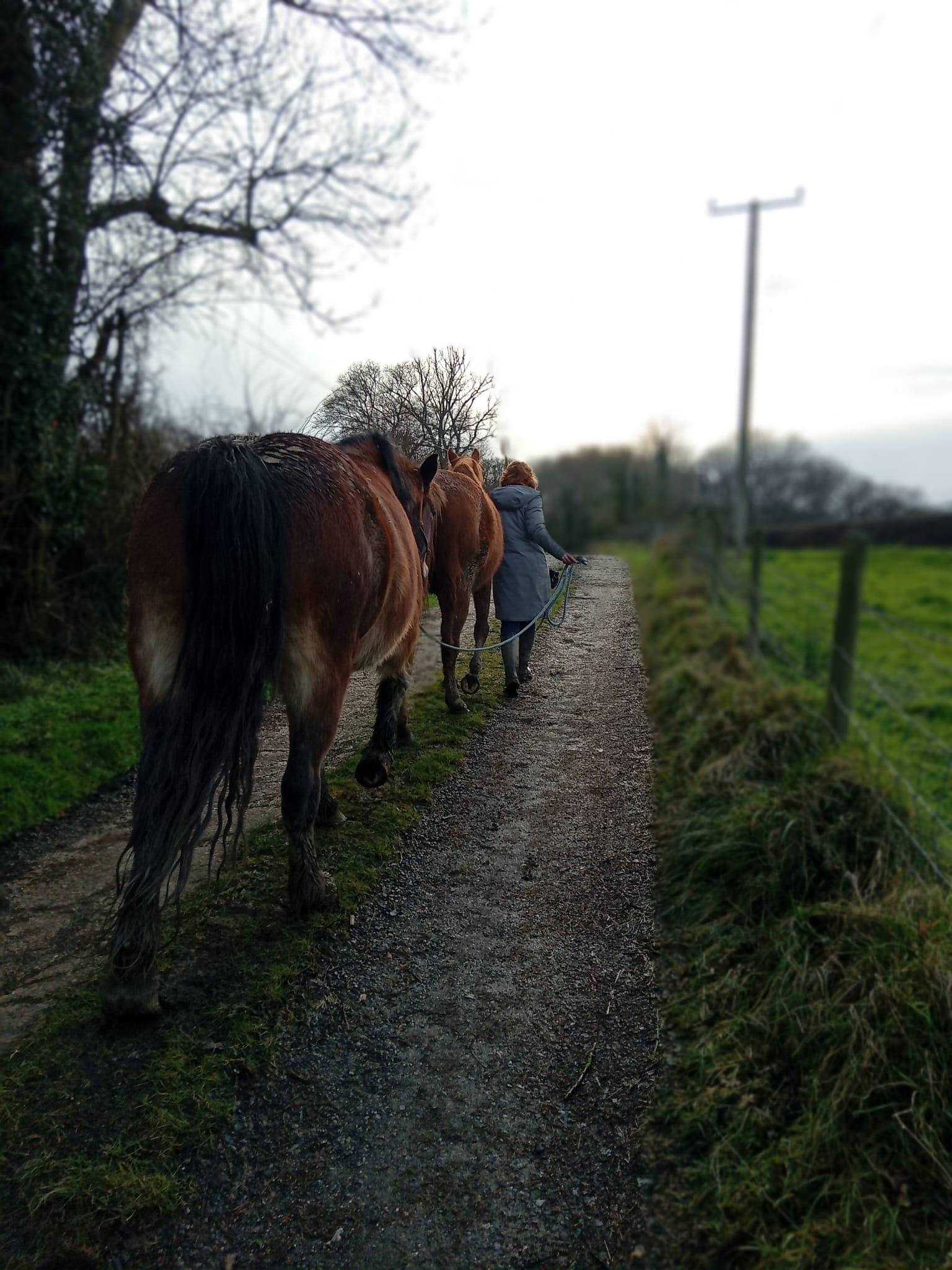
In our current society, I think most of us have a little bit of cringe culture within ourselves. But I’ve particularly noticed it within my horsemanship practice recently.
In this current time of change, of research, of constantly-updating-best-practices, I find myself always looking to others for what I should be doing, and shaming what I used to do.
Deleting old instagram posts. Unfollowing. Unlearning. Ridding myself of the old.
Sometimes this is a transformation that is needed, for a time. It is one that I have needed.
But this purge can’t go on forever.
Because it paralyses me.
I remember when I was first in the natural horsemanship world and thinking “yes, this feels right, this is it.” As I progressed and evolved in myself and my practice, eventually it stopped feeling like my thing.
And now I feel like there's a part of me that is always worried about discovering that what I’m doing now isn't it. I think that partly comes from the lack of forgiveness for how I did practice when I was in a natural horsemanship world.
This is where the concept of cringe culture weaves back in. Where I look back at a way of being with horses that wasn’t fully aligned for me, and throw it all under BAD.
So I’ve started looking for the good that was there.
Taking a deep breath, watching old videos of myself, thinking in a less reactionary way. Asking:
What definitely doesn't feel aligned now?
What does feel aligned now?
I think the secret to finding out what is actually aligned for you is by listening to yourself. While everyone is around us telling us what to do, we can take that information, be discerning, weave what works for us and our horses into our practice and leave the rest.
I’m not trying to say we shouldn’t listen to others voices, or that we shouldn’t let those voices prompt us into change.
What I am saying is sometimes it can be easy to feel lost amidst a sea of information. When someone is saying you should do this thing, and someone else is saying you shouldn’t, it can be hard to keep up.
The feeling I associate with this is the idea of a horse in a fawn response. Who doesn’t have a strong sense of self or agency, and is constantly looking to the human asking: is this ok? Am I allowed to move like this? Am I allowed to express like this?
So what I’ve been doing, in my exploration of this concept, is trying to find the essence of myself in my practice, both past and present.
Looking back at how I used to do things, and asking - where was I in that? What was the reason I was even drawn to that in the first place? I wanted kindness and I wanted connection, and that was what natural horsemanship promised. There were also so many elements of my approach that actually did bring in kindness and connection, that did build relationship and listen to the horse.
Looking back, if I had had the skills that I have now to say “this feels good, this doesn't feel good,” there would have been so many things that I would have said “no” to that I remember not feeling comfortable with in the moment.
That’s what makes me comfortable in my approach now. There’s no part of it that I secretly wish I wasn’t doing, and I know, that as and when it naturally evolves as me and my horses grow and change, I won’t look back at what I’m doing now with shame - I’ll look back with compassion, and appreciation.