

Introduction
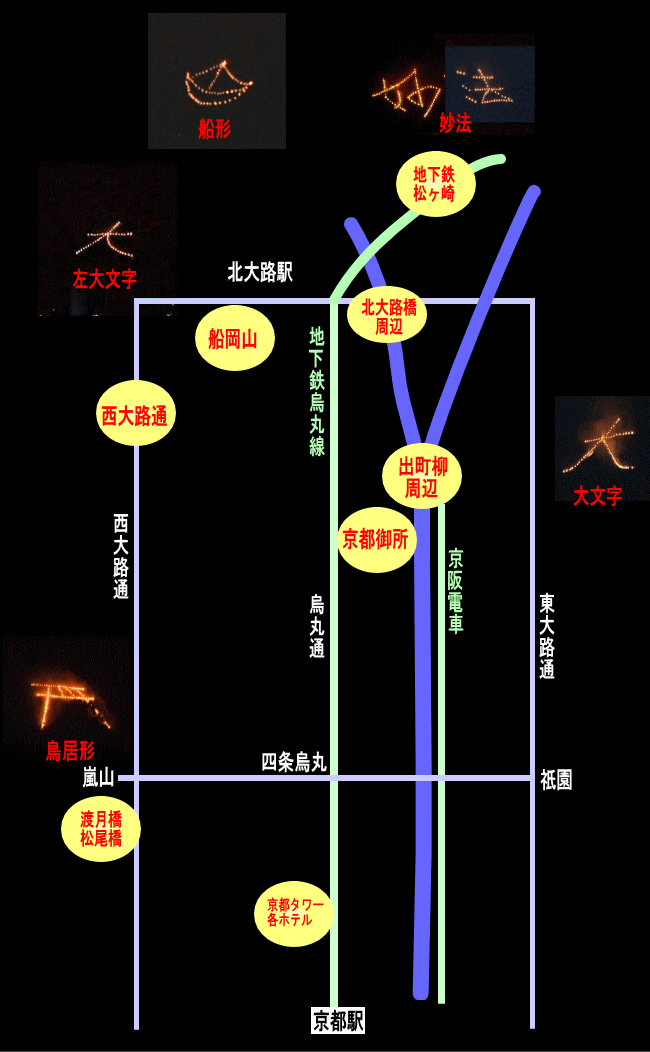
The "Kyoto Gozan Okuribi" (commonly known as Daimonji Festival), held annually on August 16th, is one of Kyoto's most iconic summer traditions alongside the Gion Festival. This sacred Buddhist ceremony sends off ancestral spirits during the Obon period, with five bonfires lit sequentially on mountains surrounding Kyoto city: "Daimonji," "Myoho," "Funagata," "Hidari Daimonji," and "Toriigata."
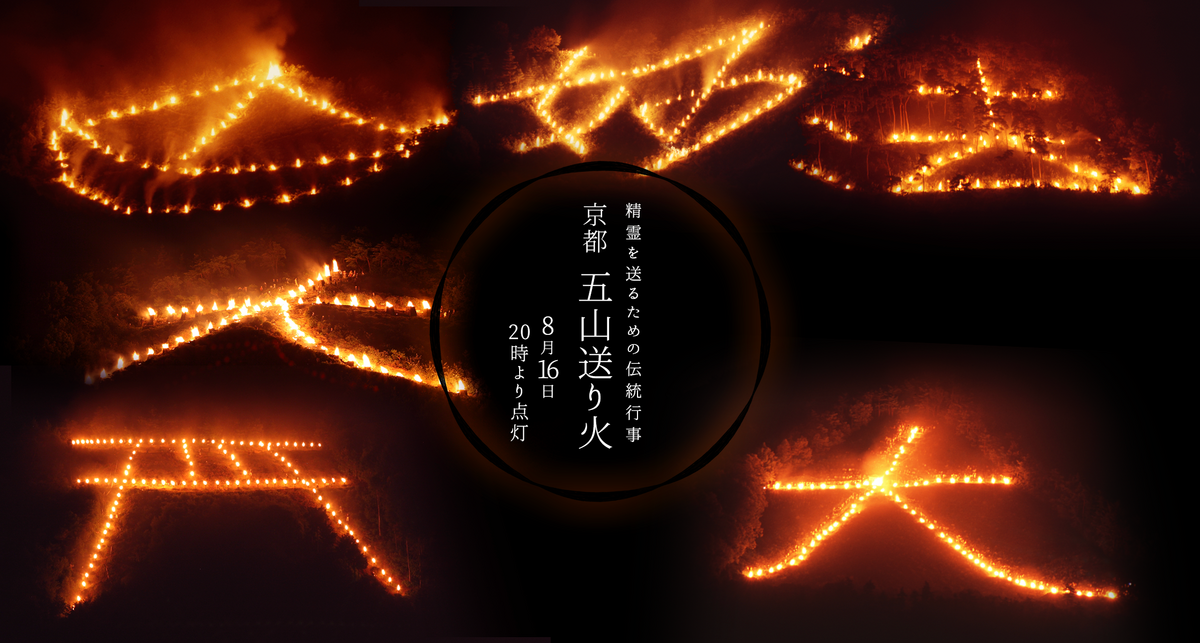
This comprehensive guide covers the best viewing spots from popular locations to local hidden gems, complete with detailed access information and Google Maps links.
2025 Kyoto Gozan Okuribi Basic Information
Event Date
August 16, 2025 (Saturday) ※Held rain or shine (may be cancelled in severe weather)
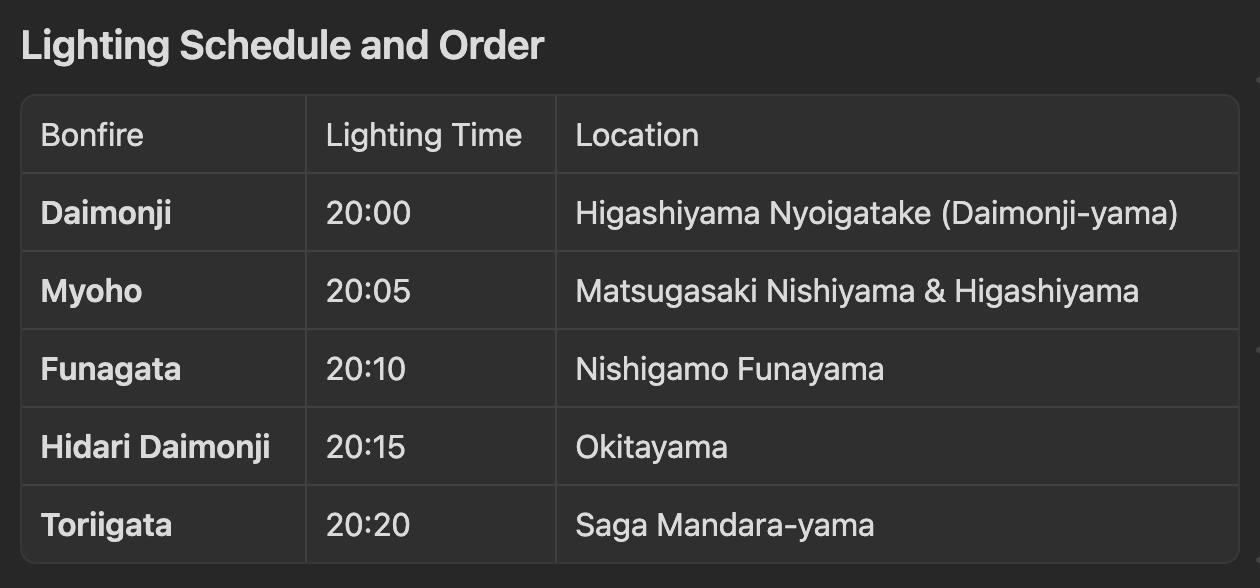
Each bonfire burns for approximately 30 minutes. Lighting times may change due to weather conditions.
1. Daimonji (20:00 Lighting) - The Most Famous Bonfire
Basic Information
•Location: Higashiyama Nyoigatake (Daimonji-yama)
•Fire beds: 75 locations
•Character size: First stroke 80m, second stroke 160m, third stroke 120m
•Features: Largest scale, visible from various locations throughout the city
Recommended Viewing Spots
1. Kyoto Imperial Park (Classic Spot)
Access:
•Subway Karasuma Line "Imadegawa Station" 5-min walk
•Keihan Main Line "Demachiyanagi Station" 10-min walk
Google Maps: Kyoto Imperial Park Seiwa-in Gate
Highlights:
•Clear frontal view of the "大" character from Seiwa-in Gate area
•Spacious area from Hamaguri Gate to Kenreimon Gate for comfortable viewing
•Excellent access, perfect for first-time visitors
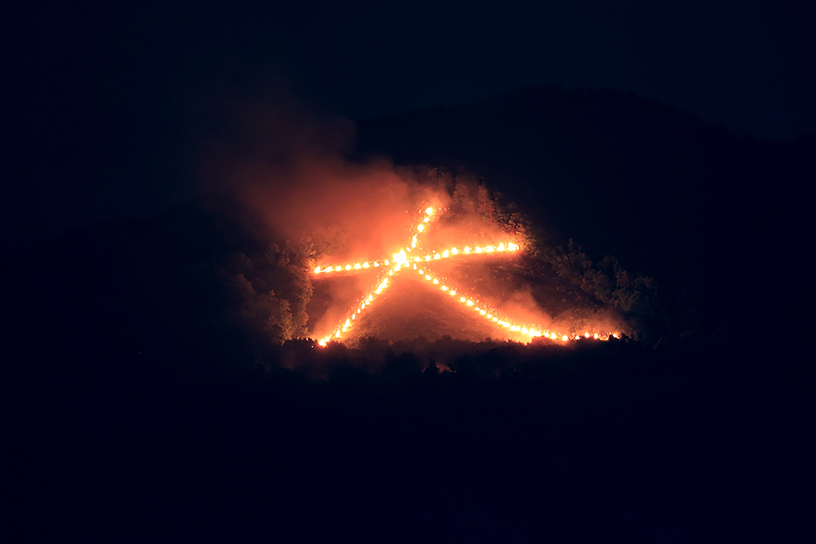
2. Kamogawa River・Demachiyanagi Area (Popular Spot)
Access:
•Keihan Main Line "Demachiyanagi Station" 3-min walk
•Eizan Electric Railway "Demachiyanagi Station" 3-min walk
Google Maps: Demachi Bridge
Highlights:
•Wide viewing area along the riverbank from Demachi Bridge to Kamo Bridge
•Pedestrian-only zone from 19:00-21:00
•Open riverside atmosphere
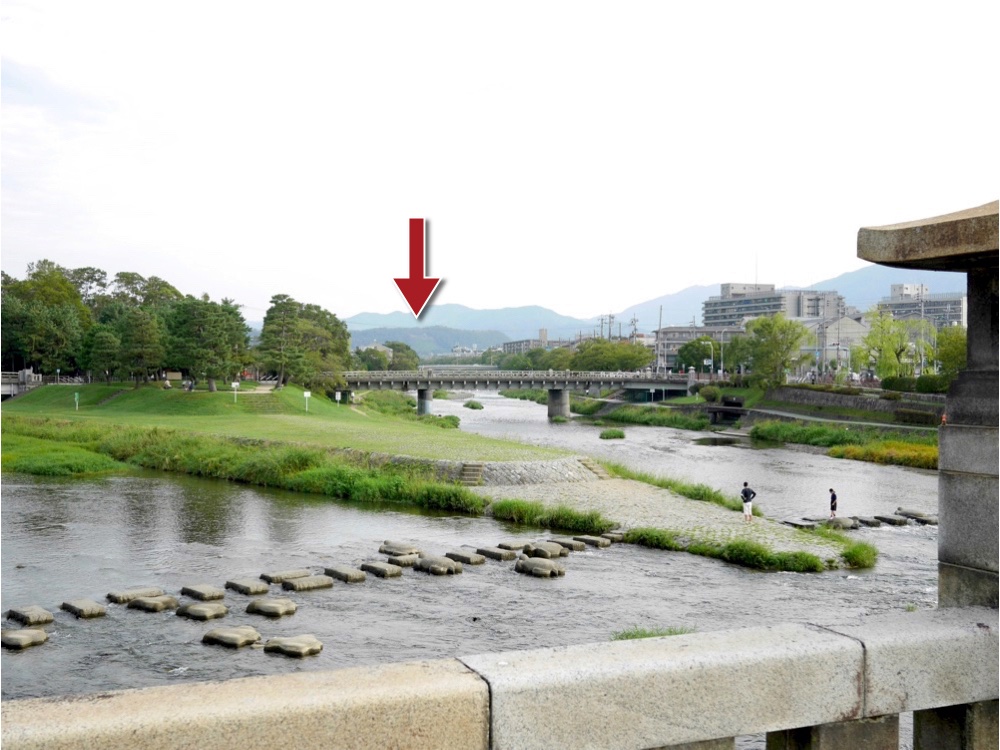
3. Yoshida-yama Observatory (Close-up Viewing)
Access:
•Keihan Main Line "Demachiyanagi Station" 15-min walk
•City Bus "Kyodai Seimon-mae" 10-min walk
Google Maps: Yoshida-yama Observatory
Highlights:
•Located directly west of Daimonji-yama for dramatic close-up views
•Good viewpoints from Takenaka Inari Shrine approach
•Mountain trail requires comfortable walking shoes
Hidden Gems
1. Kamogawa Right Bank (Izumoji Bridge Area)
Access:
•Subway Karasuma Line "Kuramaguchi Station" 10-min walk
•City Bus "Izumoji Bridge" 3-min walk
Google Maps: Izumoji Bridge
Hidden Gem Features:
•Less crowded than Demachiyanagi, perfect for relaxed viewing
•Scenic landscape preserved under Kyoto City's Scenic Landscape Creation Ordinance
•Wide riverbank area, bring a picnic sheet
2. West Side of Shirakawa-dori Imadegawa Intersection
Access:
•City Bus "Ginkaku-ji-michi" 5-min walk
•Keihan Main Line "Demachiyanagi Station" 20-min walk
Google Maps: Shirakawa-dori Imadegawa Intersection
Hidden Gem Features:
•Best position is west of the intersection
•Optimal distance prevents character distortion
•Relatively uncrowded, peaceful viewing experience
2. Myoho (20:05 Lighting) - Twin Mountains Simultaneous Lighting
Basic Information
•Myo: Matsugasaki Nishiyama (Mantoro-yama)
•Ho: Matsugasaki Higashiyama (Daikokuten-yama)
•Features: Only bonfire lit simultaneously on two mountains
Recommended Viewing Spots
1. Takaragaike Driving School Area (Myo)
Access:
•Subway Karasuma Line "Kokusaikaikan Station" 15-min walk
•City Bus "Takaragaike" 10-min walk
Google Maps: Takaragaike Driving School
Highlights:
•Clear view of the "妙" character
•Good transportation access along Kitayama-dori
•Relatively easy parking availability
2. Takano River East Bank (Ho)
Access:
•Keihan Main Line "Demachiyanagi Station" 15-min walk
•Eizan Electric Railway "Mototanaka Station" 10-min walk
Google Maps: Takano River Bank
Highlights:
•Frontal view of the "法" character
•Riverside walking path for mobile viewing
•Possible to see "Daimonji" simultaneously from Demachiyanagi
Hidden Gems
1. Kitayama-dori (Near Kyoto Notre Dame University)
Access:
•Subway Karasuma Line "Matsugasaki Station" 10-min walk
•City Bus "Matsugasaki Ekimae" 8-min walk
Google Maps: Kyoto Notre Dame University
Hidden Gem Features:
•View both "妙" and "法" characters simultaneously
•Safe roadside location
•Local favorite hidden spot
3. Funagata (20:10 Lighting) - Unique Ship Shape
Basic Information
•Location: Nishigamo Funayama
•Features: Ship shape derived from Jikaku Daishi Ennin's legend
•Fire beds: 79 locations
Recommended Viewing Spots
1. Funaoka-yama Park
Access:
•Subway Karasuma Line "Kuramaguchi Station" 15-min walk
•City Bus "Funaoka-yama" 5-min walk
Google Maps: Funaoka-yama Park
Highlights:
•Elevated view looking down at the ship shape
•Safe viewing within the park
•Beautiful night scenery
2. Kamogawa East Bank
Access:
•Subway Karasuma Line "Kitaoji Station" 10-min walk
•City Bus "Kitaoji Bridge" 5-min walk
Google Maps: Kitaoji Bridge
Highlights:
•Open riverside environment
•Frontal view of the ship shape
•Relatively less crowded around Kitaoji Bridge
Hidden Gems
1. Kitayama-dori (Between Kitayama Bridge and Nishigamo Bridge)
Access:
•Subway Karasuma Line "Kitayama Station" 15-min walk
•City Bus "Kitayama Bridge" 3-min walk
Google Maps: Kitayama Bridge
Hidden Gem Features:
•Mobile viewing along the street
•Good car access
•Quiet spot used by locals
4. Hidari Daimonji (20:15 Lighting) - Lit in Proper Stroke Order
Basic Information
•Location: Okitayama
•Features: Lit following actual calligraphy stroke order
•Fire beds: Concrete fire beds used
Recommended Viewing Spots
1. Kinkaku-ji Area
Access:
•City Bus "Kinkaku-ji-michi" 5-min walk
•City Bus "Kinkaku-ji-mae" 3-min walk
Google Maps: Kinkaku-ji Temple
Highlights:
•Good views from Kinkaku-ji parking area
•Excellent transportation access as tourist destination
•Can combine with Kinkaku-ji temple visit
2. Nishioji-dori (Between Enmachi and Kinkaku-ji)
Access:
•Subway Tozai Line "Nijojo-mae Station" → City Bus "Enmachi"
•Hankyu Kyoto Line "Saiin Station" → City Bus "Enmachi"
Google Maps: Nishioji Enmachi Intersection
Highlights:
•Wide viewing range along Nishioji-dori
•Broad sidewalks for safe viewing
•Multiple viewing points to choose from
Hidden Gems
1. Hirano Shrine Area
Access:
•City Bus "Kinugasa Komae" 5-min walk
•Randen Kitano Line "Kitano Hakubaicho Station" 10-min walk
Google Maps: Hirano Shrine
Hidden Gem Features:
•Peaceful shrine environment for viewing
•Popular with locals
•Famous cherry blossom shrine
5. Toriigata (20:20 Lighting) - Beautiful Final Bonfire
Basic Information
•Location: Saga Mandara-yama
•Features: Most fire beds among the five bonfires (108 locations)
•Elevation: Lowest position, sometimes difficult to see
Recommended Viewing Spots
1. Togetsukyo Bridge・Matsuo Bridge Area
Access:
•Hankyu Arashiyama Line "Arashiyama Station" 5-min walk
•Randen Arashiyama Main Line "Arashiyama Station" 3-min walk
Google Maps: Togetsukyo Bridge
Highlights:
•Viewing from Arashiyama's representative tourist spot
•Beautiful scenery along Katsura River
•Can combine with sightseeing
2. Hirosawa Pond (Simultaneous Viewing with Lantern Floating)
Access:
•Randen Arashiyama Main Line "Arashiyama Station" → City Bus "Hirosawa Pond"
•JR Sagano Line "Saga-Arashiyama Station" → 20-min walk
Google Maps: Hirosawa Pond
Highlights:
•Simultaneous enjoyment of Toriigata and lantern floating
•Beautiful reflection of bonfire in the pond
•Mystical atmosphere
Hidden Gems
1. Arashiyama Park Nakanoshima Area
Access:
•Hankyu Arashiyama Line "Arashiyama Station" 10-min walk
•Randen Arashiyama Main Line "Arashiyama Station" 8-min walk
Google Maps: Arashiyama Park Nakanoshima
Hidden Gem Features:
•Quiet viewing from Katsura River island
•Few tourists, peaceful environment
•Special experience surrounded by nature
Multi-Bonfire Viewing Routes
Route 1: Daimonji → Myoho
1.Kyoto Imperial Park for Daimonji viewing (20:00-20:10)
2.Subway Imadegawa Station → Matsugasaki Station (about 15 minutes)
3.Takaragaike Driving School area for Myoho viewing (20:05-20:25)
Route 2: Daimonji → Funagata
1.Demachiyanagi for Daimonji viewing (20:00-20:10)
2.Keihan Demachiyanagi Station → Subway Imadegawa Station → Kuramaguchi Station (about 20 minutes)
3.Funaoka-yama Park for Funagata viewing (20:10-20:30)
Viewing Precautions and Etiquette
Safety Considerations
•No smartphone walking: Dangerous during crowded times
•Riverbank caution: Access restrictions during high water
•Mountain path caution: Wear comfortable shoes for places like Yoshida-yama
•Heat stroke prevention: Stay hydrated and take breaks
Viewing Etiquette
•Spot saving: Avoid long-term spot reservation
•Trash: Always take your garbage with you
•Noise: View quietly
•Photography: Avoid using flash
Recommended Items to Bring
•Picnic sheet
•Flashlight/headlamp
•Insect repellent
•Drinks and light snacks
•Towel
•Folding chair
Transportation Access and Parking Information
Public Transportation
Subway/Train:
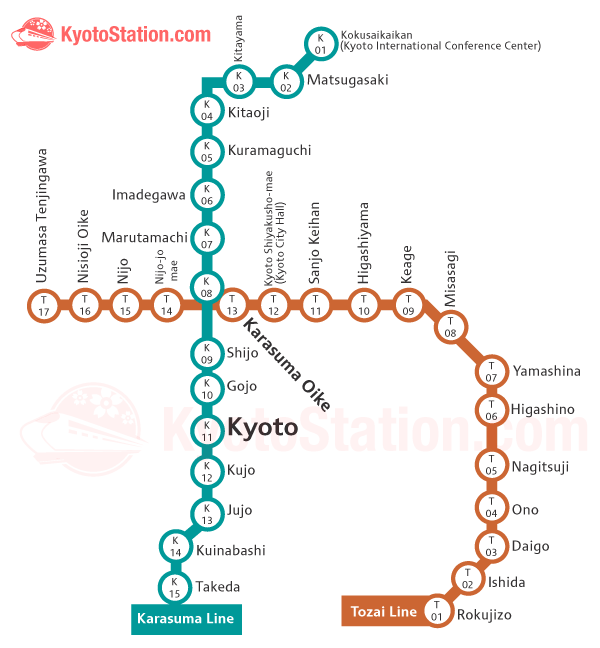
•Subway Karasuma Line: Imadegawa, Kuramaguchi, Matsugasaki stations are convenient
•Keihan Main Line: Demachiyanagi Station is closest
•Hankyu Arashiyama Line: Access to Arashiyama area
Bus:
•City Bus: Stops near each viewing spot
•Special buses operate on the event day
Parking Information
Recommended Parking:
•Kyoto Imperial Park area: Kyoto Imperial Park Parking (paid)
•Demachiyanagi area: Demachiyanagi Station Front Parking
•Arashiyama area: Arashiyama Station Front Parking
Important Notes:
•Traffic restrictions on event day
•Recommend early arrival and parking reservation
•Strongly recommend using public transportation
Local Gourmet & Souvenir Information
Dining Before/After Viewing
Kyoto Imperial Park Area:
•Cafes and restaurants along Imadegawa-dori
•Traditional confectionery shops in Demachiyanagi
Arashiyama Area:
•Arashiyama tofu cuisine
•Cafes around Bamboo Grove Path
Okuribi-Related Souvenirs
•Gomagi (prayer wood) available at each mountain base
•Okuribi-themed hand towels and fans
•Kyoto traditional crafts
Frequently Asked Questions (FAQ)
Q1: What happens in case of rain?
A: The event proceeds in light rain but may be cancelled in severe weather. Check the weather forecast on the day.
Q2: Where can I purchase gomagi (prayer wood)?
A: Available at reception areas set up at the base of each mountain (from 300 yen). Purchase early as supplies are limited.
Q3: Which spot has the least crowds?
A: Kamogawa right bank (Izumoji Bridge area) and along Kitayama-dori are relatively less crowded.
Q4: Is car access possible?
A: Yes, but traffic restrictions apply on the day and parking is limited, so public transportation is strongly recommended.
Q5: Is it enjoyable for families with children?
A: Yes, but as it's a nighttime event, pay special attention to safety and take measures to prevent children from getting lost.
Cultural Background and Significance
Historical Origins
The Gozan Okuribi tradition dates back over 1,000 years to the Heian period (794-1185). Originally a Buddhist ceremony to guide ancestral spirits back to the afterlife during the Obon period, the practice evolved from throwing torches into the sky to lighting fires on mountainsides.
Spiritual Meaning
Each bonfire serves as a beacon to guide departed souls:
•Daimonji: Represents the Buddha's teachings
•Myoho: Sacred words from the Lotus Sutra
•Funagata: Boat to carry souls across the river of death
•Hidari Daimonji: Additional guidance for lost spirits
•Toriigata: Torii gate marking the boundary between worlds
Modern Preservation
Designated as Kyoto City Registered Intangible Folk Cultural Property in 1983, the tradition is carefully preserved by local communities. Each mountain has its own preservation society responsible for maintaining the fire beds, preparing materials, and conducting the ceremony.
Photography Tips
Best Camera Settings
•ISO: 1600-3200 for night photography
•Aperture: f/2.8-f/4 for sharp focus
•Shutter Speed: 1/60s or faster to avoid camera shake
•Focus: Manual focus on infinity
Composition Tips
•Include foreground elements like bridges or buildings
•Capture reflections in water when possible
•Use wide-angle lens for full character visibility
•Consider silhouettes of viewers for scale
Respectful Photography
•No flash photography
•Avoid blocking other viewers
•Respect private property boundaries
•Share viewing spots courteously
Weather Considerations
Typical August Weather in Kyoto
•Temperature: 25-35°C (77-95°F)
•Humidity: High (70-80%)
•Rainfall: Possible afternoon thunderstorms
•Wind: Generally calm evenings
Weather-Specific Preparations
Clear Weather:
•Bring sun protection for daytime arrival
•Expect large crowds
•Ideal photography conditions
Cloudy Weather:
•May obscure mountain views
•Cooler temperatures
•Potentially fewer crowds
Rainy Weather:
•Bring waterproof gear
•Event continues in light rain
•Slippery conditions on mountain paths
Conclusion
The Kyoto Gozan Okuribi is more than just a spectacular visual display—it's a profound spiritual ceremony that has connected generations of Japanese people with their ancestors for over a millennium. By following this comprehensive guide, you'll be able to experience this sacred tradition in the most meaningful and comfortable way possible.
Whether you choose a popular viewing spot for the full festival atmosphere or seek out a hidden gem for quiet contemplation, the sight of these ancient fire characters illuminating Kyoto's night sky will create memories to last a lifetime.
Plan ahead, arrive early, and prepare to witness one of Japan's most moving and beautiful cultural traditions.
Related Links:
•Kyoto City Official Tourism Site
•Kyoto Gozan Okuribi Preservation Society
•Kyoto City Transportation Bureau
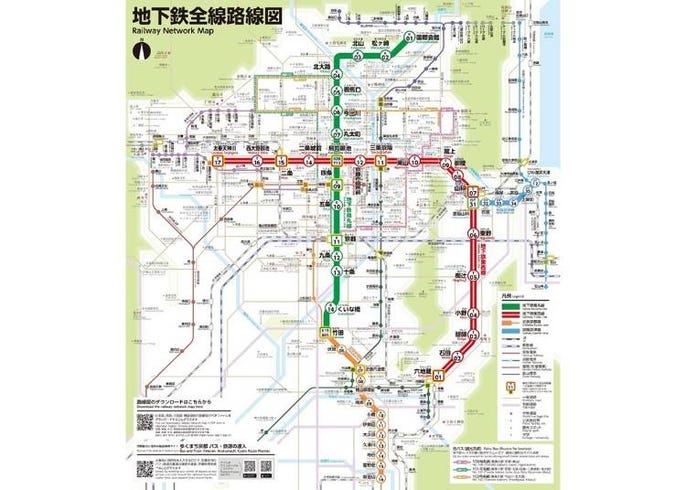
Access Map:
#KyotoGozanOkuribi #DaimonjieFestival #ViewingSpots #HiddenGems #KyotoTourism #August16 #TraditionalEvent #KyotoImperialPark #Demachiyanagi #KamogawaRiver #YoshidaYama #FunaokaYama #Kinkakuji #Arashiyama #HirosawaPond #Access #GoogleMaps #KyotoTravel #SummerKyoto #SpiritSending #BuddhistCeremony #JapaneseCulture #Obon #SacredFire