
About Japanese Antiques
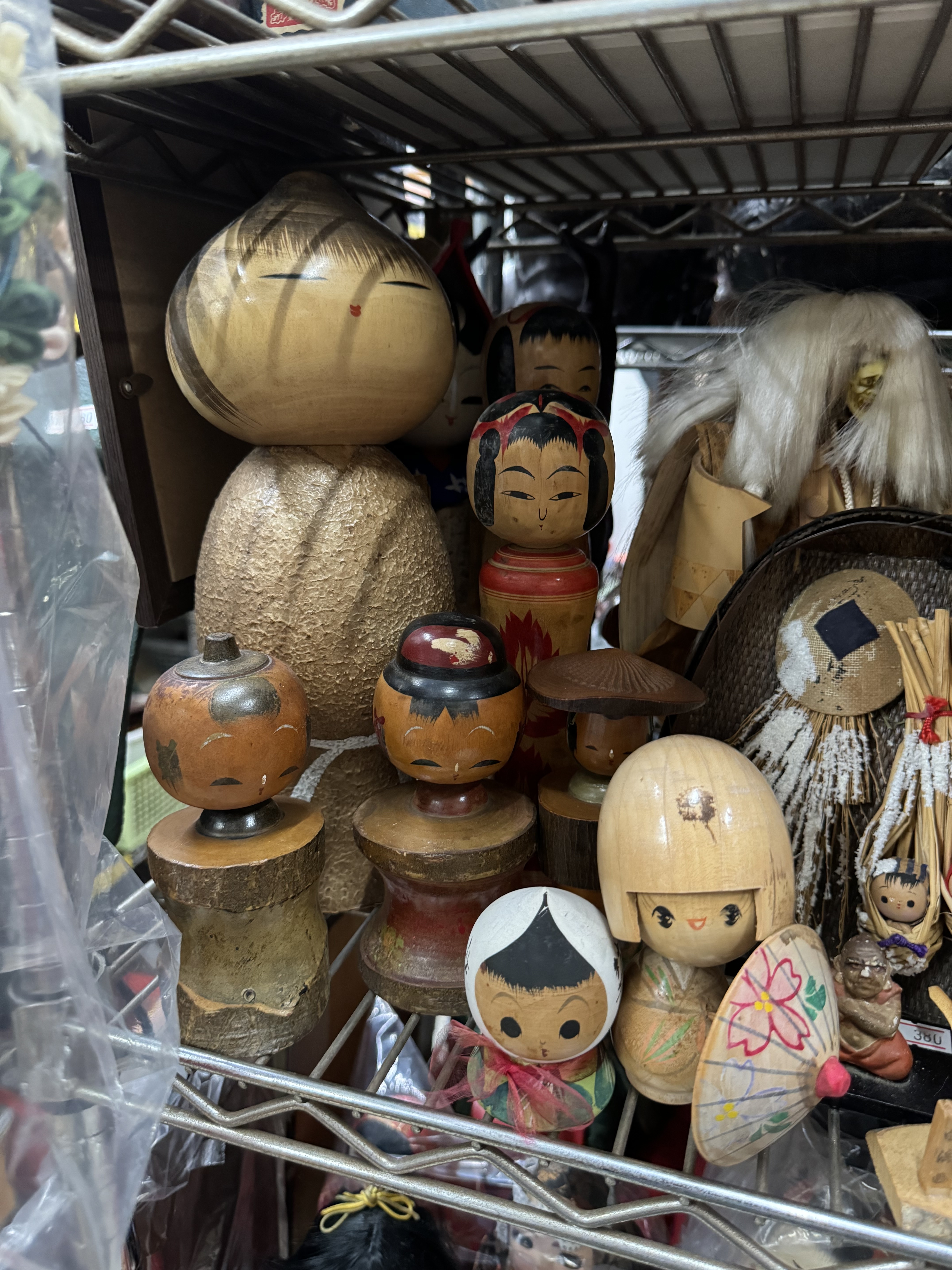
Japanese antiques are art and craft items that reflect the country's rich history and culture, and they are cherished by many people. These antiques encompass a wide range of items, such as tea ceremony utensils, ceramics, lacquerware, paintings, Buddhist statues, and old furniture. Each of these antiques contains elements of Japan’s tradition and craftsmanship, with items from the Edo and Meiji periods being particularly valuable.
Main Categories:
- Tea Utensils: Items related to the tea ceremony, such as tea bowls, water jars, and incense burners, are highly popular as they embody the spirit of wabi-sabi.
- Ceramics: Pottery from various regions of Japan, including Arita ware, Kutani ware, and Bizen ware, is highly regarded as valuable antiques.
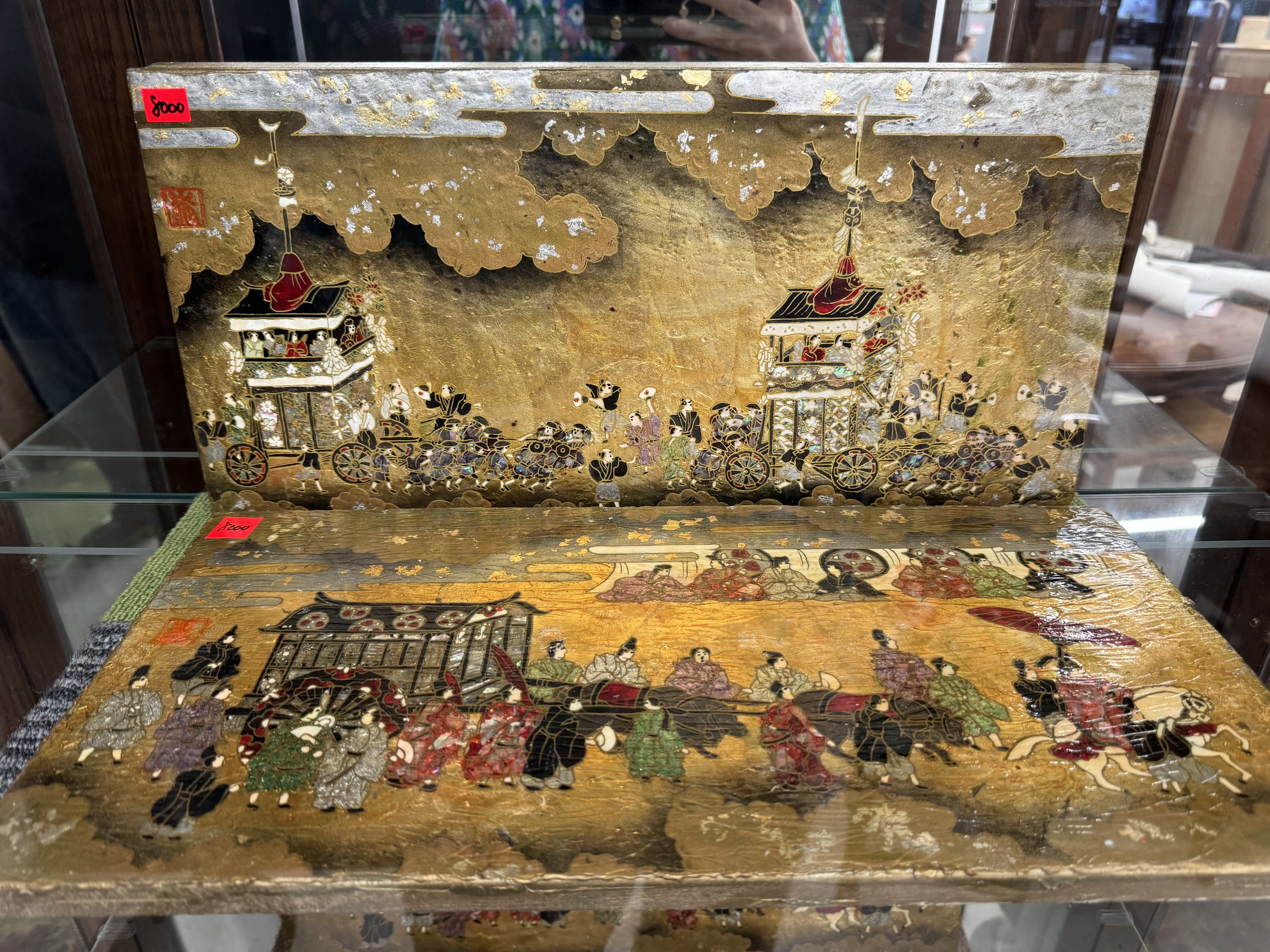
- Lacquerware: Intricately crafted lacquerware dishes and furniture represent the pinnacle of traditional Japanese craftsmanship and are often preserved and used for many years.
- Ukiyo-e: Works by famous ukiyo-e artists like Katsushika Hokusai and Kitagawa Utamaro are also extremely popular as antiques.
Japanese antiques encapsulate the skill and aesthetic sense of artisans and continue to captivate people across generations.
Why Antique Shops Are Popular in Japan
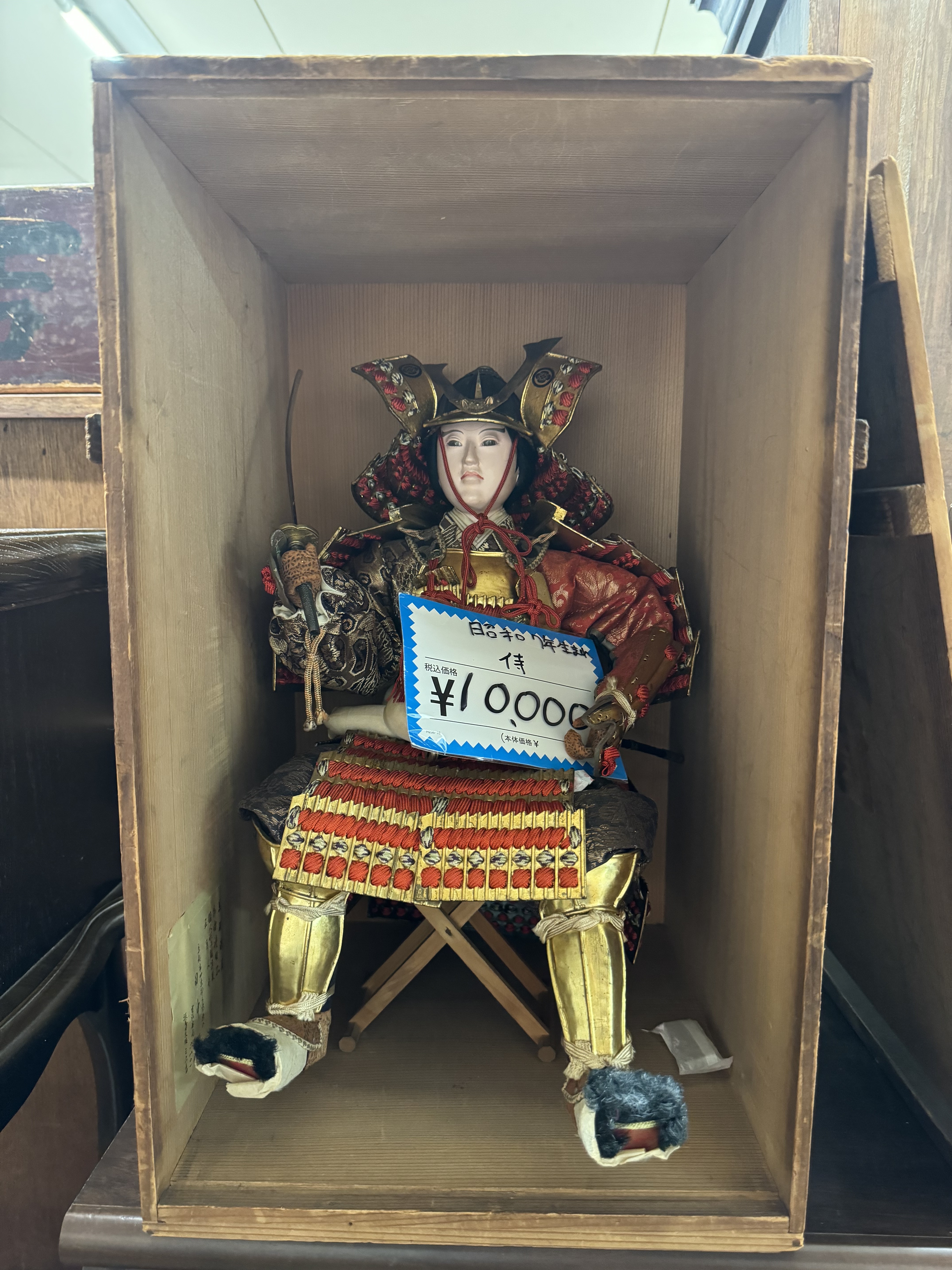
1. Interest in History and Culture: Japanese antiques are rich with history and culture, offering people the chance to connect with Japan’s past and traditions. Items crafted during the Edo and Meiji periods, in particular, allow people to appreciate traditional Japanese craftsmanship, making them especially popular among history enthusiasts.
2. Value of Craftsmanship: Japanese antiques showcase intricate craftsmanship in their details, offering a handmade beauty that sets them apart from modern mass-produced items. Lacquerware, ceramics, and tea utensils, in particular, demonstrate high levels of skill, and their quality is highly valued.
3. Sustainability and Ecology: Antiques promote sustainability by reusing existing items, making them an environmentally friendly choice. In Japan, the philosophy of "mottainai" (not letting things go to waste) is deeply rooted, and antique shops align with this mindset.
4. Uniqueness and Individuality: Many antiques are one-of-a-kind, possessing a unique beauty and history that make them appealing to people who value individuality. When used in home interiors, antiques can dramatically change the atmosphere of a room, which adds to their popularity.
5. Hobby of Collecting: Collecting antiques is also a popular hobby, with many people enjoying the process of gathering items from specific periods, artists, or styles.