

In the complex world of modern IT infrastructure, effective management and monitoring are critical to ensuring the reliability, performance, and security of business-critical systems and applications. Two key tools in the IT management arsenal are rack diagram tools and network monitoring systems.
Rack diagram tools, also known as server rack design tools, are software applications that allow IT teams to visually design, document, and manage the physical layout of their server racks and other IT equipment. These tools provide a clear, accurate, and up-to-date representation of the hardware components and connections within a data center or server room.
Network monitoring systems, on the other hand, are tools that allow IT teams to monitor the performance, availability, and security of their network infrastructure in real-time. These systems collect data from various network devices and applications, analyze that data to identify potential issues or anomalies, and alert IT staff when problems arise.While rack diagram tools and network monitoring systems are often used independently, integrating these two types of tools can provide significant benefits for IT organizations.
By combining the visual representation and documentation capabilities of rack diagram tools with the real-time monitoring and alerting features of network monitoring systems, IT teams can gain a more comprehensive, holistic view of their infrastructure, and respond more quickly and effectively to potential issues.
In this in-depth article, we'll explore the key benefits and challenges of integrating rack diagram tools with network monitoring systems. We'll look at some of the most popular tools and platforms in each category, and provide practical guidance and best practices for achieving a successful integration. We'll also examine some real-world case studies of organizations that have successfully integrated these tools, and the benefits they have achieved as a result.Whether you're an IT manager, system administrator, or network engineer, this article will provide you with valuable insights and actionable advice for leveraging the power of rack diagram tools and network monitoring systems to optimize your IT operations. Let's dive in!
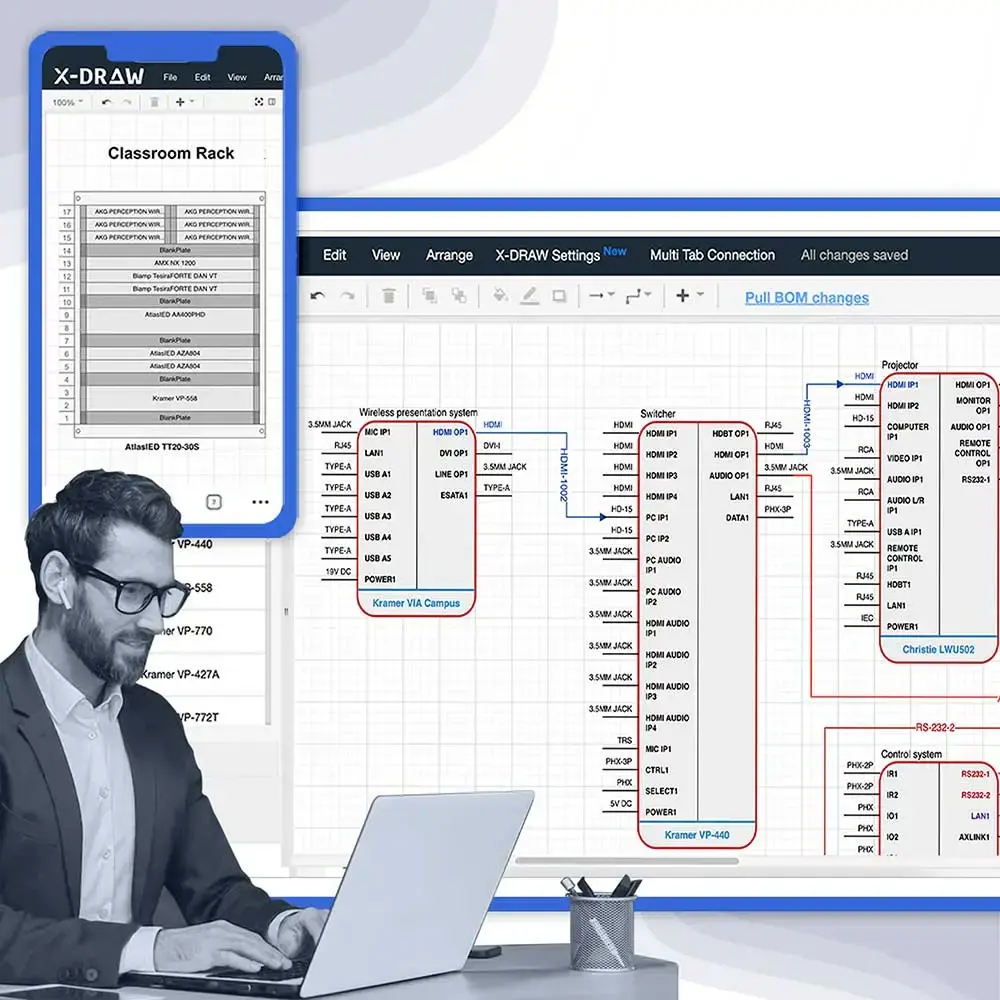
The Importance of Integrating Rack Diagram Tools with Network Monitoring Systems
Before we explore the specific benefits and challenges of integrating rack diagram tools with network monitoring systems, let's take a step back and consider why this integration is so important in the first place.
1. Holistic View of IT Infrastructure One of the primary benefits of integrating rack diagram tools with network monitoring systems is the ability to gain a more holistic, comprehensive view of your IT infrastructure. By combining the visual representation and documentation capabilities of rack diagram tools with the real-time performance and availability data provided by network monitoring systems, IT teams can develop a more complete understanding of how their physical and logical infrastructure components are interconnected and interdependent.This holistic view can help IT teams identify potential points of failure, capacity constraints, or performance bottlenecks that might not be apparent when looking at rack diagrams or network monitoring data in isolation. For example, by correlating network performance data with the physical location and connectivity of servers and switches in a rack diagram, IT teams can more easily identify and troubleshoot issues related to cable management, power distribution, or cooling.
2. Faster Problem Resolution Another key benefit of integrating rack diagram tools with network monitoring systems is the ability to resolve problems more quickly and efficiently. When an issue arises with a particular device or application, IT teams can use the real-time data provided by network monitoring systems to quickly identify the source of the problem and its potential impact on other systems.By cross-referencing this data with the physical layout and connectivity information provided by rack diagram tools, IT teams can more easily pinpoint the specific hardware components or cables that may be causing the issue, and dispatch technicians or engineers to the appropriate location to resolve the problem.This faster problem resolution can help minimize downtime, reduce the impact of outages or performance degradations on end-users, and ultimately improve the overall reliability and availability of IT services.
3. Improved Capacity Planning and Asset Management Integrating rack diagram tools with network monitoring systems can also help IT teams better plan for future capacity needs and manage their physical infrastructure assets more effectively. By combining the visual layout and documentation features of rack diagram tools with the usage and performance data provided by network monitoring systems, IT teams can more accurately forecast future capacity requirements and make informed decisions about hardware upgrades, replacements, or additions.For example, by analyzing network traffic data and identifying trends in resource utilization over time, IT teams can use rack diagram tools to model different scenarios for adding new servers, storage devices, or network switches to their infrastructure. They can then use these models to estimate the physical space, power, and cooling requirements for these new devices, and ensure that their existing racks and facilities can accommodate the planned growth.In addition, by maintaining accurate and up-to-date rack diagrams that reflect the current state of their physical infrastructure, IT teams can more easily track and manage their hardware assets throughout their lifecycle. They can use rack diagrams to document the location, configuration, and maintenance history of each device, and use this information to support activities like asset audits, warranty tracking, and end-of-life planning.
4. Enhanced Collaboration and Communication Finally, integrating rack diagram tools with network monitoring systems can help enhance collaboration and communication among IT teams and stakeholders. By providing a common, visual language for representing the physical and logical components of IT infrastructure, rack diagrams can help bridge the gap between different groups and roles within an IT organization, such as network engineers, system administrators, facilities managers, and business leaders.When combined with the real-time data and alerts provided by network monitoring systems, rack diagrams can serve as a powerful tool for facilitating discussions and decision-making about IT operations and strategy. For example, IT teams can use rack diagrams to visually illustrate the impact of proposed changes or upgrades to their infrastructure, and use network monitoring data to quantify the potential risks and benefits of these changes.In addition, by integrating rack diagram tools with collaboration and communication platforms like Slack, Microsoft Teams, or ServiceNow, IT teams can more easily share and discuss rack diagrams and network monitoring data with remote colleagues, vendors, or customers. This can help streamline troubleshooting and problem resolution, reduce the risk of miscommunication or errors, and ultimately improve the overall efficiency and effectiveness of IT operations.
Key Considerations for Integrating Rack Diagram Tools with Network Monitoring Systems
While the benefits of integrating rack diagram tools with network monitoring systems are clear, achieving a successful integration requires careful planning and consideration of several key factors. In this section, we'll explore some of the most important considerations and best practices for integrating these two types of tools.
1. Data Synchronization and Accuracy
One of the most critical aspects of integrating rack diagram tools with network monitoring systems is ensuring that the data between the two systems is accurate, consistent, and up-to-date. This requires careful planning and implementation of data synchronization processes and protocols.Some key considerations for data synchronization include:
Frequency of updates: How often do rack diagrams need to be updated to reflect changes in the physical infrastructure, such as the addition or removal of devices, or changes to cable connections? Similarly, how frequently does network monitoring data need to be refreshed to provide an accurate picture of real-time performance and availability?
Data sources and formats: What are the primary sources of data for each system, and what formats are used to store and exchange that data? Are there any compatibility issues or data translation requirements that need to be addressed?
Automation and scripting: Can data synchronization processes be automated using scripts, APIs, or other tools to reduce manual effort and ensure consistency? What level of customization or configuration is required to implement these automation workflows?
Error handling and validation: How are data errors, inconsistencies, or discrepancies identified and resolved between the two systems? What validation checks or quality assurance processes are in place to ensure the accuracy and integrity of the synchronized data?
By carefully addressing these data synchronization considerations, IT teams can ensure that their rack diagram tools and network monitoring systems are working together seamlessly to provide a accurate and reliable view of their infrastructure.
2. Integration Architecture and APIs
Another key consideration for integrating rack diagram tools with network monitoring systems is the underlying architecture and APIs used to connect and exchange data between the two types of tools. The specific integration approach will depend on the capabilities and requirements of each tool, as well as the overall IT environment and ecosystem.Some common integration architectures and approaches include:
Direct database integration: Some rack diagram tools and network monitoring systems may store their data in compatible databases, such as MySQL, PostgreSQL, or Microsoft SQL Server. In these cases, it may be possible to directly integrate the two systems by configuring them to read and write data to the same database tables or views.
API-based integration: Many modern rack diagram tools and network monitoring systems expose APIs (Application Programming Interfaces) that allow external systems to programmatically access and manipulate their data and functionality. By leveraging these APIs, IT teams can build custom integration workflows and scripts to synchronize data between the two systems, trigger automated actions based on specific events or conditions, or embed rack diagrams and network monitoring data into other applications or dashboards.
Middleware and ESB integration: In some cases, IT teams may use middleware platforms or Enterprise Service Buses (ESBs) to facilitate the integration between rack diagram tools and network monitoring systems. These platforms provide a centralized, abstracted layer for managing and orchestrating data flows and interactions between different systems, and can help simplify the integration process by providing pre-built connectors, adapters, and transformation tools.
Hybrid and custom approaches: Depending on the specific requirements and constraints of their IT environment, teams may also choose to implement hybrid or custom integration approaches that combine elements of different architectures and tools. For example, they may use a combination of direct database integration and API-based workflows to synchronize data between their rack diagram tools and network monitoring systems, while also leveraging middleware platforms to handle more complex data transformations and business logic.
Regardless of the specific integration approach chosen, it's important for IT teams to carefully evaluate the capabilities and limitations of their tools' APIs and integration interfaces, and to design their integration architecture in a way that is scalable, maintainable, and aligned with their overall IT strategy and goals.
3. Security and Access Control
Another critical consideration when integrating rack diagram tools with network monitoring systems is ensuring the security and integrity of the data and systems involved. This requires careful planning and implementation of access control, authentication, and authorization mechanisms to prevent unauthorized access, modification, or disclosure of sensitive information.Some key security considerations for integration include:
User authentication and single sign-on: How are users authenticated and authorized to access the rack diagram tools and network monitoring systems? Is there a centralized user directory or identity management system that can be leveraged for single sign-on (SSO) across both tools?
Role-based access control: What level of granularity is required for controlling user access to specific features, data, or actions within each tool? Can role-based access control (RBAC) be implemented to ensure that users only have access to the resources and permissions they need to perform their job functions?
Data encryption and secure communication: How is data encrypted and protected as it is exchanged between the rack diagram tools and network monitoring systems? Are secure communication protocols, such as HTTPS or SSL/TLS, used to encrypt data in transit and prevent eavesdropping or tampering?
Auditing and logging: Are user actions and system events logged and audited to provide a record of who accessed what data and when? Can these audit logs be centrally collected, analyzed, and correlated to detect potential security breaches or anomalies?
By carefully addressing these security considerations and implementing appropriate access control and data protection measures, IT teams can ensure that their integrated rack diagram and network monitoring environment is secure, compliant, and resilient against potential threats or vulnerabilities.
4. Scalability and Performance
Finally, when integrating rack diagram tools with network monitoring systems, it's important to consider the scalability and performance implications of the integration architecture and data flows. As the size and complexity of IT infrastructures continue to grow, the volume and velocity of data being exchanged between these tools can become a significant bottleneck or point of failure.To ensure that the integrated environment can scale and perform efficiently, IT teams should consider the following factors:
Data volume and velocity: How much data needs to be exchanged between the rack diagram tools and network monitoring systems, and how frequently does that data need to be updated? Can the integration architecture and data synchronization processes handle the expected data volumes and velocities without impacting the performance or reliability of either tool?
Network bandwidth and latency: Are there any network bandwidth or latency constraints that could impact the performance of the integrated environment? Can data compression, caching, or other optimization techniques be used to reduce the amount of data being transferred over the network?
Processing and storage capacity: Do the servers and storage systems hosting the rack diagram tools and network monitoring systems have sufficient processing power, memory, and disk space to handle the additional workload and data storage requirements of the integration? Can these systems be scaled horizontally or vertically to accommodate future growth and demand?
Monitoring and troubleshooting: Are there adequate monitoring and troubleshooting tools in place to detect and diagnose performance issues or bottlenecks in the integrated environment? Can alerts and notifications be configured to proactively notify IT teams when performance thresholds or capacity limits are being approached?
By carefully considering these scalability and performance factors and designing the integration architecture and data flows accordingly, IT teams can ensure that their integrated rack diagram and network monitoring environment can keep pace with the growth and complexity of their IT infrastructure over time.
Case Studies
To illustrate the real-world benefits and challenges of integrating rack diagram tools with network monitoring systems, let's look at a few case studies from organizations that have successfully implemented these integrations.
Case Study 1: Global Financial Services Firm
A global financial services firm with a complex, distributed IT infrastructure spanning multiple data centers and regions was struggling to maintain accurate and up-to-date documentation of their physical server and network layouts. The firm's IT team was using a combination of spreadsheets, Visio diagrams, and manual processes to track and manage their rack configurations, which was time-consuming, error-prone, and made it difficult to troubleshoot issues or plan for capacity growth.To address these challenges, the firm decided to implement a cloud-based rack diagram tool that could integrate with their existing network monitoring system.
The integration was designed to automatically synchronize data between the two systems, so that any changes to the physical infrastructure detected by the network monitoring system would be reflected in the rack diagrams, and vice versa.The integration was achieved using a combination of APIs and scripting, with data being exchanged between the two systems on a regular schedule. The rack diagram tool was configured to pull device inventory and connectivity data from the network monitoring system, while the network monitoring system was configured to receive alerts and notifications from the rack diagram tool when changes were made to the physical layout.As a result of this integration, the firm was able to:
Reduce the time and effort required to maintain accurate rack diagrams by over 50%, freeing up IT staff to focus on more strategic tasks
Improve the speed and accuracy of troubleshooting and root cause analysis by providing a visual representation of the physical infrastructure that could be correlated with real-time performance and event data from the network monitoring system
Optimize capacity planning and forecasting by using the integrated data to model different growth scenarios and identify potential bottlenecks or constraints in the physical infrastructure
Enhance collaboration and communication between different IT teams and stakeholders by providing a common, up-to-date view of the physical infrastructure that could be easily shared and discussed
Case Study 2: Large Telecommunications Provider
A large telecommunications provider with a nationwide network of data centers and points of presence (PoPs) was using a legacy, siloed approach to managing their physical infrastructure documentation and network monitoring. Each data center had its own set of rack diagrams and spreadsheets, which were maintained by local IT staff and rarely shared or synchronized with other sites. At the same time, the provider had multiple network monitoring tools in place, each focused on a specific domain or technology, with little integration or correlation between them.
To improve the efficiency and effectiveness of their infrastructure management processes, the provider decided to implement a unified, centralized approach to rack documentation and network monitoring. They selected a web-based rack diagram tool that could be accessed and updated by IT staff across all sites, and a comprehensive network monitoring platform that could integrate data from multiple sources and provide end-to-end visibility into the health and performance of the network.The integration between the two systems was achieved using a middleware platform that acted as a central hub for data exchange and transformation.
The middleware platform was configured to collect data from the network monitoring system on a regular basis, normalize and enrich that data, and then push it to the rack diagram tool for visualization and analysis. In turn, the rack diagram tool was configured to send alerts and notifications to the middleware platform whenever changes were made to the physical infrastructure, which could then be propagated to the network monitoring system and other downstream tools and processes.As a result of this integration, the telecommunications provider was able to:
Standardize and centralize their physical infrastructure documentation across all sites, reducing duplication of effort and ensuring that all stakeholders had access to the same, up-to-date information
Improve the accuracy and completeness of their network monitoring data by incorporating physical connectivity and location information from the rack diagrams
Streamline troubleshooting and problem resolution by providing a unified view of the logical and physical topology of the network, enabling faster isolation and diagnosis of issues
Optimize capacity planning and resource allocation by using the integrated data to identify trends and patterns in network utilization and growth, and proactively plan for future expansions or upgrades
Enhance compliance and audit readiness by maintaining a complete, auditable record of all changes to the physical infrastructure and network configuration over time
Case Study 3: Medium-sized Enterprise
A medium-sized enterprise with a growing IT infrastructure and limited staff was struggling to keep up with the demands of managing their server and network equipment. The company had a small data center with a few dozen racks, but no formal process or tool for documenting the physical layout and connectivity of their devices. They also had a basic network monitoring system in place, but it was not well-integrated with their other IT management tools and processes.To address these challenges, the company decided to implement a simple, low-cost rack diagram tool that could be easily adopted by their existing IT staff. They chose a cloud-based solution that offered a user-friendly, drag-and-drop interface for creating and editing rack diagrams, as well as built-in templates and libraries for common devices and configurations.
To integrate the rack diagram tool with their network monitoring system, the company used a simple API-based approach. The rack diagram tool was configured to expose a REST API that could be called by the network monitoring system to retrieve information about the physical location and connectivity of devices. In turn, the network monitoring system was configured to use this information to enrich its alerts and notifications with contextual data about the affected devices and their relationships to other components in the infrastructure.
As a result of this integration, the company was able to:
Quickly and easily document the physical layout and connectivity of their server and network equipment, without requiring specialized skills or tools
Improve the accuracy and relevance of their network monitoring alerts by incorporating information about the physical location and relationships of affected devices
Reduce the time and effort required to troubleshoot and resolve issues by providing a clear, visual representation of the infrastructure that could be used to guide and prioritize response efforts
Enhance communication and collaboration between IT staff and other stakeholders by providing a common, accessible view of the physical infrastructure that could be easily shared and discussed
While this integration was relatively simple compared to the other case studies, it demonstrates how even small and medium-sized organizations can benefit from integrating their rack diagram tools with their network monitoring systems, using lightweight, cost-effective approaches that align with their specific needs and constraints.
Frequently Asked Questions
1. What are the key benefits of integrating rack diagram tools with network monitoring systems?
The key benefits of integrating rack diagram tools with network monitoring systems include:
Improved accuracy and completeness of infrastructure documentation
Faster and more efficient troubleshooting and problem resolution
Better capacity planning and resource optimization
Enhanced collaboration and communication between IT teams and stakeholders
2. What are the main challenges of integrating rack diagram tools with network monitoring systems?
The main challenges of integrating rack diagram tools with network monitoring systems include:
Ensuring data consistency and synchronization between the two systems
Managing access control and security for the integrated data and tools
Scaling the integration to handle large and complex IT environments
Choosing the right integration approach and tools for the specific needs and constraints of the organization
3. What are some common integration approaches for rack diagram tools and network monitoring systems?
Some common integration approaches for rack diagram tools and network monitoring systems include:
API-based integration using REST or other web service protocols
Middleware-based integration using platforms like ESBs or iPaaS
Direct database integration using SQL or other query languages
Custom scripting and automation using tools like Python or PowerShell
4. How can organizations ensure the security and integrity of their integrated rack diagram and network monitoring data?
To ensure the security and integrity of their integrated rack diagram and network monitoring data, organizations should:
Implement strong access control and authentication mechanisms for the integrated tools and data
Use encryption and secure communication protocols to protect data in transit and at rest
Regularly monitor and audit access to the integrated data and tools to detect and respond to potential security incidents
Follow best practices for data backup, disaster recovery, and business continuity planning
5. What are some best practices for designing and implementing an integration between rack diagram tools and network monitoring systems?
Some best practices for designing and implementing an integration between rack diagram tools and network monitoring systems include:
Clearly define the goals and requirements for the integration, including the specific data and workflows that need to be supported
Choose integration tools and approaches that align with the organization's existing skills, processes, and technologies
Start with a small, focused pilot project to validate the integration approach and identify potential issues or challenges
Involve all relevant stakeholders in the design and testing of the integration, including IT staff, business users, and external partners or vendors
Establish clear roles, responsibilities, and processes for managing and maintaining the integrated environment over time
6. How can organizations measure the success and ROI of their rack diagram and network monitoring integration?
To measure the success and ROI of their rack diagram and network monitoring integration, organizations can track metrics such as:
Reduction in time and effort required to maintain accurate infrastructure documentation
Improvement in mean time to resolution (MTTR) for network and infrastructure issues
Increase in infrastructure utilization and capacity planning efficiency
Reduction in unplanned downtime and service interruptions
Improvement in user satisfaction and productivity due to more reliable and performant IT services
7. What are some common pitfalls or mistakes to avoid when integrating rack diagram tools with network monitoring systems?
Some common pitfalls or mistakes to avoid when integrating rack diagram tools with network monitoring systems include:
Underestimating the complexity and effort required to design, implement, and maintain the integration
Failing to establish clear data governance and quality standards for the integrated data
Neglecting to test and validate the integration thoroughly before deploying it to production
Overloading the integrated environment with too much data or too many workflows, leading to performance and scalability issues
Ignoring the need for ongoing training, support, and maintenance of the integrated tools and processes
8. How can organizations future-proof their rack diagram and network monitoring integration to support evolving needs and technologies?
To future-proof their rack diagram and network monitoring integration, organizations can:
Choose flexible, modular, and standards-based integration approaches that can adapt to changing requirements and technologies over time
Regularly review and update the integration architecture and tools to ensure alignment with the organization's overall IT strategy and roadmap
Foster a culture of continuous improvement and innovation, encouraging IT staff to experiment with new technologies and approaches that can enhance the value and efficiency of the integration
Invest in ongoing training and skills development for IT staff to ensure they have the knowledge and expertise needed to support and evolve the integrated environment over time
Conclusion
In today's fast-paced, ever-changing IT landscape, the ability to effectively manage and monitor complex infrastructure environments is critical to the success and competitiveness of modern organizations. By integrating rack diagram tools with network monitoring systems, IT teams can gain a more holistic, accurate, and actionable view of their physical and logical infrastructure, enabling them to optimize performance, minimize downtime, and make better-informed decisions about capacity planning and resource allocation.
As the case studies in this article demonstrate, organizations of all sizes and types can benefit from rack diagram and network monitoring integration, using a variety of approaches and tools that align with their specific needs and constraints. Whether using simple API-based integration, sophisticated middleware platforms, or custom scripting and automation, the key is to design and implement an integration architecture that is flexible, scalable, and secure, and that can evolve and adapt over time as the organization's needs and technologies change.Of course, integrating rack diagram tools with network monitoring systems is not without its challenges and risks.
IT teams must carefully plan and execute their integration strategies, taking into account factors such as data consistency, access control, performance, and scalability. They must also establish clear processes and responsibilities for managing and maintaining the integrated environment over time, and continuously monitor and measure the success and ROI of their efforts.Ultimately, the value and impact of rack diagram and network monitoring integration will depend on the skills, creativity, and dedication of the IT professionals who design, implement, and support these solutions.
By staying up-to-date with the latest tools, technologies, and best practices, and by fostering a culture of collaboration, experimentation, and continuous improvement, these professionals can help their organizations unlock the full potential of their IT infrastructure and deliver better, faster, and more reliable services to their users and customers.As the IT landscape continues to evolve and new challenges and opportunities emerge, the importance of effective infrastructure management and monitoring will only continue to grow. By embracing the power of rack diagram and network monitoring integration, and by staying agile, adaptable, and innovative in their approach, IT teams can position their organizations for success in the digital age, and help drive the next wave of business and technological transformation.