

Introduction
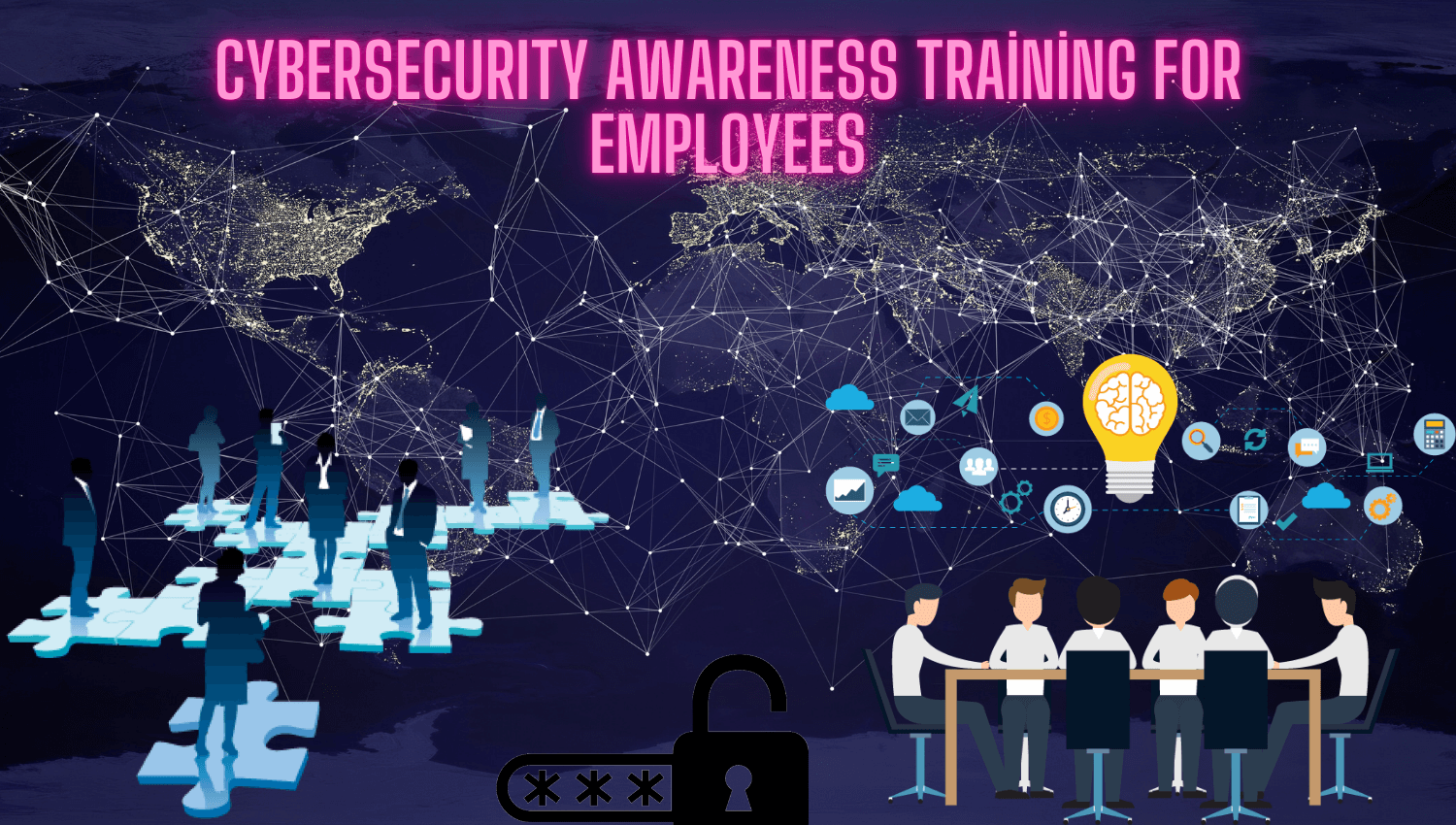
In an increasingly digital world, the threats posed by cyberattacks are more significant than ever. It's not just the responsibility of IT professionals to safeguard company assets—every employee must be aware of the risks and how to defend against them. Cybersecurity awareness training empowers employees to recognize threats and adopt practices that protect both personal and organizational information. In this article, we’ll explore key areas of cybersecurity, focusing on threat recognition, secure behavior, and social engineering defense.
Learning Objectives
By the end of this article, you should be able to:
Identify the most common cyber threats and their potential impact on your organization.
Implement best practices for creating and managing strong, secure passwords.
Understand the principles of data protection and how to maintain privacy in your work environment.
Recognize and respond to social engineering attacks that aim to exploit human vulnerabilities.
Understanding Cybersecurity
Cybersecurity encompasses the technologies, processes, and practices designed to protect networks, devices, and data from attack, damage, or unauthorized access. In a world where digital information is a key asset, the importance of cybersecurity cannot be overstated. Awareness training is a fundamental component of a robust cybersecurity strategy, equipping employees with the knowledge to identify and respond to threats such as malware, ransomware, and phishing.
Social Engineering Attacks
Social engineering is a tactic used by cybercriminals to manipulate individuals into divulging confidential information or performing actions that compromise security. These attacks are often subtle, exploiting trust and curiosity. Some common forms include:
Impersonation: Attackers might impersonate a trusted individual, such as a colleague or authority figure, to extract sensitive information.
Phishing Scams: Phishing emails are crafted to look legitimate but are designed to steal credentials or install malicious software.
Social Media Exploitation: Cybercriminals often use information gleaned from social media to tailor their attacks and increase their effectiveness.
Conclusion
Cybersecurity is a collective responsibility that requires vigilance from everyone within an organization. Regular training on cybersecurity best practices helps build a culture of security awareness, ensuring that employees are prepared to defend against the ever-evolving landscape of cyber threats. For more detailed insights and strategies on enhancing cybersecurity awareness in your organization, visit this link.