
GT1 road cars & street versions
The GT1 class was widely known for the street versions. Where at first the idea was to see supercars racing, as soon as manufacturers got involved, it became a game of homologating a race car for the road.
1993: The EARLY cars
Ferrari F40
The F40 philosophy is a race car for the road, and many teams turned to the iconic supercar to make a potent GT race car. After Pozzi attempt to race the F40 in IMSA, the CSAI GT version raced in the Italian Championship in 1993. Later versions were engaged in BPR, and Le Mans until 1996.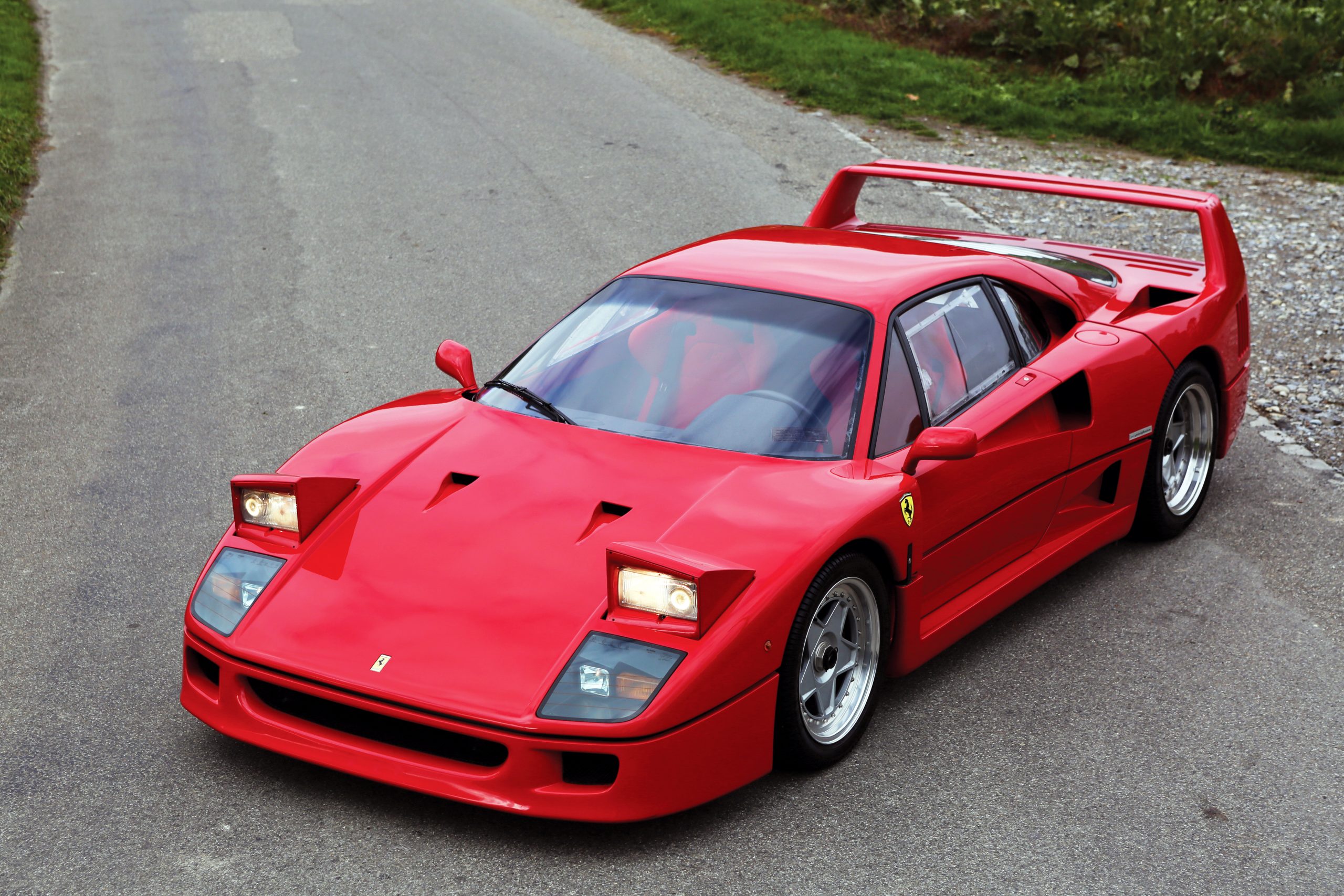 Jaguar XJ220
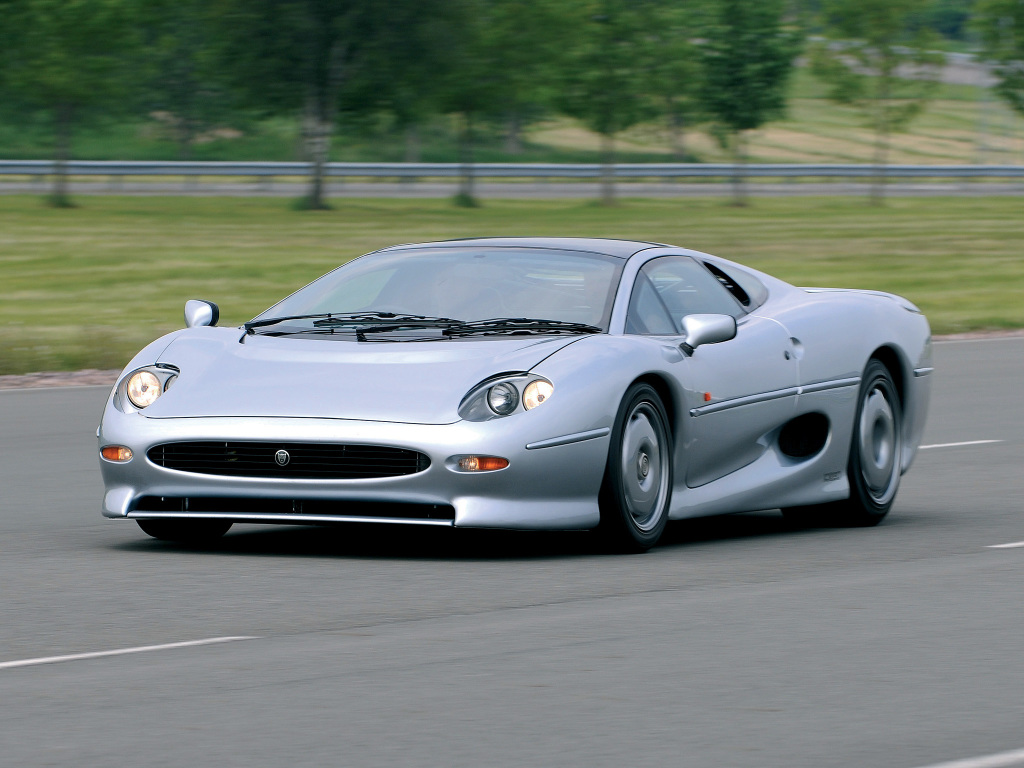
With TWR being in charge of the latest project development, it was logical to see them engaging race cars at Le Mans in 1993. Further privateer efforts saw the car in BPR.
Porsche 911 turbo S
First engaged in the IMSA supercar Championship, the 911 turbo type 964 was heavily modified into the turbo S Leichbau. From this special edition, the 911 turbo S LM raced in IMSA, Le Mans, and in the BPR Championship.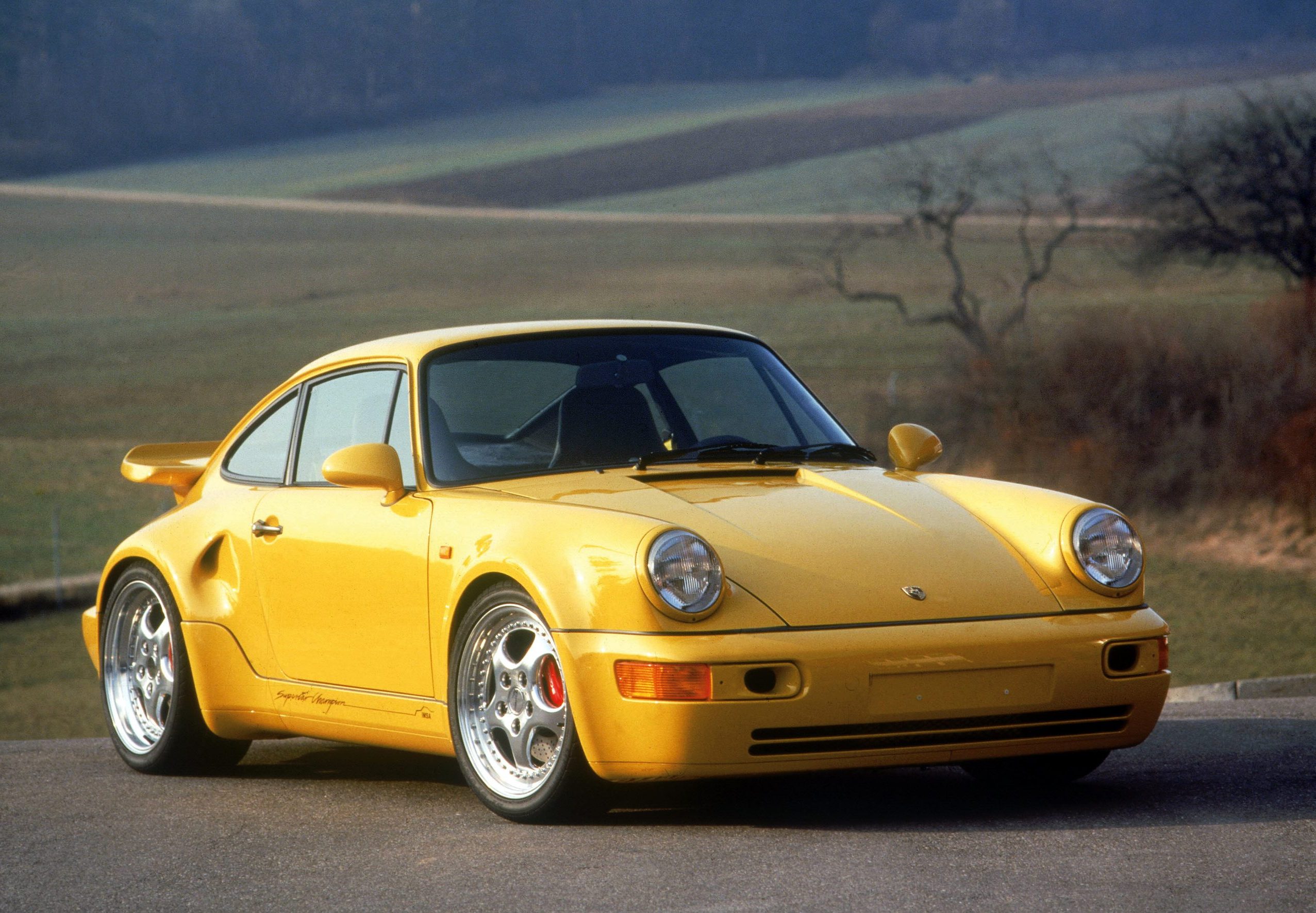
Venturi 400 GT
The French F40 is a development of the Venturi 260 (a competitor to the Porsche 944) with everything turned to 12. It was the base for the Trophy version, in the very popular Venturi Gentlemen Drivers Trophy. From there the power was upgraded for the bigger 500 LM and 600 LM racers.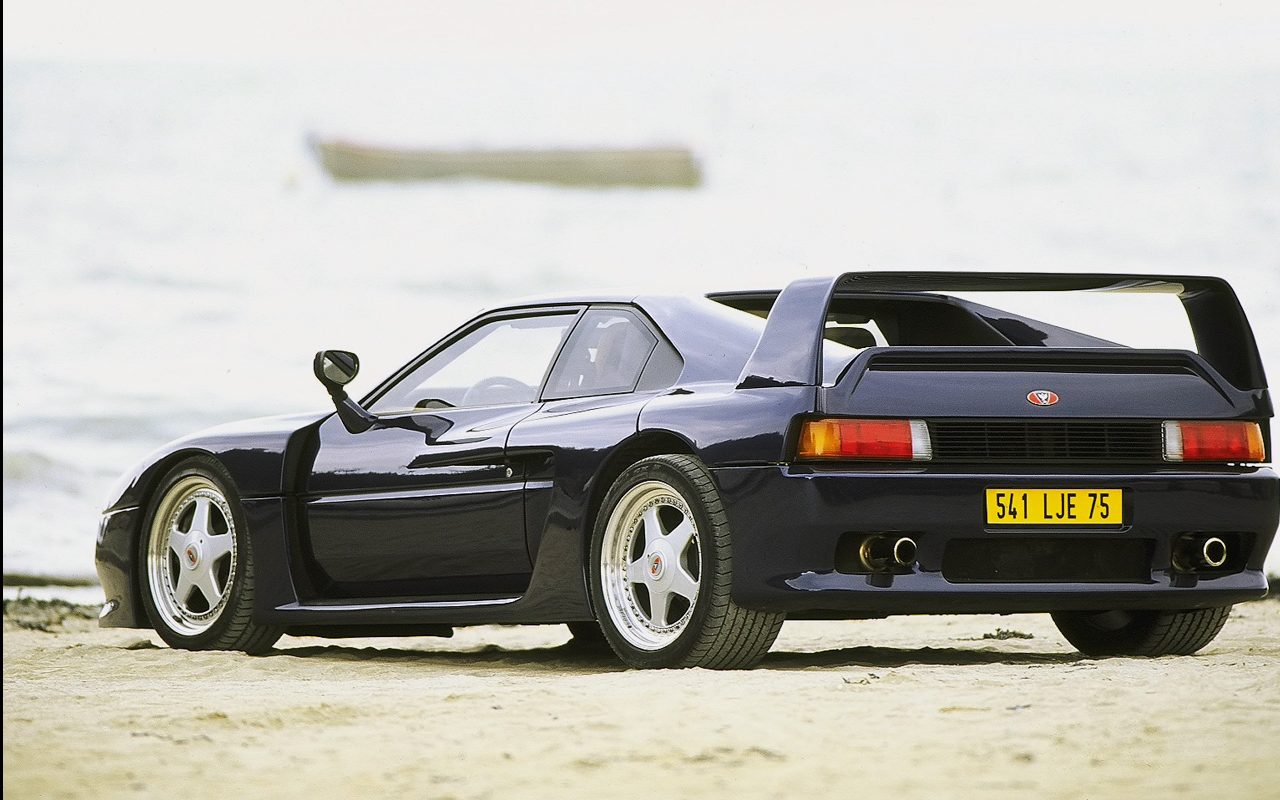
1994: A CHANGE OF PARADIGM
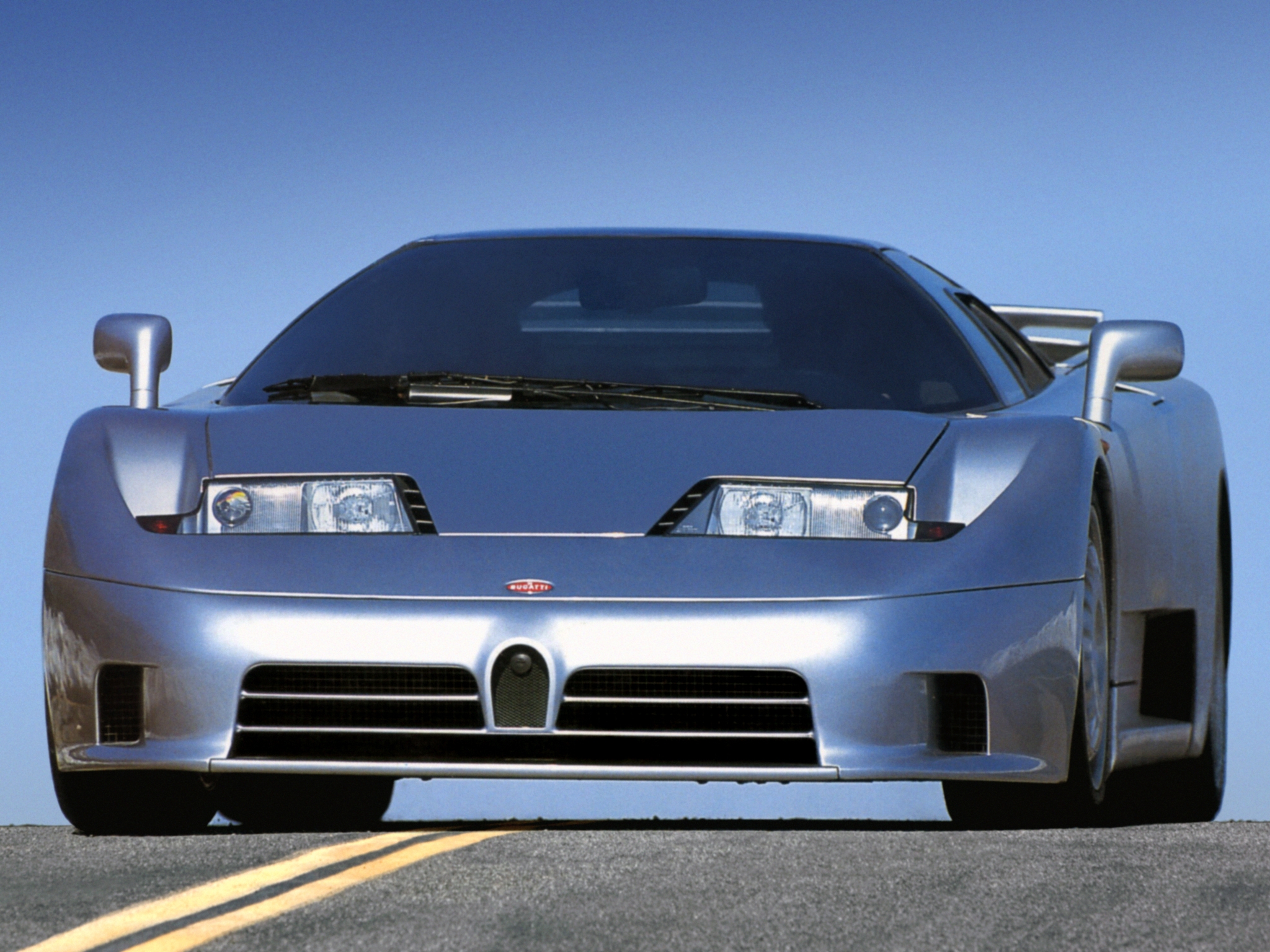
BUGATTI EB110 GT
Emblematic spaceship of the 90’s, Michel Hommel and later Gildo Pastor tried to turn it into a race car. With AWD transmission and too much weight, it was emblematic but never competitive.
DAUER 962 LM
When Porsche was looking for a GT1 to compete at Le Mans for 1994, they thought of the Dauer 962 presented at the Frankfurt Motorshow the previous year, which was basically a Porsche 962 for the road. It took some modifications to adapt it to the new rules, and the ACO wasn’t happy. As per Le Mans rules, a single car had to be build, pictured here.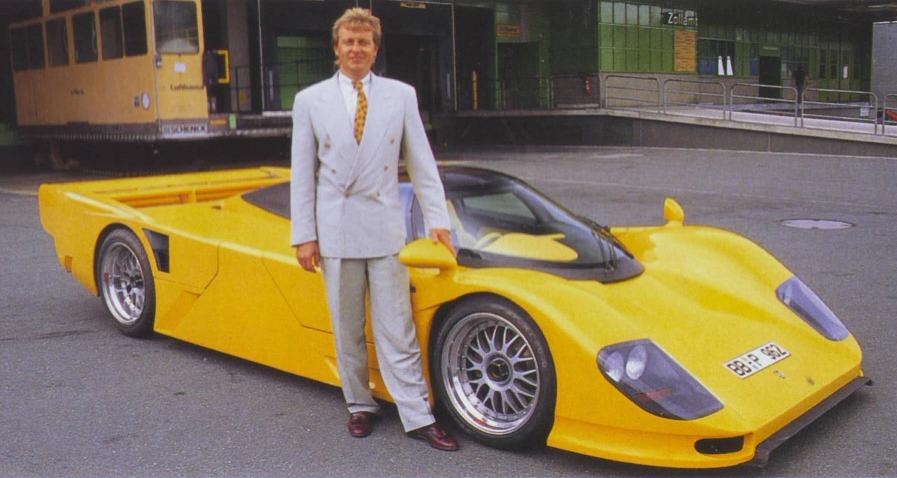
DE TOMASO PANTERA
When ADA Engineering was looking for a cheap, easy to tune, and eligible GT1, they turned to a car first designed in the 70’s – and enhanced in the 90’s! It wasn’t competitive at Le Mans but stormed the BGTC.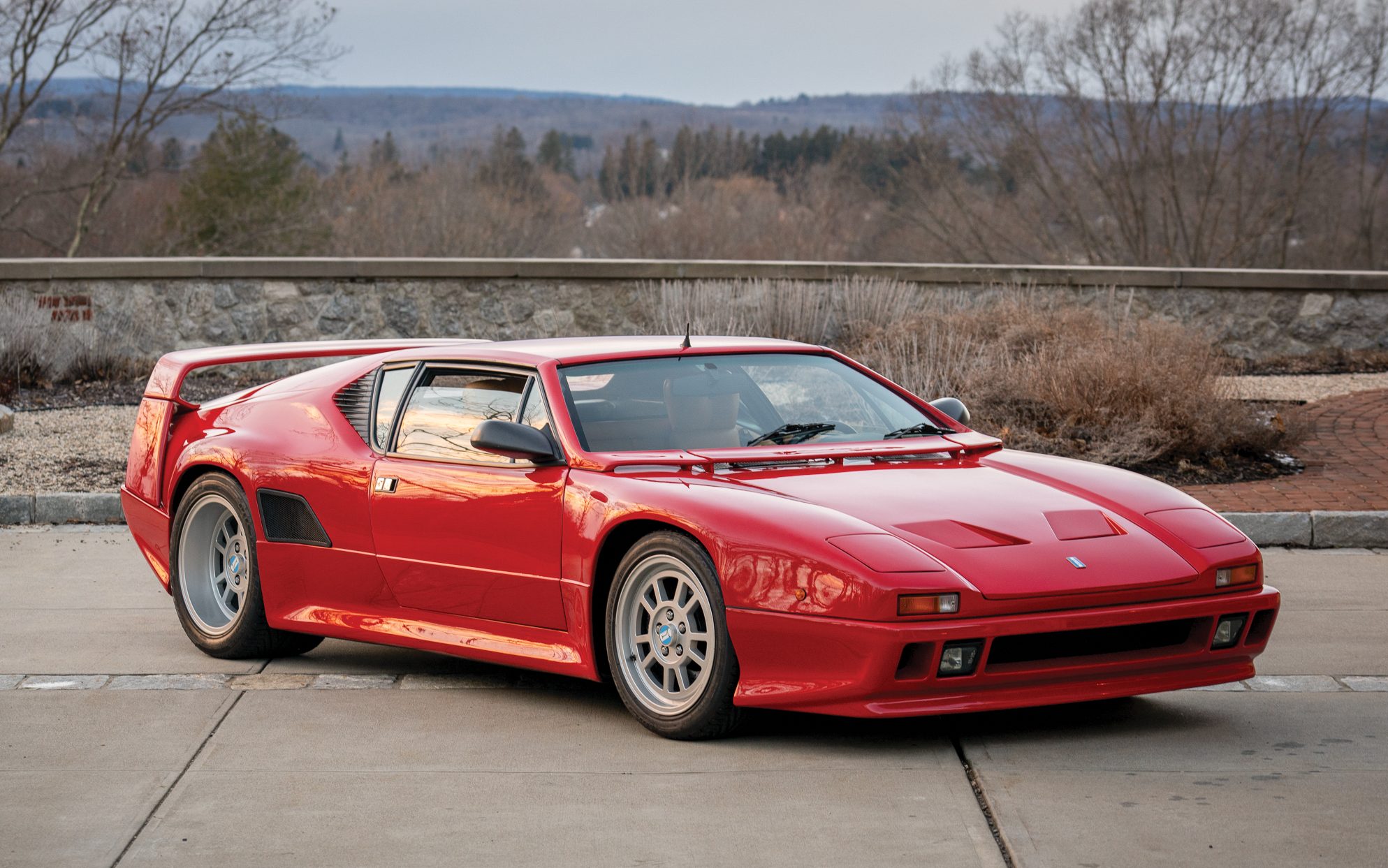
CHRYSLER VIPER RT/10
The first racing Viper was a private initiative based on the original RT/10. Fitted with a roof, two cars competed at Le Mans in 1994, and Later at Daytona. 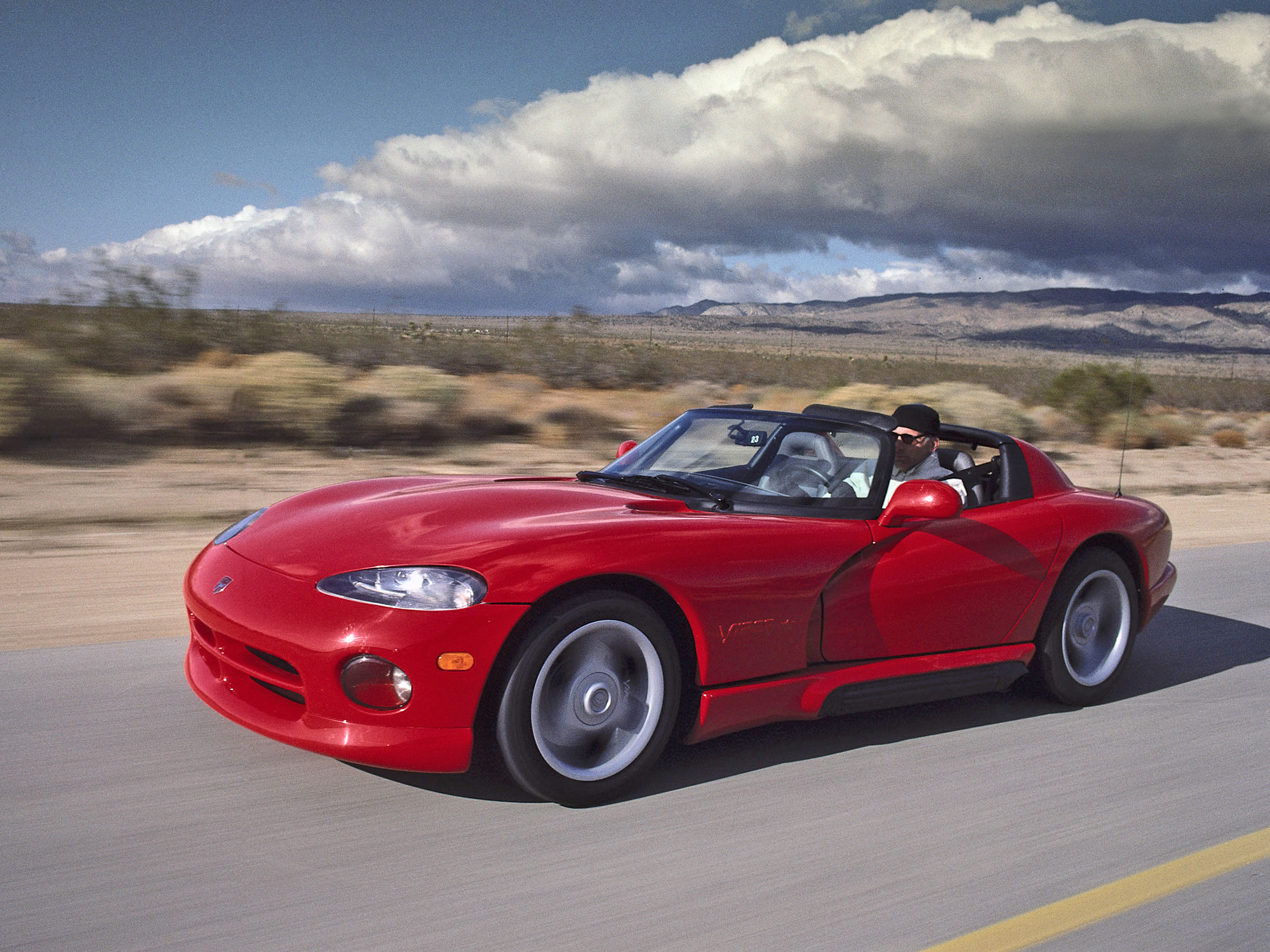
1995: BRITISH DOMINATION
MCLAREN F1
Designed by Gordon Murray, the F1 is a carbon monocoque mid-engined supercar powered by a BMW V12. The main feature is a central driving position, with two passenger seats aside. It would take some lobbying from happy customers to turn into a race car, with its most memorable success being the overall victory at Le Mans.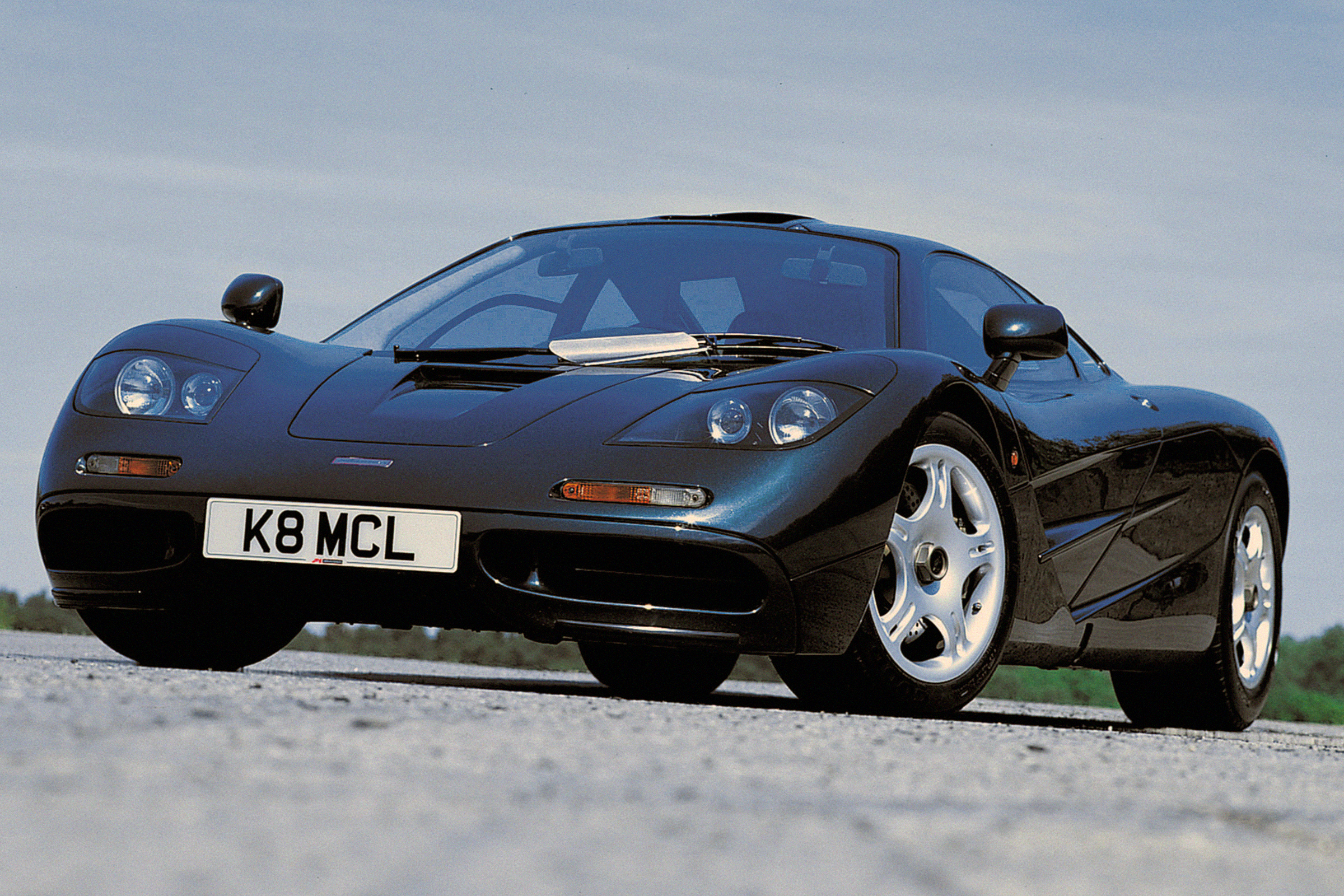
NISMO GT-R LM
With successes in the JGTC, Nissan wanted to engage a Skyline at Le Mans. They ditched the AWD system and fitted a huge bodykit. It would not be enough against cars like the F1.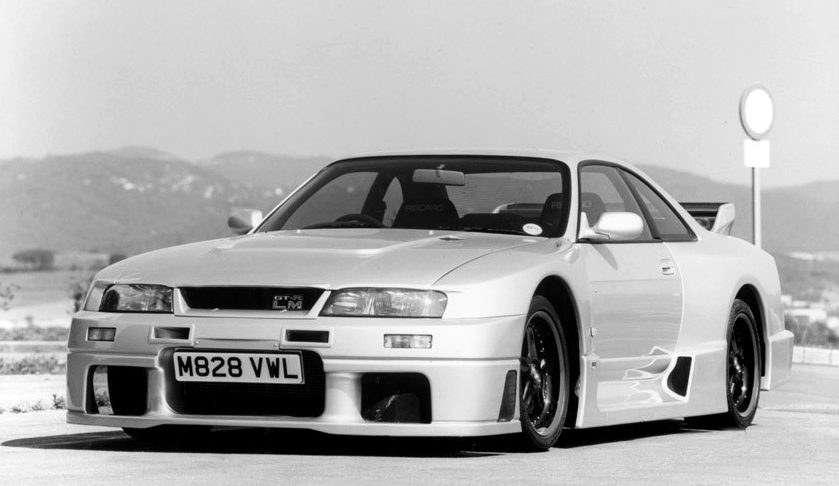
SARD MC8
Another Japanese homologation special. SARD was commissioned by Toyota to run the Supra at Le Mans, but they thought a mid-engined MR2 would be more competitive. Fitted with a Lexus V8, only one version was produced in 1997. A new version emerged in 1998 to homologate the race car changes; again just one was built.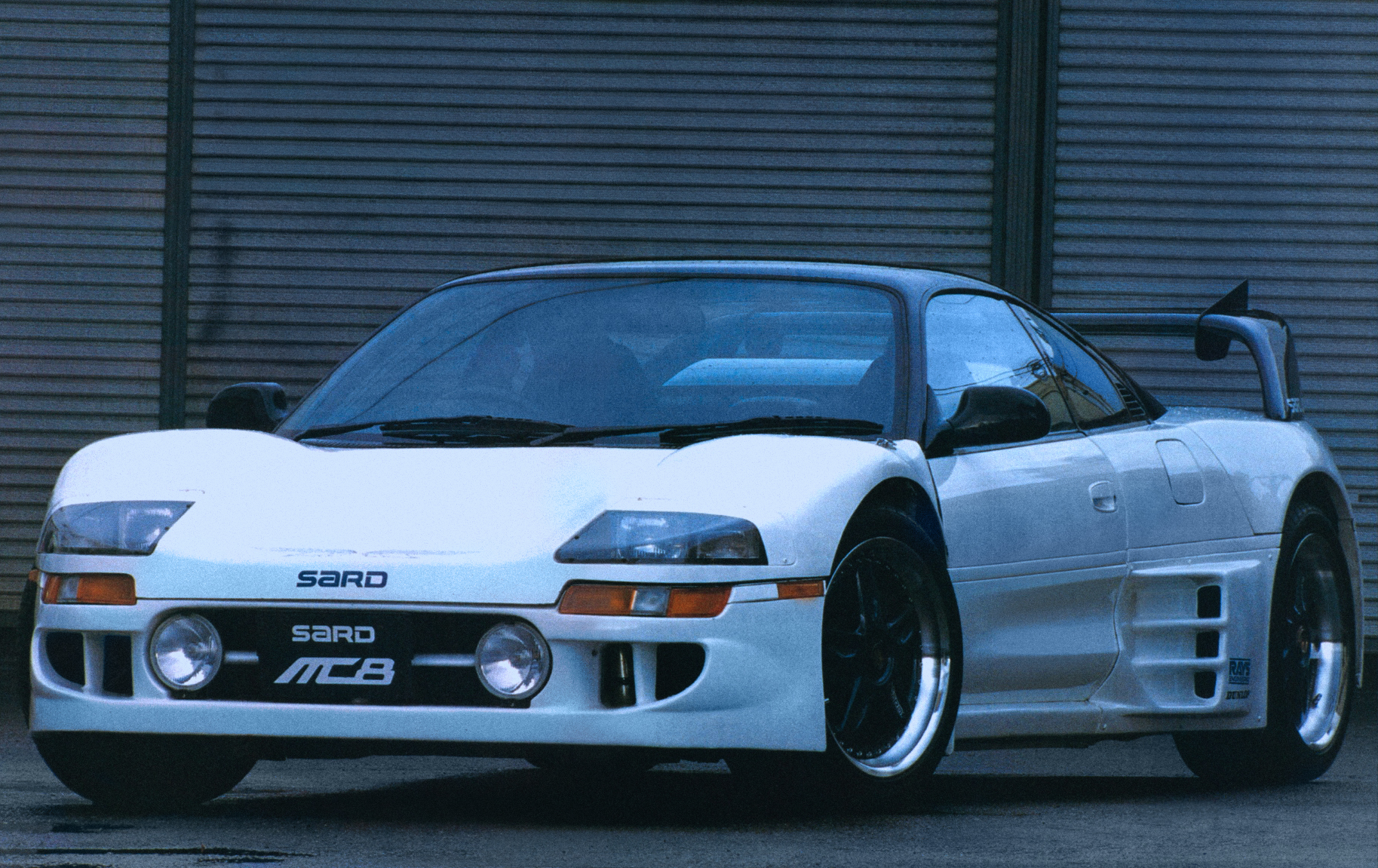
HONDA NSX
After GT2 success at Le Mans, Honda came back with two GT1 versions of its all aluminium sportscar. Sadly no one would conquer Le Mans, and the project was killed after just one year. 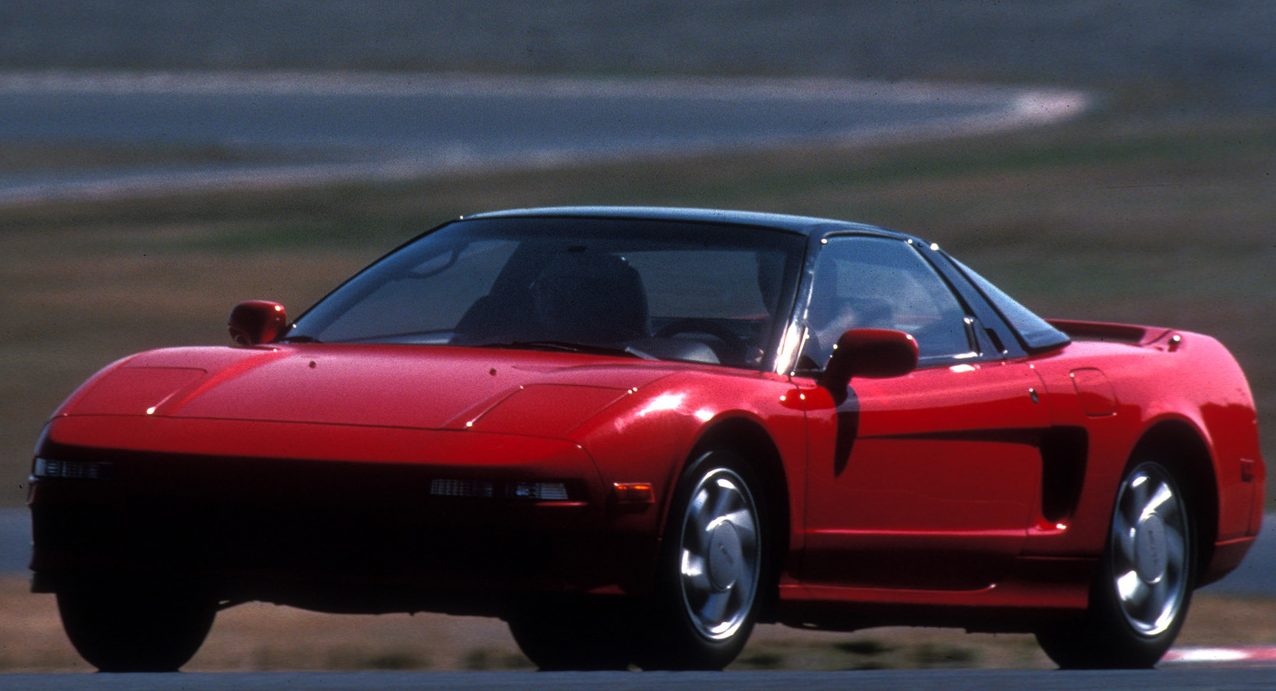
TOYOTA SUPRA
Toyota started from the standard Supra to attempt Le Mans. Like all the Japanese cars, it didn’t stand a chance against the McLaren F1. Two failed attempts (1995 and 1996) would lead to the extreme GT-One which had almost nothing from a road car.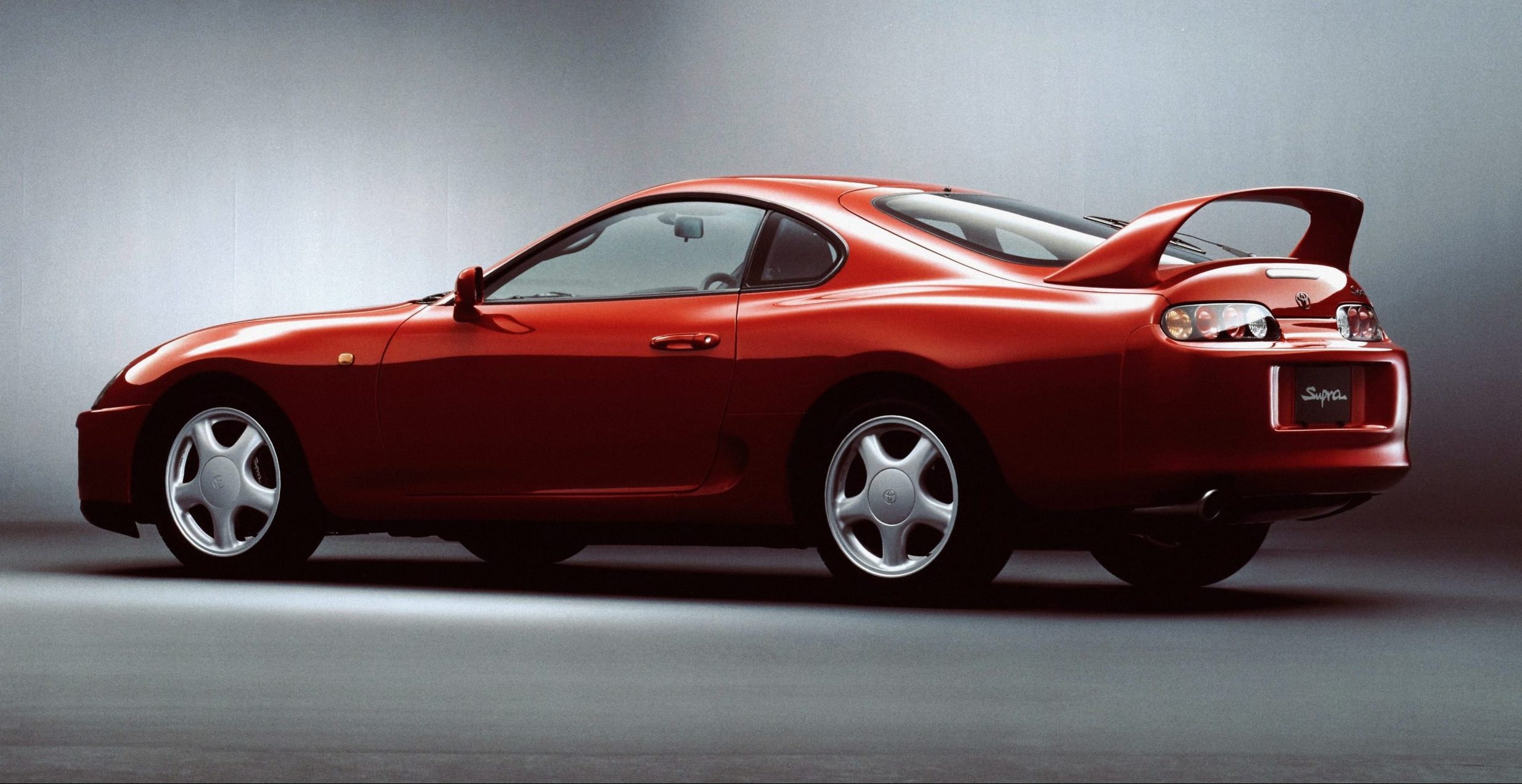
LISTER STORM
A new entry by British manufacturer Lister came in a strange form with the Storm: a front-engined 2+2 Coupe powered by a huge 7.0L V12. Based on an all new platform (Lister was known for its Jaguar XJS conversions), the car went straight to Le Mans before joining BPR the following year. 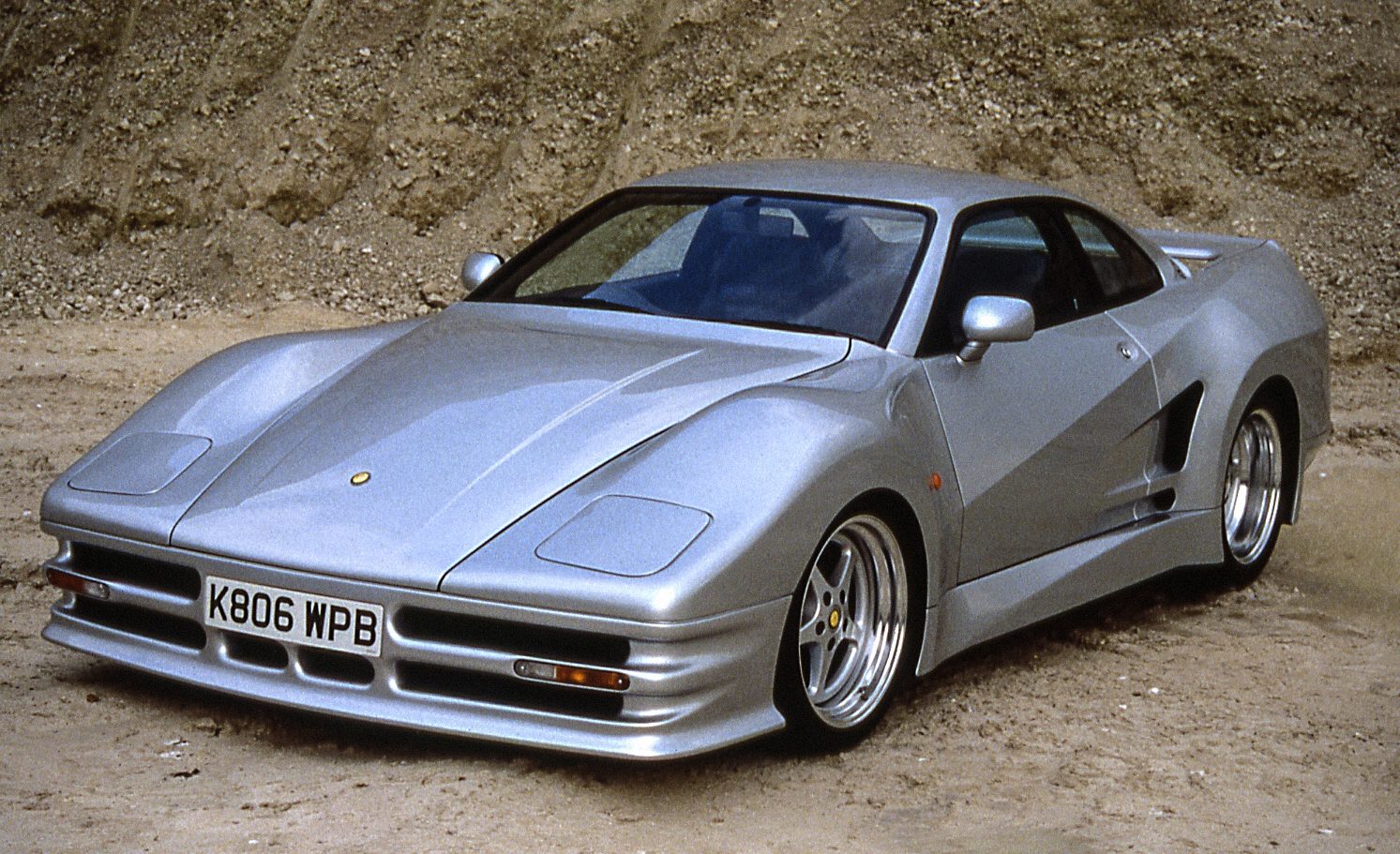
1996: A NEW BREED
Porsche 993 GT
Despite creating the GT to offer a GT2 race car, some teams asked for a GT1 version. More power from the twin turbo flat 6 (now at 600hp), more aero, wider wheels couldn’t make it competitive against the McLaren F1 GTR and the Ferrari F40 GTE.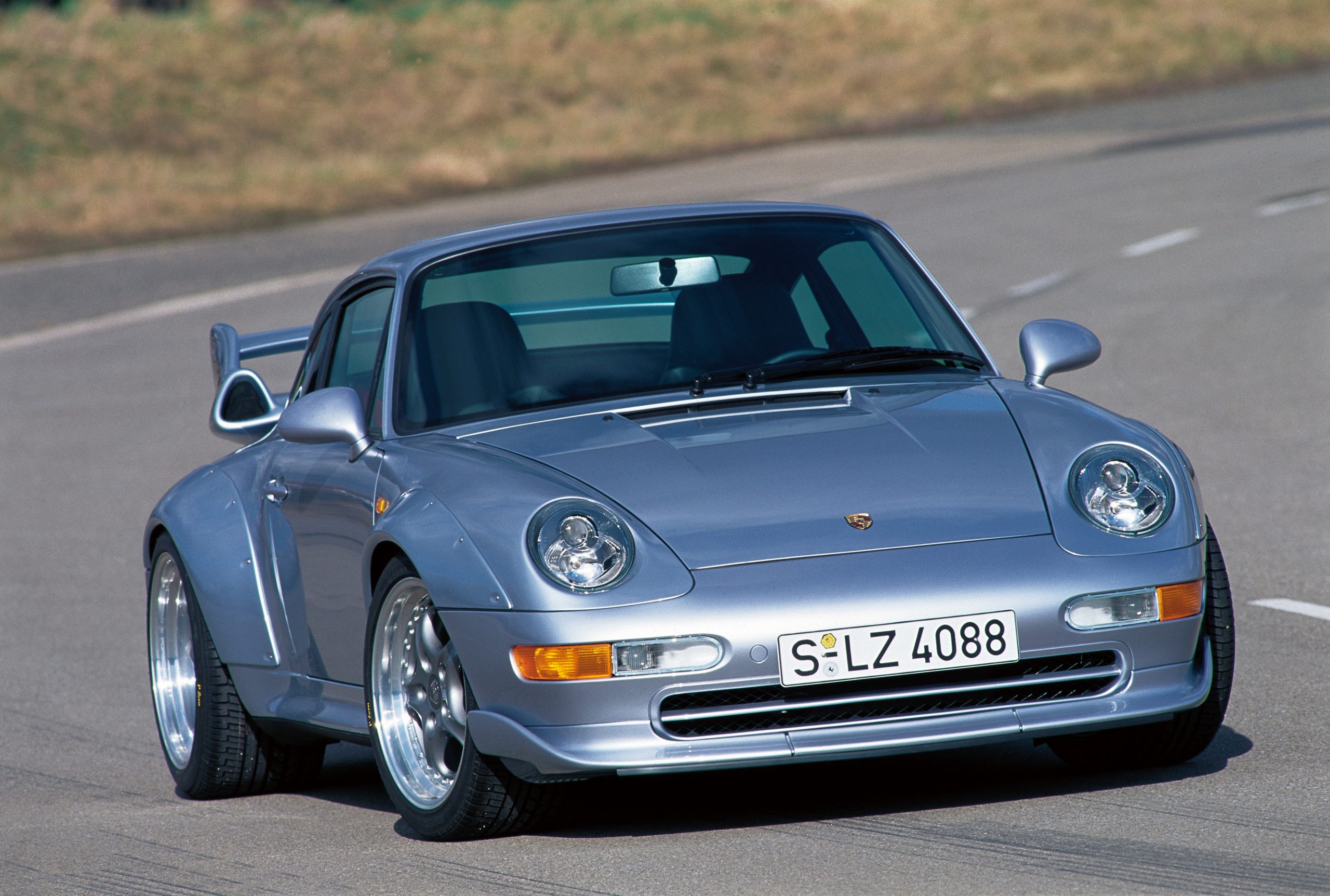
Helem V6
A French team started from a mid-engined roadster (Renault Spider), fitted a roof, extended it in all directions, and fitted a V6 PRV engine (twin turbo V6). The result was a very agile car but lacking in grunt. It would have a much more successful career in BGTC. 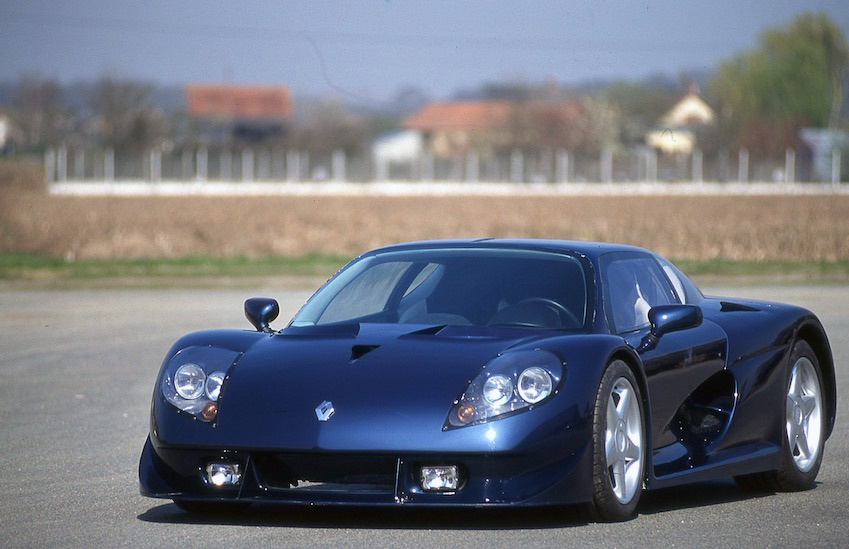
Lotus Esprit V8
In true GT fashion, the Lotus F1 team turned the last Esprit model (that started its life in 1976!) in V8 guise into a potent race car. It was so fast on boost that it could outrun the McLaren F1 GTR. The reliability was less impressive, and like the old F40 it would stop its racing career that year.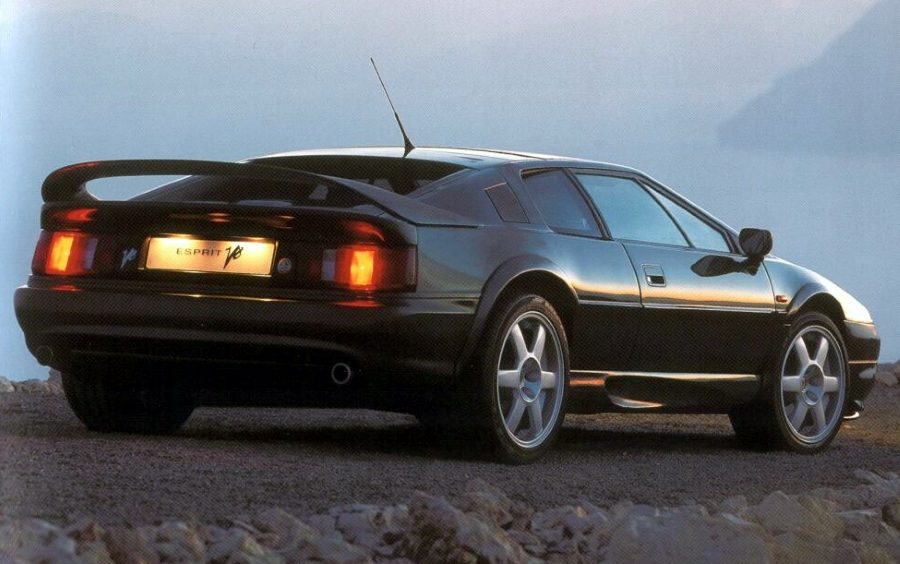
Porsche 911 GT1
Porsche quickly realized they couldn’t do better with the rear-engined 911. Starting from a standard 993 shell, they kept the front-end part and added a tubular chassis to place a water cooled engine behind the driver. Porshe insisted it was a road car first and that you could order one but it always has been had to swallow.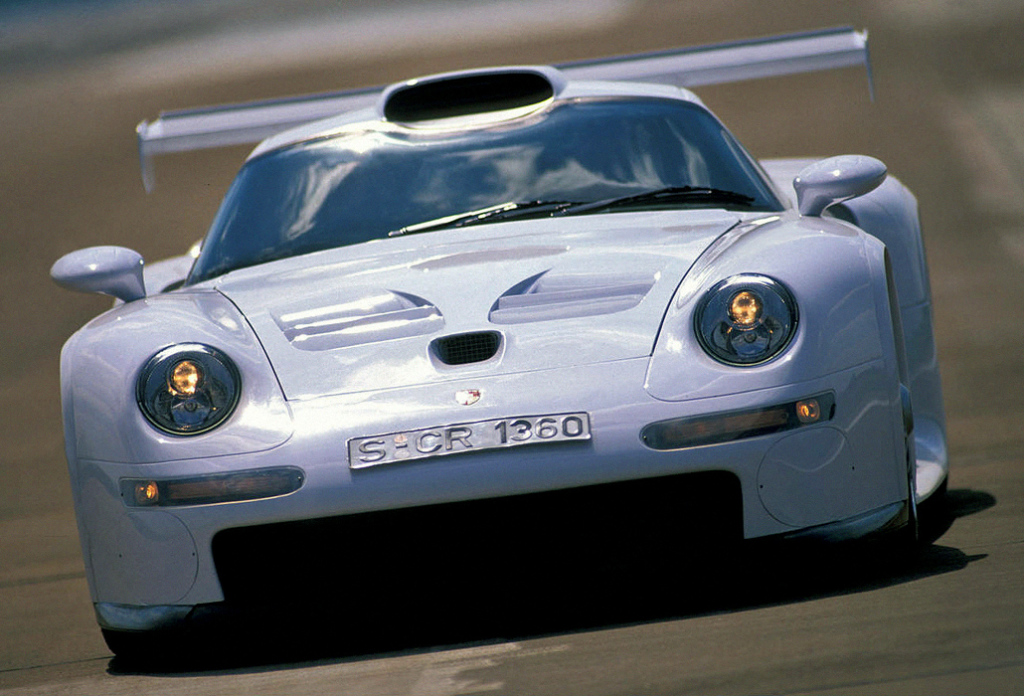
1997: the homologation specials
MERCEDES-BENZ CLK GTR
In a record time Mercedes built a GT1 race car for the newly created FIA GT Championship. The carbon monocoque, mid-engined, V12 powered CLK GTR was even more competitive than the Porsche 911 GT1, and the street versions were not even ready by the end of 1997.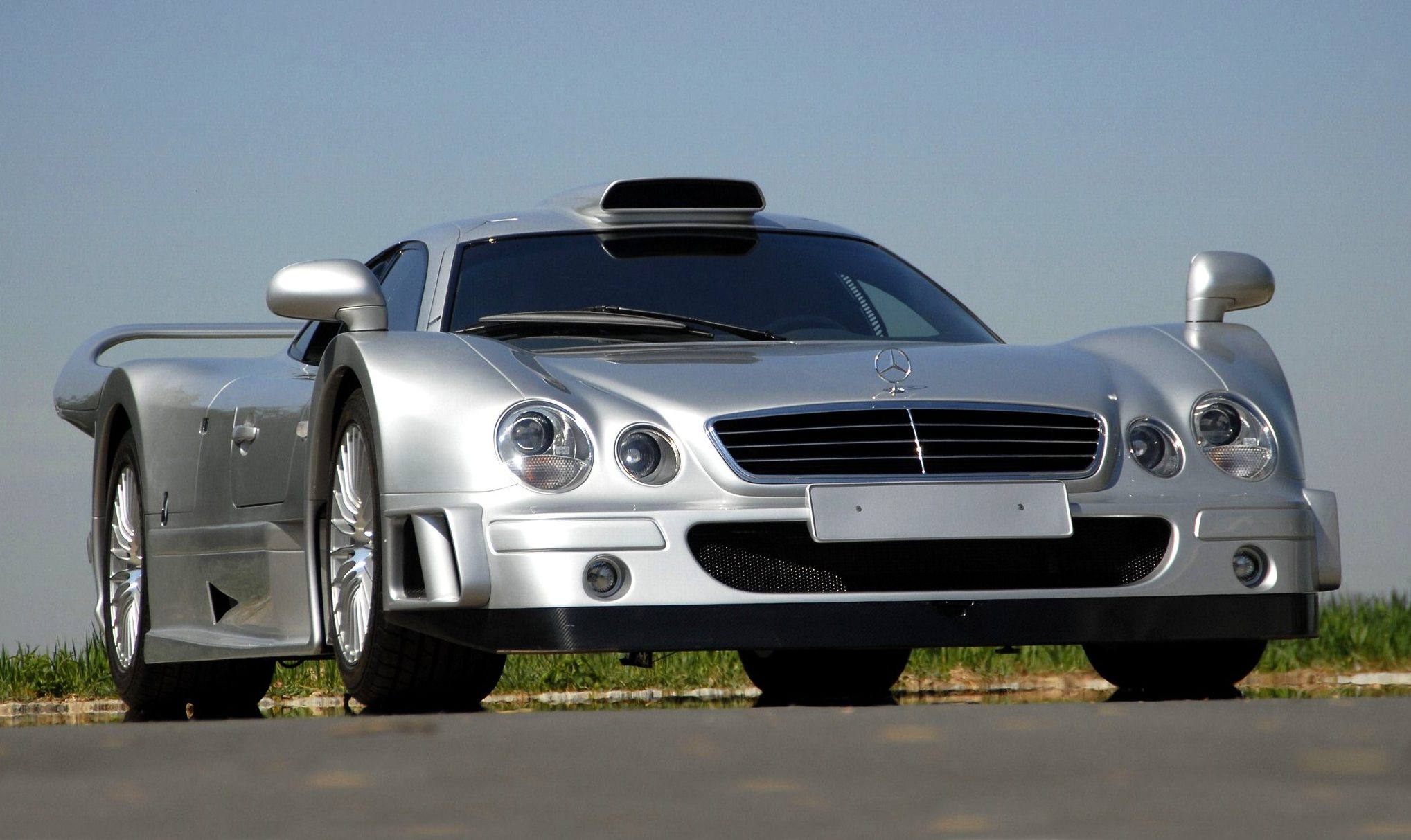
LOTUS ELISE GT1
Lotus put all his efforts into the Elise and the street version certainly looked the business. First teased in video game Need For Speed II, it featured the twin turbo 3.5L V8 from the Lotus Esprit, in a mid engined tubular chassis. The works race cars had a DOHC 6.0L V8 because the turbocharged engines were seriously restricted that year.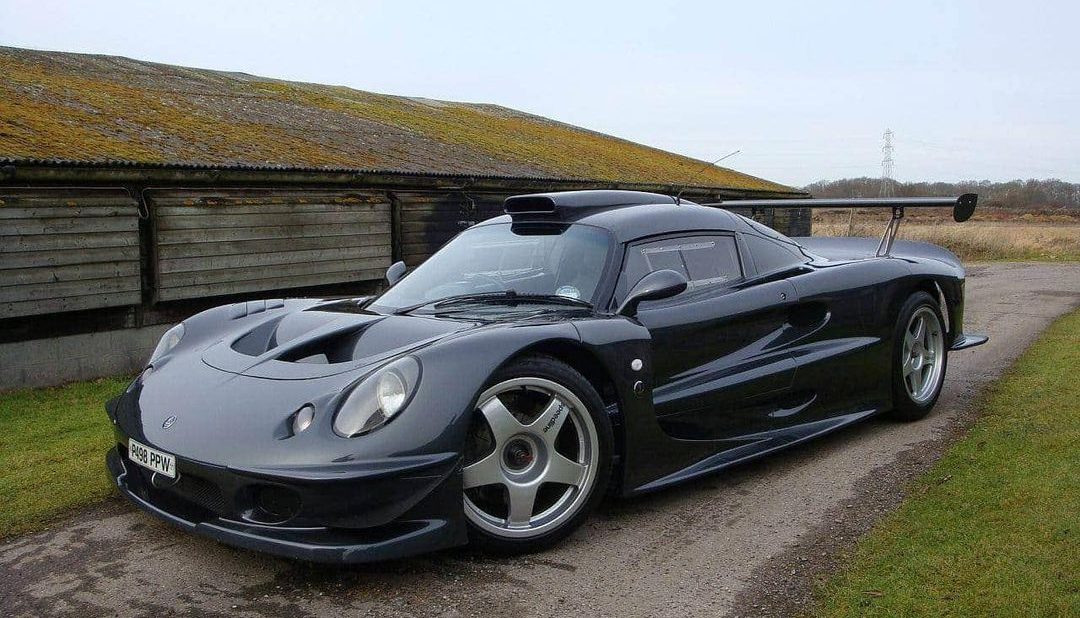
Panoz Esperante GTR-1
Panoz was known for its aluminium Ford V8-powered roadsters. But in 1997 they went all-in with the Esperante GTR-1. Conceived by Reynard, Panoz insisted that the engine had to be installed in front. Sitting as low and far back as possible, bolted to the carbon monocoque, and with pushrods suspension all rounds, the GTR-1 proved to be a contender very early on. 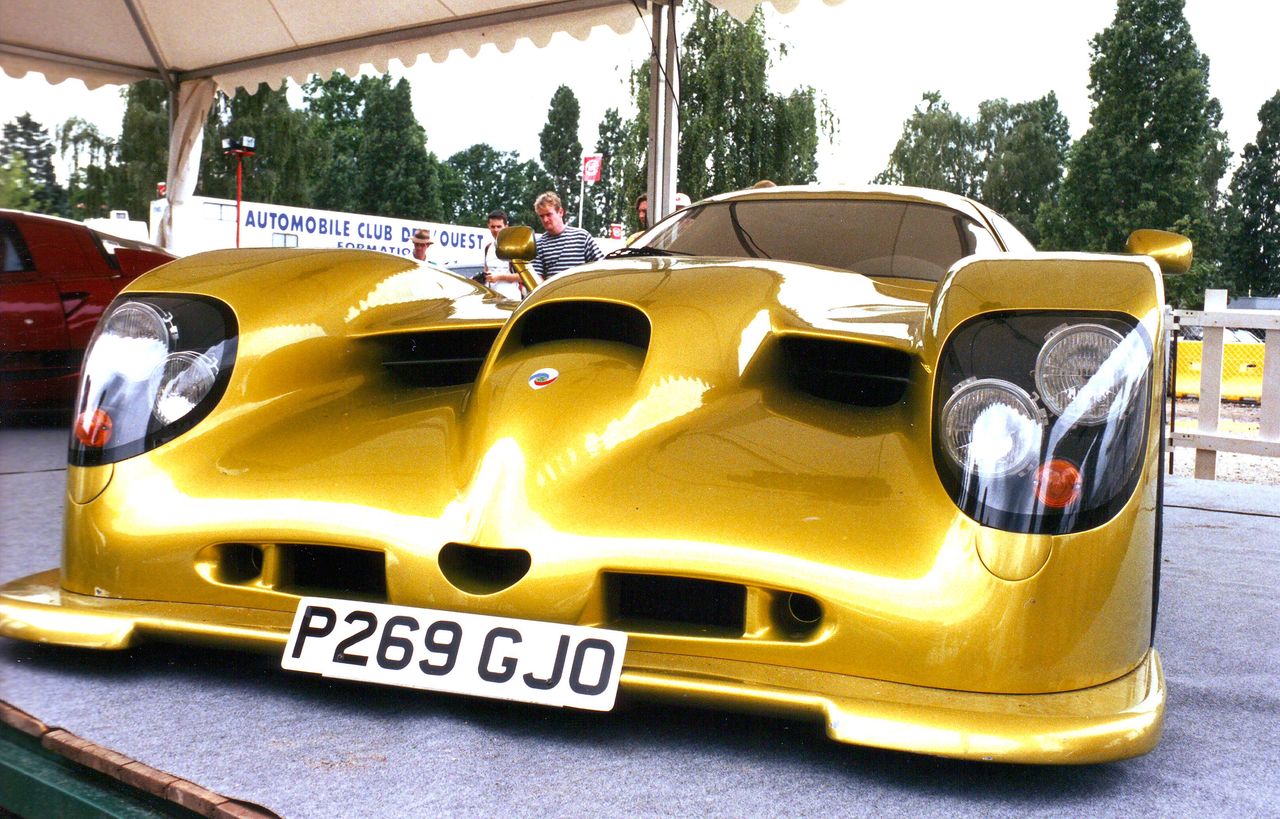
MCLAREN F1 GT
McLaren had to reply to Porsche and Mercedes. Based on the same monocoque, they created a longer and wider version of the F1. The road car had the same engine as the standard model (the ’97 F1 GTR had a 6.0L engine instead of 6.1L). Only three were produced.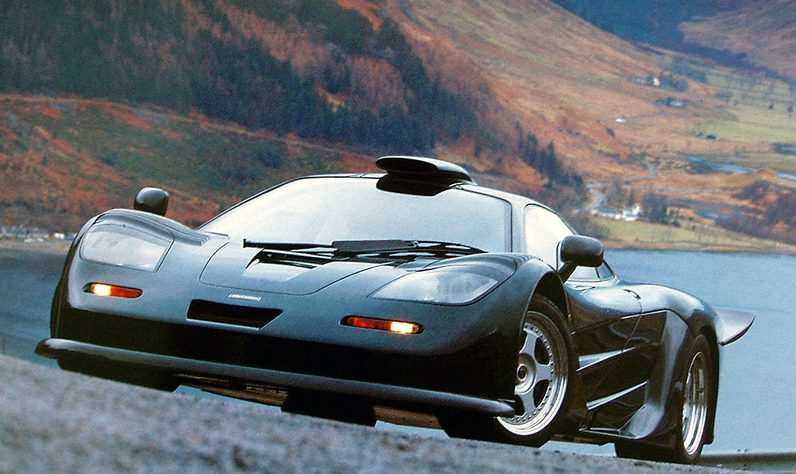
PORSCHE 911 GT1
Toyota started from the standard Supra to attempt Le Mans. Like all the Japanese cars, it didn’t stand a chance against the McLaren F1. Two failed attempts (95 and 96) would lead to the extreme GT-One which had almost nothing from a road car.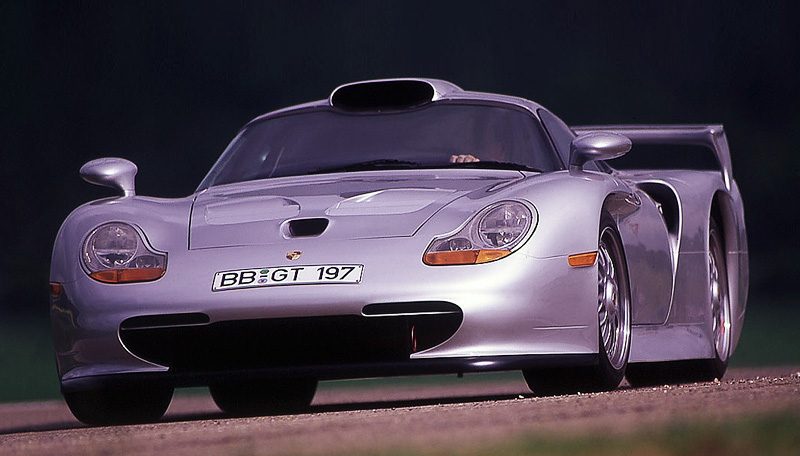
NISSAN R390 GT1
Having turned to TWR for their next-generation Le Mans program, the ’97 R390 GT1 shared some lines with the recent XJR-15 project. First considering the Skyline engine, they finally turned to the R89C 3.5 twin turbo V8. The revised VRH35 produced 650hp in race trim and 550hp in the road car. 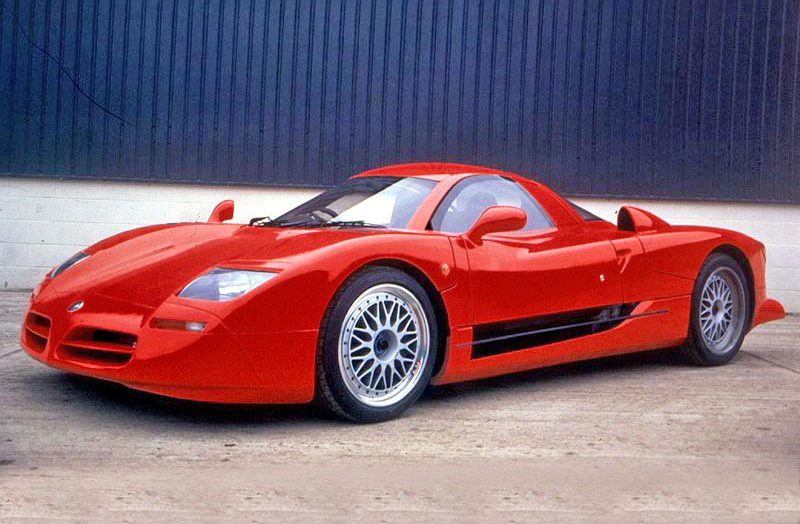
1998: ABSOLUTE MADNESS
MERCEDES-BENZ CLK LM
In a record time Mercedes built a GT1 race car for the newly created FIA GT Championship. The carbon monocoque, mid-engined, V12 powered CLK GTR was even more competitive than the Porsche 911 GT1, and the street versions were not even ready by the end of 1997.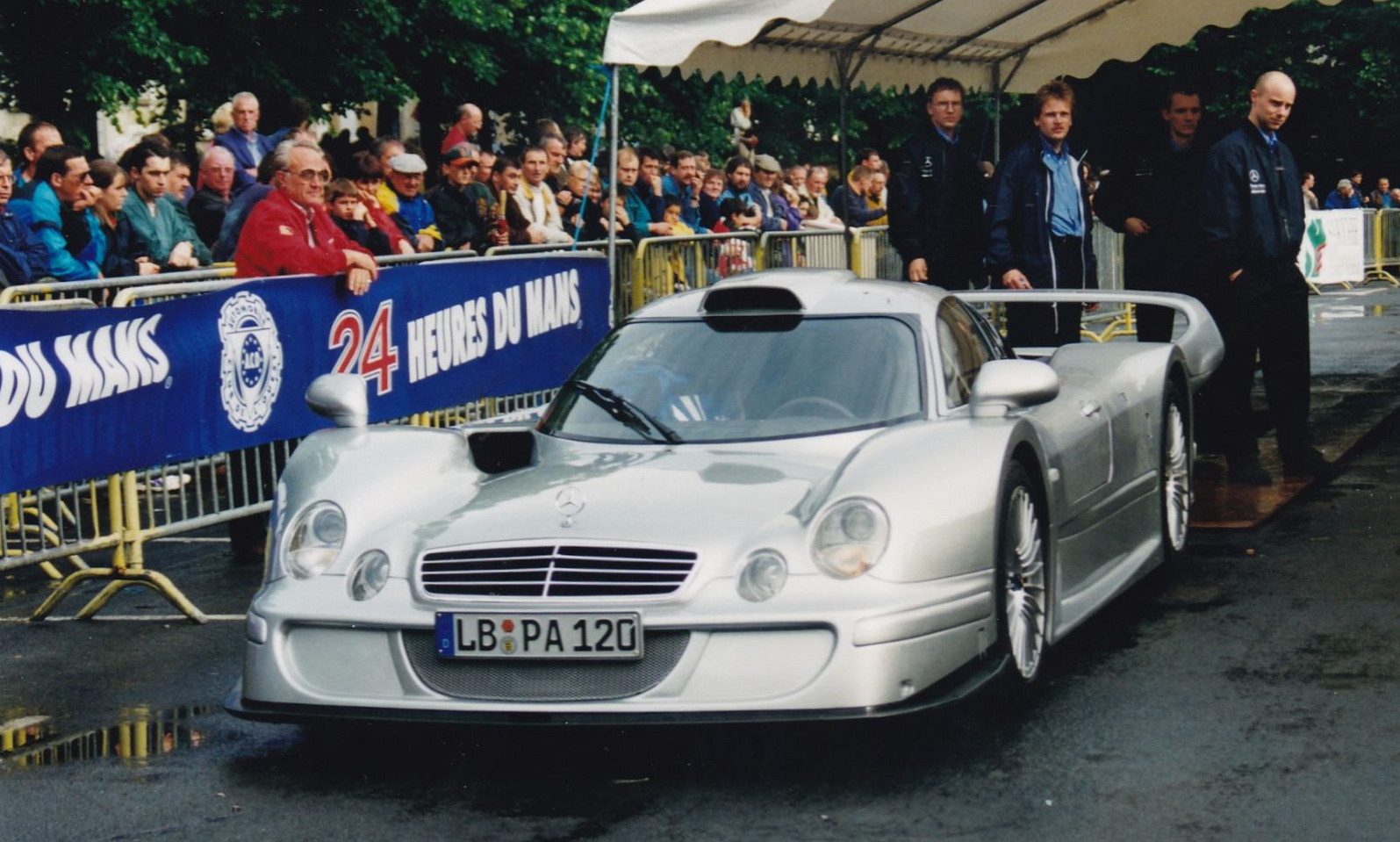
PORSCHE GT1-98
In 1998, Porsche and Mercedes produced another variant of their GT1 race car and the corresponding homologation street version. Needless to say, these cars were as far as possible from your traditional sports car, featuring a carbon monocoque chassis with pushrods suspensions and sequential gearbox. Funnily enough they had a strong brand identity by keeping the front and rear headlights from standard production models. However it was just a mock-up : the front headlights on the 911 GT1 were bespoke parts, incompatible with any other Porsche model.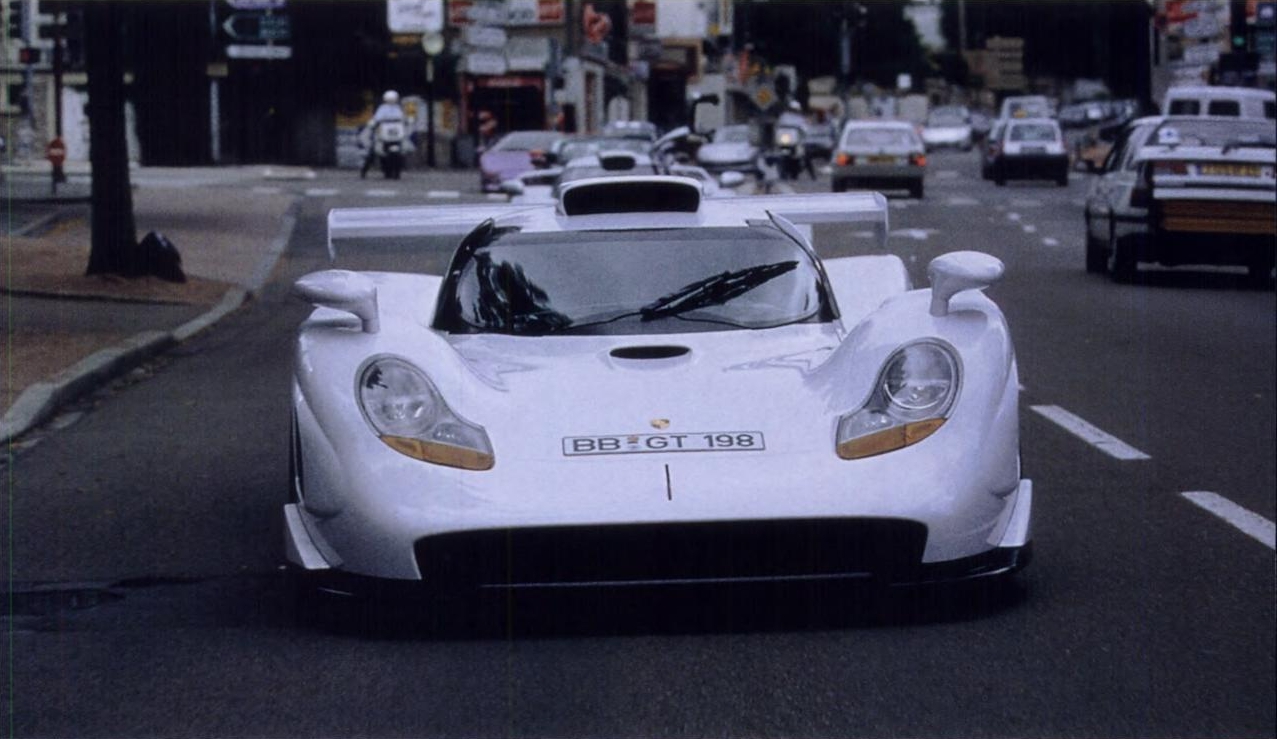
1998 Panoz Esperante GTR-1
The Esperante GTR-1 was updated for 1998, mainly with new front and rear bodywork producing more downforce. It was also resprayed in Midnight Purple in a effort to make it looks like much different than the Gold one, but it was in fact the same chassis.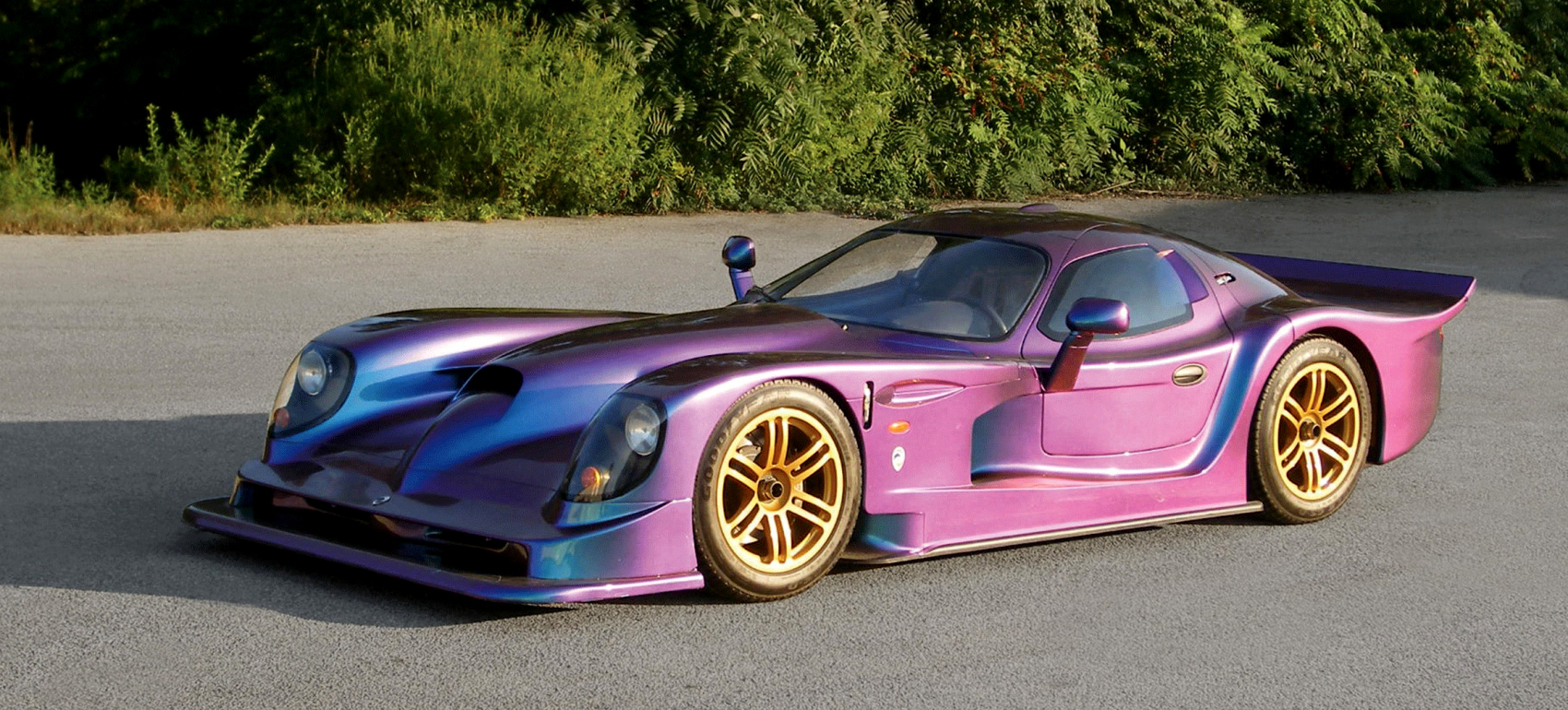
1998 NISSAN R390 GT1
This is the long tail ’98 version, built on the same chassis as the ‘97 red short tail. Sequential gearbox, twin turbo V8 (with smaller turbo than the race car) made it for a wild ride. Unfortunately the number of people having driven the car is a small production number too as there was no plan to commercialize it. It was famously modified and painted from Red to Blue from one year to another but it was essentially the very same chassis.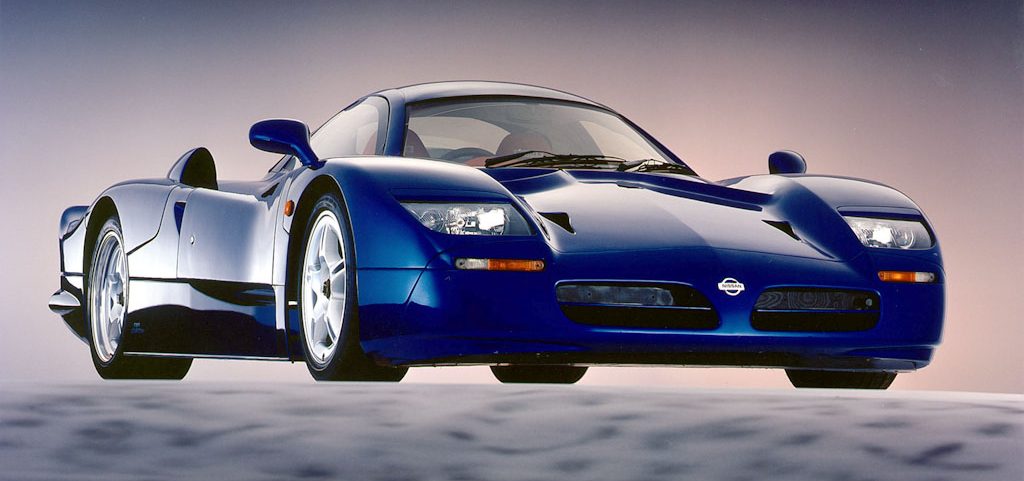
TOYOTA GT-ONE
Chassis 803, the one and only GT-One street version. Probably the maddest GT homologation special ever. And as many official sources confirmed, there was only one made. As Matthias found out, the road plate is not even registered, it was only for show!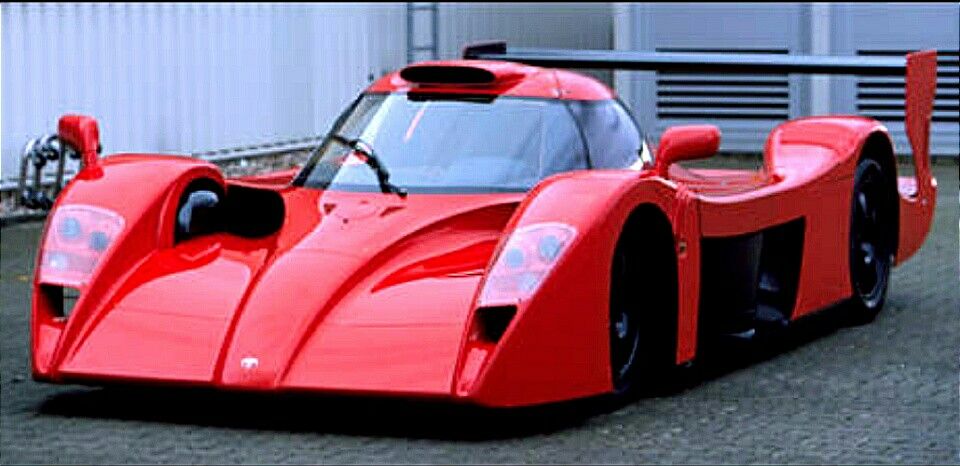
2004: CONTROVERSY AGAIN
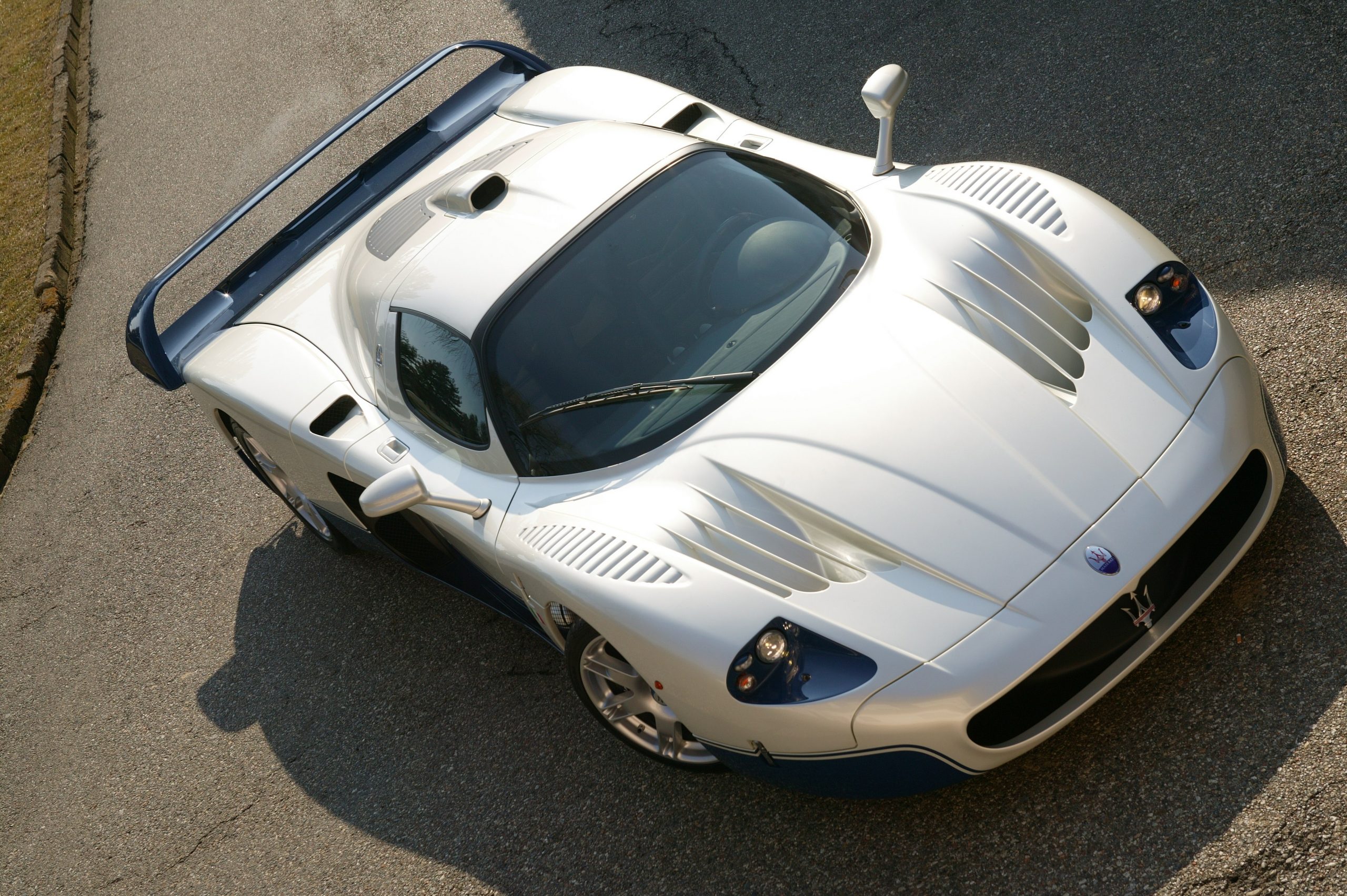
MASERATI MC12
In a record time Mercedes built a GT1 race car for the newly created FIA GT Championship. The carbon monocoque, mid-engined, V12 powered CLK GTR was even more competitive than the Porsche 911 GT1, and the street versions were not even ready by the end of 1997.