

European audiences provided the proving ground for electronic music, which eventually grew into a multi-billion-dollar industry - something its American pioneers can be proud of.
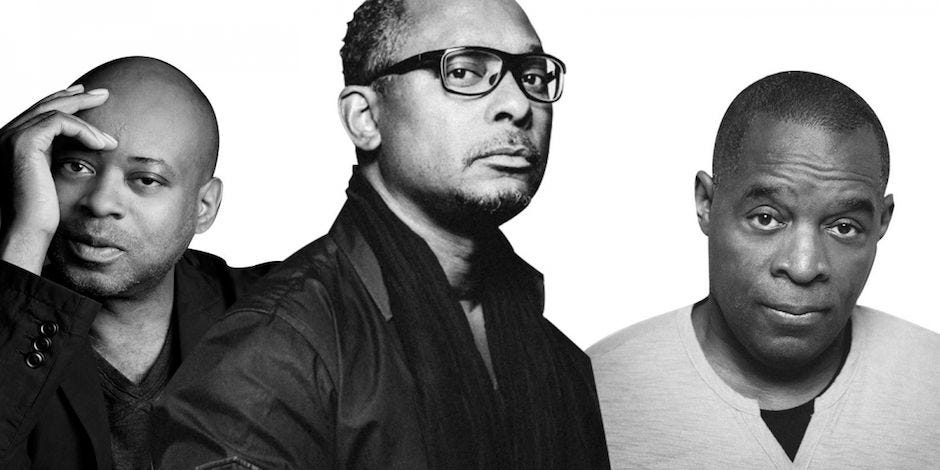 The Belleville three: the founders of Detroit Techno. From left to right: Juan Atkins, Derrick May and Kevin Saunderson
Electronic music has one of the most fascinating origin stories in modern culture. It was born in the United States, found its first devoted audience across the Atlantic, evolved into a global movement in Europe, and eventually returned to America - not as an underground culture, but as a multi-billion-dollar entertainment business.
Few genres have travelled such a remarkable circle.
The story begins in two cities separated by less than 300 miles: Chicago and Detroit. Although they’re often mentioned together, house and techno emerged from very different realities.
Chicago’s house scene grew out of the remnants of disco.
At the end of the 1970s, mainstream America had largely declared disco dead. Radio abandoned it, rock audiences mocked it, and the infamous Disco Demolition Night became the symbolic funeral of an entire movement. Yet inside Chicago’s Black, Latino and gay clubs, disco never really disappeared - it simply evolved.
Instead of expensive orchestras and live rhythm sections, producers began replacing musicians with drum machines, synthesizers and samplers. The emotional soul of disco remained intact, but the tools became cheaper, more experimental and infinitely more flexible.
Detroit took a completely different route.
The collapsing automotive capital had little interest in preserving disco traditions. Instead, its young producers looked toward futurism. Inspired by Kraftwerk’s mechanical precision and surrounded by the decaying infrastructure of America’s industrial heartland, they created something colder, sharper and more abstract. Where house celebrated human warmth, techno often embraced the machine. Metallic percussion, hypnotic repetition, alien melodies and stripped-back arrangements became its defining language.
Ironically, neither genre was initially embraced by mainstream America.
House and techno first flourished among communities that had long existed outside the cultural centre: Black Americans, LGBTQ+ communities, immigrants and other marginalized groups. In clubs hidden from public view, these new sounds offered something far more valuable than entertainment.
They offered freedom. For one night, identity didn’t matter. Inside a dark warehouse or basement club, social labels dissolved beneath flashing lights and relentless kick drums. People danced together without explanation or judgement, united by music that barely existed anywhere else.
That sense of liberation became the true foundation of electronic music culture.
Technology Changed Everything
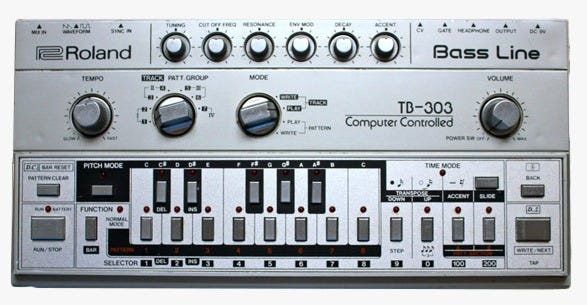 TB-303: It couldn’t replace bass guitars, but it became the voice of the rave culture
Like every major musical revolution, electronic music wasn’t driven solely by creativity. It also depended on technology arriving at exactly the right moment. Throughout the late 1970s and early 1980s, synthesizers, sequencers and drum machines became increasingly affordable. Competition between manufacturers accelerated innovation while gradually lowering prices, allowing smaller studios - and eventually bedrooms - to become legitimate production spaces.
One company’s commercial disappointment became electronic music’s greatest gift.
Roland’s TR-808, TR-909 and TB-303 were originally designed for musicians looking for affordable substitutes for live drummers and bass players. Traditional musicians largely rejected them because they sounded artificial. Electronic producers heard something entirely different. The machines weren’t realistic - but they didn’t need to be. The booming kick of the 808, the punch of the 909 and the acidic squelch of the TB-303 weren’t flaws. They became entirely new instruments, giving birth to sounds that had never existed before.
Sampling technology completed the picture.
Instead of recording bands, producers could manipulate fragments of existing recordings, turning almost any sound into rhythmic material. The studio itself became an instrument.
Looking back, it’s remarkable how many of electronic music’s defining sounds were born from equipment that manufacturers initially considered commercial failures.
The Perfect Political Moment
Technology alone wasn’t enough. The wider political climate of the 1980s created fertile ground for cultural change on both sides of the Atlantic.
The Cold War was drawing to a close. Ronald Reagan’s aggressive foreign policy accelerated pressure on the Soviet Union, while Eastern Europe slowly opened to ideas and cultural influences that had long been inaccessible.
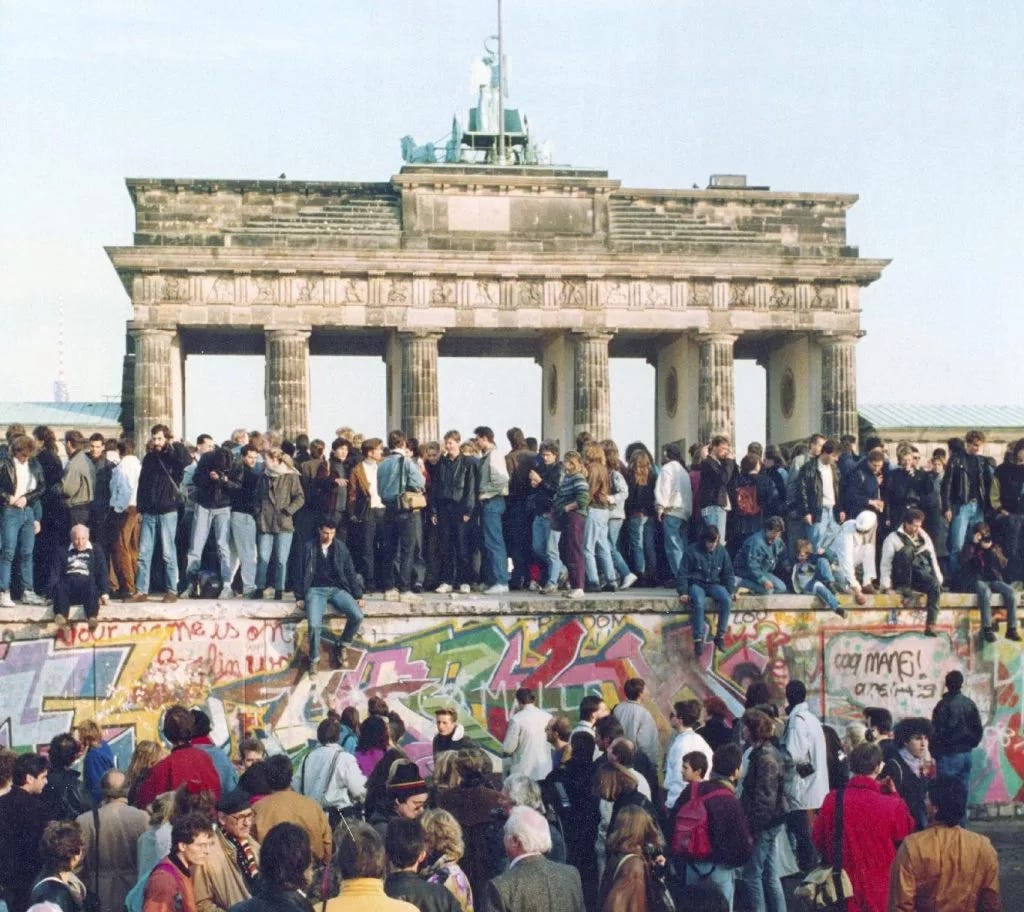 Berlin ‘89: techno became the soundtrack of the historical moment
The fall of the Berlin Wall became one of electronic music’s defining historical moments. Berlin rapidly transformed into Europe’s creative laboratory. Empty factories, abandoned buildings and newly accessible spaces became ideal environments for clubs and illegal parties. Techno wasn’t simply imported there - it found an entirely new identity.
Meanwhile, Britain experienced its own revolution. Margaret Thatcher’s economic policies had left many young people frustrated, disconnected and searching for escape. When house records from Chicago and Detroit began arriving through specialist record stores and DJs, they landed in remarkably fertile soil.
The acid house explosion of 1988–89 - later immortalised as the Second Summer of Love - changed everything. Ecstasy accelerated the movement, rave culture exploded across the country, and American producers suddenly discovered something almost unimaginable. Their music mattered more overseas than it did at home.
“When we first went to England, we had no idea what was happening” Marshall Jefferson once recalled. “Nobody really knew us outside the clubs back home. Then we arrived in Manchester and thousands of people were wearing smiley-face T-shirts and celebrating our records.”
Detroit producer Hassan Watkins remembered a similar experience.
“When we got overseas, I couldn’t believe thousands of people knew every word of our songs. Back in Detroit, hardly anyone did.”
For many American artists, Europe wasn’t simply another tour destination. It was where electronic music first became a genuine cultural phenomenon.
Why Europe Fell in Love While America Looked Away
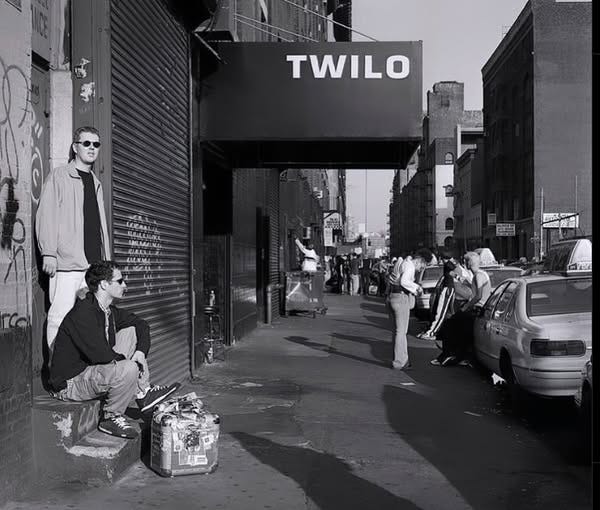 Club Twilo witnessed legendary sets by John Digweed and Sasha
The contrast couldn’t have been sharper.
By the early 1990s, electronic music had become an essential part of youth culture across much of Europe. Massive raves filled abandoned warehouses, underground clubs multiplied in every major city, and new subgenres seemed to emerge almost monthly.
Meanwhile, in the United States, house and techno remained largely confined to local scenes.
The question is obvious. How could the country that invented both genres fail to embrace them? Part of the answer lies in the American music industry itself.
Throughout the 1980s and 1990s, mainstream radio revolved around vocal music. Country, rock, grunge, R&B, hip-hop and pop dominated programming, while instrumental electronic records were often dismissed as repetitive, cold or simply “not real music.” Without singers to market or traditional song structures to fit commercial radio, house and techno struggled to reach wider audiences.
Major labels saw little reason to invest. Why gamble on an underground dance record when established rock bands and pop stars continued generating reliable profits? Geography made things even harder.
Unlike Europe, where artists could tour multiple countries within days, the United States was fragmented into regional markets separated by enormous distances. Scenes flourished locally but rarely became national movements.
Chicago had its clubs. Detroit had its pioneers. New York developed a thriving house culture. Miami became synonymous with progressive sounds. Los Angeles cultivated its own rave ecosystem. But these communities often existed in parallel rather than together. Without nationwide radio support - or a unified media infrastructure - electronic music remained exactly where it had started: underground.
There were exceptions, of course. Legendary venues such as Twilo, Sound Factory, Tunnel and Miami’s Space became institutions in their own right, while pirate radio stations and specialist record stores kept local communities connected. Yet compared to Europe, these remained isolated islands rather than the centre of popular culture.
Ironically, American producers often enjoyed greater recognition abroad than they did at home.
Names like Danny Tenaglia, David Morales, Josh Wink, Armand Van Helden, Deep Dish, BT and Erick Morillo became global ambassadors for dance music. European clubs treated them like superstars while many casual American listeners barely recognised their names.
Hollywood also played an unexpected role. Throughout the late 1990s, blockbuster films increasingly relied on electronic music to soundtrack futuristic worlds and high-adrenaline action sequences. The Matrix, Blade, Spawn and The Saint all featured electronic artists whose music quietly introduced millions of cinema-goers to club culture - even if they never stepped inside a nightclub themselves.
The seeds had been planted. America simply hadn’t realised it yet.
The Industry Learns the Rules
By the mid-2000s, the music business had undergone one of the biggest structural shifts in its history. The gatekeepers were losing control. Streaming platforms, digital downloads and online communities fundamentally changed how audiences discovered music. Radio was no longer the sole path to mass exposure, and major labels no longer dictated every listening habit.
For electronic music, this was transformative. Listeners could now find DJs from Berlin, Ibiza or Amsterdam just as easily as pop stars from Los Angeles or Nashville. Niche genres no longer depended on traditional media. Algorithms, forums and social platforms connected scenes that had previously existed in isolation.
At the same time, dance events outgrew the nightclub. Festivals expanded at an extraordinary pace. Ultra Music Festival, Electric Daisy Carnival and Coachella demonstrated that electronic music could fill enormous outdoor spaces with audiences numbering in the tens - or even hundreds - of thousands.
The presentation evolved alongside the music. Simple DJ booths gave way to towering LED structures, pyrotechnics, lasers and cinematic production values. DJs no longer stood anonymously behind stacks of vinyl. They became the spectacle.
In many ways, they inherited the cultural position once occupied by rock stars.
The irony was impossible to ignore. The very technology that had originally allowed one person to replace an entire band was now creating celebrities capable of commanding fees that rivalled stadium acts.
Social media accelerated the transformation even further. Artists no longer relied solely on magazines or television appearances to build audiences. They spoke directly to fans, announced new releases instantly and documented every performance in real time. The relationship between artist and listener became dramatically shorter.
So did the feedback loop. Praise spread faster. Criticism spread even faster. By the end of the decade, everything was in place. Electronic music no longer needed to fight for recognition. It simply needed a version that America could fully embrace.
The EDM Boom: When America Finally Bought In
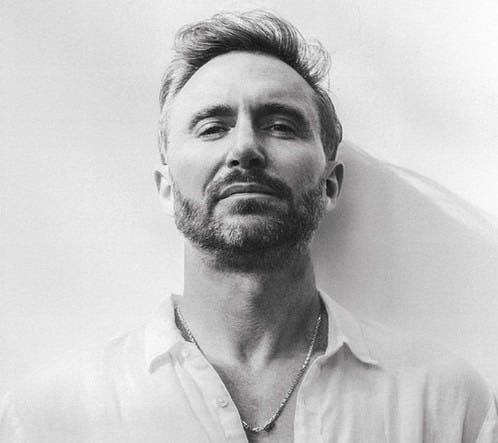 David Guetta, the successor of EDM
The breakthrough came at the beginning of the 2010s. Not under the banner of house or techno. But under a new label: EDM.
The term itself had existed for years, yet in the United States it evolved into something far more specific - a polished, festival-ready, radio-friendly version of electronic dance music designed for mass audiences. Purists hated the acronym. The industry loved it.
No artist symbolised this shift more than David Guetta. Rather than adapting his sound to American pop, Guetta invited American pop into his world. Collaborations with Rihanna, Usher and Sia transformed four-on-the-floor house rhythms into mainstream chart music without abandoning their club DNA.
He understood something that many producers before him hadn’t. American audiences didn’t need electronic music to imitate pop. They needed pop delivered through electronic music. Albums like One Love and productions such as The Black Eyed Peas’ I Gotta Feeling proved that dance records could dominate Billboard while remaining unmistakably rooted in club culture.
Guetta became the bridge connecting European dance music with American popular culture.
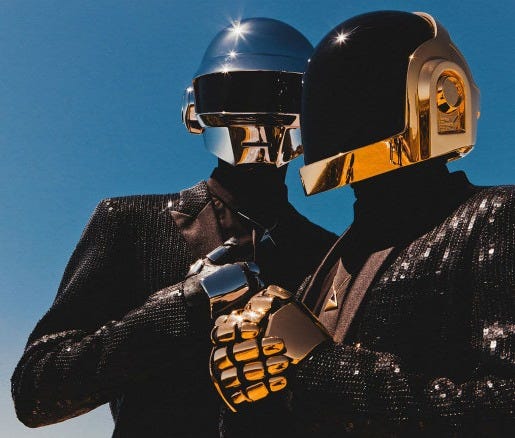 Americans have always loved costumed superheroes, and Daft Punk was no exception.
But no cultural movement is created by one artist alone. Years earlier, Daft Punk had already shown what electronic performance could become. Their legendary 2006 Coachella appearance - and the Alive 2007 tour that followed - rewrote expectations for live electronic shows. Giant pyramid stages, perfectly synchronised visuals and an uncompromising artistic identity inspired an entire generation of producers.
Soon after, Skrillex arrived from a completely different direction. With Scary Monsters and Nice Sprites, dubstep exploded into the American mainstream. His aggressive reinterpretation of the UK genre - later nicknamed “brostep” by critics - introduced millions of young listeners to electronic music through sheer intensity. Whether traditionalists approved was almost beside the point. The audience had arrived.
Avicii represented yet another turning point. Levels became one of the defining records of its generation, balancing emotional songwriting with euphoric dance-floor energy. A few years later, Wake Me Up pushed even further, blending electronic production with country and folk influences in a way that would have seemed almost unimaginable a decade earlier. For many Americans, Avicii didn’t just make dance music accessible. He made it familiar.
The Swedish House Mafia completed the picture. When Axwell, Steve Angello and Sebastian Ingrosso sold out Madison Square Garden, it became impossible to argue that electronic music remained a niche phenomenon. Stadiums, arenas and major festivals had officially become part of dance music’s natural habitat.
By then, electronic music had travelled an extraordinary distance. Born in American cities. Raised in European clubs. Perfected on global dance floors. And finally welcomed home - not as an underground movement, but as one of the entertainment industry’s most profitable exports.
It’s a curious historical loop. Europe nurtured electronic music when America barely noticed it. It transformed a local cultural movement into a global language, building scenes, labels, festivals and generations of devoted audiences. Only later did the United States fully embrace the music it had originally created. When it finally did, it applied the one thing it has always excelled at: turning culture into industry.
Electronic music didn’t simply return home. It returned as a global business. And perhaps that’s the genre’s greatest paradox. The country that gave electronic music its first heartbeat wasn’t the one that made it a worldwide phenomenon. But it was the one that ultimately turned it into billion-dollar entertainment.