

Narrative dominance, diplomatic protection, allied vetoes, stalling of legal remedies, judicial delay, information control, and weakness of enforcement
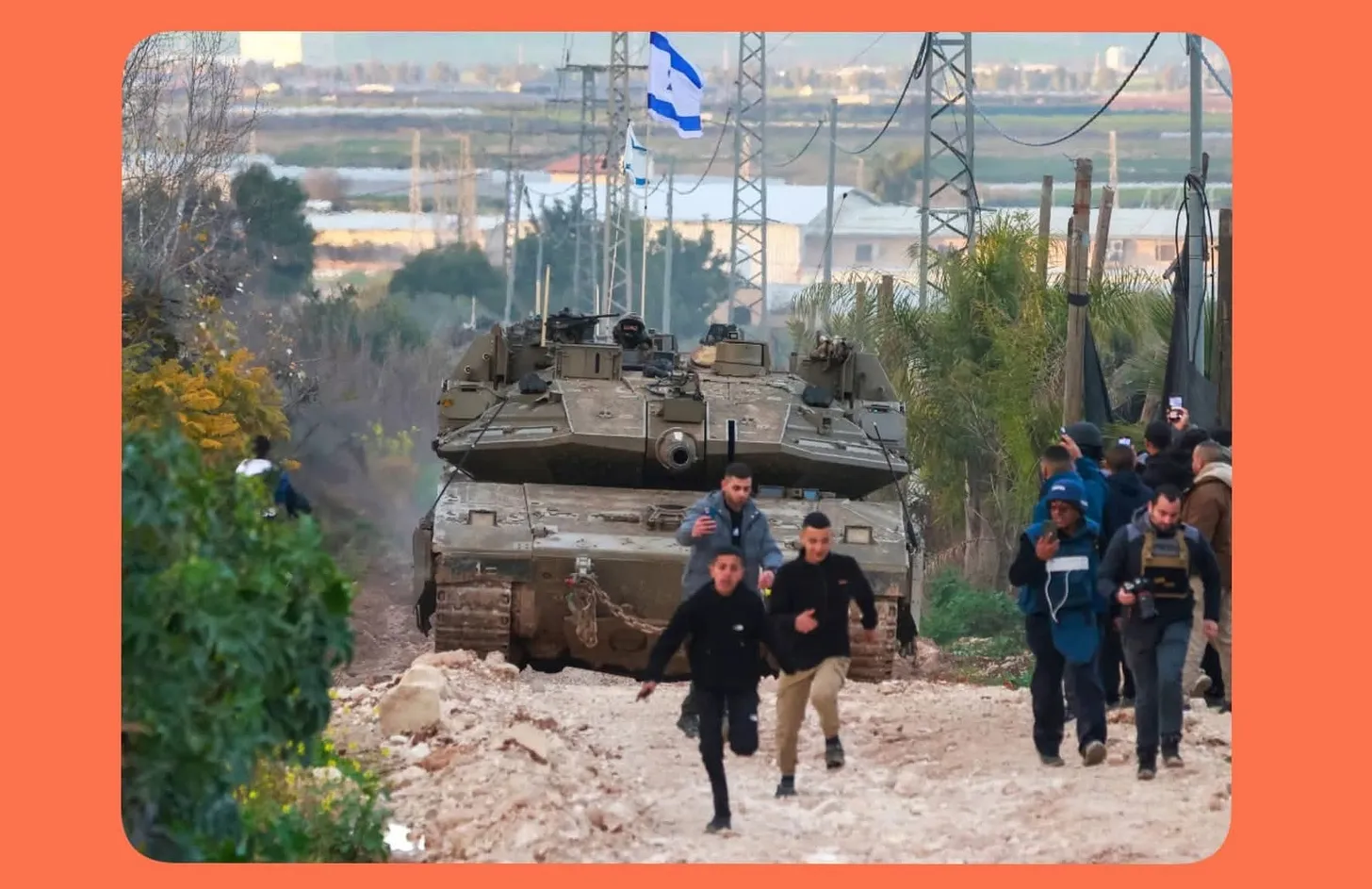
Israeli leaders act with confidence that mass genocide, displacement and destruction can be completed without consequences, shielded by powerful allies and global institutions too slow or divided to respond. They calculate that control of narratives, suppression of evidence, and geopolitical protection will prevent accountability for what independent experts describe as crimes against humanity.
States accused of grave crimes rarely confine their efforts to the battlefield. They also seek to narrow or erase the record of their conduct, to pre-empt scrutiny in courts and commissions, and to maintain favourable standing with allies and domestic publics. The historical record shows repeated attempts by governments to destroy or suppress archives, to shape how journalists and academics interpret events, and to shift narratives through long-term cultural and media strategies. The present moment differs from earlier episodes only in its technical complexity, as digital platforms, algorithmic filters, and artificial intelligence tools amplify both the risks of erasure and the potential for countervailing preservation. A sober assessment must therefore consider the precedent of archival concealment, the legal standards for evidence admissibility, the new terrain of online moderation, and the strategic calculation that underpins Israeli confidence that it can escape immediate accountability for the devastation in Gaza.
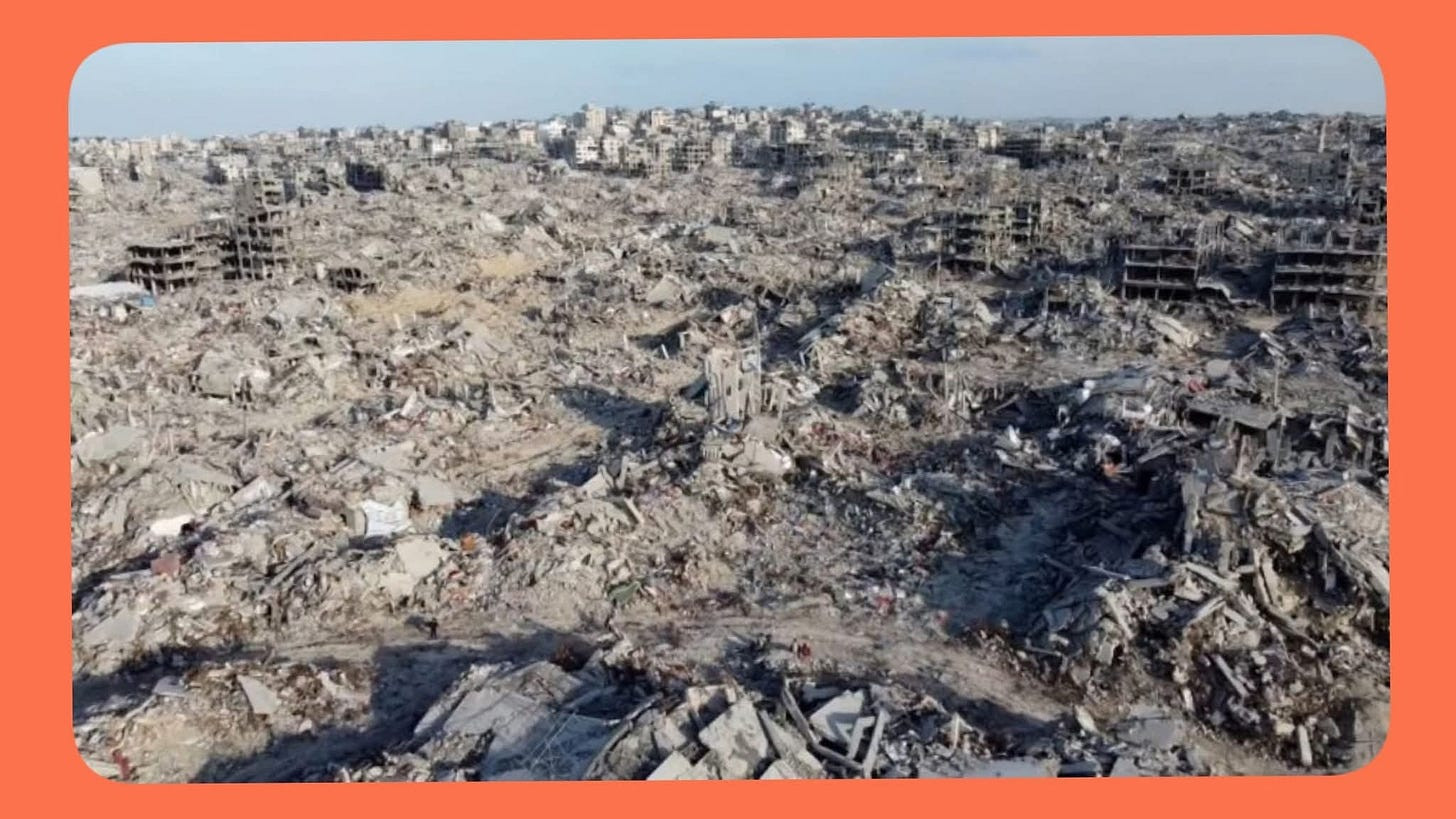 The concealment of British colonial records during decolonisation offers one of the clearest historical examples of state effort to erase culpability. Under Operation Legacy, officials systematically removed, destroyed, or relocated sensitive files from colonies gaining independence in the 1950s and 1960s. The goal was explicit: to prevent embarrassment and liability by ensuring that incriminating documents did not fall into the hands of post-colonial governments or public archives. The files were shipped to a high-security facility at Hanslope Park, where they remained hidden for decades. Their existence only became public during litigation brought by Mau Mau survivors of torture in Kenya, leading to disclosure in the early 2010s, compensation for victims, and an official statement of regret by the British government. Scholars of archival science have described this as a deliberate “displacement of memory,” designed to construct a sanitised version of Britain’s retreat from empire. The eventual surfacing of the files underscores how delayed discovery can still reshape historical understanding, but also how concealment efforts distort public debate for decades.
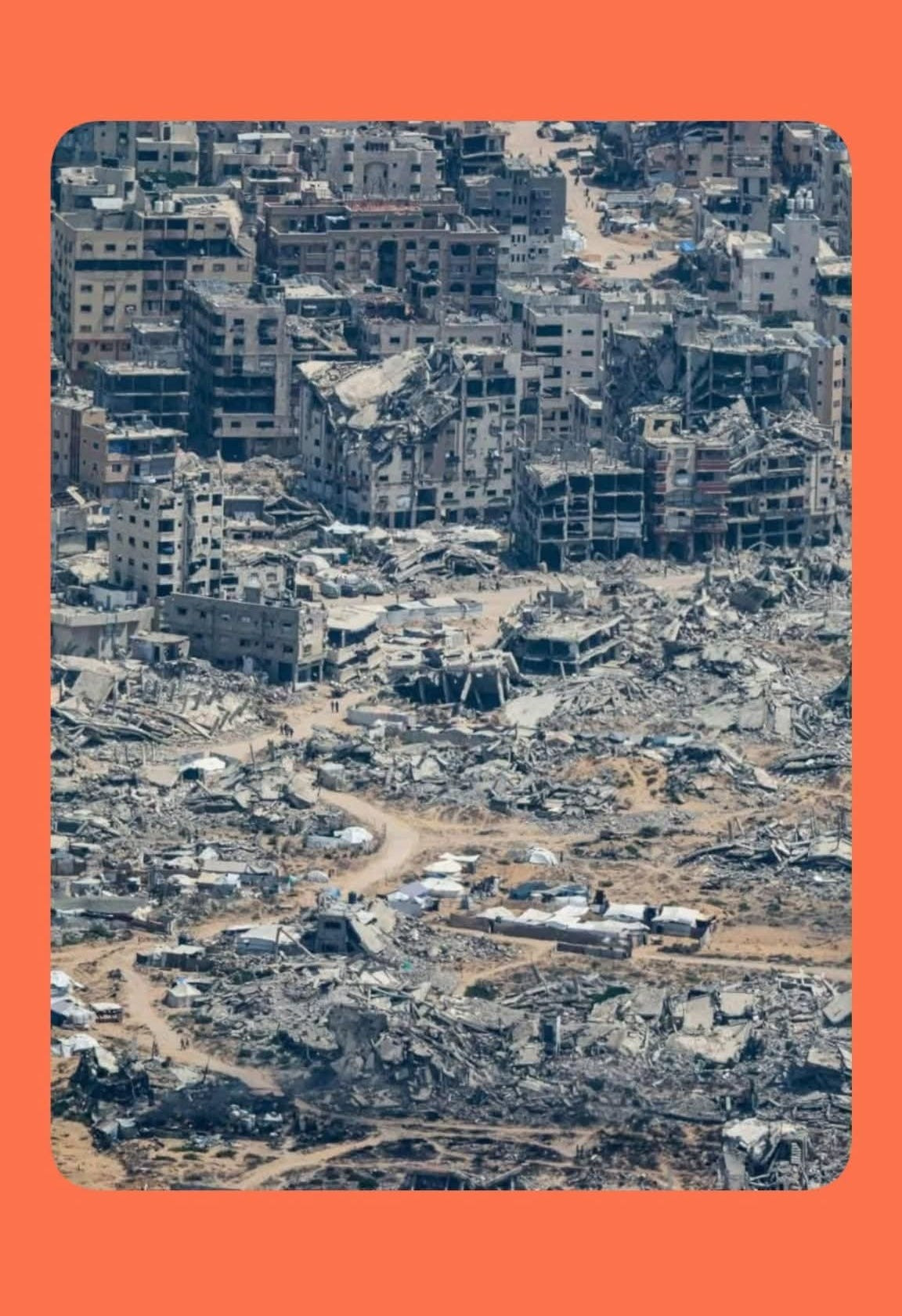
Other states have attempted similar control. During and after the Second World War, Nazi officials burned archives and destroyed evidence of extermination sites as Allied forces advanced. Despite this, survivor testimony, captured documents, and photographic records provided overwhelming material for the Nuremberg trials. Denialist movements later sought to cast doubt on the scope of Nazi crimes, but courts and historians used preserved evidence and international collaboration to close space for serious contestation. In the Balkans, Serbian authorities engaged in systematic removal and concealment of bodies during the 1990s wars, transporting remains to secondary burial sites in an attempt to obscure massacres. The International Criminal Tribunal for the former Yugoslavia exposed these efforts, using forensic exhumations, satellite imagery, and witness testimony to establish the scale of killings. The concealment delayed justice and increased trauma for families, but it did not prevent eventual conviction of senior figures for genocide and crimes against humanity.
More recent examples demonstrate the interplay between propaganda and destruction of records. The US and UK governments marshalled selective intelligence and staged briefings in the run-up to the 2003 Iraq invasion, presenting claims about weapons of mass destruction that were later discredited. Independent reviews, such as the Chilcot Inquiry, exposed how political pressure distorted intelligence assessments and how narrative framing shaped public support for war. While the case differs in character from efforts to conceal direct atrocities, it shows how governments can use information control to manufacture legitimacy and only face accountability years later through inquiries with limited formal sanction. Scholars of media and communication describe this as agenda-setting under conditions of asymmetric information, where governments control access to intelligence and journalists rely on official briefings.
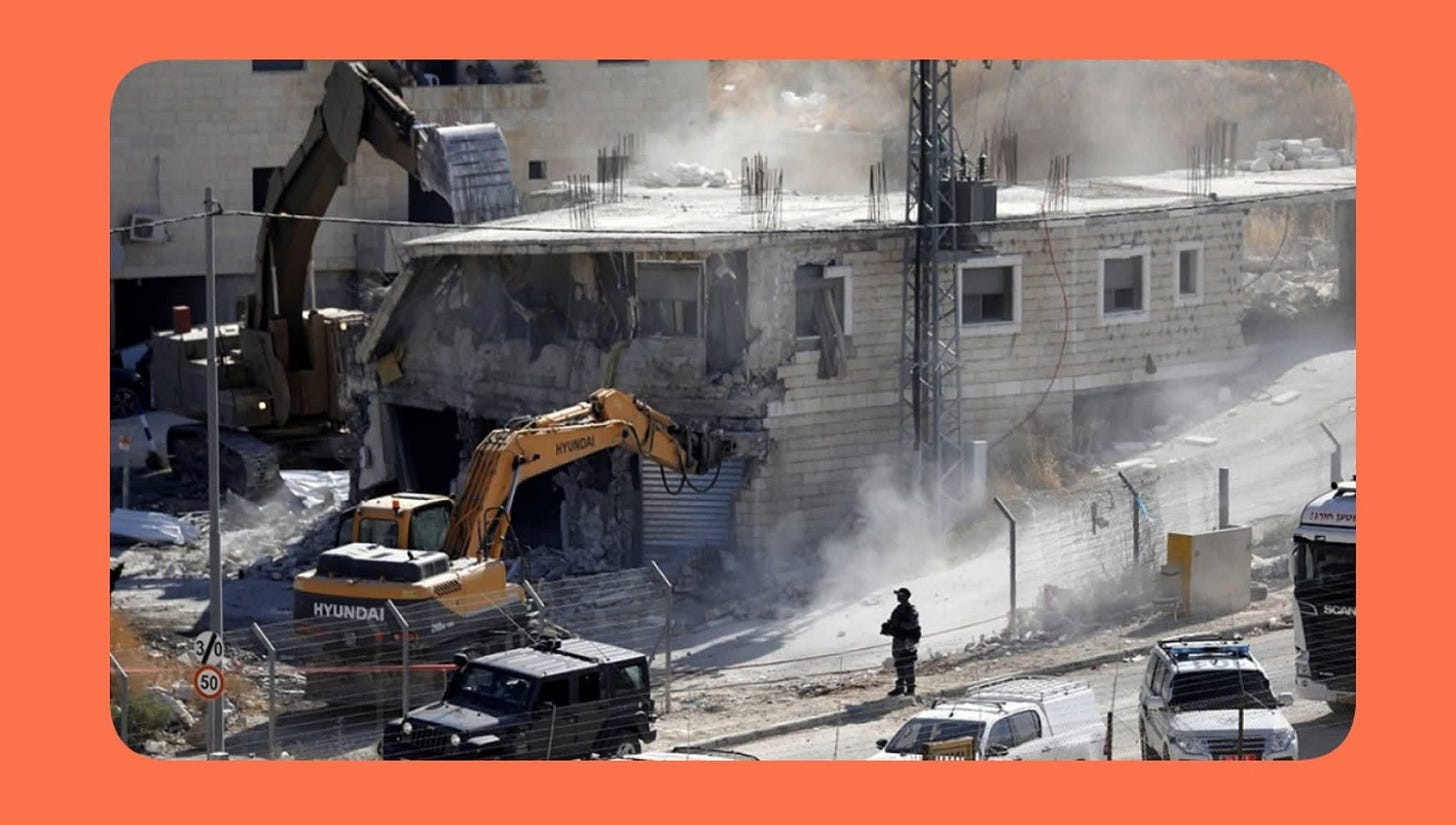
The legal framework governing evidence in international criminal justice provides a counterweight to narrative control, though with significant delays and gaps. The Rome Statute of the International Criminal Court sets out rules for admissibility under Article 69, requiring that evidence be relevant, probative, and not unduly prejudicial. The Court has discretion to admit or exclude material, and Article 69(7) specifically allows exclusion if evidence was obtained in violation of international law in a way that casts doubt on reliability or undermines the integrity of proceedings. The ICC has accepted a wide range of evidence, including satellite images, intercepted communications, forensic exhumations, and increasingly digital open-source material such as smartphone videos. The Berkeley Protocol on Digital Open Source Investigations, published under UN auspices, sets professional standards for collecting, preserving, and verifying digital material so that it can withstand admissibility challenges. Key elements include maintaining original files with metadata, using hashing to secure integrity, corroborating with multiple sources, and documenting the chain of custody.
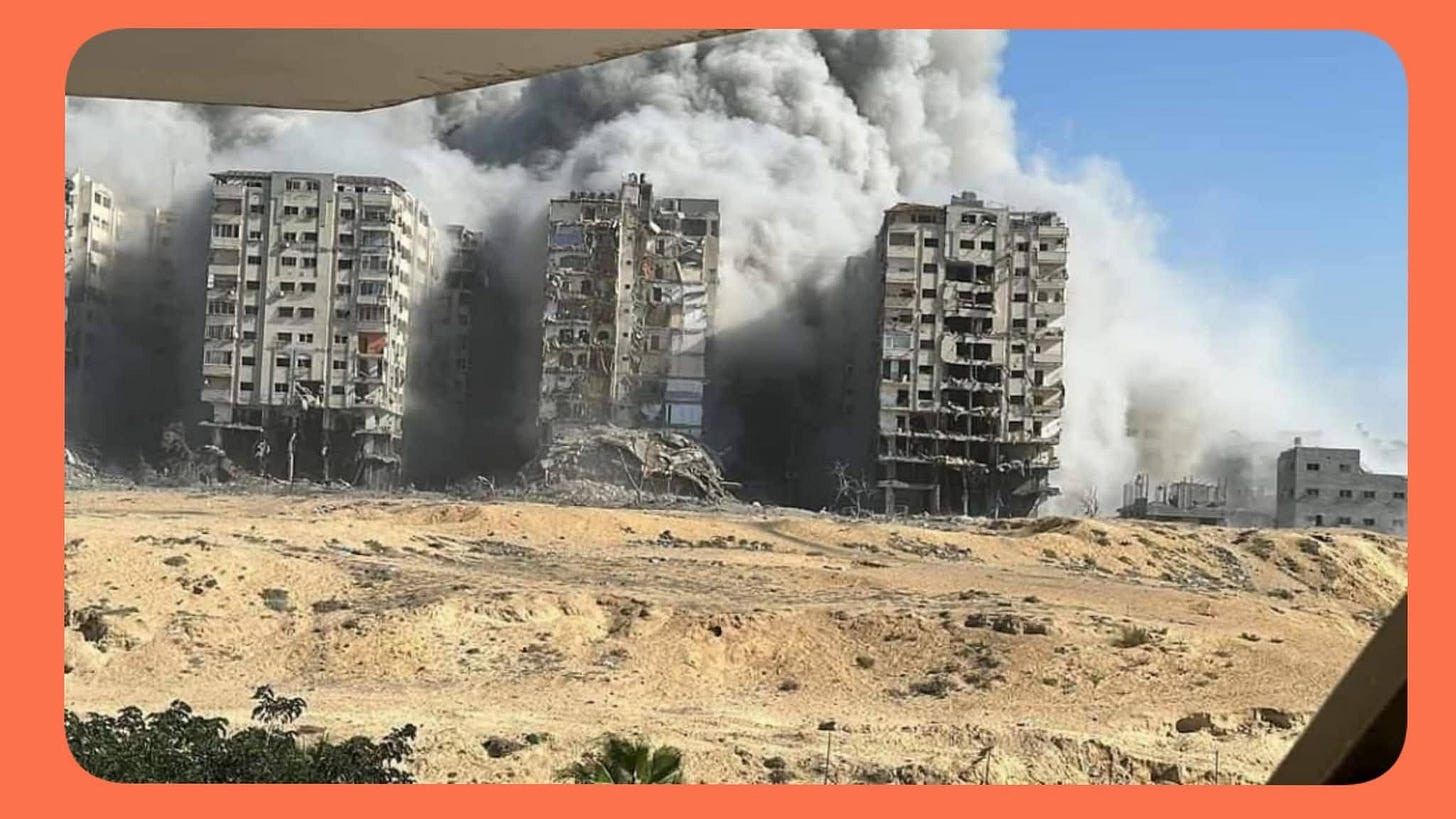
Judges remain cautious about the probative value of online content, especially when origin, authenticity, or context is disputed. To overcome these doubts, prosecutors combine digital files with satellite imagery, witness testimony, medical records, and forensic analysis of weapons fragments. In Syria, investigative groups such as the Commission for International Justice and Accountability have smuggled out millions of pages of regime documents that, combined with digital media, support universal jurisdiction prosecutions in European courts. In Ukraine, ICC investigators have relied heavily on digital evidence of bombardments, corroborated by independent satellite data and site visits. These precedents demonstrate that courts can adapt to new evidentiary realities, but also that the process of verification and litigation stretches across years, creating a gap between atrocity and accountability.
The digital environment introduces unique challenges for accountability. Platforms such as Meta, TikTok, and YouTube have become primary repositories for atrocity evidence, but their moderation policies often remove or downrank violent content, even when uploaded for documentation. Human Rights Watch has documented “systemic censorship” of Palestine-related content on Meta’s platforms, where posts documenting attacks or humanitarian conditions were taken down or hidden. During hostilities in Gaza, thousands of accounts reported content removal or restrictions, often without clear explanation. TikTok blocked circulation of Osama bin Laden’s 2002 letter after young users began sharing it, demonstrating how platforms can erase politically sensitive material that might otherwise inform historical debate. These actions reflect corporate safety policies and legal obligations but also serve to shape what remains visible to publics and researchers.

AI tools add further complexity. Synthetic media allow adversaries to flood channels with fabricated content, diluting authentic material and creating confusion. A 2022 deepfake video of Ukraine’s president announcing a fake surrender exemplifies the tactic, and similar content has appeared in multiple conflicts. The European Union’s AI Act now requires labelling of deepfakes and disclosure when interacting with AI systems, and the Digital Services Act mandates risk assessments and researcher access for very large platforms. These measures are intended to improve transparency and resilience, but enforcement remains uncertain and adversarial actors often find loopholes. Academic work in media studies warns that the volume and velocity of synthetic media will test verification systems, requiring forensic rigour and distributed archiving to preserve reliable evidence.

The question of why Israel appears confident in escaping accountability must be assessed in the light of historical precedent, geopolitical context, and institutional constraints. First, geopolitical alliances matter. Israel receives consistent military and diplomatic backing from the United States, including substantial aid and defence cooperation. That backing extends to shielding in international forums, most visibly through the use of US vetoes in the UN Security Council to block resolutions critical of Israel’s conduct. European states are divided, with some pursuing arms sales and strategic cooperation while others call for stronger accountability. This geopolitical shield reduces near-term pressure and gives Israeli leaders confidence that even strong findings by UN commissions or independent experts will not translate into binding Security Council action.

Second, international justice proceeds slowly. The ICC Prosecutor has requested arrest warrants for senior Israeli officials, alongside leaders of Hamas, but such requests must be reviewed by judges and face political pushback. Even if warrants are issued, enforcement depends on member states arresting and surrendering accused persons. In past cases, such as Sudan’s Omar al-Bashir, ICC warrants remained unenforced for years because states refused to act. Israeli officials may calculate that similar dynamics will apply, allowing them to travel within allied states without risk of arrest and to avoid custody indefinitely. The slow pace of proceedings creates a gap between public outrage and tangible consequences, reducing the deterrent effect in the short term.
Netanyahu is a wanted for grave crimes via an international arrest warrant. The International Criminal Court Prosecutor has already sought an arrest warrant for Prime Minister Benjamin Netanyahu on charges of war crimes and crimes against humanity, alongside warrants for other Israeli officials. Yet no action has followed, because enforcement depends on member states making arrests, and Israel’s allies have signalled open opposition to the Court. This absence of enforcement demonstrates how leaders accused of grave crimes may continue governing while legal processes remain stalled, reinforcing their confidence that accountability can be deferred indefinitely.
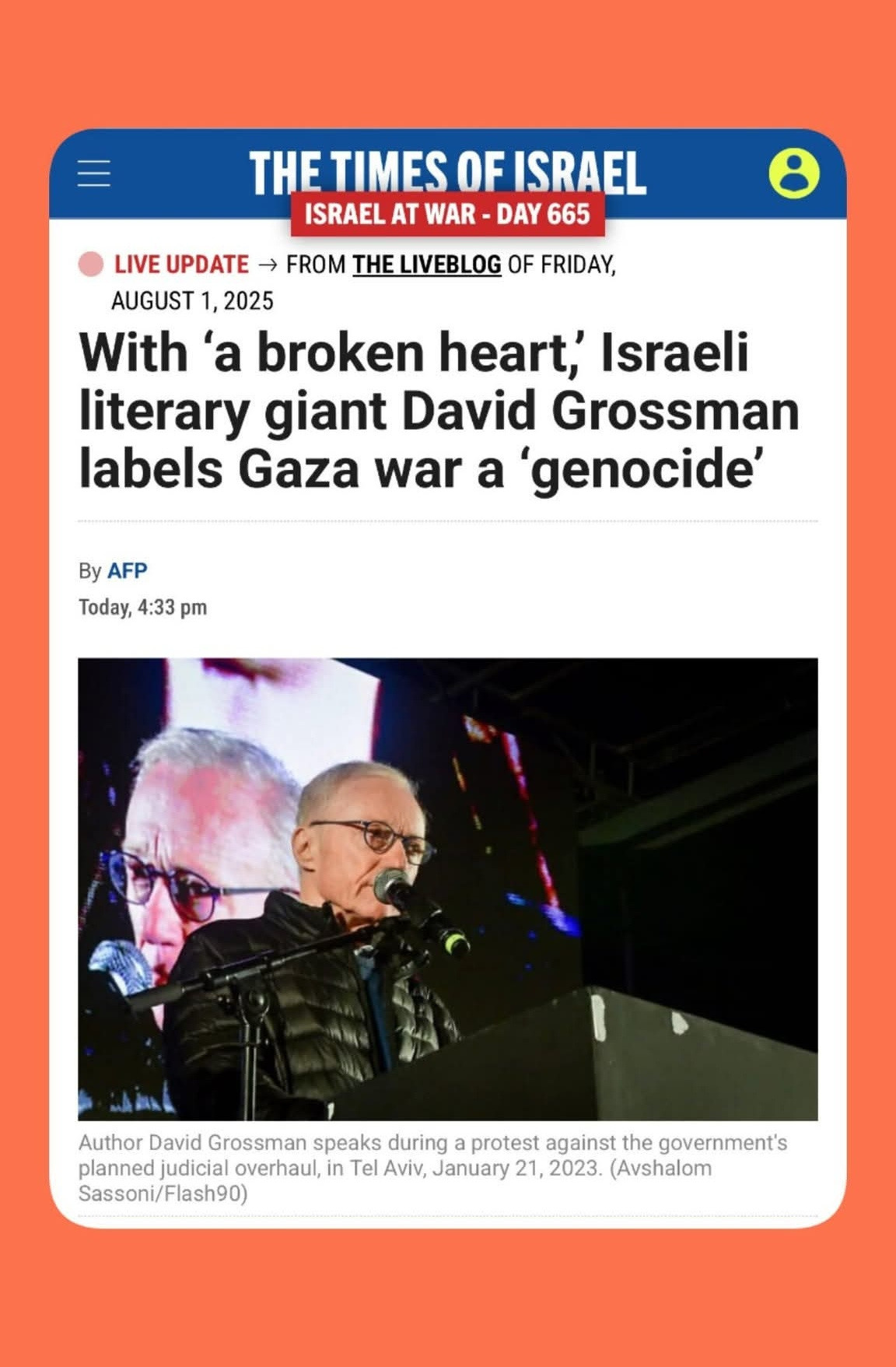
Third, Israel has invested heavily in long-term narrative management. The Hasbara Project of the early 1980s trained diplomats to cultivate American journalists and build lasting relationships with media outlets. Later “Brand Israel” campaigns sought to highlight culture, technology, and tourism to soften international image. These investments mean that Israeli perspectives are deeply embedded in Western media ecosystems, universities, and cultural institutions. Critical voices exist, but pro-Israel framing has long shaped agenda-setting, often portraying actions as defensive or inevitable. This narrative infrastructure fosters confidence that even severe allegations can be managed through selective framing, emphasis on context, or by shifting attention to adversaries’ conduct.
Fourth, control over platforms and distribution channels provides tactical advantages. States and allied groups can report content for removal, flood networks with counter-messaging, and exert informal pressure on companies concerned about regulatory or reputational risks. Researchers have shown that disinformation campaigns often aim not to persuade but to confuse, to create doubt about what is true. By contesting every claim, even in bad faith, perpetrators create informational fatigue that leads publics to disengage. Israel benefits from a global environment where attention spans are short and conflicts compete for visibility. The calculation may be that early outrage will fade as moderation reduces circulation of atrocity imagery, leaving only official statements and managed media coverage as reference points for many citizens.
Finally, enforcement gaps limit consequences. Even if courts find crimes, the ability to sanction depends on political will and collective action. States with strong economic or military ties to Israel may be unwilling to impose sanctions or arms embargoes. Without enforcement, legal findings risk becoming symbolic rather than coercive. Israel may look to examples such as the United States after the Iraq invasion, where inquiries criticised conduct but produced little accountability, or to Russia, where ICC warrants against Vladimir Putin have not changed the trajectory of the war in Ukraine. In this environment, Israeli officials may believe that severe reputational costs are manageable and that practical sanctions will remain limited.
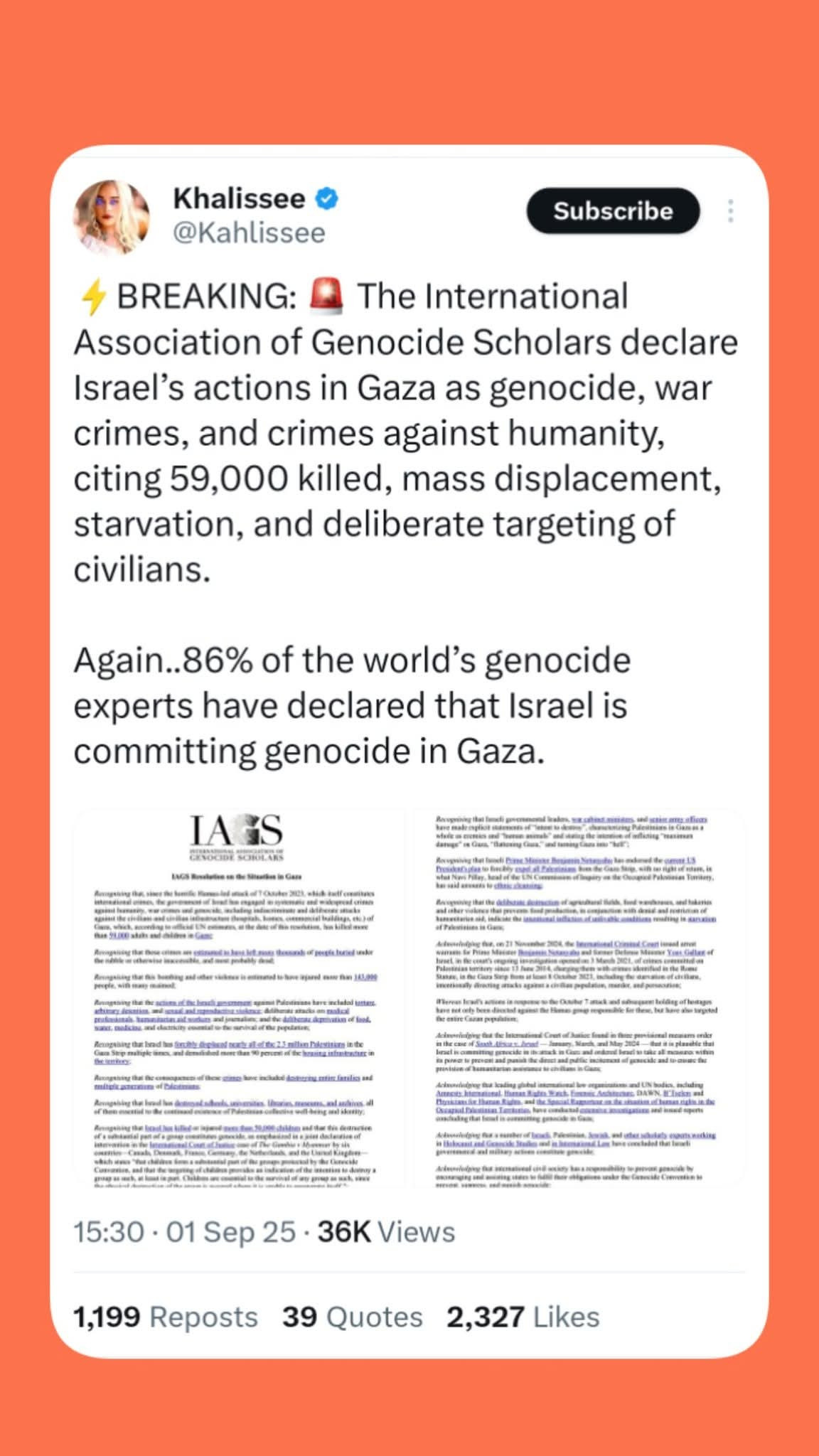
The lessons from history suggest that concealment and narrative management can delay but not permanently erase accountability. The Hanslope Park files eventually emerged. Forensic exhumations in the Balkans exposed mass graves despite elaborate concealment. Survivors’ testimony and preserved documents at Nuremberg countered denial. In each case, independent archiving, investigative persistence, and judicial processes ultimately reshaped the record. The same may occur with Gaza, provided that evidence is preserved securely, that investigators apply professional standards, and that courts are given the time and access to weigh claims. The decisive factor is not whether perpetrators attempt erasure, they always do, but whether independent institutions are strong enough to preserve and authenticate the record.
Practical steps follow. Investigators must secure redundant archives outside platform control, applying hashing and metadata preservation to guarantee authenticity. Journalists and NGOs should document takedown patterns and preserve moderation records for later scrutiny. Legislatures should require platforms to retain potential atrocity evidence once flagged by credible organisations, to provide researcher access, and to disclose removal rationales. Courts must adapt by recognising the probative value of digital open-source material when collected under professional protocols. Civil society must continue to build distributed repositories and to train researchers in digital forensics. These measures can narrow the space for erasure and ensure that historical memory is not wholly determined by those with the most power.
Israel’s confidence in escaping accountability rests on three pillars: diplomatic protection, institutional delay, and narrative dominance. History shows that these pillars can support impunity for years, but also that cracks appear when independent evidence accumulates and when courts and commissions gain access. The struggle over memory and accountability is not new, but its stakes are sharpened in a digital age where evidence can be deleted instantly or preserved permanently. Whether the truth of Gaza survives depends on choices made now by investigators, archivists, journalists, and states. History suggests that efforts to erase atrocities may succeed in the short term, but rarely endure when evidence is preserved, verified, and eventually judged in open forums.
Authored By: Global GeoPolitics
Popular Information is powered by readers who believe that truth still matters. When just a few more people step up to support this work, it means more lies exposed, more corruption uncovered, and more accountability where it’s long overdue. If you believe journalism should serve the public, not the powerful, and you’re in a position to help, becoming a PAID SUBSCRIBER truly makes a difference.
Donations: buymeacoffee.com/ggtv