
What Do Russia and Ukraine Want, And Does This Align With The Current Pursuit Of Peace?
Contents
Introduction
What Does Ukraine Want?
What Does Russia Want?
A 28-Point Plan
Concluding Remarks
Bitesize Edition
Ukraine’s Negotiating Position - Ukraine is seeking a settlement that protects its territorial claims while providing credible security guarantees against potential future Russian aggression. It has demonstrated some flexibility over how the conflict could end, including discussions around a ceasefire based on the current frontlines. However, accepting a ceasefire would not necessarily mean recognising Russian sovereignty over occupied territory.
Russia’s Conditions - Russia continues to demand territorial concessions and restrictions on Ukraine’s military and future alignment with NATO. These demands would constrain Ukraine’s ability to defend itself and pursue its own strategic choices. The central question is whether Moscow would accept a settlement that falls short of its stated objectives.
The 28-Point Peace Plan - The US-backed proposal circulated in November 2025 offered a framework involving territorial concessions, military restrictions, security guarantees and economic incentives. It also raised difficult questions about accountability, sanctions relief and the credibility of future deterrence. Subsequent negotiations and revisions mean the original draft should be treated as an important negotiating reference rather than a final agreement.
The Path Towards Peace - A detailed peace proposal does not necessarily mean that peace is closer, particularly when the parties disagree over territory and future security. Changes in battlefield conditions, domestic political pressure and US policy could alter the incentives facing both sides. Any lasting settlement would need to address not only how the current war ends, but also how the risk of another war is reduced.
Introduction
The potential future scenarios that could occur in this conflict are wide-ranging. By exploring these potential futures, we could come closer to ending this conflict through a tolerable solution for all involved. This would stop the suffering of many overnight.
Today, we’ll explore what Ukraine wants from a peace agreement, and what the Russians want. We’ll then discuss the latest proposed peace plan, and how this differs from what both Russia and Ukraine want. Let’s dive in.
What Does Ukraine Want?
Diplomatic efforts have faltered since early 2026, but in September, Steve Witkoff and Jared Kushner made separate visits to both Russia and Ukraine. The reduction in efforts prior to this had been impacted by the United States’ activity in the Middle East. It’s notable that no clear details were provided from these visits, and the general consensus is that these talks have made very little positive progress.
Still, let’s consider what the Ukrainians have stated they typically want from peace:
Territory - Ukraine states that negotiations should be based on the current frontlines, rather than the ceding of the entire Donbas. This is important because if this conflict continues and Russia takes the entirety of the Donbas, this Ukrainian hope could be nullified. Despite negotiations being based on the frontlines, Ukraine states it will refuse to unilaterally recognise Russian sovereignty over Crimea, Donetsk, and Luhansk.
Security- Long-term security assurances from the United States and Europe, including a multinational presence to deter future aggression. Zelenskyy is seeking guarantees for over 20 years, while the United States offered a 15-year commitment in the past, but the details of such a commitment were vague. This could involve a pathway towards EU membership, but NATO involvement is unlikely.
Financial Support - Ukraine is seeking $800B in public and private funding over the next decade to reconstruct.
Domestic Politics - Ukraine requires a ceasefire before presidential elections are held, which would be organised with international support.
 In the past, Ukraine has also discussed the hope for the return of prisoners of war, civilian detainees, and kidnapped children, as well as an ecocide investigation into the Nova Kakhovka Dam destruction, and justice for Russian war crimes.
What is notable is that Ukraine has shifted its negotiation stance over the years.
Conditions For Negotiation In Ukraine
In December 2024, as I discussed in the post linked above, Ukraine’s initial conditions were full Russian withdrawal, a restoration of the 1991 borders, which included Crimea, and Russian reparations for war damages. Many of these conditions have loosened in the years that followed.
On the surface, this supports the idea that Ukraine is willing to manoeuvre on its demands. This is a prime characteristic of how a negotiation should be when all parties approach it in good faith.
This Ukrainian movement is despite the fact that Ukraine wasn’t the aggressor. Many of the things that Ukraine wants are achieved if Russia stops fighting. And yet, the war continues.
For Russia, they don’t want to see Ukraine slip closer to Europe geopolitically, nor do they want a direct European and NATO presence on their border. As a result, some of these criteria above are points that Russia will likely disagree with.
So, with this being presented, we now need to consider what the Russians want.
What Does Russia Want?
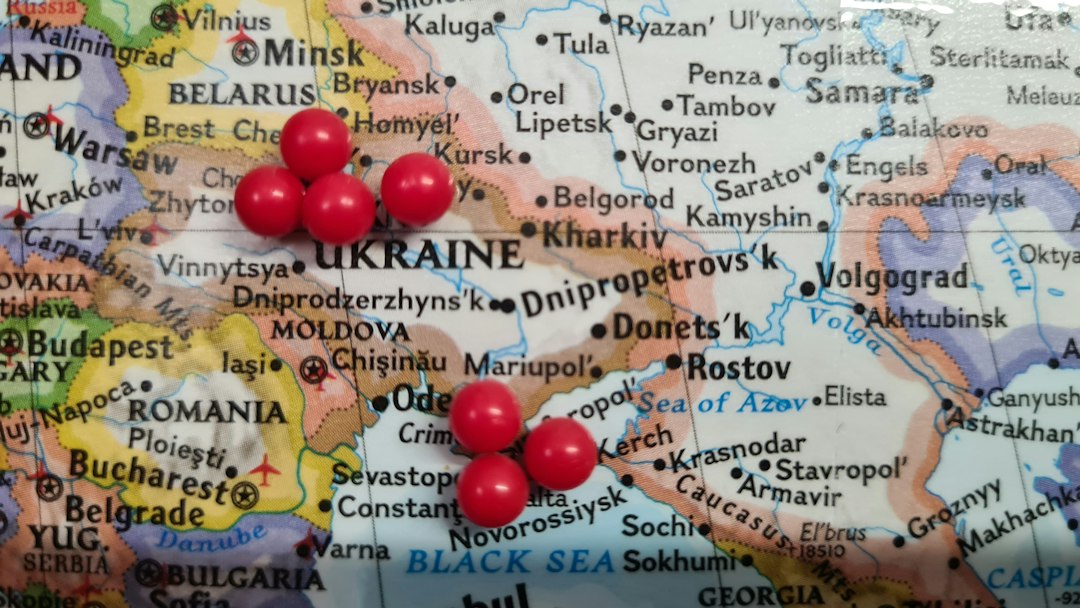
What Russia wants is what Putin wants. This is influenced by the 2022 Istanbul Communiqué, as implied by Sergei Lavrov in his December 2024 interview on Tucker Carlson. This involved the following points:
Territory - Crimea was to be negotiated after 10 or 15 years. Russia would keep the territory it possesses at the time, including the four oblasts of Donetsk, Luhansk, Kherson, and Zaporizhzhia.
Security - Limits would be placed on the size of Ukraine’s military, foreign military bases and the presence of foreign troops would be banned, and the cessation of plans for NATO membership. Ukraine’s security would be provided by a list of nations as guarantors, who are obligated to assist Ukraine in the event of aggression. Notably, every guarantor would be able to veto this system, including Russia, which itself would be a guarantor. Ukraine would be allowed to apply for EU membership as a neutral state.
Russia’s demands for peace remain similar today, as per the October 2026 position provided by spokesman Dmitry Peskov and Putin himself:
Territory - Full Ukrainian withdrawal from Donetsk, Luhansk, Kherson, and Zaporizhzhia, including areas Ukraine currently controls. Russia also wants Ukraine to recognise sovereignty over Crimea.
Security - Ukraine denounces plans to join NATO and undergoes demilitarisation and disarmament to limit the size of its military and its capabilities. This would include the rejection of Western and European military personnel on Ukrainian soil.
Cultural - Protection of rights for Russian-speaking populations in Ukraine, and changes in the Ukrainian government.
 While Ukraine has moved on some of its demands for peace, many Russian demands have been maintained. Is this a trend that will continue? The latest peace pursuit, the U.S.-led 28-point plan, could provide answers.
A 28-Point Plan
The 28-point plan for peace was reported by Axios in November 2025. This appears to be the most recent push for peace that maintains relevance. This isn’t a final or agreed deal, and amendments continue to be pursued today.
This plan includes the following criteria, which were reportedly drawn up from Russian documents:
Russia will gain full de facto control of Luhansk and Donetsk. The United States and other countries would recognise Crimea and the Donbas as Russian territory, but Ukraine won’t have to. This territorial issue is a tough element to negotiate because the Russians and Ukrainians sit on opposite ends of the scale.
A non-aggression agreement between Russia, Ukraine, and Europe will be signed. As a result, Russia won’t invade neighbouring countries, and NATO won’t expand further. If Russia invaded once again, sanctions would resume, and any beneficial territorial aspect of this deal for Russia would be revoked. Again, this security issue is difficult to reinforce, and it requires strong incentives against restarting aggression. For Ukraine, any aggression towards Russia would see all security agreements withdrawn.
Any disagreements from the last three decades would be considered settled. Russia and NATO would resolve all current security issues to create an environment of de-escalation.
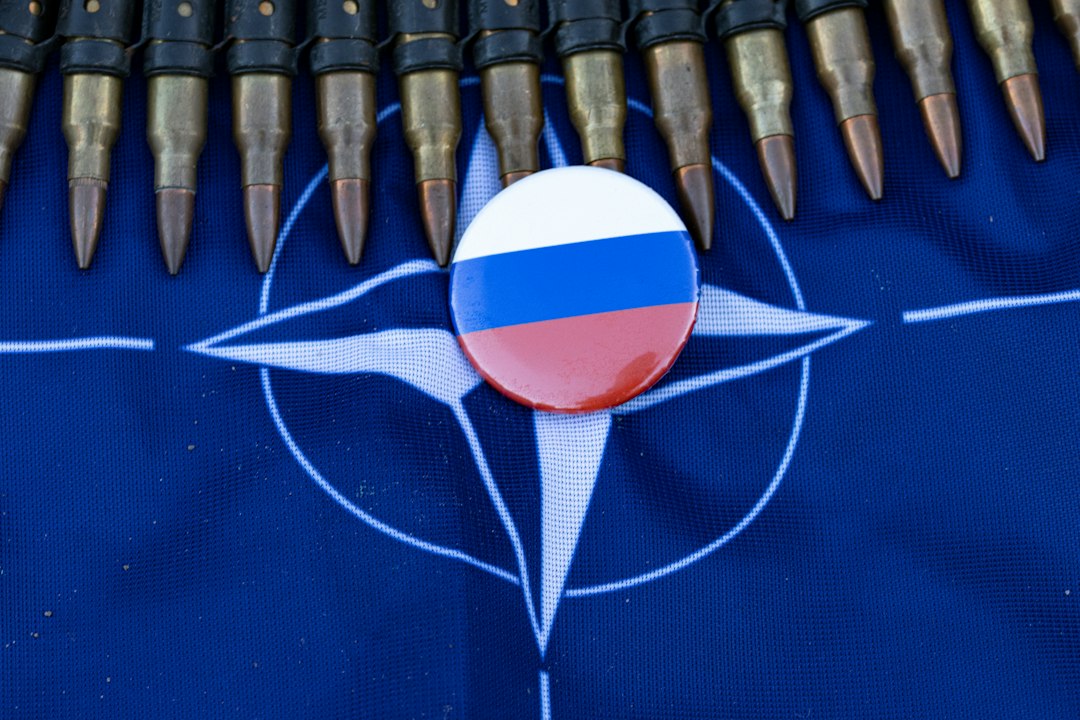 Russia wouldn’t prevent Ukraine from using the Dnieper River for commercial activities, and agreements for the free transport of grain across the Black Sea would return.
The Donbas would be demilitarised, and Russia wouldn’t be allowed to position troops there. In Kherson and Zaporizhzhia, the current lines would be frozen in place, with Russia returning some land subject to further negotiation. Ukraine’s sovereignty would otherwise be confirmed. This leads to questions surrounding what forces would govern these demilitarised areas.
Ukrainian officials claimed that the plan includes limitations on the size of Ukraine’s military (600,000 personnel) and on long-range weapons; in return, the Ukrainians would receive U.S. security guarantees. It’s unclear what this security guarantee would involve, but some documents detail an attack on Ukraine being treated as an attack on the entire transatlantic community. Also, NATO troops wouldn’t be stationed in Ukraine, despite France and the UK working on separate deals with Ukraine that would place a small number of troops in Ukraine after the war. Finally, the United States would receive compensation for its security guarantee, with this being 50% of the profits from any U.S-led projects in Ukraine’s reconstruction.
Ukraine would be eligible for EU membership and would receive short-term preferential access.
Russia would agree to extend the treaties on non-proliferation and control of nuclear weapons. Notably, the New START deal expired in February. Ukraine would also agree to be a non-nuclear state. Finally, Zaporizhzhia Nuclear Power Plant would see electricity produced distributed equally between Russia and Ukraine.
 Russian assets would go towards rebuilding Ukraine. This would also include a Ukraine Development Fund for innovative technologies, a modernisation of Ukraine’s gas infrastructure, and a minerals deal. In return, Russia would have sanctions lifted. The current U.S. deal surrounding reduced sanctions and diesel stocks is likely a small push from the United States to see Russia return to negotiations.
Part of the plan also refers to U.S-Russia cooperation in AI and mining, as well as a return to the G8. This would likely receive some pushback from Europe.
All parties would get amnesty for their actions. This would see no prosecution for war crimes, which the Ukrainians have stated they would hope to see some punishment for in the past.
As a part of this deal, Ukraine would hold elections within 100 days of a deal. Zelenskyy has stated he would hold elections once a ceasefire occurred, but it’s difficult to see how he is incentivised to do this unless he is sure Ukraine will remain protected and will benefit from this deal. This requires the territorial and security solutions in this conflict to be sufficient for Ukraine.
In the aftermath of this plan, a U.S. official stated that Zelenskyy was walking back from the understandings reached.
Zelenskyy instead had drafted another plan with European partners, which Russia would reportedly never accept, due to Europe being a “war party”. Also, Russia continues to reject a meeting with Ukraine.
So, with us knowing what Ukraine wants, what Russia wants, and the United States’ plan, is this a legitimate plan towards peace, or do issues still remain? We’ll discuss this on Thursday.

Concluding Remarks
Territorial and future security are key issues for Ukraine. They don’t want Russia to be in a position where it can relaunch an invasion in the future without clear and sufficient deterrence in place. Currently, this proposal would see Ukraine accept limits on its own defence in return for protection which is uncertain and undefined.
Russia maintains its stance in many of the key areas of negotiation, and the United States is a huge wildcard in this negotiation process. Currently, the United States seems to be hearing the Russian case more than in any previous pursuit to end this conflict.
This latest peace pursuit could lead to changes in this peace proposal, but the 28-point plan remains the basis for negotiation.
On Thursday, we’ll explore whether peace is closer than ever, or further away than past pursuits. Also, if peace does remain far away, how could changes in the current war environment lead to an environment where peace does grow more likely? We’ll discuss this and more next time.
Thanks for reading! I’d greatly appreciate it if you were to like or share this post with others! If you want more, then subscribe on Substack for these posts directly to your email inbox. I research history, geopolitics, and financial markets to understand the world and the people around us. If any of my work helps you be more prepared and ease your mind, that’s great. If you like what you read, please share this with others.
Key Links
The Geopolitics Explained Podcast
The Geopolitics Explained Reading List
Enjoy 3 months of Audible membership for £0.99 per month. Each month, you will receive 1 credit, which can be redeemed for an audiobook of your choice. Membership can be cancelled monthly and renews at £5.99 per month after the 3 months:

If you want to see daily updates and discover other newsletters that suit you, download the Substack App.
 Get more from Dylan Muggleton in the Substack app
Available for iOS and Android
You can become a paid subscriber to support my work. There are paid posts every Thursday and long-form monthly articles in my global questions series exclusively for paid subscribers. The Geopolitics Database is also accessible. Read Geopolitics Explained for 20p per day or start a free trial below to find out if my work is for you! I appreciate your support!