

Worcester and Evesham might be best known for their history, but they also share a deep-rooted passion for gardening. From Worcester’s grand Victorian estates to Evesham’s thriving market gardening tradition, this corner of England has long been a place where people grow, nurture, and harvest. Whether you’re a history-loving gardener or just looking for inspiration from the past, there’s plenty to learn from the region’s rich horticultural legacy.

In this guide, we’ll explore how Worcester and Evesham became gardening hotspots, what we can learn from traditional growing methods, and how to bring some of these age-old practices into modern-day gardening.
The Orchard County: Worcester’s Fruit-Growing Fame
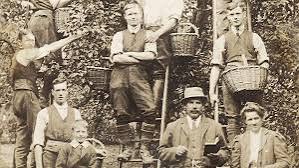
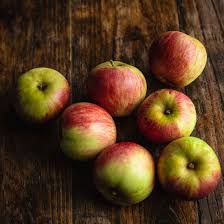
Worcestershire was once at the heart of England’s fruit industry, earning the title ‘Orchard County’ due to its vast apple, pear, and plum orchards. Some varieties, such as the Worcester Pearmain apple, were first cultivated here in the 19th century and are still popular among home gardeners for their sweet, crisp flavour.
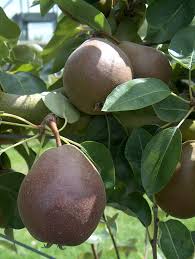
Another legendary fruit is the Worcester Black Pear, which is so iconic that it appears on the city’s coat of arms. These pears are known for their tough skin and long shelf life, making them perfect for storing over winter—a reminder that, historically, gardening wasn’t just about beauty but also survival.
How to Grow Worcester’s Famous Fruits in Your Own Garden:
• Apple Trees – If you want to grow a traditional Worcester Pearmain, look for MM106 rootstock for a medium-sized tree or M27 rootstock for a small patio tree.
• Pear Trees – Worcester Black Pear trees are slow-growing but resilient. They prefer deep, fertile soil and a sunny, sheltered position.
• Plum Trees – Victoria plums, also widely grown in Worcestershire, thrive in clay-rich soils with good drainage.
Evesham: The Market Garden of England
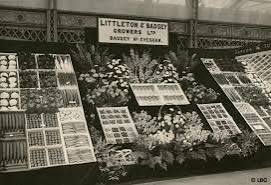
While Worcester had its orchards, Evesham became famous for its market gardening—the large-scale production of fruits and vegetables for sale at markets. The Vale of Evesham is one of the most fertile areas in the country, and for centuries, its growers supplied fresh produce to the rest of England.
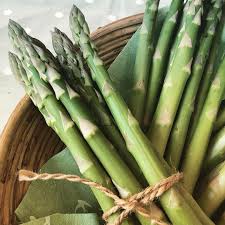
One of the most famous crops from the area is Evesham asparagus, celebrated for its flavour and quality. The first asparagus of the season was traditionally cut by hand and sold for high prices in London markets. Today, the annual Evesham Asparagus Festival continues to celebrate this iconic crop.
How to Grow Evesham’s Classic Crops:
• Asparagus – Choose a sunny, well-drained site and plant crowns in early spring. Expect to wait two years before harvesting—good things take time!
• Brassicas (Cabbage, Sprouts, Kale) – Evesham growers mastered the art of succession planting. Sow brassicas in late summer to keep a year-round supply.
• Soft Fruits (Strawberries, Raspberries, Blackberries) – The Vale’s mild climate made it perfect for berries. Use mulch and netting to protect them from birds.
The Victorian Gardening Boom
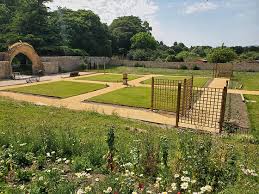
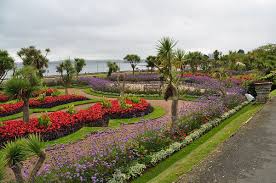
During the Victorian era, gardening became a sign of wealth and sophistication. Large estates such as Spetchley Park Gardens, just outside Worcester, became showcases of exotic plants, ornamental flower beds, and manicured landscapes.
Victorian gardeners also popularized kitchen gardens, where vegetables, herbs, and flowers were grown side by side in beautifully designed plots. This concept is making a comeback today as gardeners look for sustainable and decorative ways to grow food.
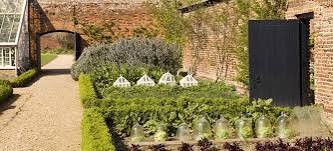
How to Bring Victorian Garden Style Into Your Own Garden:
• Walled Gardens – If you have a small garden, use trellises or fences to create a microclimate for heat-loving plants like tomatoes and peaches.
• Ornamental Vegetable Beds – Mix flowers with veg; for example, plant lavender next to cabbages to deter pests.
• Heritage Seeds – Try growing old varieties like ‘Victorian Colossal’ kale or ‘Painted Lady’ runner beans, both popular in the 1800s.
Worcester and Evesham’s Gardening Traditions Today
Even in modern times, Worcester and Evesham remain strongholds of horticulture. Here are some of the best places to visit for inspiration:
Worcester:
• Worcester Woods Country Park – A great place to observe native trees, wildflowers, and pollinator-friendly landscapes.
• The Commandery Gardens – A historic site where medieval monks once grew herbs and vegetables.
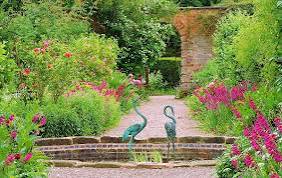
• Spetchley Park Gardens – A Victorian-style estate with an impressive collection of rare plants.
Evesham:
• Abbey Park – A beautiful riverside park with flower beds and ancient trees.
• The Valley Evesham – A garden centre with an emphasis on local and heritage plants.
• The Asparagus Trail – Visit local farms during asparagus season to see traditional growing methods in action.
What We Can Learn from Worcester and Evesham’s Gardening Heritage
• Growing for Storage – Traditional Worcestershire gardeners focused on crops that could be stored long-term, like apples, pears, and root vegetables.
• Succession Planting Works – Evesham’s market gardeners perfected the technique of staggered planting, ensuring a steady supply of produce.
• Companion Planting is Key – Victorian and medieval gardeners relied on natural pest deterrents like marigolds, lavender, and sage, a technique still useful today.
• Local Climate Matters – The success of asparagus in Evesham and apples in Worcester proves that choosing plants suited to your local soil and weather leads to healthier, more productive gardens.
Conclusion
Worcester and Evesham’s gardening traditions are more than just history—they’re full of practical lessons that modern gardeners can use today. Whether you’re planting heritage fruit trees, experimenting with market garden techniques, or simply strolling through a historic park, you’re taking part in a long and proud horticultural legacy.
So next time you plant a pear tree, harvest your homegrown asparagus, or plan a Victorian-inspired vegetable garden, remember—you’re carrying on a tradition that has thrived in Worcestershire for centuries.