
Forex markets, characterized by their dynamic nature, are subject to constant fluctuations. Traders often seek to identify patterns and trends to make informed decisions and maximize their profitability. One phenomenon that captures the attention of traders is the change in polarity, where support becomes resistance, and resistance becomes support. Understanding this polarity shift is crucial for traders navigating the forex market. In this article, we explore the significance of polarity shifts and their implications for forex trading.
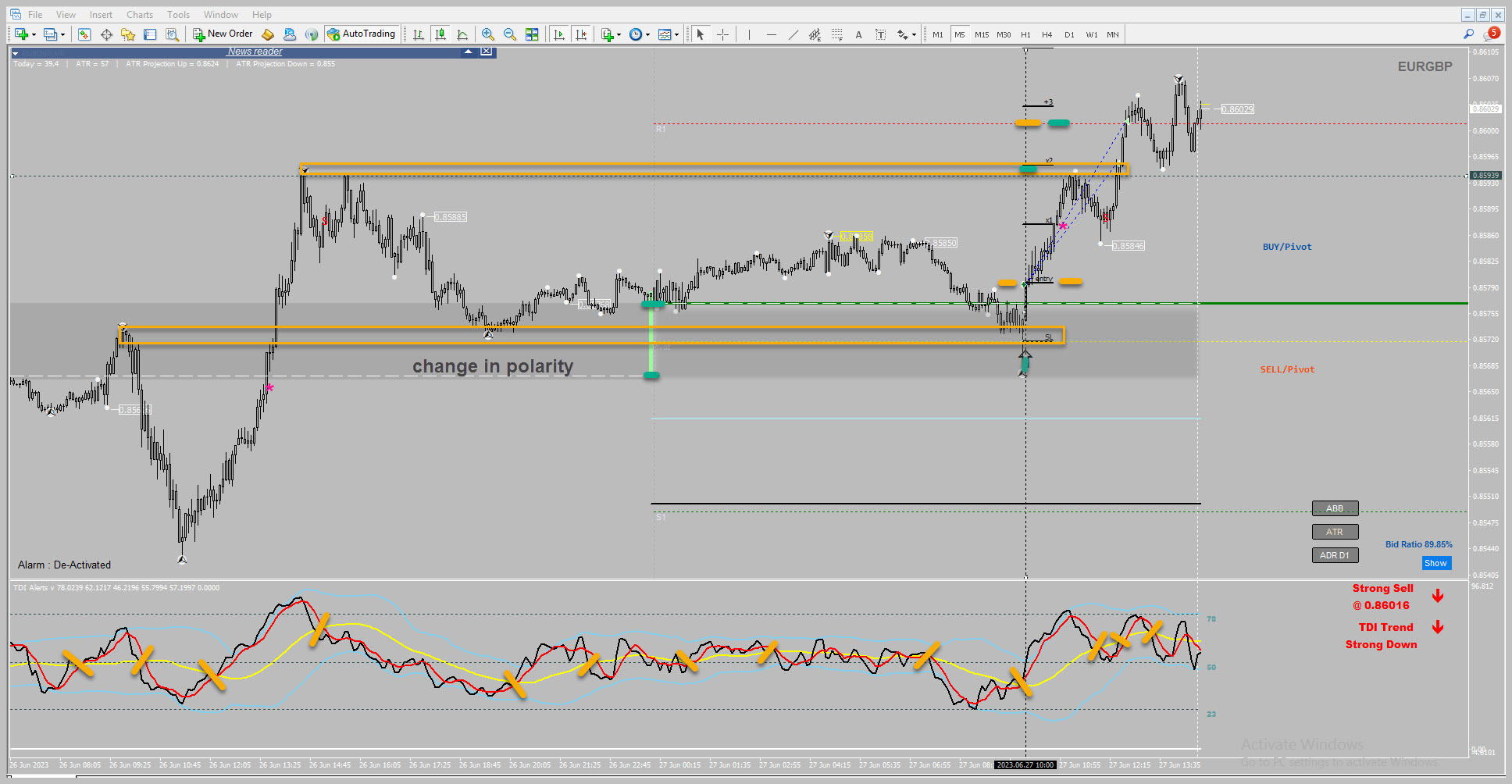
Understanding Polarity Shifts:
Polarity shifts occur when a key level of support or resistance, which previously held strong, is breached. This breach marks a significant change in market sentiment and often leads to a reversal of roles between support and resistance. Former support levels may now act as resistance, while former resistance levels may serve as support. This shift indicates a change in the balance between buyers and sellers, and traders can capitalize on these changes to improve their trading strategies.
Implications for Forex Traders:
Identification of Reversal Points: Polarity shifts provide valuable clues for identifying potential reversal points in the market. When a support level is broken and turns into resistance, it signals a possible trend reversal from bullish to bearish. Conversely, when resistance transforms into support, it suggests a potential shift from bearish to bullish. Traders can utilize this information to enter or exit trades at favorable positions, increasing their chances of profitability.
Confirmation of Breakouts: Polarity shifts act as a confirmation mechanism for breakouts. Breakouts occur when price surpasses a significant level of support or resistance. If a former resistance level becomes support after a breakout, it confirms the strength of the breakout and potentially attracts more buyers, leading to further upward momentum. Traders can use this confirmation to validate breakouts and make more informed trading decisions.
Adjusting Stop Loss and Take Profit Levels: Polarity shifts also influence risk management strategies. As support turns into resistance or vice versa, it affects the placement of stop loss and take profit levels. By considering the new support and resistance areas formed after a polarity shift, traders can adjust their stop loss levels to limit potential losses and set realistic take profit targets, maximizing their risk-reward ratio.
Market Sentiment Analysis: Polarity shifts reflect a change in market sentiment. Monitoring these shifts allows traders to gauge the psychology of market participants. If a former support level turns into resistance, it suggests that traders are selling at that level, indicating a bearish sentiment. Conversely, when resistance becomes support, it indicates a bullish sentiment as traders are willing to buy at that level. Understanding market sentiment aids traders in aligning their positions with the prevailing market direction.
Conclusion:
Polarity shifts in forex trading play a crucial role in identifying potential reversal points, confirming breakouts, adjusting risk management strategies, and analyzing market sentiment. By recognizing these shifts and adapting their trading strategies accordingly, traders can gain a competitive edge in the forex market. It is essential to combine technical analysis, price action, and other indicators to validate polarity shifts and make well-informed trading decisions. Embracing the dynamics of polarity shifts empowers traders to navigate the ever-changing forex market landscape with confidence and potentially enhance their profitability.