

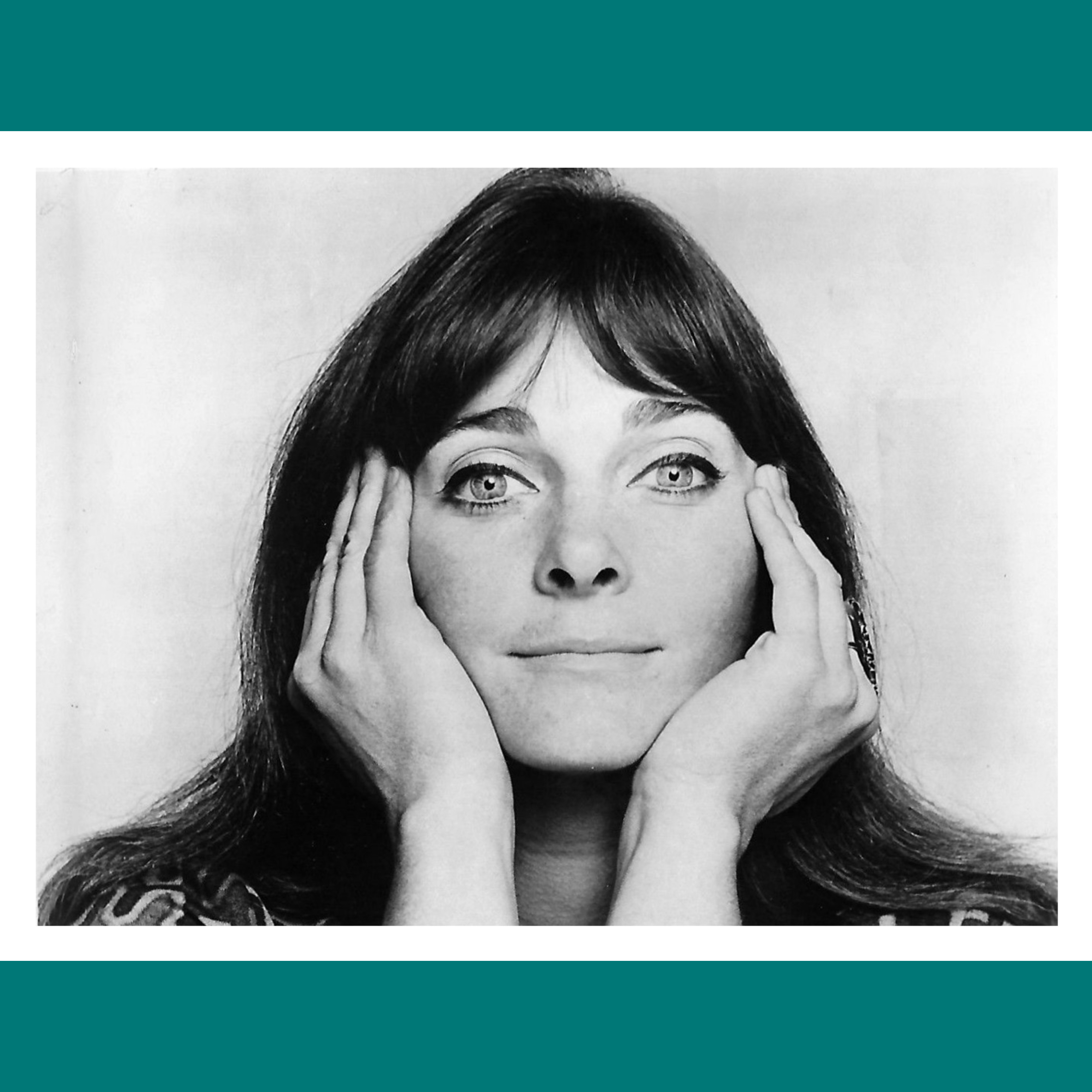
Her voice, a crystalline soprano that seems to carry the weight of centuries and the hope of tomorrow, has been a beacon for generations. Judy Collins, born Judith Marjorie Collins on May 1, 1939, in Seattle, Washington, is more than a folk music icon—she is a storyteller, a survivor, and a force of unwavering creativity. With a career spanning nearly seven decades, her music has woven itself into the fabric of countless lives, offering solace, inspiration, and a mirror to the human experience. From her early days as a piano prodigy to her role as a cultural touchstone in the 1960s folk revival, Judy’s journey is one of triumph over adversity, bold artistic evolution, and a deep emotional connection with her audience. This is the story of a woman whose voice has never faltered, whose heart has endured unimaginable pain, and whose spirit continues to soar at 86.
A childhood shaped by music and challenge
Judy’s story begins in a musically rich household, the eldest of five siblings in Seattle. Her father, Charles “Chuck” Collins, was a blind singer, pianist, and radio host whose Irish roots and love for traditional ballads like “Danny Boy” filled their home with song. His tenacity despite his disability left an indelible mark on young Judy, who recalls his warm tenor voice serenading her mother, Marjorie. But Judy’s childhood wasn’t without hardship. At age 11, she contracted polio, a terrifying illness that left her bedridden for two months in a Denver hospital after her family relocated there in 1949. Isolated and frail, she found refuge in music, a lifeline that would guide her through life’s darkest moments.
By age 10, Judy was studying classical piano under the tutelage of Antonia Brico, a pioneering female conductor who became a lifelong mentor. At 13, she made her public debut performing Mozart’s Concerto for Two Pianos, dazzling audiences with her prodigious talent. Yet, despite her classical training, Judy’s heart was drawn elsewhere. At 15, she heard “The Gypsy Rover” on the radio, a folk song that ignited a passion for the raw, emotional storytelling of Woody Guthrie and Pete Seeger. Trading her Steinway for a guitar, she began performing in Denver’s folk clubs, her clear voice and soulful interpretations hinting at the legend she would become.
The folk revival and a voice for change
The 1960s were a crucible for Judy Collins, both personally and artistically. After moving to Greenwich Village, New York, she immersed herself in the folk revival, a movement that blended music with social activism. Her debut album, A Maid of Constant Sorrow (1961), showcased her ability to breathe new life into traditional folk songs, but it was her eclectic taste and knack for discovering talent that set her apart. Judy became a champion of then-unknown songwriters, introducing the world to Leonard Cohen’s “Suzanne” and Joni Mitchell’s “Both Sides Now.” Her 1967 album Wildflowers, featuring the latter, was a landmark, earning her a Grammy for Best Folk Performance and cementing her status as a folk icon.
Judy’s music was more than beautiful—it was a call to action. Her crystalline rendition of “Amazing Grace” in 1970 became an anthem of hope, later preserved in the National Recording Registry for its cultural significance. She sang at protests, supported the Yippie movement, and even attempted to perform “Where Have All the Flowers Gone?” in court during the 1969 Chicago Seven trial, only to be silenced by the judge—a moment that underscored her fearless commitment to justice. Her activism extended to UNICEF, where she served as a Special Representative for the Arts, advocating for causes like landmine removal.
Love, loss, and personal struggles
Behind the luminous voice was a woman grappling with profound personal challenges. Judy’s first marriage to Peter Taylor in 1958 brought her son, Clark, but ended in divorce in 1965. Her relationship with Stephen Stills inspired the iconic “Suite: Judy Blue Eyes,” a testament to her striking blue eyes and magnetic presence, though their romance ended in 1969. In 1996, she married designer Louis Nelson, her partner of over 25 years, whose steadfast support has been a cornerstone of her later life.
Yet, Judy’s life was marked by tragedy and resilience. She battled alcoholism, eating disorders, hepatitis, and tuberculosis, emerging stronger each time through therapy and a fierce will to survive. The most devastating blow came in 1992 when her son, Clark, died by suicide after years of struggling with addiction. Judy channeled her grief into her memoir Sanity & Grace, a raw exploration of loss and healing that resonates with anyone who has faced unimaginable sorrow. Her openness about mental health and suicide prevention, including speaking engagements and her book Cravings (2017), reflects her commitment to helping others find light in the darkness.
A renaissance woman
Judy Collins is a true Renaissance woman, her talents extending far beyond music. In 1974, she co-directed Antonia: A Portrait of the Woman, a documentary about her mentor Antonia Brico, earning an Academy Award nomination for Best Documentary Feature. Her literary output includes memoirs like Sweet Judy Blue Eyes and Singing Lessons, which weave her life’s triumphs and trials into poetic prose. She founded Wildflower Records in 1999, nurturing new talent, and remains a sought-after speaker on mental health and creativity.
Her musical evolution mirrors her personal growth. From the folk purity of her early albums to the pop sophistication of Judith (1975), featuring the Grammy-nominated “Send in the Clowns,” Judy has never shied away from reinvention. Her 2022 album Spellbound, her first entirely self-written work, is a testament to her enduring creativity. Tracks like “So Alive” capture the vibrancy of 1960s Greenwich Village, while “When I Was a Girl in Colorado” evokes the nostalgia of her youth. At 83, she wrote every note, proving that artistry knows no age.
A legacy of connection
What makes Judy Collins timeless is her ability to forge an emotional bond with her audience. Her voice, described as “untouched by time,” carries a purity that transcends generations. Whether performing at the Metropolitan Museum of Art or Dromoland Castle in Ireland, she sings with a vulnerability that invites listeners into her world. Her 2019 album Winter Stories hit #1 on Billboard’s Bluegrass Chart at age 80, a feat that underscores her relevance. Even at 86, she tours relentlessly, performing over 100 shows a year, each note a love letter to her fans.
Judy’s music has a unique power to heal. As she shared in an interview with Preserving Your Memory, music’s emotional resonance can soothe the soul, a belief rooted in her own experiences and her advocacy for Alzheimer’s research. Her performances at events like the Music Has Power Awards highlight her conviction that music is a universal language of connection, capable of bridging time and pain.
A life of amazing grace
Judy Collins’ life is a tapestry of courage, creativity, and compassion. Her Irish heritage, her father’s songs, and her own battles have shaped a career that is as much about human connection as it is about music. She has been a muse, a mentor, and a survivor, her blue eyes and radiant voice embodying the grace of her signature hymn. As she continues to write, sing, and inspire, Judy reminds us that life, like a song, is a journey of finding beauty in the broken places.
For those who have felt her music in their bones—whether through the haunting strains of “Both Sides Now” or the uplifting chords of “Amazing Grace”—Judy Collins is a reminder that art can heal, that stories can save, and that a single voice can change the world. Her legacy is not just in her 55 albums or her Grammy accolades, but in the hearts she has touched, the truths she has sung, and the light she continues to shine.
Sources:
Judy Collins’ official website and biography
Wikipedia and Encyclopaedia Britannica
Interviews and articles from People, Irish America, and Preserving Your Memory
KLOF Mag and The Creative Independent
Billboard and Grammy records
Note: All information in this article has been carefully verified using Judy Collins’ own accounts and trusted sources, ensuring an accurate portrayal of her remarkable life. To dive deeper into Judy’s journey—her music, resilience, and heart—visit judycollins.com or explore her inspiring books: Sweet Judy Blue Eyes, Singing Lessons, Sanity & Grace, and Cravings. These books offer a profound emotional connection, sharing Judy’s triumphs, losses, and unwavering spirit.Get your copies today and let her story touch your soul (As an Amazon Associate, I earn from qualifying purchases):
Sweet Judy Blue Eyes: My Life in Music (2011, Crown Archetype)– [https://amzn.to/452gnEj]
Journey through Judy’s folk music legacy and 1960s Greenwich Village.Singing Lessons: A Memoir of Love, Loss, Hope, and Healing (1998, Pocket Books)– [https://amzn.to/4jQwgm7]
Feel Judy’s heart as she navigates love, loss, and healing.Sanity & Grace: A Journey of Suicide, Survival, and Strength (2003, TarcherPerigee) – [https://amzn.to/3GL0b0p]
Find hope in Judy’s story of surviving unimaginable grief.Cravings: How I Conquered Food (2017, Nan A. Talese/Doubleday) – [https://amzn.to/4kh8CPu]
Discover Judy’s path to overcoming addiction and embracing self-love.