

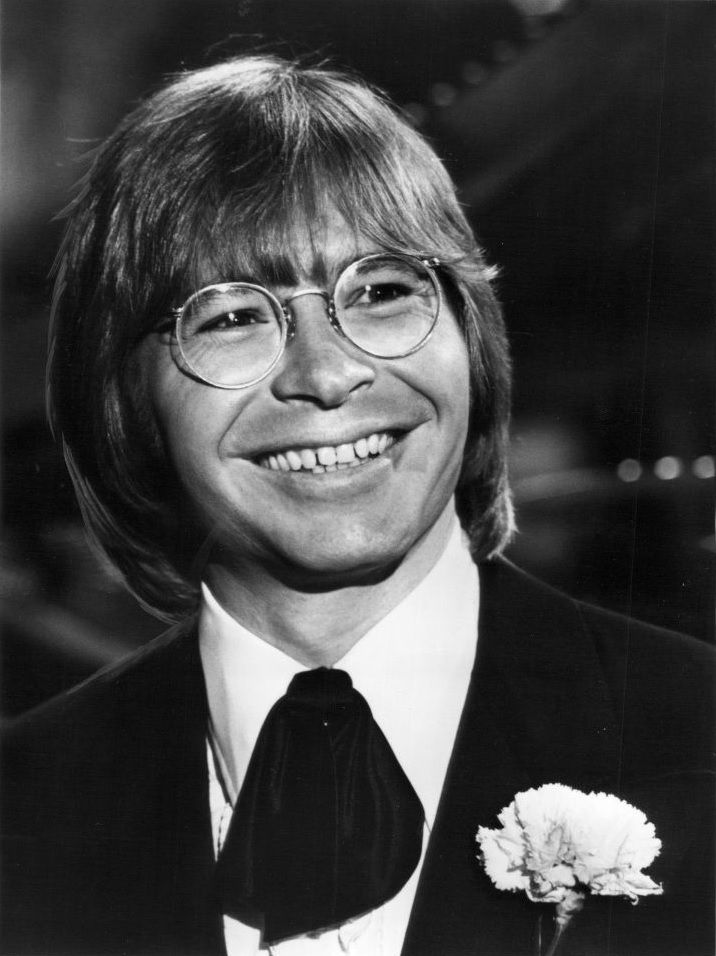
John Denver, born Henry John Deutschendorf Jr. (December 31, 1943 – October 12, 1997), was an American singer-songwriter, musician, actor, and humanitarian whose heartfelt folk-pop anthems defined an era. Known for hits like "Take Me Home, Country Roads," "Rocky Mountain High," and "Annie’s Song," Denver was one of the best-selling artists of the 1970s, with over 33 million records sold in the U.S. alone. His music, rooted in love for nature and human connection, resonated globally, while his activism for environmental and humanitarian causes amplified his impact. This article explores Denver’s life, from his nomadic childhood to his rise as a cultural icon, his personal struggles, and his enduring legacy.
Early life and musical beginnings
-Childhood and family background
Born in Roswell, New Mexico, to Captain Henry John "Dutch" Deutschendorf Sr., a U.S. Air Force pilot, and Erma Louise Swope, Denver grew up in a military family that moved frequently across the American Southwest. His childhood included stints in Arizona, Alabama, and Texas, which made forming lasting friendships challenging. This sense of displacement fostered his introspective nature and love for music as a means of connection. At age 11, while living in Tucson, Arizona, Denver received a 1910 Gibson acoustic guitar from his grandmother, igniting his passion for music. He joined the Tucson Arizona Boys Chorus for two years and began performing folk songs in high school.
Denver’s relationship with his stern, disciplined father was initially strained, but their shared love of aviation later brought them closer. His father’s career, which included setting three speed records in the B-58 Hustler bomber, earned him a place in the Air Force Hall of Fame. Denver’s early exposure to flight would shape his life, both as a passion and, tragically, in his death.
-Education and early musical pursuits
In 1961, Denver enrolled at Texas Tech University in Lubbock to study architecture but continued performing at local clubs with the folk group The Alpine Trio. Feeling unfulfilled, he dropped out in 1963 and moved to Los Angeles, the heart of the burgeoning folk music scene. There, he adopted the stage name "John Denver," inspired by the capital city of Colorado, his favorite state, which symbolized his affinity for the Rocky Mountains. He performed at venues like Ledbetter’s nightclub and briefly joined The Back Porch Majority before a pivotal opportunity arose.
Rise to fame
-The Chad Mitchell trio and breakthrough
In 1965, Denver auditioned against 250 hopefuls and was selected to replace Chad Mitchell in the Chad Mitchell Trio, a prominent folk group. His two years with the trio, later renamed Denver, Boise, and Johnson, honed his vocal and songwriting skills. During this period, he wrote "Leaving on a Jet Plane," inspired by his frequent travels. In 1969, Peter, Paul and Mary’s recording of the song became their first and only No. 1 hit, thrusting Denver into the spotlight as a songwriter.
After the trio disbanded in 1969, Denver pursued a solo career, signing with RCA Records. His debut album, Rhymes & Reasons (1969), included "Leaving on a Jet Plane" and political songs like "Ballad of Richard Nixon." Though it didn’t chart highly, it showcased his potential. His follow-up albums, Take Me to Tomorrow (1970) and Whose Garden Was This (1970), began to reflect his environmental consciousness.
-1970s stardom
Denver’s breakthrough came with his fourth album, Poems, Prayers & Promises (1971), featuring "Take Me Home, Country Roads," co-written with Bill Danoff and Taffy Nivert. The song, a tribute to West Virginia, peaked at No. 2 on the Billboard Hot 100 and became a cultural anthem, later named a state song of West Virginia in 2014. The album’s success established Denver as a leading figure in the folk-pop genre.
The 1970s marked Denver’s commercial peak. His clear tenor, acoustic guitar, and earnest lyrics about nature, love, and simplicity resonated with audiences amid the era’s social upheavals. Key albums included:
Rocky Mountain High (1972): The title track, inspired by a meteor shower in Colorado, became a signature song and Colorado’s second state song in 2007.
Back Home Again (1974): Featured hits like "Annie’s Song," written in 10 minutes on a ski lift for his wife, and "Thank God I’m a Country Boy."
Windsong (1975): Included "Calypso," a tribute to Jacques Cousteau’s conservation efforts.
Denver released 11 platinum and 14 gold albums, with John Denver’s Greatest Hits (1973) selling over 10 million copies, making it RCA’s best-selling album at the time. His crossover appeal spanned pop, country, and adult contemporary charts, earning him the Country Music Association’s Entertainer of the Year award in 1975, though some country purists, like Charlie Rich, protested his folk roots.
Musical style and cultural impact
Denver’s music blended folk, country, and pop, characterized by melodic simplicity, elegant guitar work, and lyrics celebrating nature and human emotions. Songs like "Sunshine on My Shoulders" and "Back Home Again" evoked nostalgia and optimism, contrasting with the era’s cynicism. Critics often called his work sentimental, with some labeling him the "Mickey Mouse of pop," but fans embraced his authenticity. AllMusic described him as "among the most beloved entertainers of his era" for his universal appeal.
Denver recorded approximately 300 songs, writing about 200 himself, with total sales exceeding 33 million units. His influence extended to artists like James Taylor and paved the way for acoustic singer-songwriters. His television specials, such as An Evening with John Denver (1975), which won an Emmy, and collaborations with The Muppets, including A Christmas Together (1979), broadened his reach. His film debut in Oh, God! (1977) with George Burns was a modest hit, showcasing his boyish charm.
Environmental and humanitarian activism
Denver’s love for nature, evident in songs like "Whose Garden Was This?" and "Calypso," translated into robust activism. In 1976, he co-founded the Windstar Foundation in Aspen, Colorado, to promote sustainability and environmental education. He launched Plant-It 2000, encouraging global tree planting, with nearly 100,000 trees planted in its first year. His friendships with ecological pioneers like Buckminster Fuller and Amory Lovins informed his advocacy.
Denver’s humanitarian efforts were equally significant. He co-founded the World Hunger Project in 1977, worked with UNICEF, and served on the National Space Institute’s board. His international tours broke cultural barriers:
In 1985, he became the first American artist to tour the Soviet Union since the Cold War, inspiring "Let Us Begin (What Are We Making Weapons For?)."
In 1992, he toured China, where fans recognized his hits, reflecting his global influence.
He testified before Congress in 1985 against music censorship, opposing the Parents Music Resource Center, and performed at benefits for causes like the Chernobyl disaster. In 1993, he received the Albert Schweitzer Music Award for his humanitarian work.
Personal life and struggles
-Marriages and family
Denver married Annie Martell, a psychotherapist, in 1967 after meeting her at a college gig in Minnesota. They adopted two children, Zachary John and Anna Kate, whom Denver cherished, once saying, "When I die, Zachary John and Anna Kate’s father, boy, that’s enough for me to be remembered by." His marriage inspired "Annie’s Song," but career demands and personal struggles led to their divorce in 1982. In a dramatic gesture, Denver cut their marital bed in half with a chainsaw during asset division.
In 1988, he married Australian actress Cassandra Delaney, with whom he had a daughter, Jesse Belle. The marriage ended in divorce in 1993. Denver remained a devoted father, often weaving family themes into his music, such as "A Baby Just Like You" for Zachary.
-Personal challenges
Despite his wholesome image, Denver faced significant challenges. He struggled with alcohol dependency, leading to multiple drunk-driving arrests in the 1990s, which tarnished his reputation. He also battled depression, exacerbated by his divorces and declining commercial success in the 1980s. Denver was open about his flaws, which humanized him to fans. His autobiography, Take Me Home (1994), co-written with Arthur Tobier, candidly detailed his emotional turmoil and growth.
Aviation and tragic death
A licensed pilot with over 2,700 flight hours, Denver’s love for aviation was a lifelong passion, inherited from his father. He owned a Learjet, vintage biplanes, and a Christen Eagle aerobatic plane. On October 12, 1997, at age 53, Denver died when his recently purchased Rutan Long-EZ experimental aircraft crashed into Monterey Bay, California. The National Transportation Safety Board cited fuel selector issues and pilot error as causes, noting that the fuel valve’s awkward placement behind the pilot diverted Denver’s attention, causing loss of control. His body was cremated, and his ashes were scattered over the Rocky Mountains.
The crash occurred after touch-and-go landings at Monterey Peninsula Airport, under ideal flying conditions. Denver’s death shocked fans worldwide, prompting tributes from artists, politicians, and environmentalists. At the time, he was not legally permitted to fly due to his drunk-driving convictions, though no alcohol was found in his system.
Legacy and honors
John Denver’s music and activism continue to inspire. His songs remain radio staples and have been covered by artists across genres. Landmarks like the John Denver Sanctuary in Aspen and his exhibit at the Colorado Music Hall of Fame, where he was the first inductee in 2011, celebrate his life. His discography, spanning 30 studio albums, includes enduring classics:
Poems, Prayers & Promises (1971)
Rocky Mountain High (1972)
Back Home Again (1974)
Windsong (1975)
Denver received numerous accolades, including two Grammy Awards, the Country Music Association’s Entertainer of the Year (1975), and induction into the Songwriters Hall of Fame (1996). Posthumously, he was awarded a star on the Hollywood Walk of Fame in 2014. The Windstar Foundation persists in promoting sustainability, and his music’s themes of nature and peace resonate in today’s environmental movements.
Conclusion
John Denver was a multifaceted figure—a poet of the mountains, a global ambassador for peace, and a flawed yet relatable human. His music captured the beauty of the natural world and the complexities of the heart, while his activism championed a better future. Though his life ended tragically, Denver’s legacy endures through his timeless songs and the causes he held dear. As he once sang, he invited the world to "take me home" to a place of wonder and connection, a call that still echoes today.
Recommended reading: Take me home: An autobiography
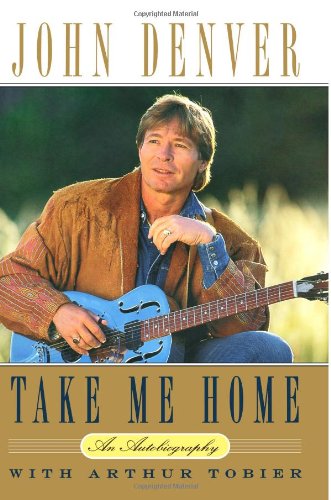
Dive into John Denver’s life with Take Me Home: An Autobiography by John Denver and Arthur Tobier. Published in paperback on October 11, 2004, this book (4.3/5 stars on Amazon with 1,185 reviews) offers a candid look at Denver’s journey from a shy Midwestern boy to a global music icon. It covers his childhood, rise to fame with hits like "Take Me Home, Country Roads," and relationships with family and friends. Honest and engaging, it’s like chatting with a friend.
Find it here: [https://amzn.to/3FafCi8]
Enjoyed the journey through John Denver’s life?
If you loved diving into John Denver’s story and learned something new about his music and legacy, I’d greatly appreciate your feedback in the comments below—it helps me craft more folk tales like this! If you’d like to support the stories I share on Folknest, click the support button below. You’ll find the Buy Folknest a Folktale option, a simple way to help keep our folk music page thriving and become a supporter of our community. Thank you for being part of this journey! 🌟