
Відомості Phil Flash
From Pixels to Neural Rendering: My Lifetime in Virtual Worlds
I don’t just play video games—I take them apart to see how far they can be pushed.
My obsession started decades ago with the retro blocks of Digger, moving through classics like Doom and Duke Nukem 3D, all the way to today’s cutting-edge releases. Over the years, my fascination with visual design and sound evolved into a deep love for modding shaders, tweaking graphics, and testing boundaries.
What I Do
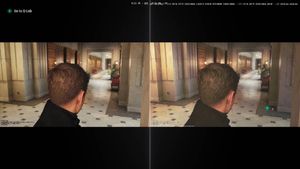
Lately, I’m spending hours pushing games to their absolute limits using experimental DLSS 5 neural rendering.
The results are a wild ride. Sometimes, it makes modern masterpieces like Red Dead Redemption 2 look jaw-droppingly spectacular. Other times, the experimental tech completely breaks, and it's absolute cringe. But to me, the failures are just as fascinating as the successes.
By sharing these findings publicly, I save fellow enthusiasts hours of frustration and help our community understand the future of neural graphics.
Нещодавні прихильники