

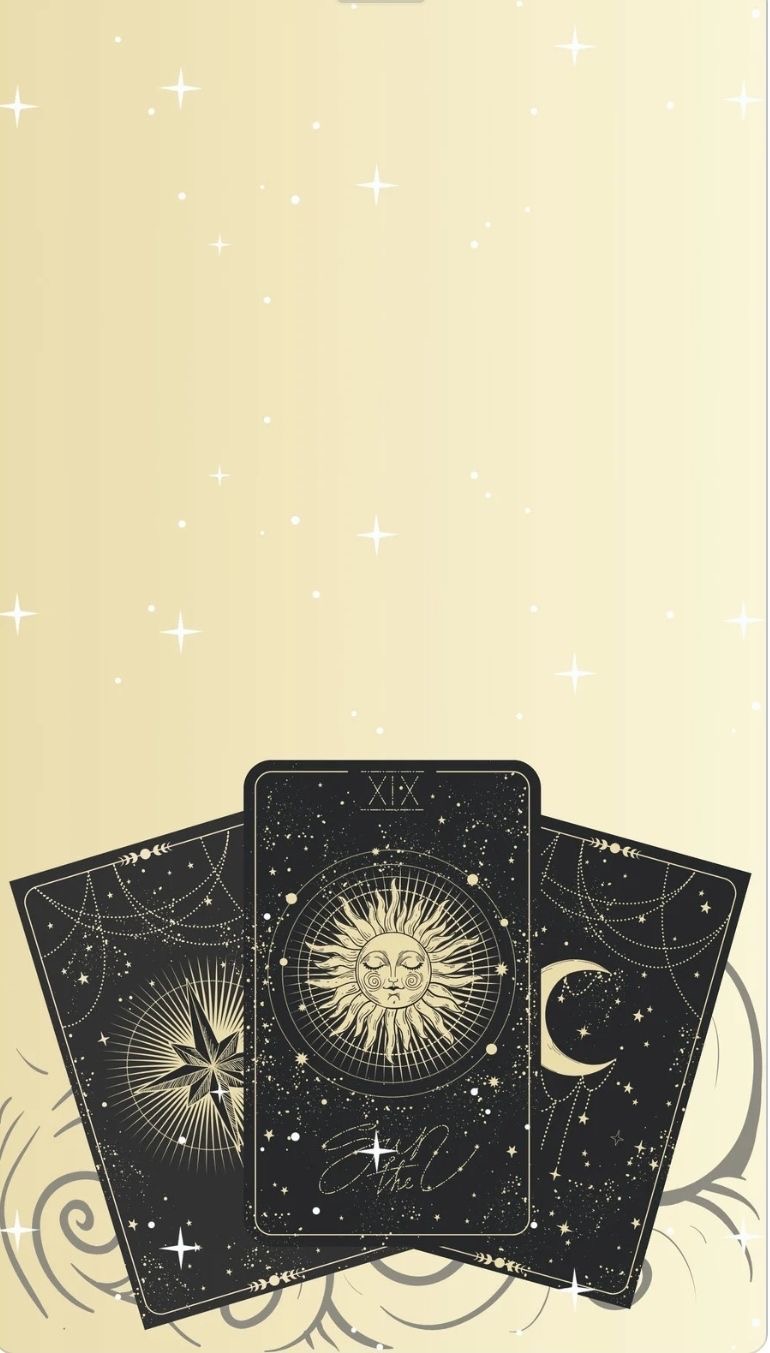
There’s something quietly mesmerizing about tarot decks: the intricate illustrations, the velvet-smooth shuffle of cards, the weight of possibility in each turn. Tarot is often misunderstood as a tool of fortune-telling, a mystical crystal ball in card form. But its deeper magic lies not in predicting the future with certainty, but in reflecting the present, illuminating our inner landscapes, and offering a language through which the unconscious mind can speak.
At its heart, tarot is a symbolic system: a map of archetypes that trace the human experience. The 78 cards of a traditional deck are divided into two main groups: the Major Arcana and the Minor Arcana. The Major Arcana, a series of 22 cards, embodies life’s grand themes and spiritual lessons: the Fool, leaping into the unknown; the High Priestess, the keeper of inner wisdom; the Tower, the sudden upheaval that tears down illusions. Each card is a story, an archetypal moment, a reflection of the journey we all take, consciously or not.
The Minor Arcana, comprising 56 cards, mirrors the subtler currents of daily life, divided into four suits: Cups, Wands, Swords, and Pentacles. Cups evoke emotion and relationships; Wands ignite creativity and ambition; Swords challenge the intellect and confront conflict; Pentacles ground us in the material world and practical matters. These suits map the spectrum of human experience, providing a framework for self-exploration.
But tarot is not a one-way mirror. It is dialogic, it demands a conversation between the reader and the cards. In a reading, we do not simply draw cards and wait for answers; we engage in active interpretation. A single card might conjure a memory, an intuition, or a question that had been quietly lingering in the corners of our consciousness. The cards reflect what we already know but have not yet fully acknowledged. The Fool may not just predict a new beginning, it might be urging you to embrace risk, to shed hesitation, and step into your own adventure. The Death card rarely predicts literal death; it whispers of endings, of transformation, of the necessary decay before rebirth.
This is where tarot becomes profoundly personal. Unlike an external source of authority, the deck acts as a mirror. The images, symbols, and numerology invite meditation and reflection, helping us navigate both clarity and uncertainty. The tarot spread (the layout of cards) creates narrative arcs that resemble stories, each card interacting with the others, creating tension, resolution, or revelation. A three-card spread might illustrate past, present, and future; a Celtic Cross can reveal deep patterns, unseen obstacles, and potential outcomes. Yet each reading is as unique as the reader and the querent; context shapes interpretation.
Tarot is also a bridge between the conscious and the subconscious. Consider the High Priestess, a figure of mystery, sitting between the veil of the known and the hidden. Drawing her card may signal a need to trust intuition, to listen to the quiet voice beneath logic, beneath fear. The imagery of the cards is intentionally archetypal, moonlit landscapes, celestial figures, symbolic animals, so that we may project our personal narratives onto them. This projection is not a weakness of tarot; it is its genius. By externalizing our internal world, the cards become tools for self-discovery, offering insight into desires, fears, and motivations.
In contemporary practice, tarot has expanded beyond solitary reflection into ritual and communal practice. Many people use tarot to set intentions, to meditate on life’s transitions, or even as a creative prompt. Artists, writers, and dreamers have long turned to the cards as a wellspring of inspiration. The ritual of shuffling, drawing, and interpreting becomes a form of mindfulness, a quiet space to slow down and observe life’s intricacies. In this way, tarot is both a mirror and a compass; it shows where we are and hints at where we might go if we act with awareness.
And yet, the cards are not magical in themselves; the power lies in the interaction, the act of listening. A deck, no matter how beautiful or rare, cannot tell you your fate unless you are ready to see it. Tarot asks for reflection, honesty, and presence. It teaches patience and receptivity. It reminds us that the future is fluid, shaped by choices, circumstances, and the unseen currents of our psyche. A reading does not command action but illuminates possibilities.
To engage with tarot is to step into a dialogue with oneself. It is to ask questions and to be present for the answers, which may be subtle, surprising, or transformative. In a culture often obsessed with certainty, tarot encourages curiosity. It reminds us that life is not a set of predictable outcomes but a living story we co-create with each decision, each revelation, each moment of awareness.
In the end, tarot is more than cards. It is a language of symbols and stories, a mirror for the soul, and a guide for the inner journey. Whether drawn in solitude or shared in conversation, the cards hold a quiet promise: they will meet us wherever we are, reflect what we need to see, and, if we are willing to listen, illuminate the path ahead.
Tarot asks us not to fear the unknown, but to approach it with courage and curiosity. It teaches us that every ending is also a beginning, every shadow contains light, and every question carries the seed of understanding. To read the cards is to read oneself, to turn over the symbols of life and see not just what is, but what might be, waiting patiently to be discovered.